Story contentsbrevity bard.
Mystery4 min read

Agnes

Your place is saved on this device.

CHAPTER 14

Chapter 14 – The Puppetmaster

The gala hall at Landmark Towers gleamed under a constellation of crystal chandeliers. Gold-rimmed wine glasses. White orchids. High-profile donors. Laughter layered over jazz.

Guests mingle beneath chandeliers at the foundation gala as a jazz band plays.
A gala of glittering promises

In the center of it all: Amaka Okonkwo-Emecheta.

Amaka stands at the center of the foundation gala in a black velvet gown.
The center of the gala

Dressed in a structured black velvet gown with a slit just high enough to spark whispers, she floated through the room, all soft smiles and practiced humility. Tonight was the official launch of the Agnes Emecheta Legacy Foundation. The new face of compassion. Reform. Empowerment.
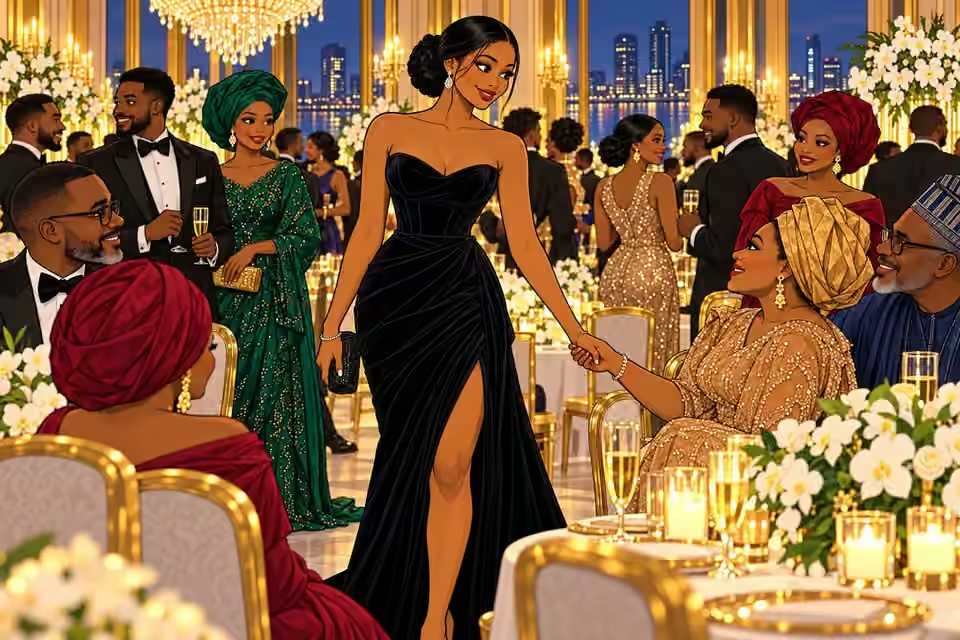
Amaka greets donors in a black velvet gown at the foundation gala.
Amaka performs grace at the foundation’s launch.

“Your mother would be proud,” someone said.
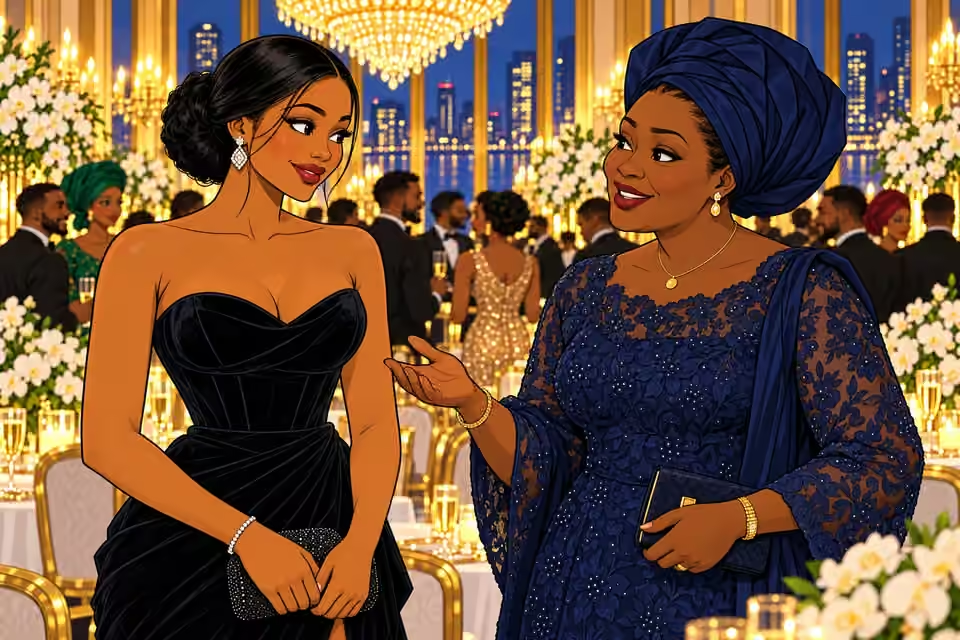
A ministry guest tells Amaka her mother would be proud.
Praise reaches Amaka at the foundation gala.

Amaka turned to face the speaker. A woman from the Ministry of Women Affairs.
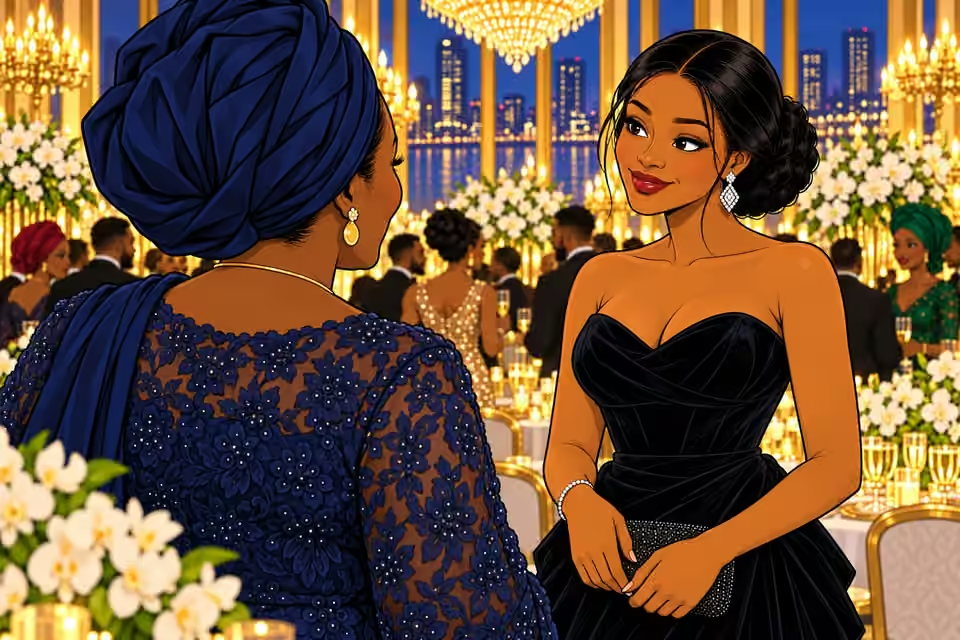
Amaka turns toward the woman from the Ministry at the gala.
She faces the guest who praised her mother.

“She’d be furious,” Amaka replied with a small smile. “She preferred things quiet. Controlled. Hidden.”
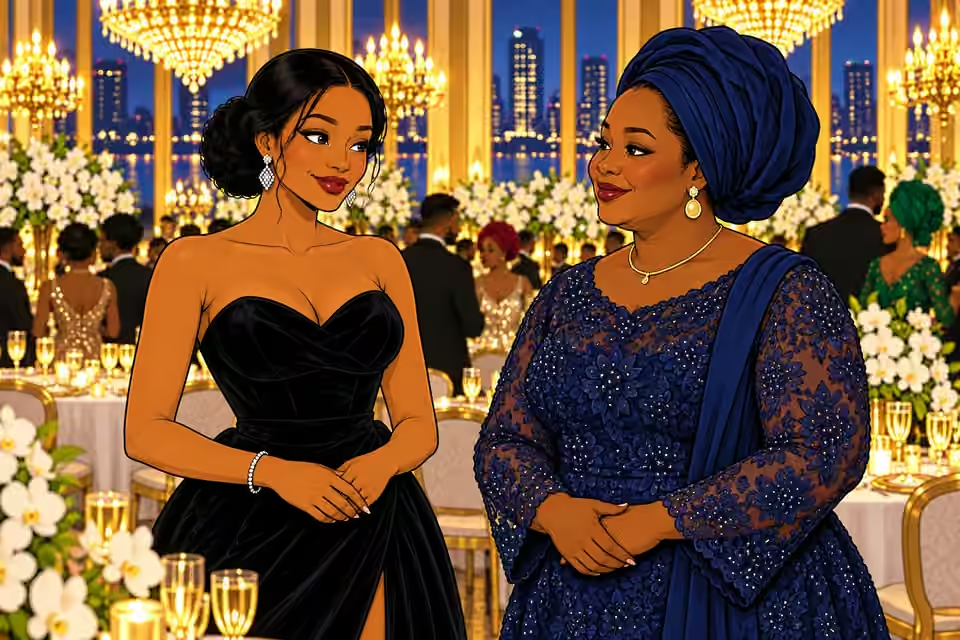
Amaka says her mother would have been furious.

The woman laughed, not catching the edge beneath the words.
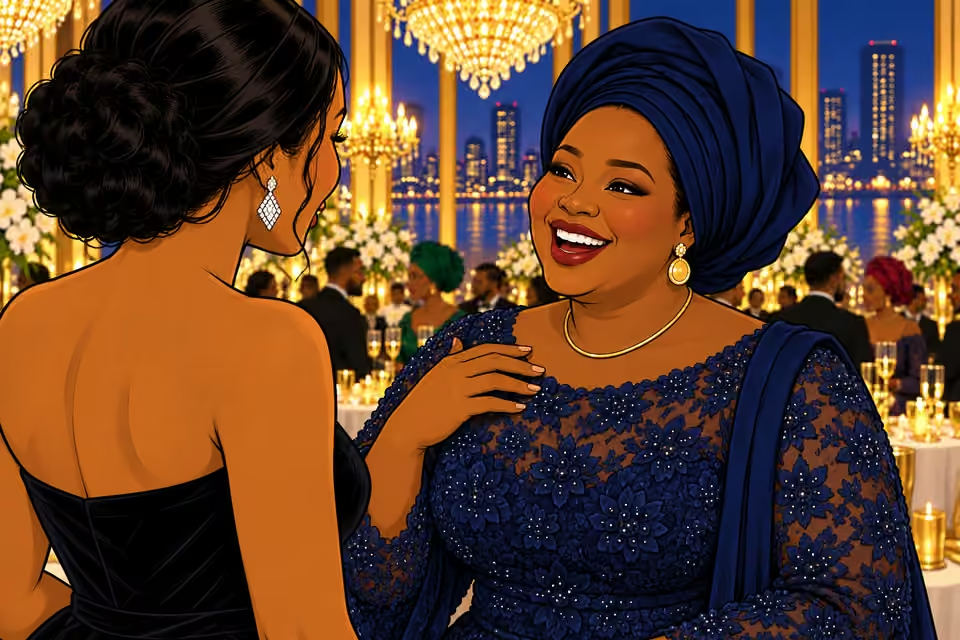
The Ministry guest laughs, missing Amaka’s meaning.

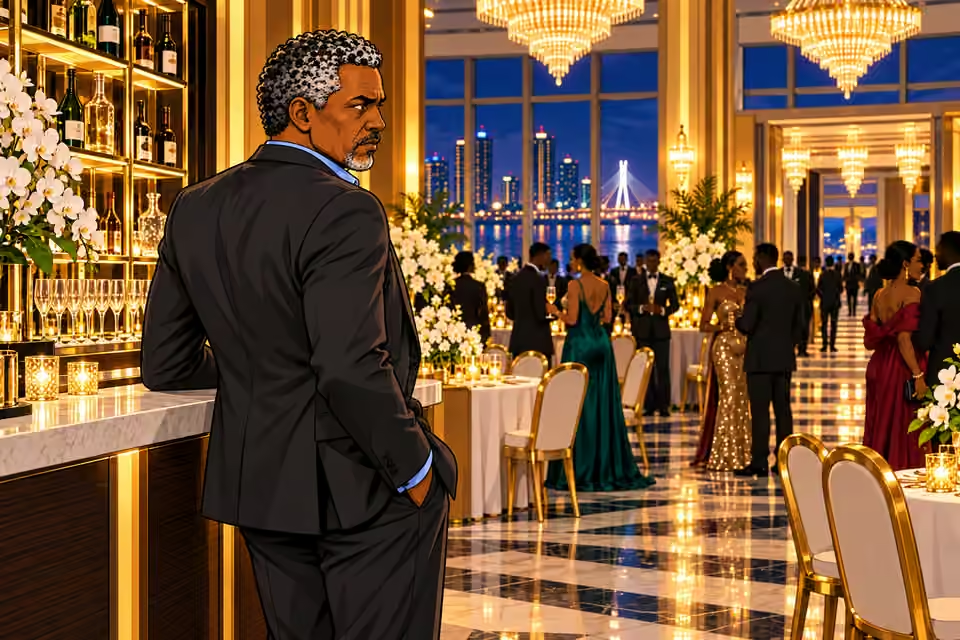
At the far end of the gala, Musa stood at the open bar, watching.

Musa watches from the open bar.

He hadn’t RSVP’d.

Musa has attended without an invitation.

No one had expected him.

Musa’s presence at the gala is unexpected.

He wore a dark suit, no tie. No drink in hand. Just eyes.

Musa stands in a dark suit, watching without a drink.

He watched Amaka move through the crowd like a conductor. The way she made eye contact. The perfect rhythm of her smiles. The pauses. The pivots. The precision.

Musa studies Amaka’s precise movements through the crowd.

There were no mistakes in her performance.

Amaka’s performance appears flawless.

Except one.

Amaka notices the one person beyond her performance.

She approached him.

Amaka approaches Musa at the bar.

“Detective,” she said smoothly, “I didn’t think this was your scene.”
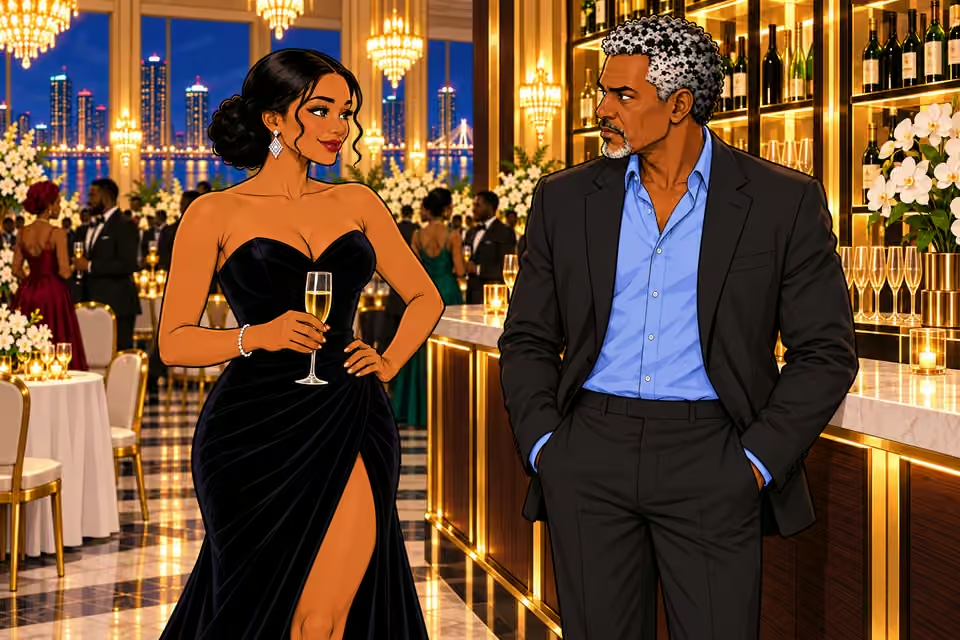
Amaka asks whether the gala is Musa’s scene.

“I don’t usually attend funerals in disguise.”
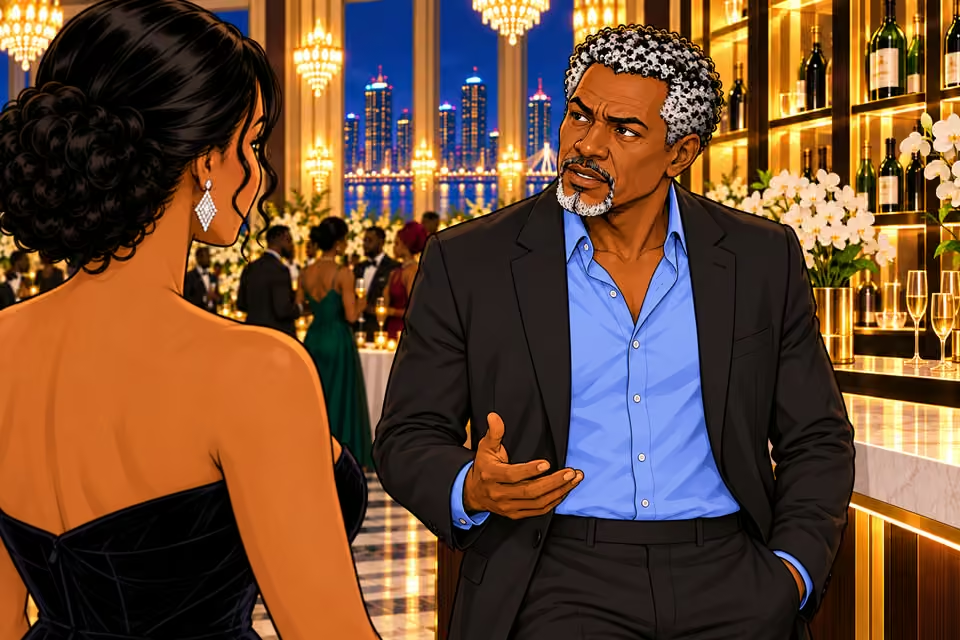
Musa compares the gala to a disguised funeral.

“This isn’t a funeral.”

Amaka rejects Musa’s comparison.

“It’s a wake,” Musa said. “For the truth.”
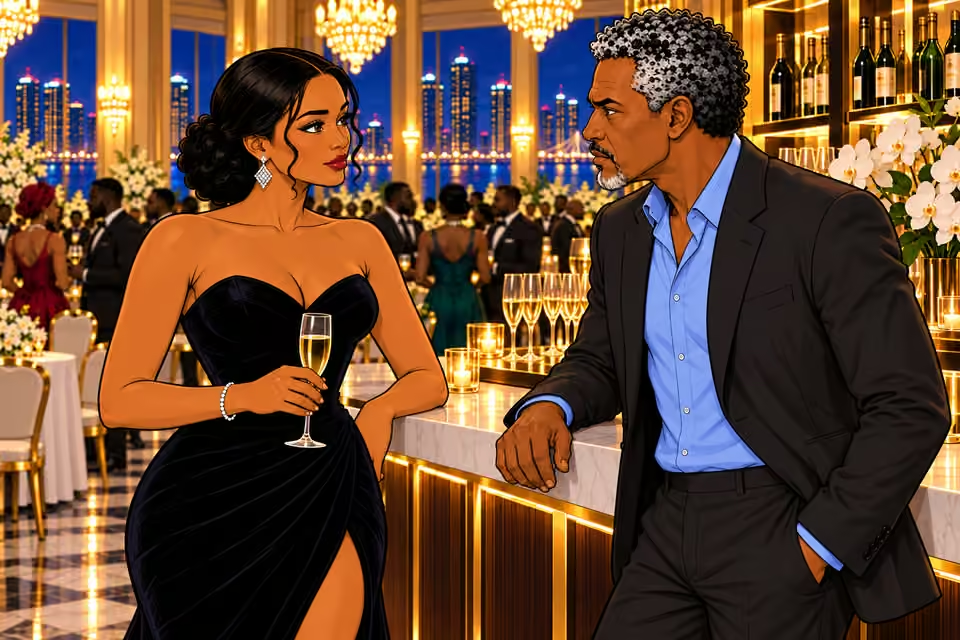
Musa calls the gala a wake for the truth.

She sipped her champagne. “Then let it rest.”

Amaka sips champagne and tells him to let it rest.

He leaned in slightly. “You should’ve stopped at silence. But now you're too visible. Too perfect. Even mirrors crack under pressure.”

Musa warns Amaka that her visibility could expose her.

“And yet, you still haven’t arrested me.”

Amaka points out that Musa has not arrested her.

“I don’t arrest ghosts,” he said. “Especially when they’re still deciding who to haunt next.”
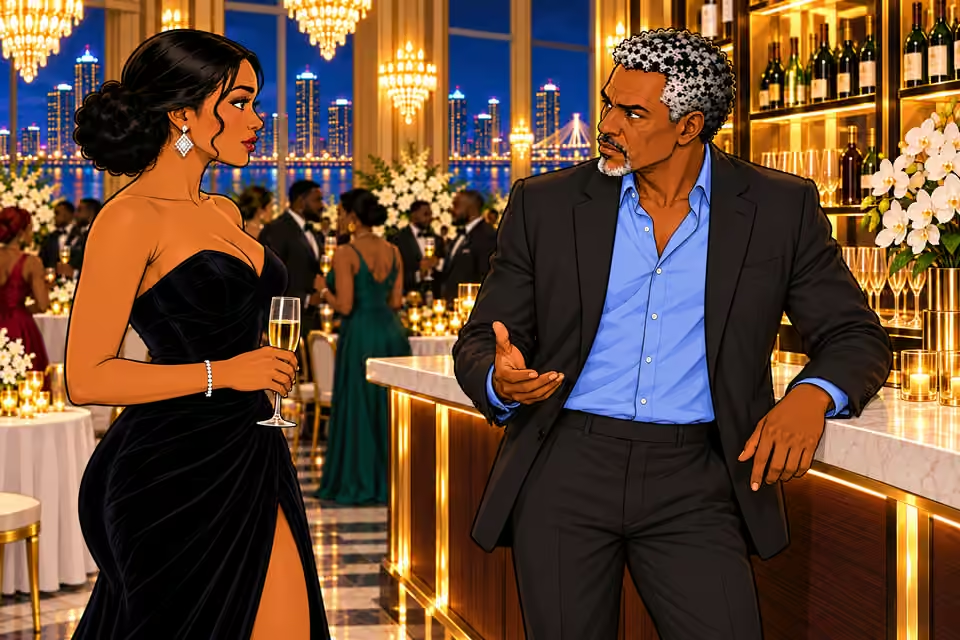
Musa says he will wait to see whom she targets next.

She laughed softly. “Is that your way of saying goodbye?”

Amaka asks whether Musa is saying goodbye.

“No,” Musa replied. “It’s a warning.”

Cartoon illustration: Musa makes clear that his last words are a warning.
Musa makes clear that his last words are a warning.

Then he walked away.

Cartoon illustration: Musa leaves the conversation.
Musa leaves the conversation.

And for the first time in weeks, Amaka watched someone leave—and didn’t know what they’d do next.

Cartoon illustration: Amaka watches Musa leave, unsure of his next move.
Amaka watches Musa leave, unsure of his next move.

After the gala, Amaka returned to the estate alone. No security. No driver. She dismissed them all.
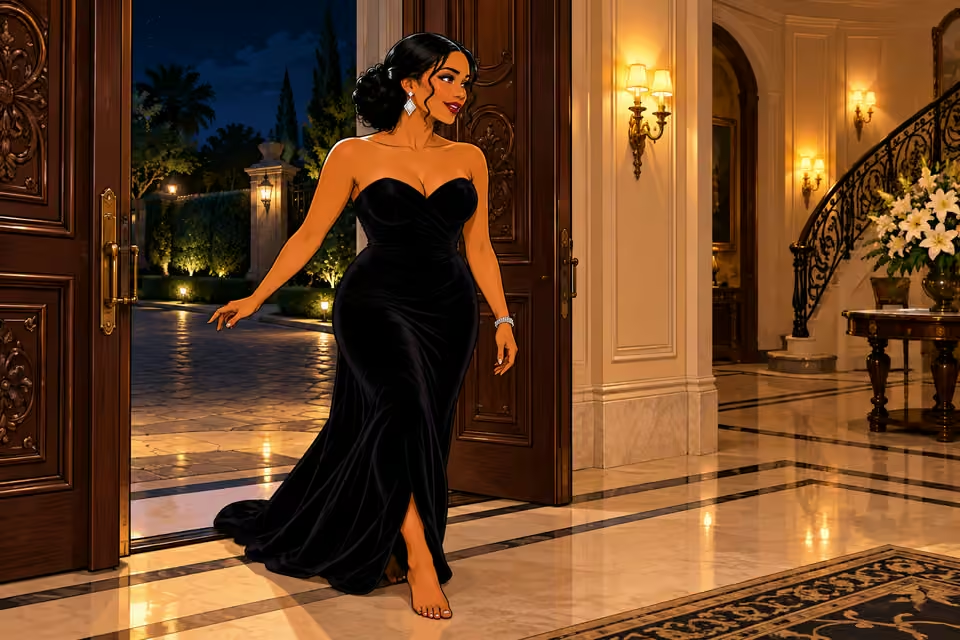
Cartoon illustration: Amaka returns to the estate alone after the gala.
Amaka returns to the estate alone after the gala.

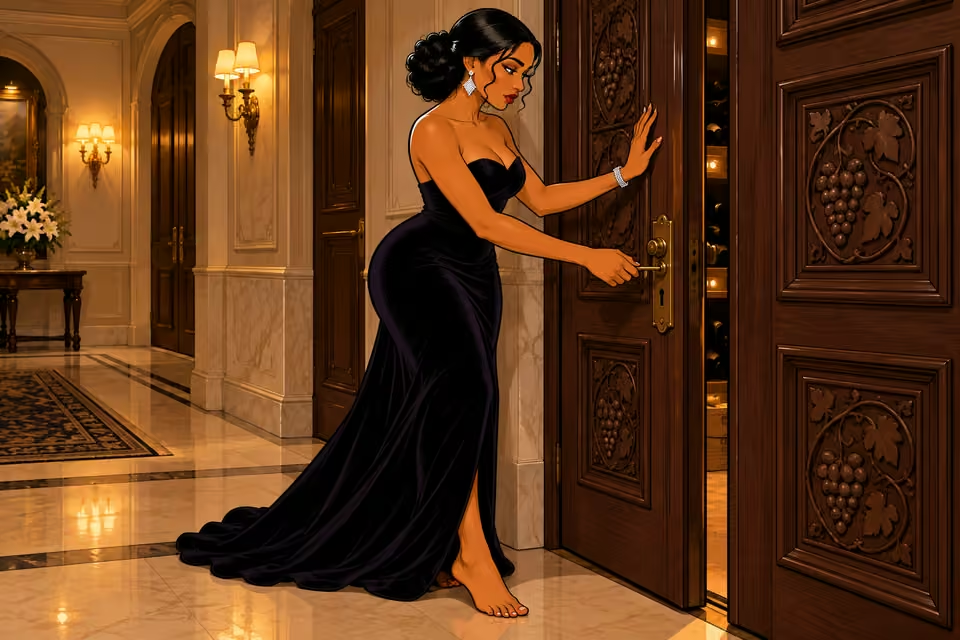
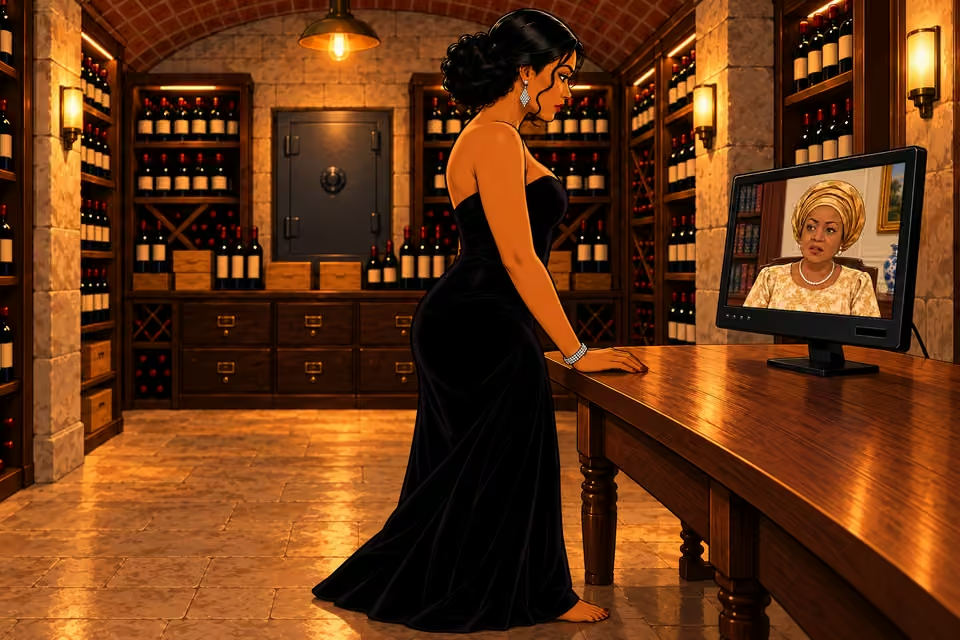
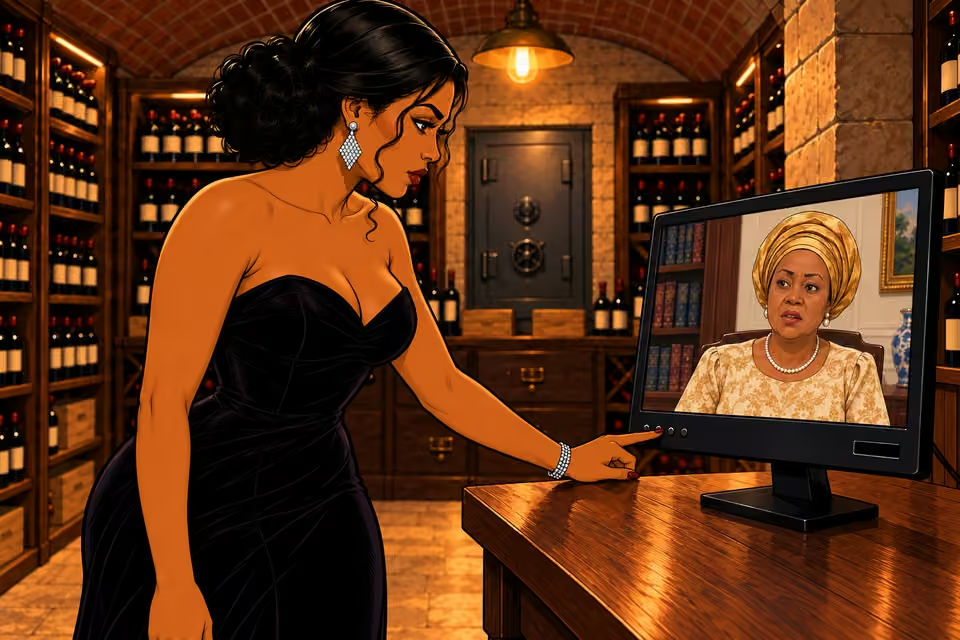
She walked barefoot through the corridors, her gown trailing behind her like a train of smoke. Past her mother’s room. Past the study. To the wine cellar beneath the house.
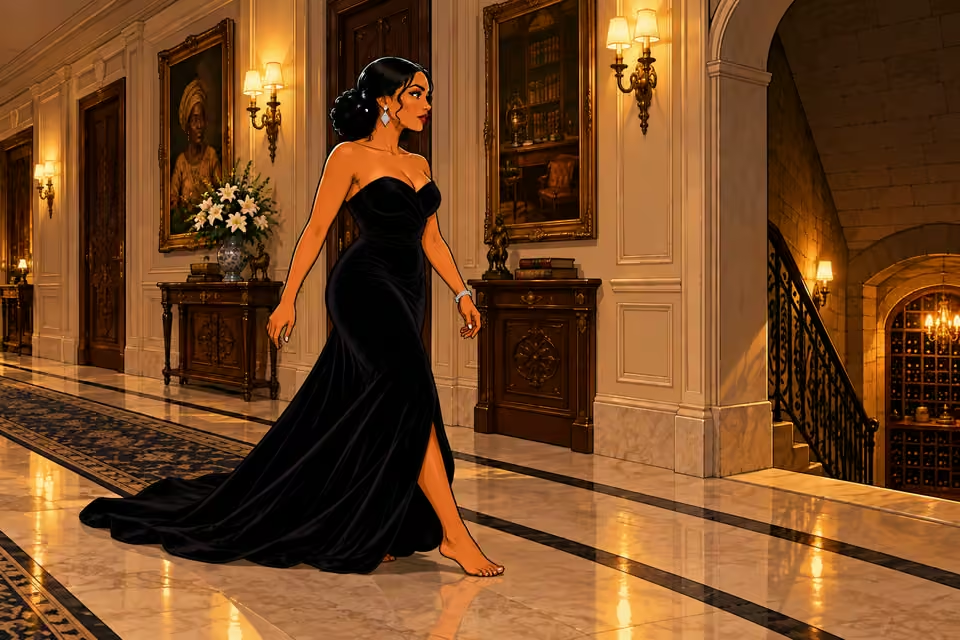
Cartoon illustration: Amaka walks barefoot toward the wine cellar.
Amaka walks barefoot toward the wine cellar.

She unlocked the door.

Cartoon illustration: Amaka unlocks the cellar door.
Amaka unlocks the cellar door.

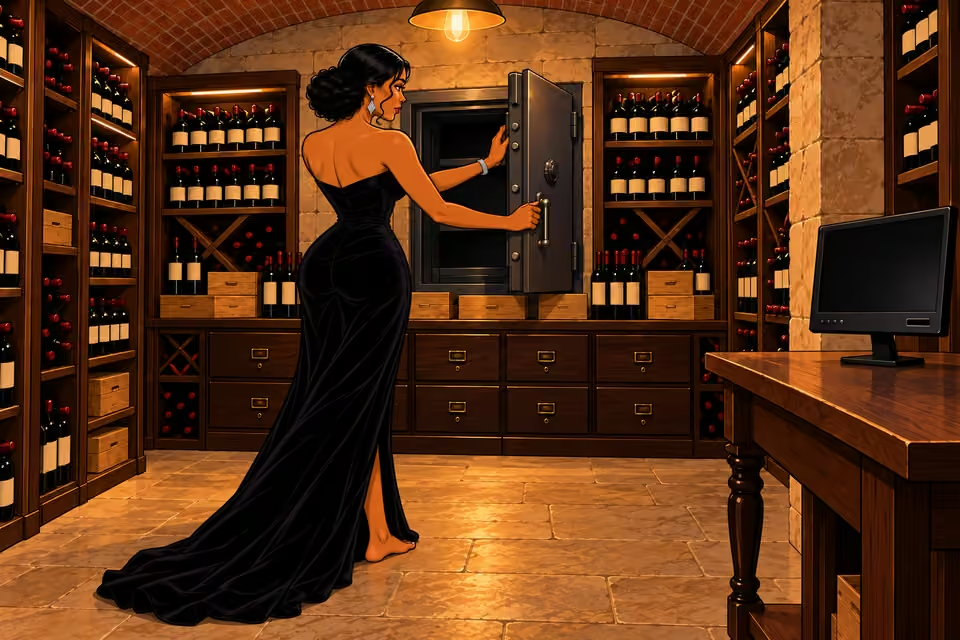
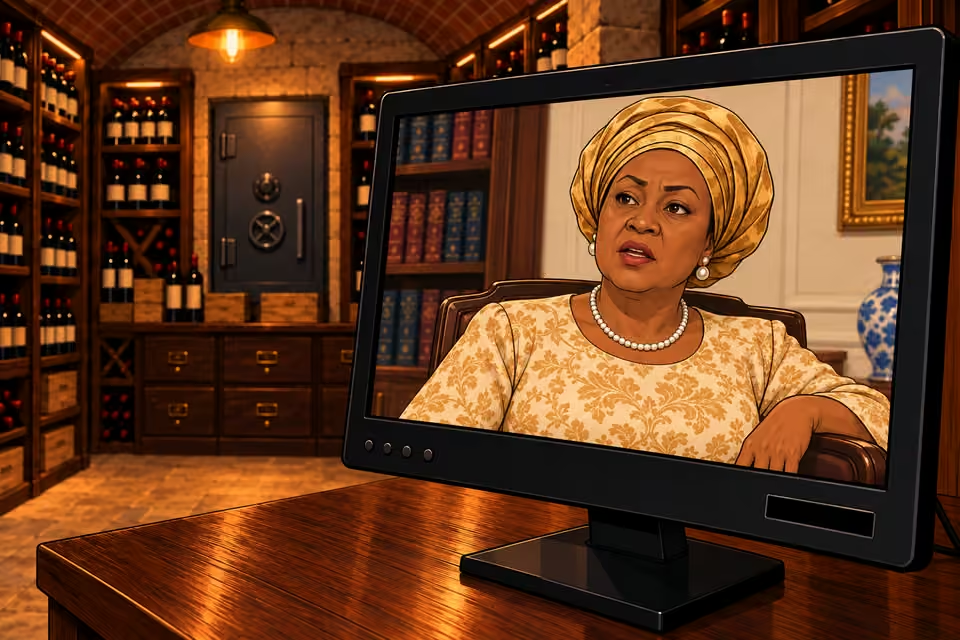
Inside, on the far wall, behind the aged Bordeaux and locked drawer cabinets, was a safe.
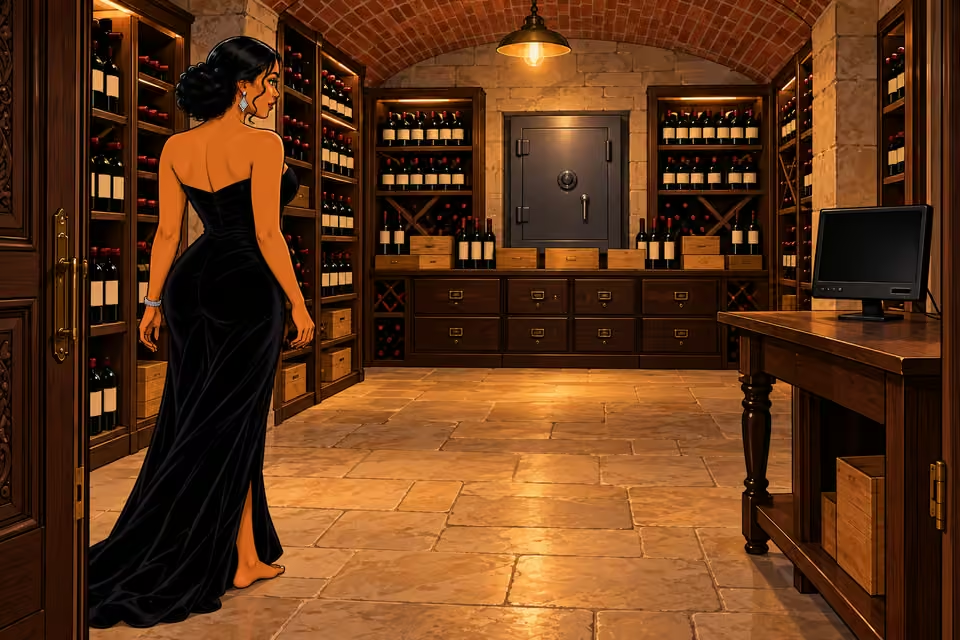
Cartoon illustration: A safe waits behind the wine racks and cabinets.
A safe waits behind the wine racks and cabinets.

She opened it.

Cartoon illustration: Amaka opens the hidden safe.
Amaka opens the hidden safe.

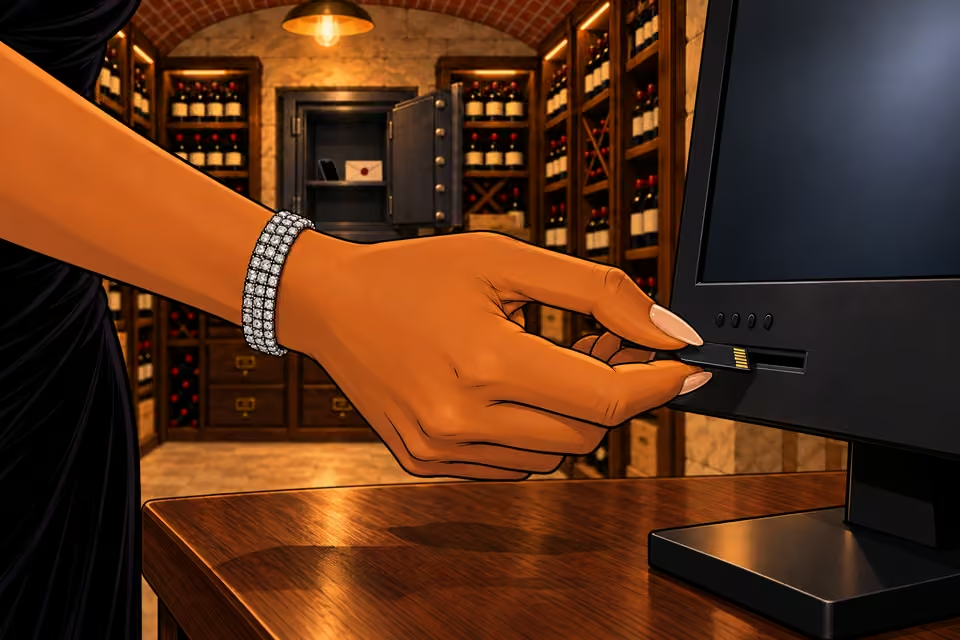
Inside were several items: a burner phone, a sealed envelope, a memory card.

Cartoon illustration: The safe contains a burner phone, envelope and memory card.
The safe contains a burner phone, envelope and memory card.

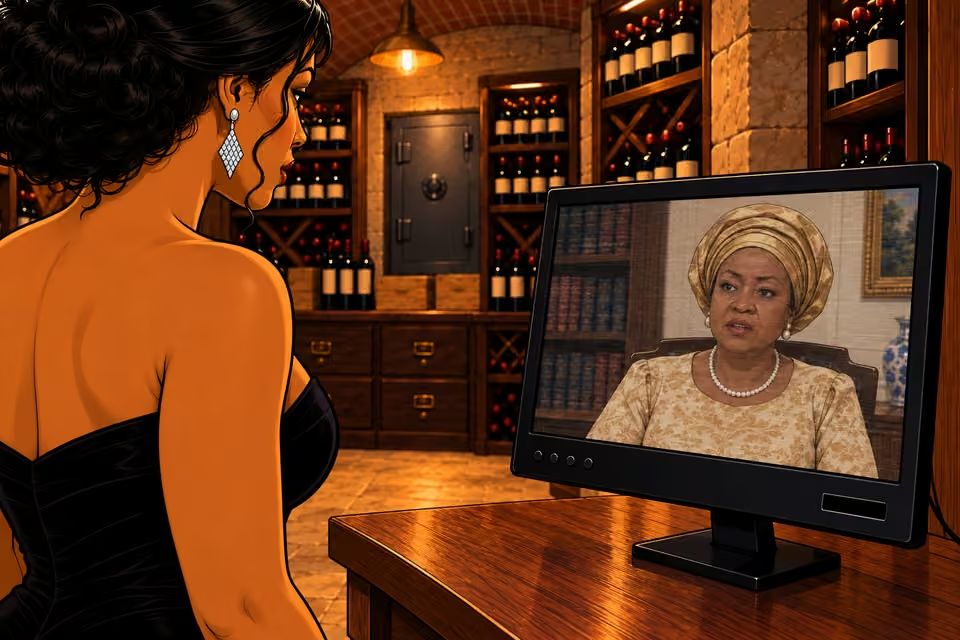
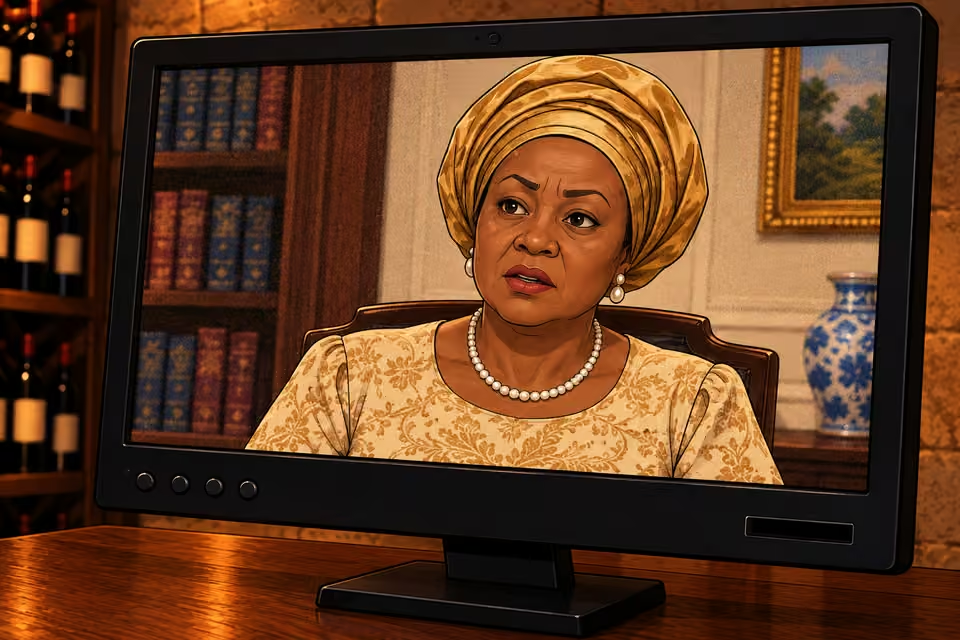
She removed the card and inserted it into the monitor nearby.
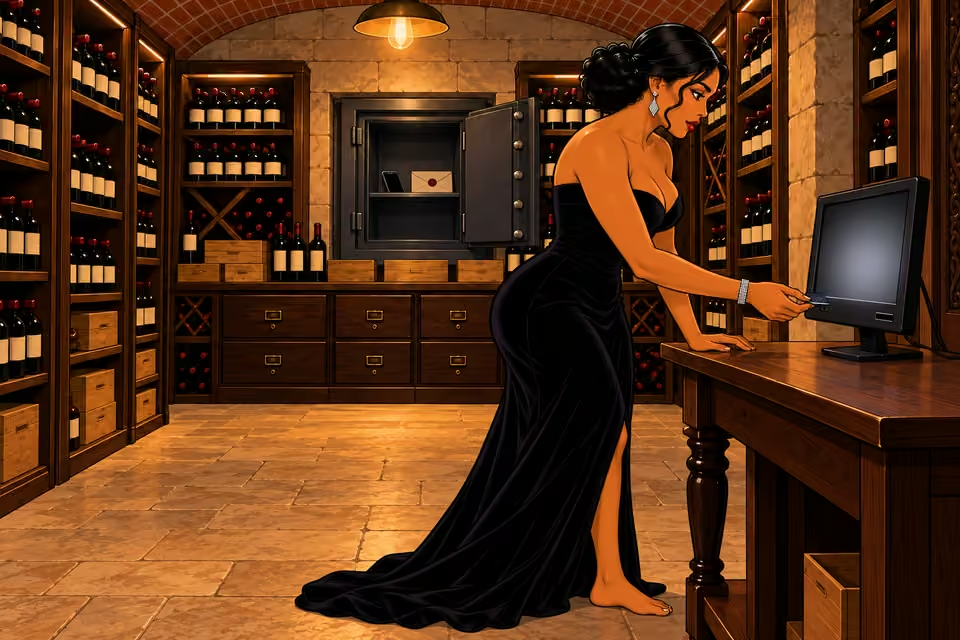
Cartoon illustration: Amaka inserts the memory card into the nearby monitor.
Amaka inserts the memory card into the nearby monitor.

It was a recording.

Cartoon illustration: A recording begins on the monitor.
A recording begins on the monitor.

Grainy. But clear enough.

Cartoon illustration: The grainy recording is clear enough to recognize.
The grainy recording is clear enough to recognize.

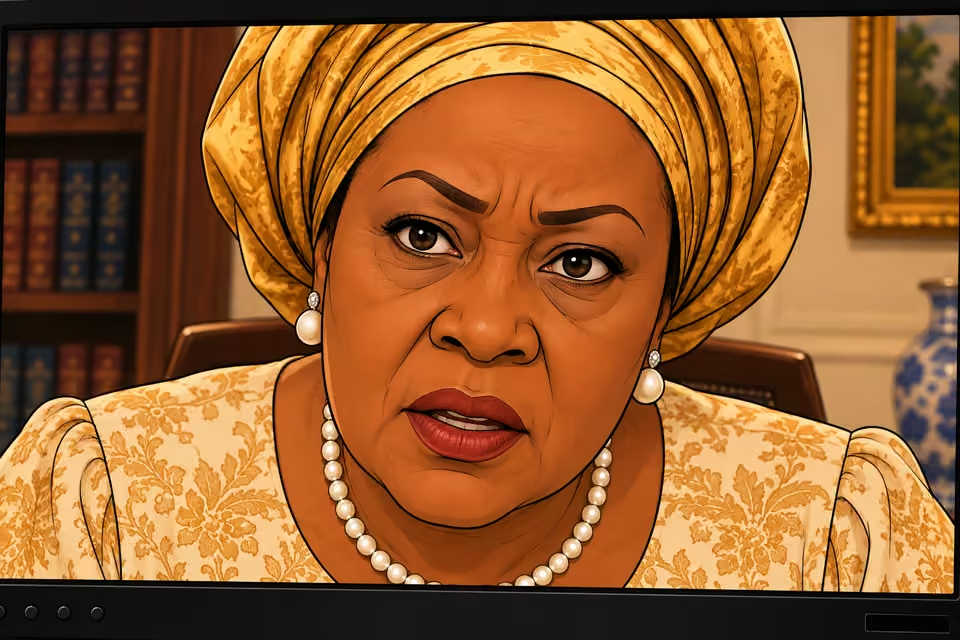
Agnes. In her room. Speaking to someone off-camera.
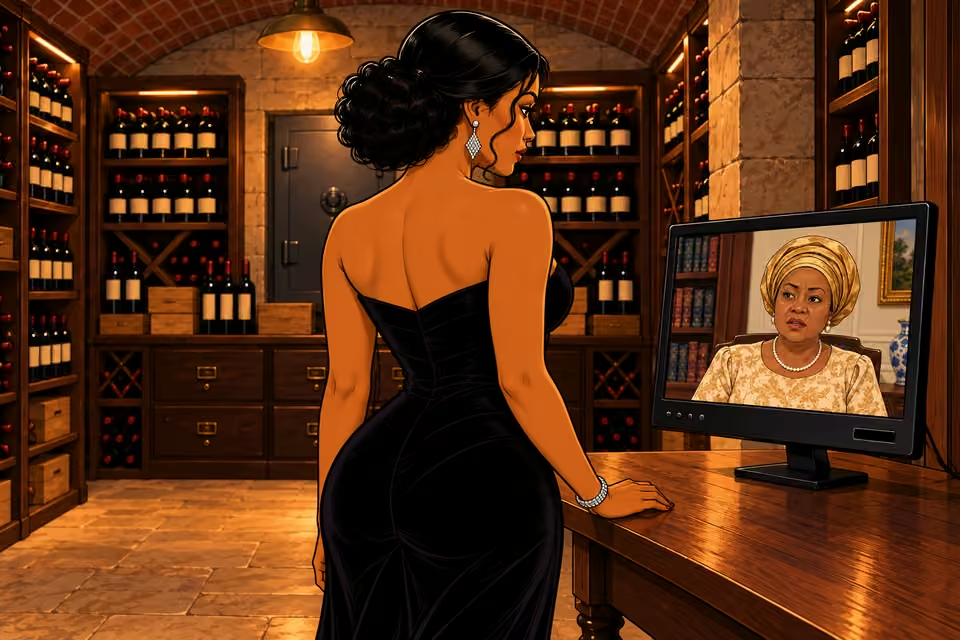
Cartoon illustration: Agnes speaks to someone off camera in the recording.
Agnes speaks to someone off camera in the recording.

“If anything happens to me, the blame will fall where I choose to place it. That’s the gift of being feared. They’ll believe whatever I want them to believe.”
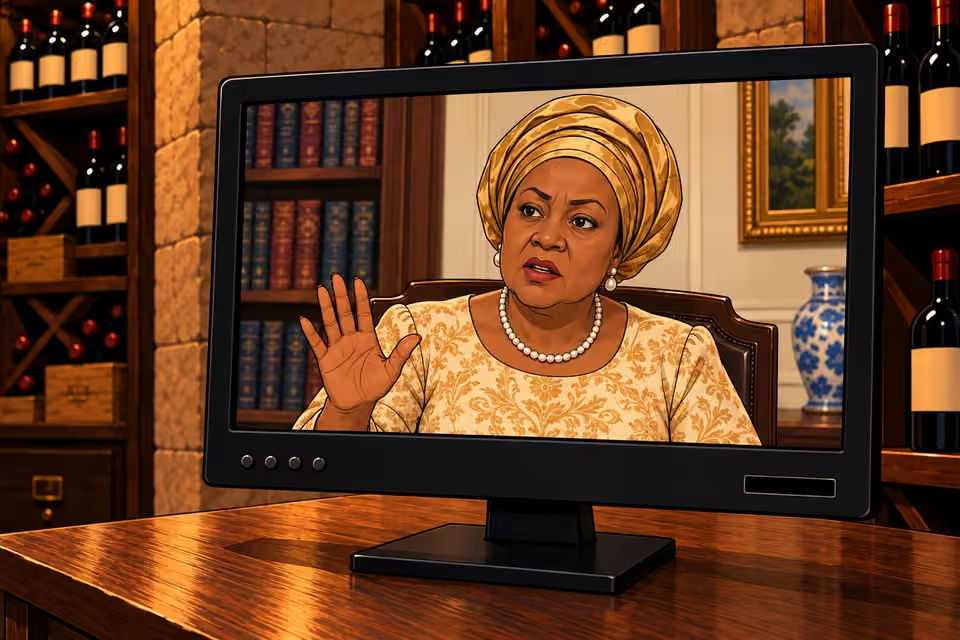
Cartoon illustration: Agnes says she can decide who receives the blame.
Agnes says she can decide who receives the blame.

Amaka watched in silence.

Cartoon illustration: Amaka watches without speaking.
Amaka watches without speaking.

“Even if it’s my daughter.”

Cartoon illustration: Agnes says the blame could fall on her daughter.
Agnes says the blame could fall on her daughter.

Pause.

Cartoon illustration: A pause stretches through the recording.
A pause stretches through the recording.

“Especially if it’s her.”

Cartoon illustration: Agnes places particular emphasis on Amaka.
Agnes places particular emphasis on Amaka.

The camera shook. Agnes laughed softly.
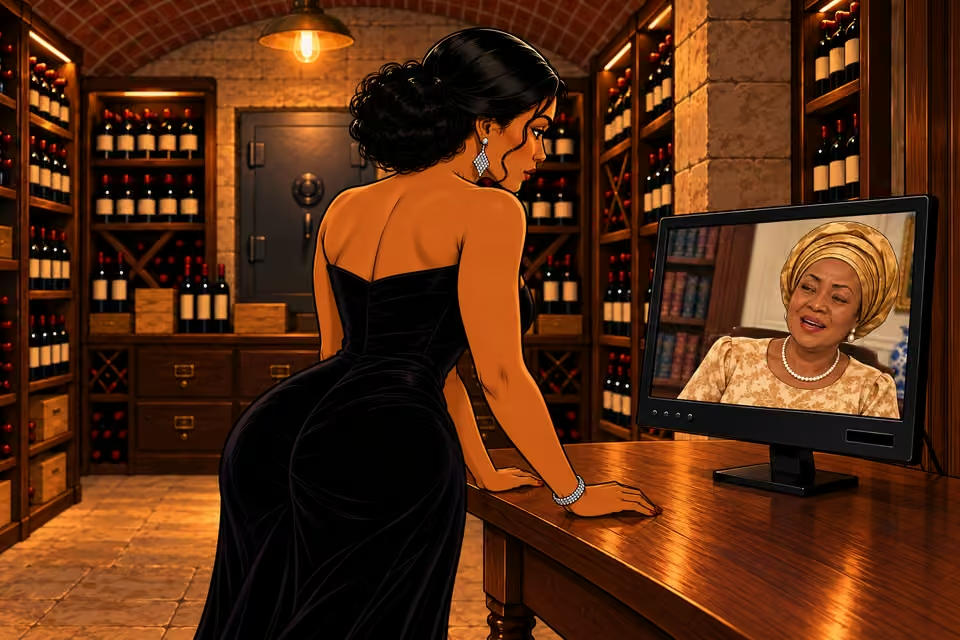
Cartoon illustration: The camera shakes while Agnes laughs softly.
The camera shakes while Agnes laughs softly.

“She’s clever. But I made her. And I never taught her how to be merciful.”
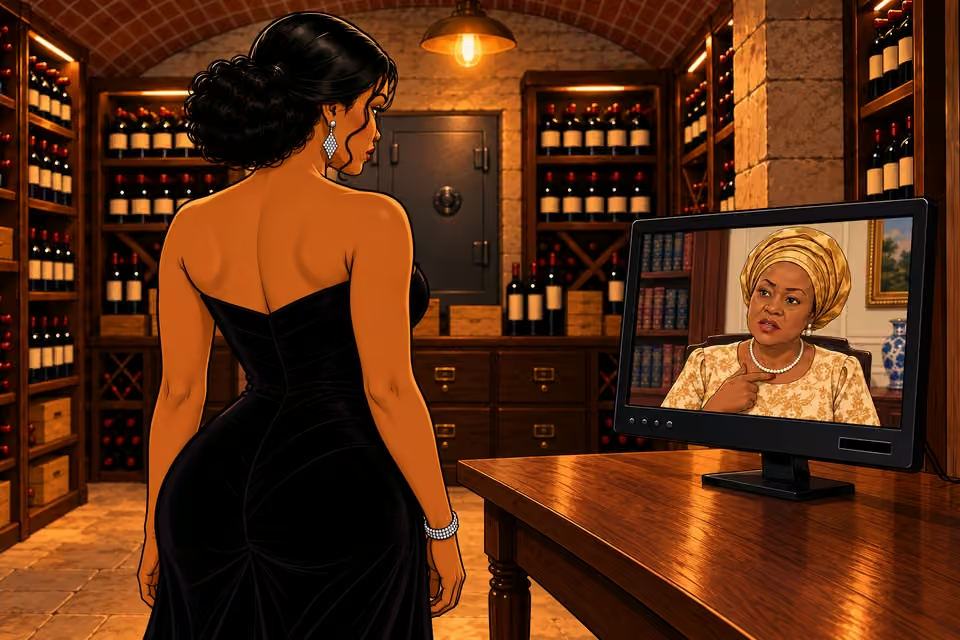
Cartoon illustration: Agnes claims responsibility for making Amaka ruthless.
Agnes claims responsibility for making Amaka ruthless.

Amaka paused the video.

Cartoon illustration: Amaka pauses the video.
Amaka pauses the video.

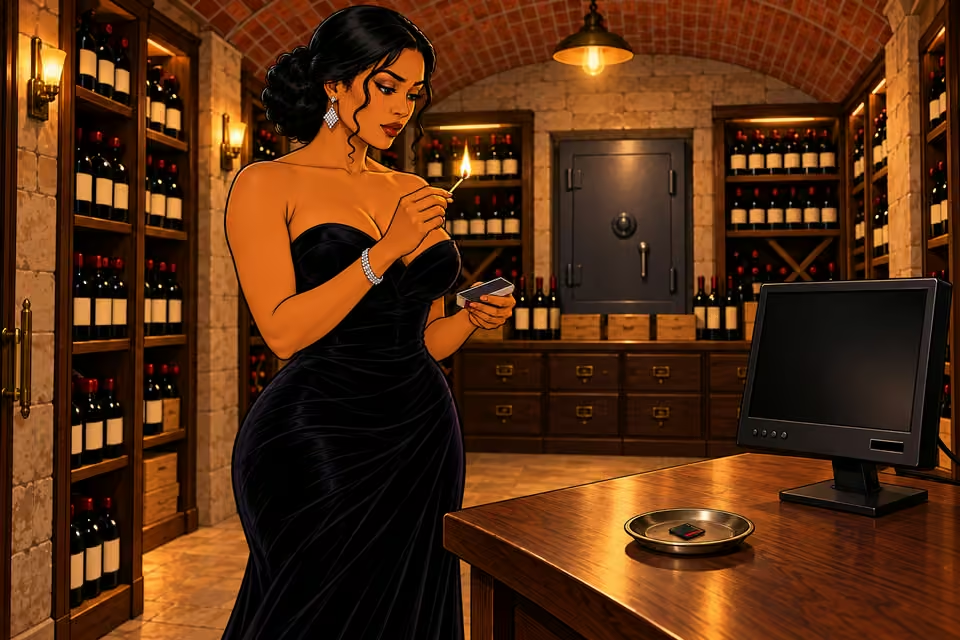
Ejected the card.

Cartoon illustration: Amaka ejects the memory card.
Amaka ejects the memory card.

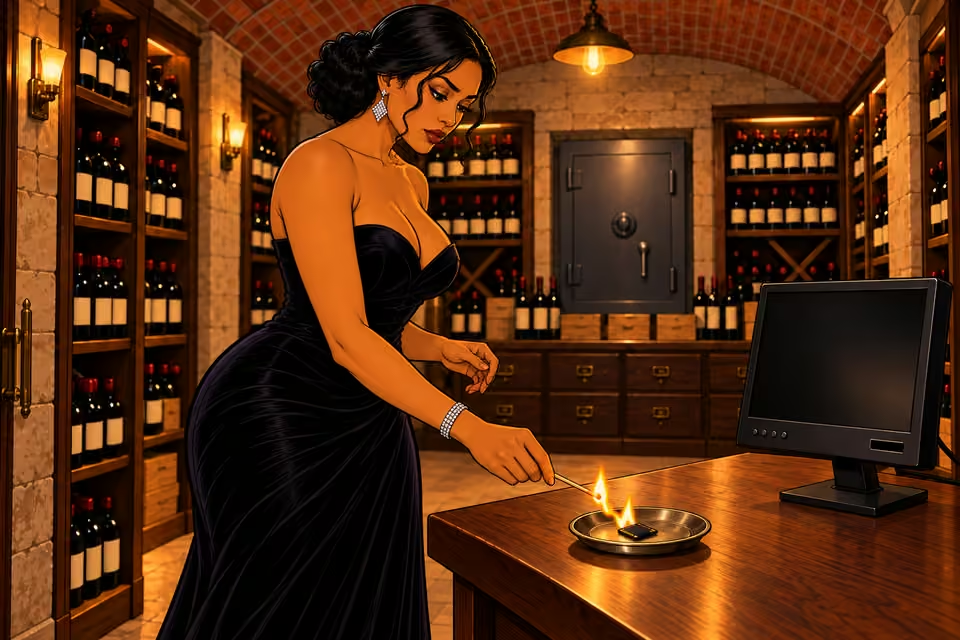
Lit a match.

Cartoon illustration: Amaka strikes a match.
Amaka strikes a match.

And set it on fire.

Cartoon illustration: Amaka sets the memory card on fire.
Amaka sets the memory card on fire.

She whispered, “You didn’t teach me to be merciful. You taught me to survive.”

Cartoon illustration: Amaka says that her mother taught her to survive.
Amaka says that her mother taught her to survive.

The next morning, CityScope Magazine released a cover story: “The New Face of Power: Amaka Okonkwo-Emecheta’s Rise After Ruin”

Cartoon illustration: A magazine cover celebrates Amaka the next morning.
A magazine cover celebrates Amaka the next morning.

It featured photographs from the gala, interviews with former staffers, and excerpts from Amaka’s keynote speech. It praised her poise, her vision, her resilience.
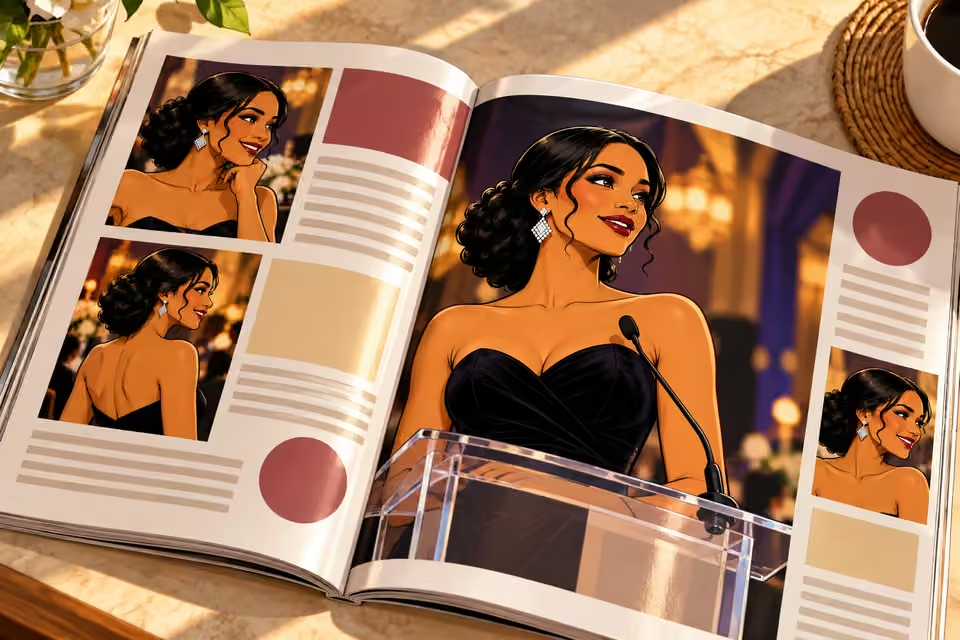
Cartoon illustration: The feature praises Amaka and displays photographs from the gala.
The feature praises Amaka and displays photographs from the gala.

Musa read the article in silence.

Cartoon illustration: Musa reads the magazine feature in silence.
Musa reads the magazine feature in silence.

Then tore it in half.

Cartoon illustration: Musa tears the article in half.
Musa tears the article in half.

At the Ministry, a junior aide placed a sealed brown envelope on the Commissioner’s desk.
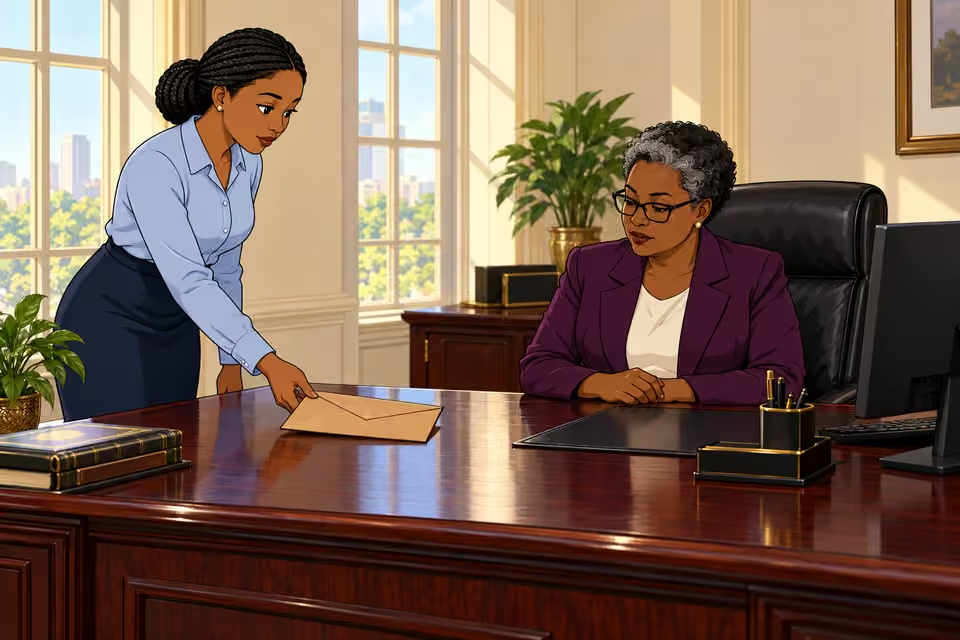
Cartoon illustration: A junior aide places a sealed envelope on the Commissioner’s desk.
A junior aide places a sealed envelope on the Commissioner’s desk.

“There’s something you need to see,” she whispered.
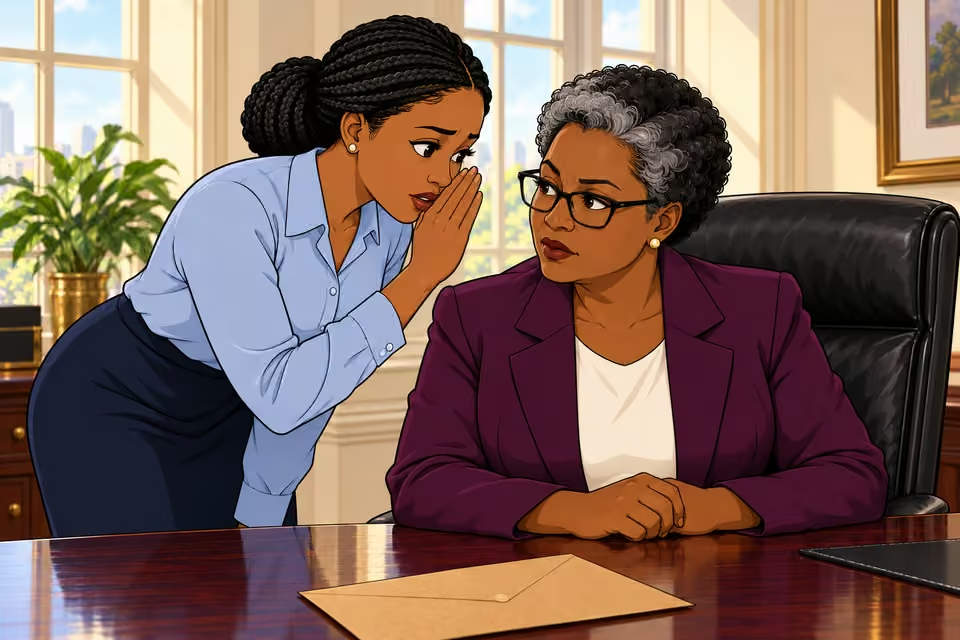
Cartoon illustration: The aide quietly asks the Commissioner to look.
The aide quietly asks the Commissioner to look.

Inside: a handwritten note and a flash drive.
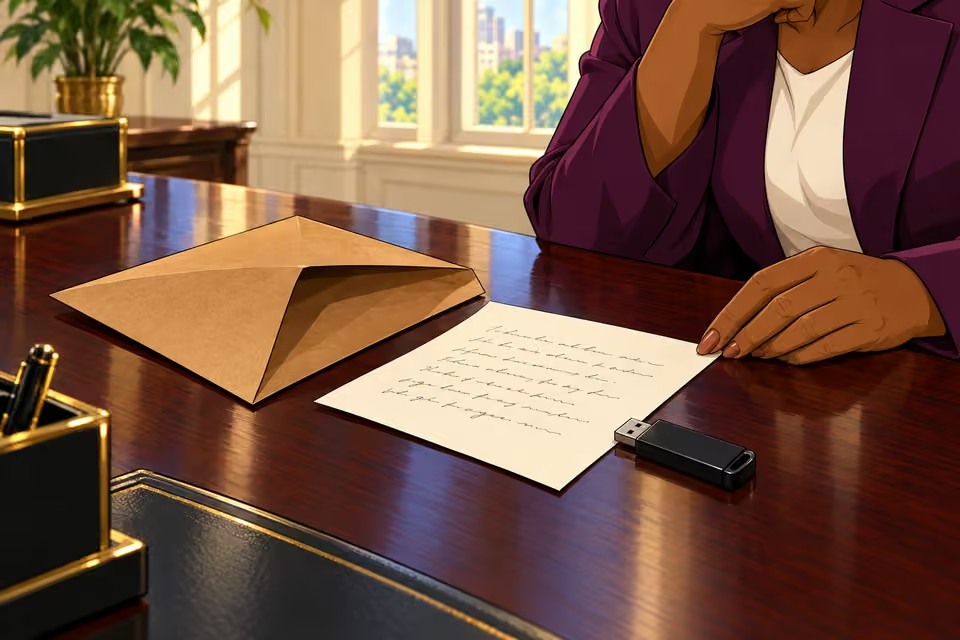
Cartoon illustration: The envelope contains a note and a flash drive.
The envelope contains a note and a flash drive.

The note read:
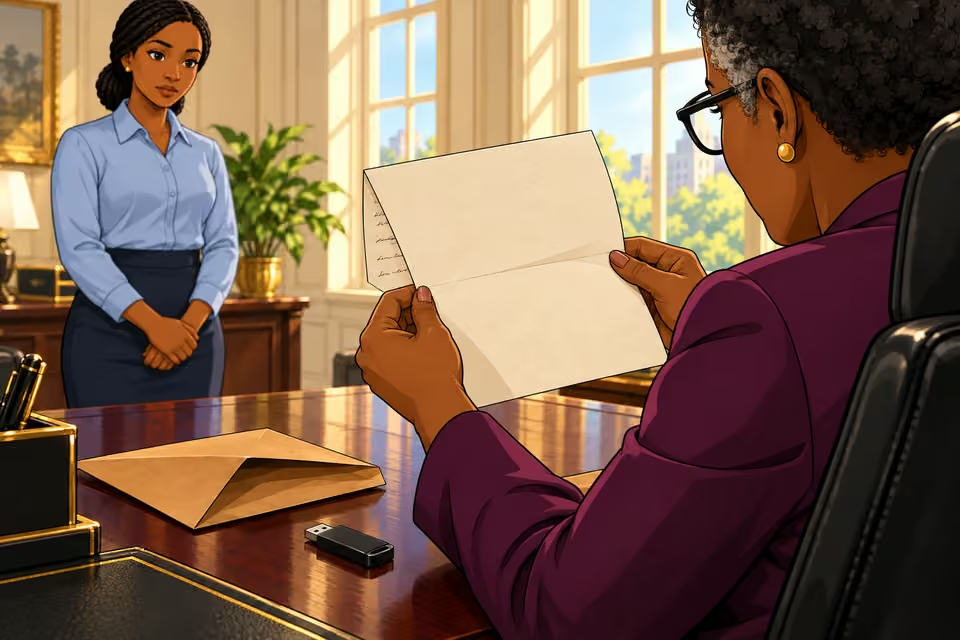
Cartoon illustration: The Commissioner begins reading the handwritten note.
The Commissioner begins reading the handwritten note.

“Don’t believe the face. Believe the pattern.”
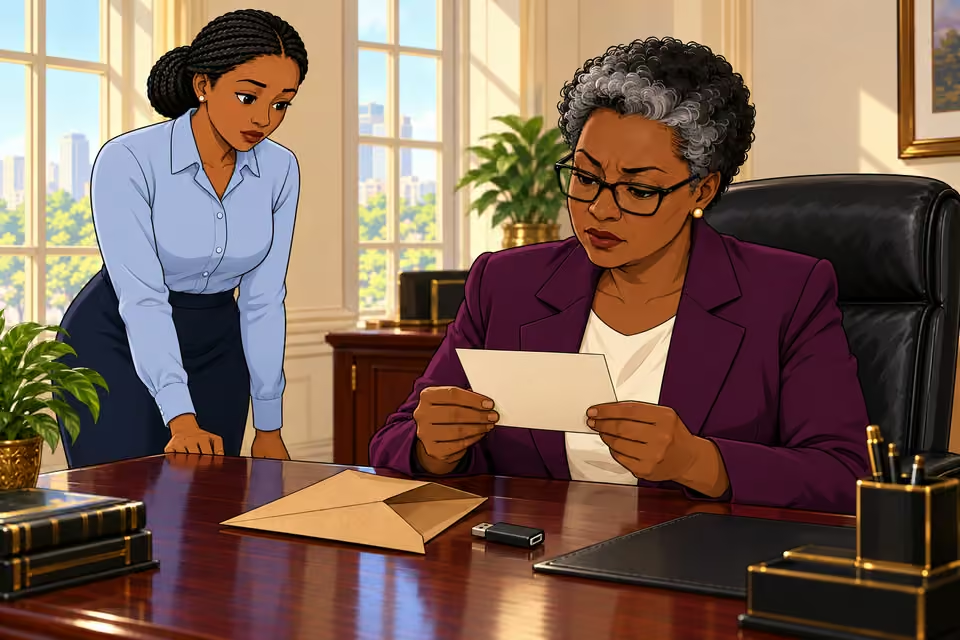
Cartoon illustration: The note urges her to trust the pattern.
The note urges her to trust the pattern.

The drive contained financial transactions linking the foundation to four shell accounts, each barely a week old. The amounts were small, but the pattern was clear.

Cartoon illustration: The flash drive reveals links to four shell accounts.
The flash drive reveals links to four shell accounts.

Money was moving.

Cartoon illustration: The records show money moving between accounts.
The records show money moving between accounts.

And not all of it was going where the brochures claimed.
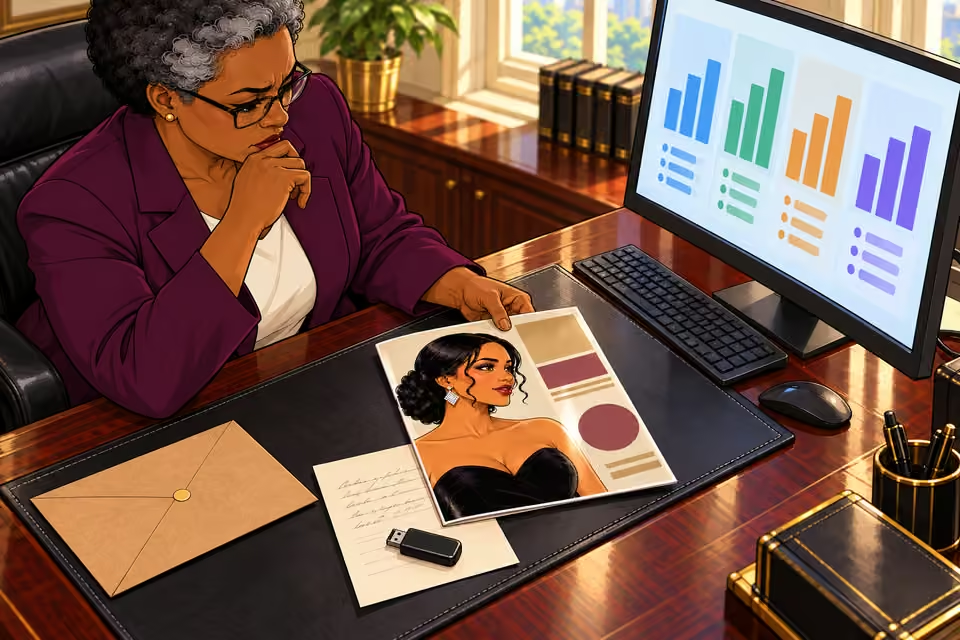
Cartoon illustration: The records conflict with the foundation’s public promises.
The records conflict with the foundation’s public promises.

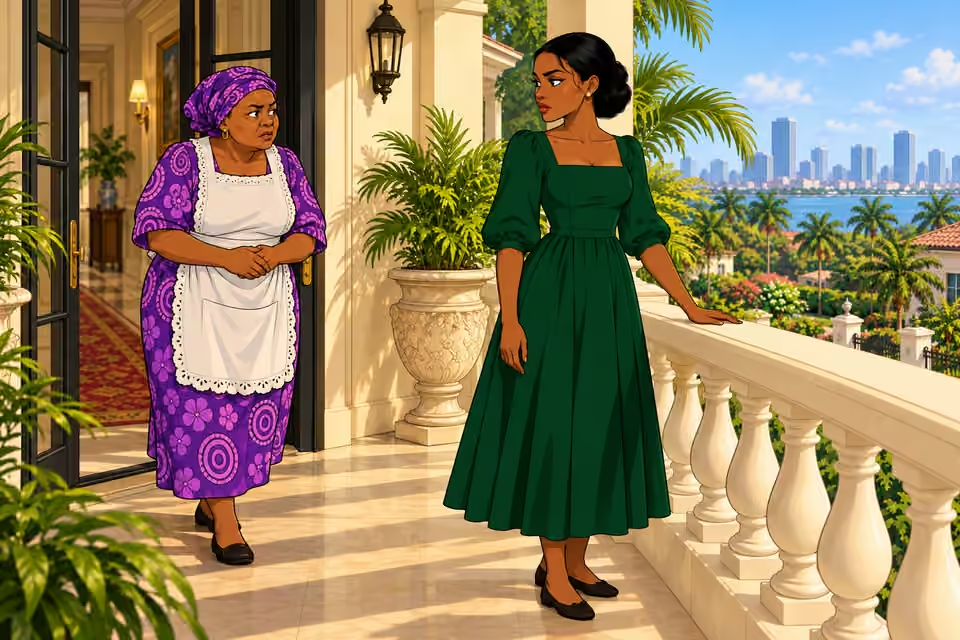
At the estate, Amaka stood on the balcony again.
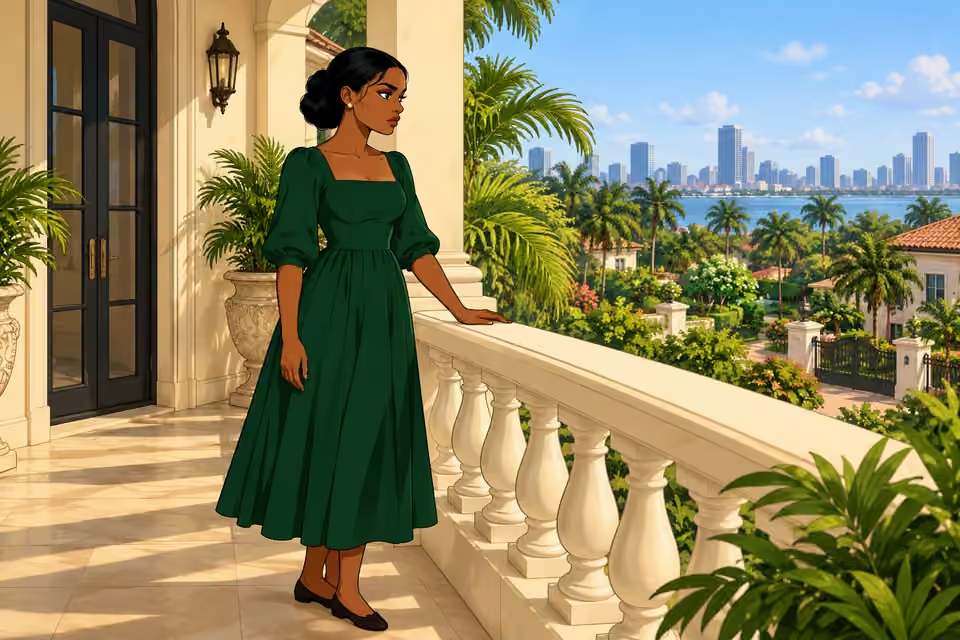
Cartoon illustration: Amaka stands on the estate balcony.
Amaka stands on the estate balcony.

A knock came at the door behind her.
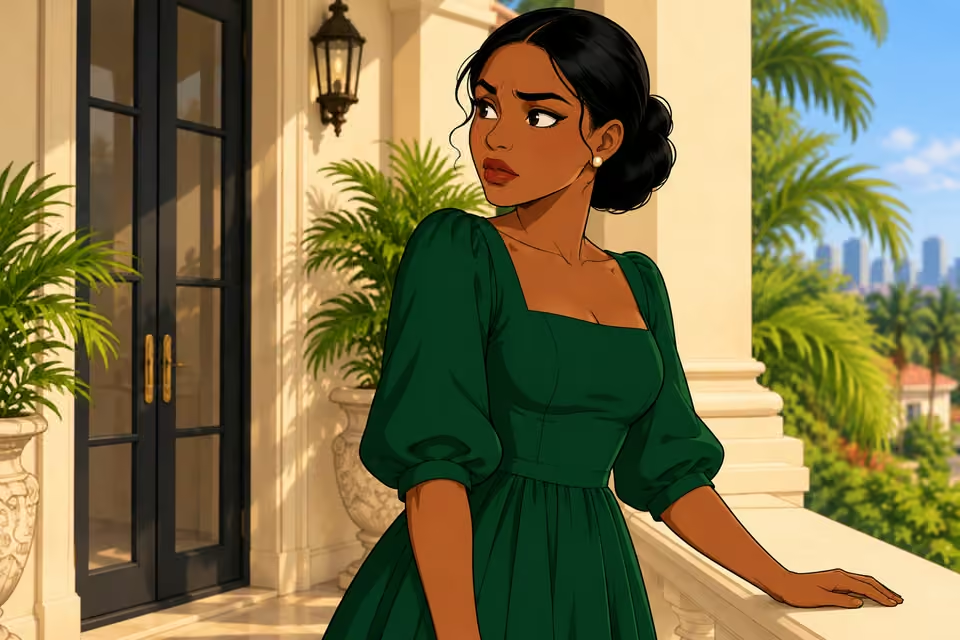
Cartoon illustration: A knock interrupts Amaka on the balcony.
A knock interrupts Amaka on the balcony.

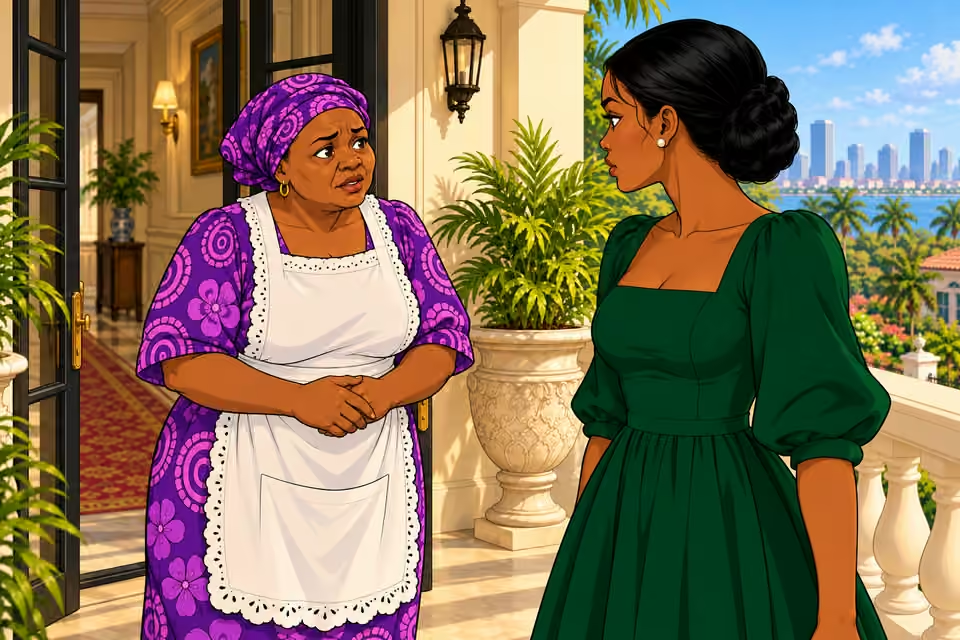
Mama Tutu entered quietly.

Cartoon illustration: Mama Tutu enters quietly.
Mama Tutu enters quietly.

“You have a visitor.”

Cartoon illustration: Mama Tutu announces a visitor.
Mama Tutu announces a visitor.

“Who?”

Cartoon illustration: Amaka asks who the visitor is.
Amaka asks who the visitor is.

“She didn’t give her name. Just said she’s... family.”
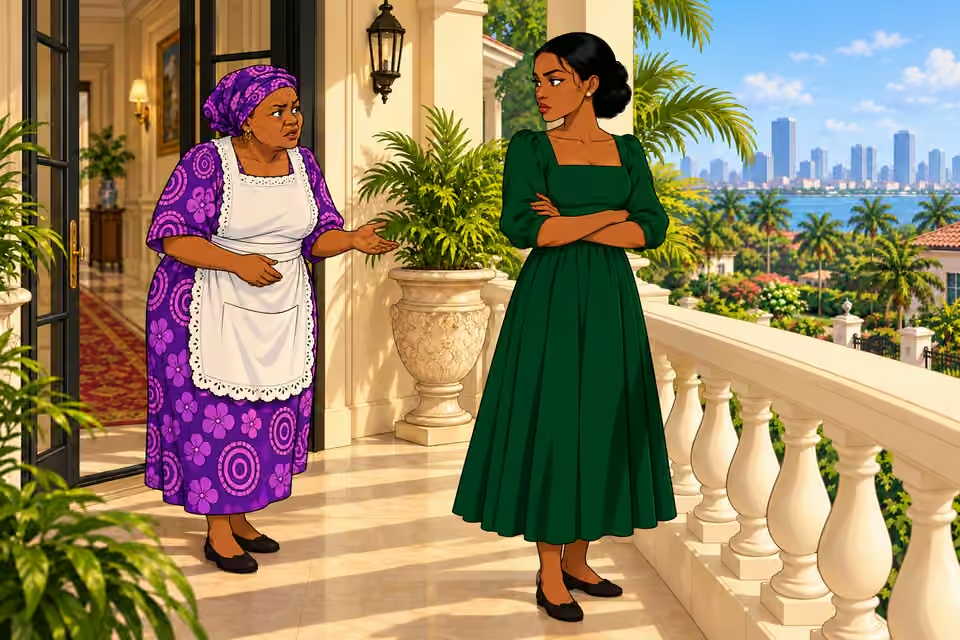
Cartoon illustration: Mama Tutu says the unnamed visitor claims to be family.
Mama Tutu says the unnamed visitor claims to be family.

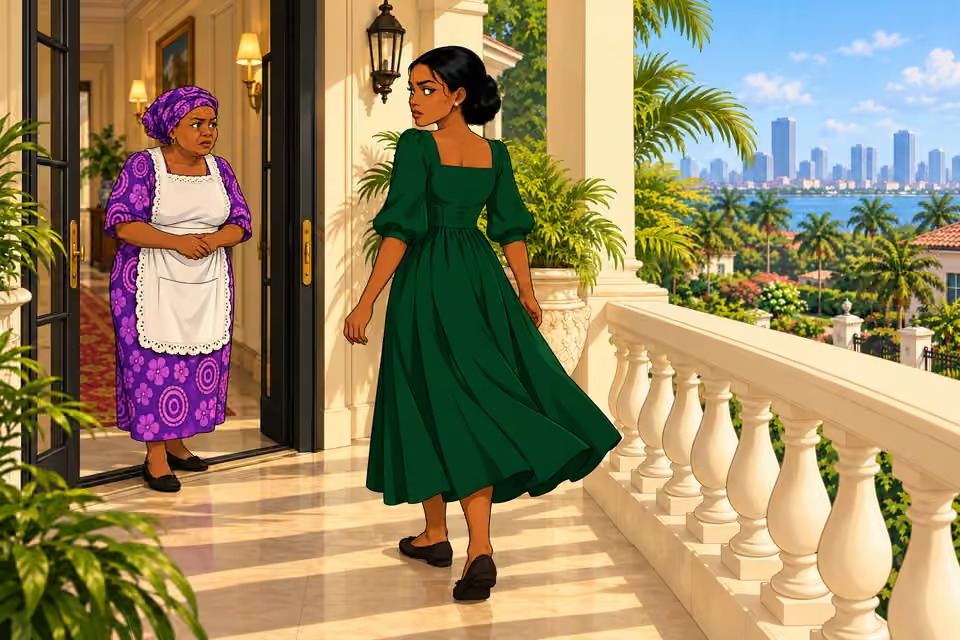
Amaka turned.

Cartoon illustration: Amaka turns toward the interior.
Amaka turns toward the interior.

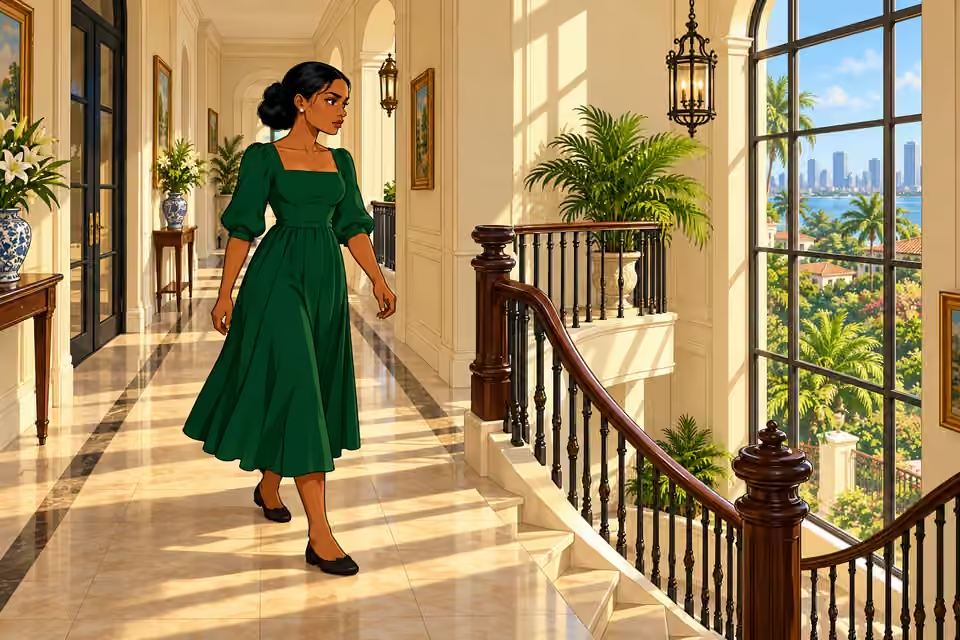
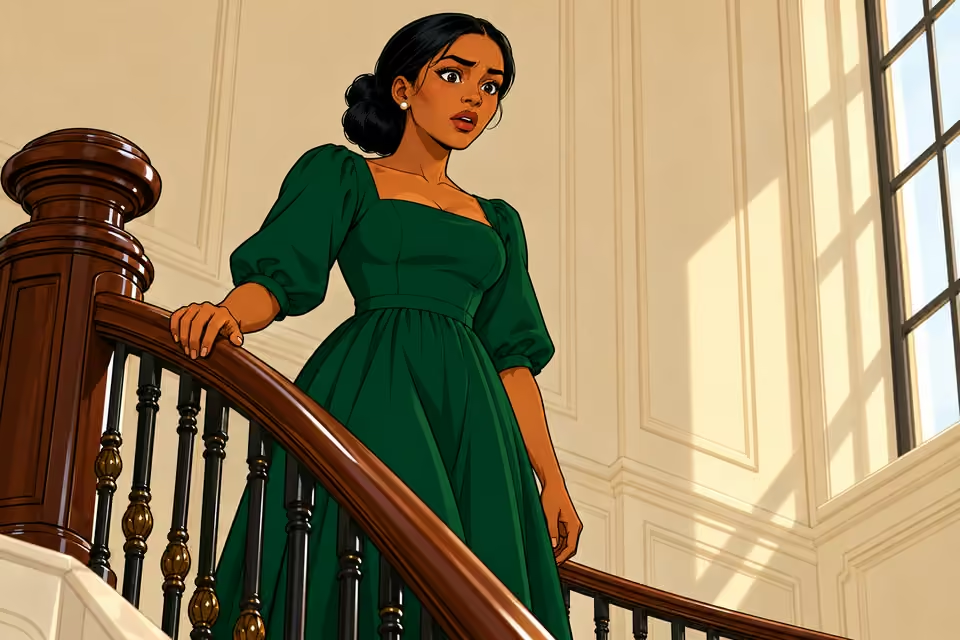
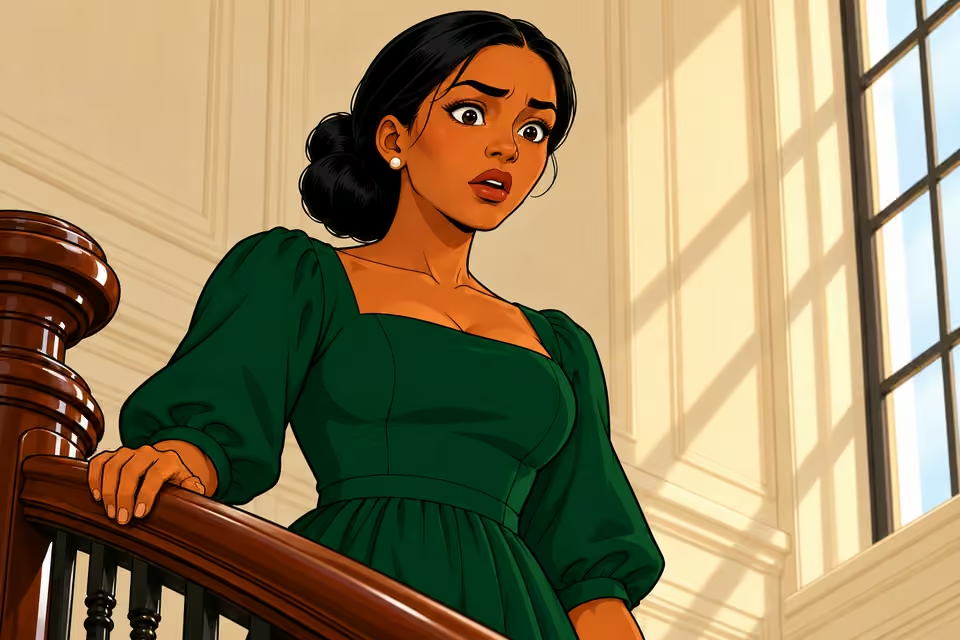
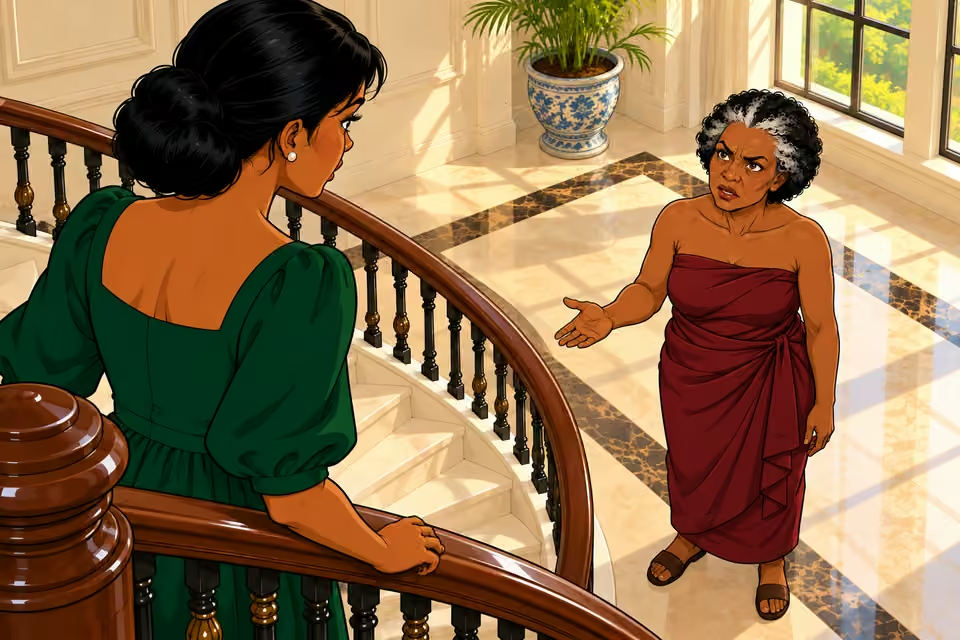
Walked to the stairwell.

Cartoon illustration: Amaka walks to the stairwell.
Amaka walks to the stairwell.

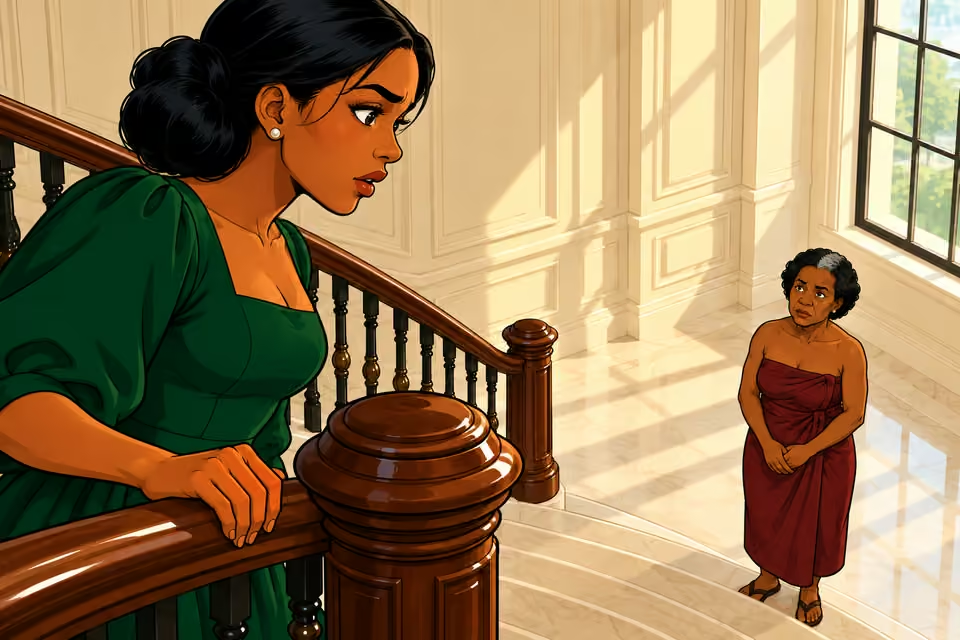
And froze.

Cartoon illustration: Amaka freezes at the stairwell.
Amaka freezes at the stairwell.

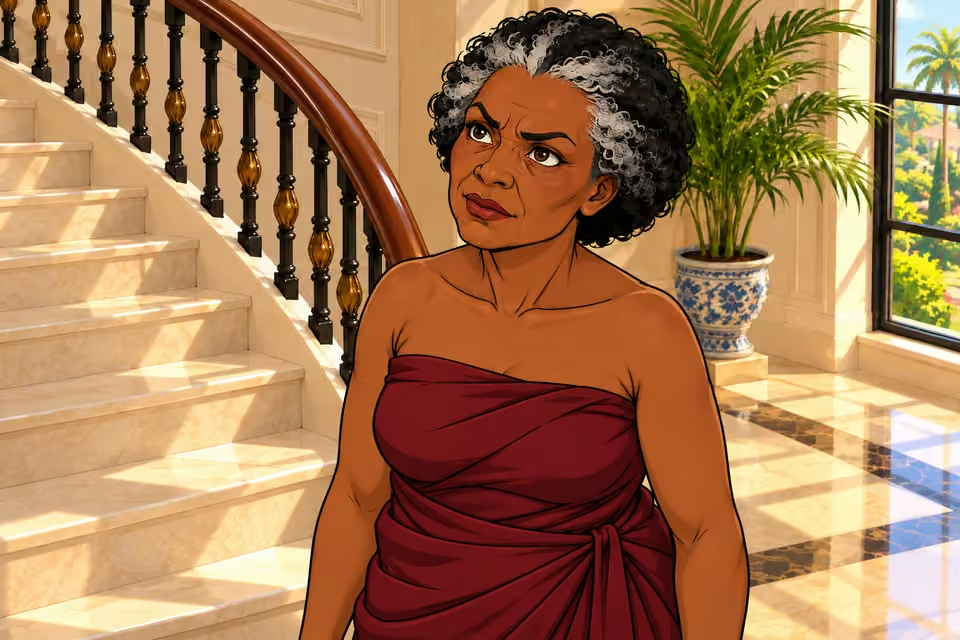
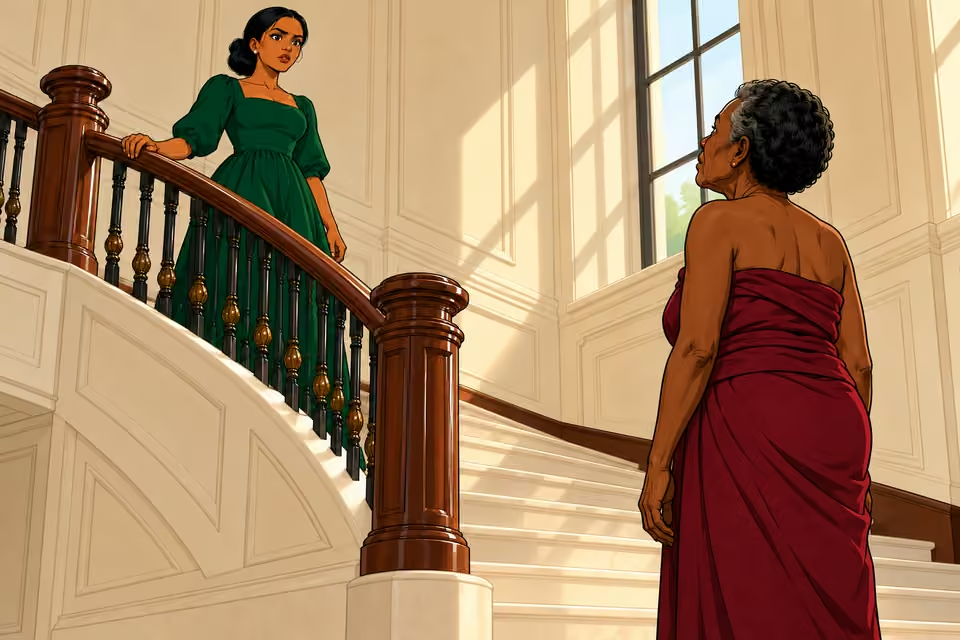
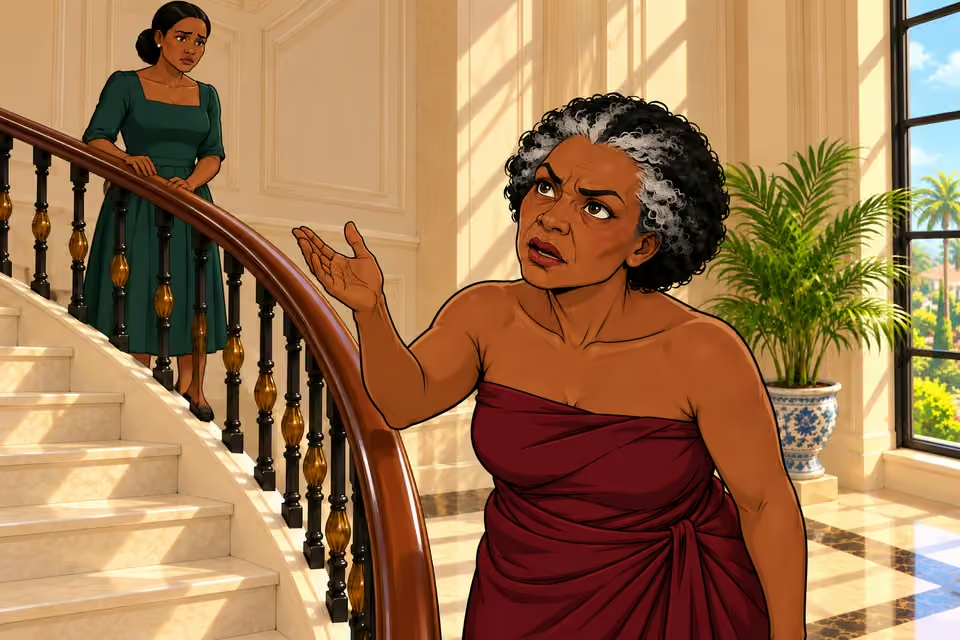
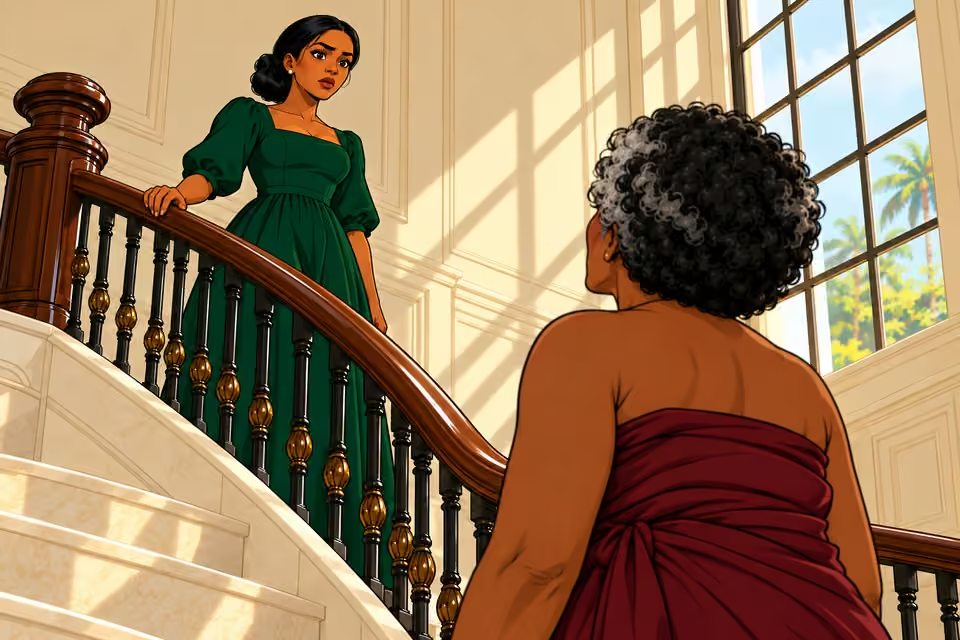
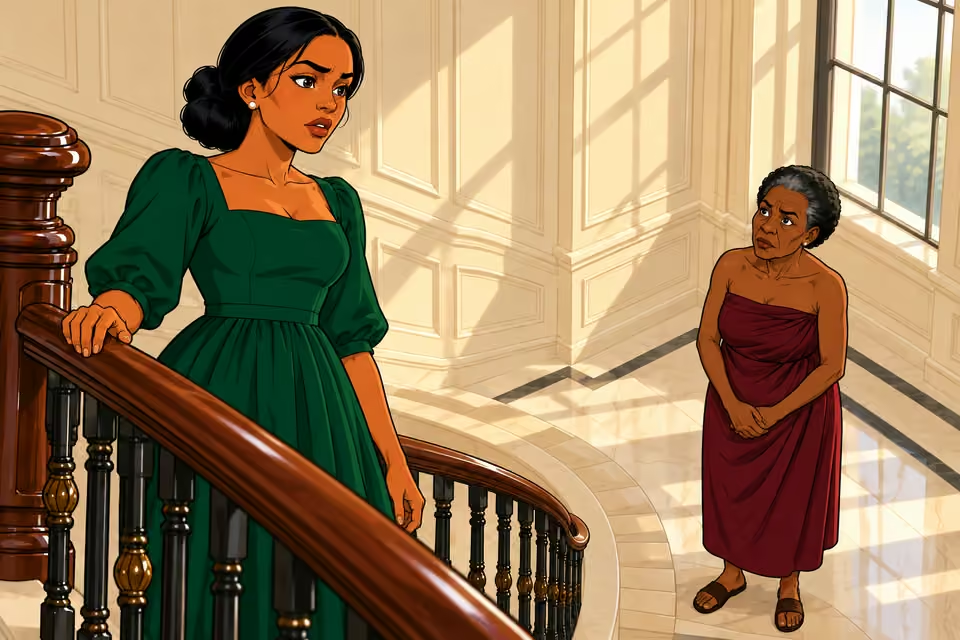
At the bottom of the stairs stood an elderly woman.
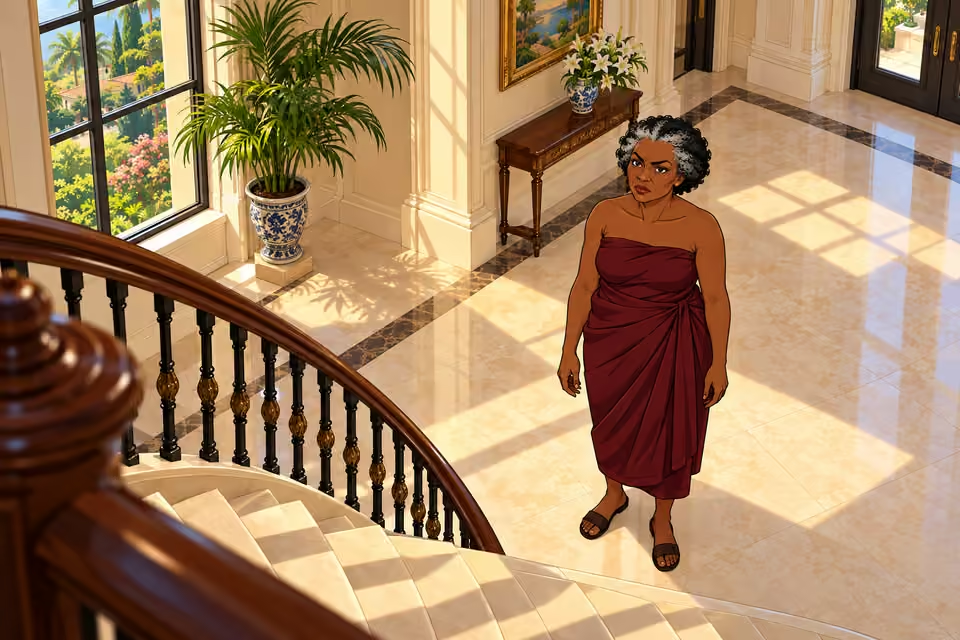
Cartoon illustration: An elderly woman waits at the foot of the stairs.
An elderly woman waits at the foot of the stairs.

Simple wrapper. No makeup. Bare arms. A face Amaka had never seen in person.
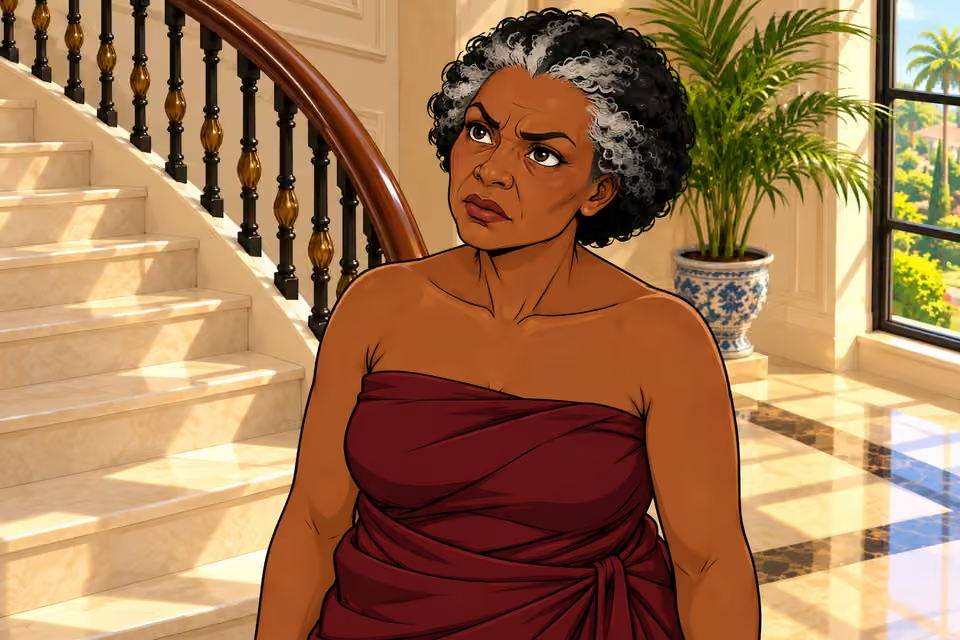
Cartoon illustration: The visitor wears a simple wrapper and no makeup.
The visitor wears a simple wrapper and no makeup.

But recognized instantly.

Cartoon illustration: Amaka recognizes the elderly visitor immediately.
Amaka recognizes the elderly visitor immediately.

“Oluchi Nwankwo,” she whispered.

Cartoon illustration: Amaka whispers Oluchi Nwankwo’s name.
Amaka whispers Oluchi Nwankwo’s name.

The woman nodded.

Cartoon illustration: Oluchi acknowledges her name with a nod.
Oluchi acknowledges her name with a nod.

“I heard what you did to her.”

Cartoon illustration: Oluchi says she has heard what Amaka did.
Oluchi says she has heard what Amaka did.

“I did what I had to,” Amaka said.

Cartoon illustration: Amaka says she did what she had to do.
Amaka says she did what she had to do.

“She raised you.”

Cartoon illustration: Oluchi reminds Amaka who raised her.
Oluchi reminds Amaka who raised her.

“She claimed me. Not the same thing.”
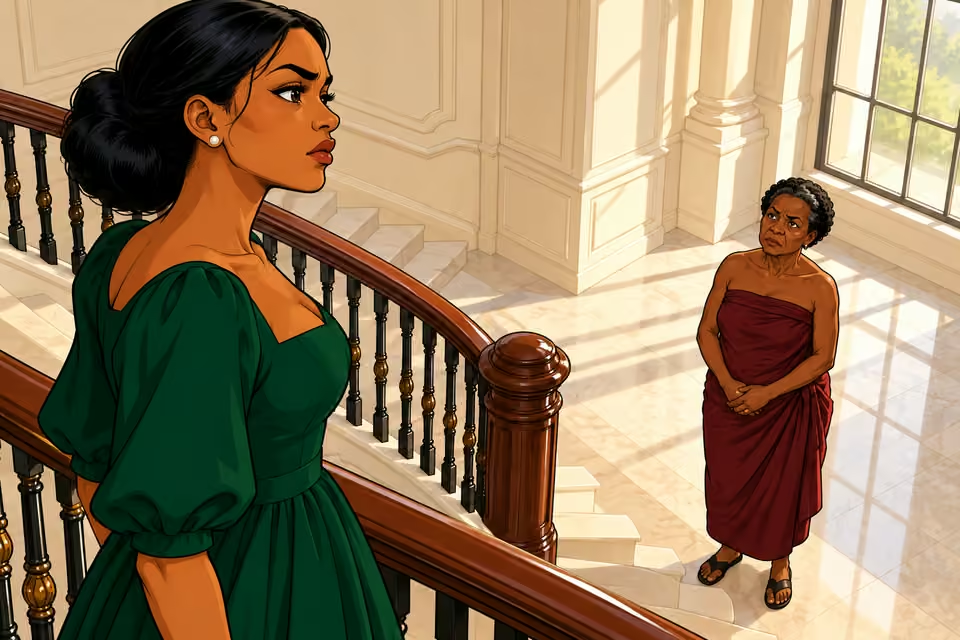
Cartoon illustration: Amaka distinguishes being claimed from being raised.
Amaka distinguishes being claimed from being raised.

Oluchi stepped forward, slowly. “You can run from blood, Amaka. But you can’t outrun origin. One day, it catches up.”
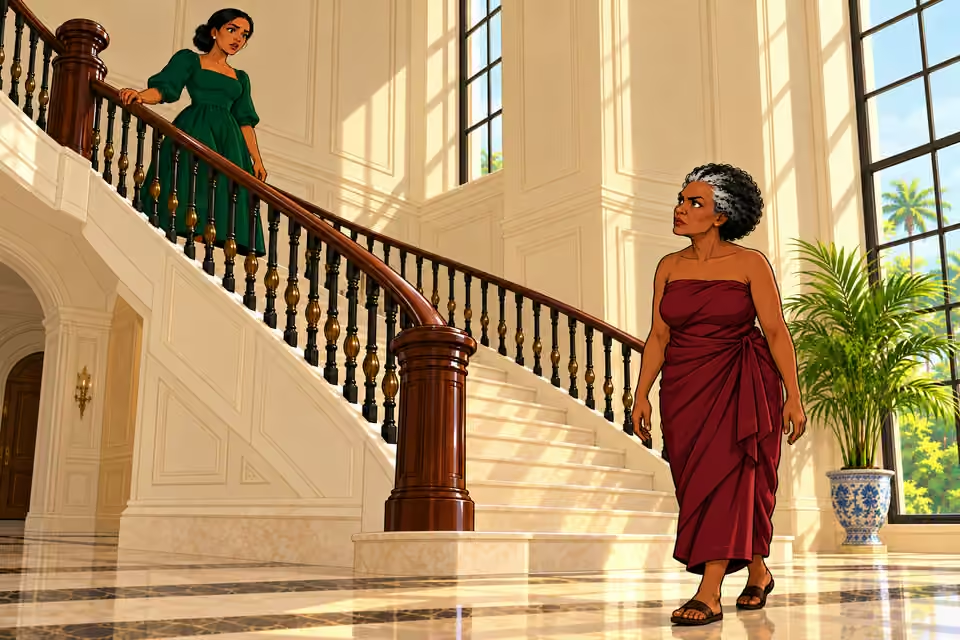
Cartoon illustration: Oluchi steps forward and warns that origin catches up.
Oluchi steps forward and warns that origin catches up.

Amaka looked at her for a long time.

Cartoon illustration: Amaka studies Oluchi in silence.
Amaka studies Oluchi in silence.

Then said quietly, “Let it try.”

Cartoon illustration: Amaka quietly challenges the warning.
Amaka quietly challenges the warning.
There’s more to the story.
Read the original blog post ↗