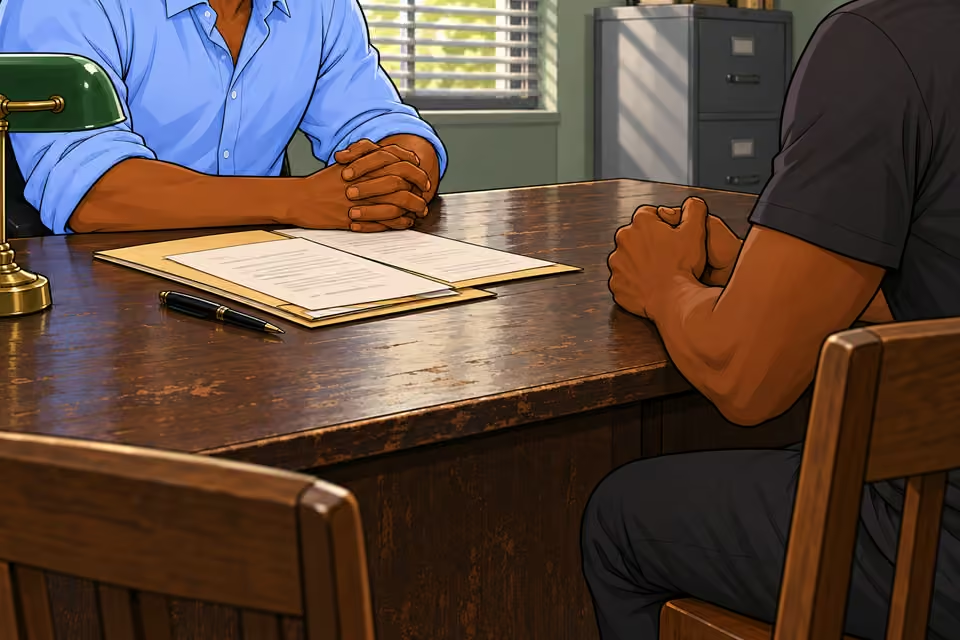
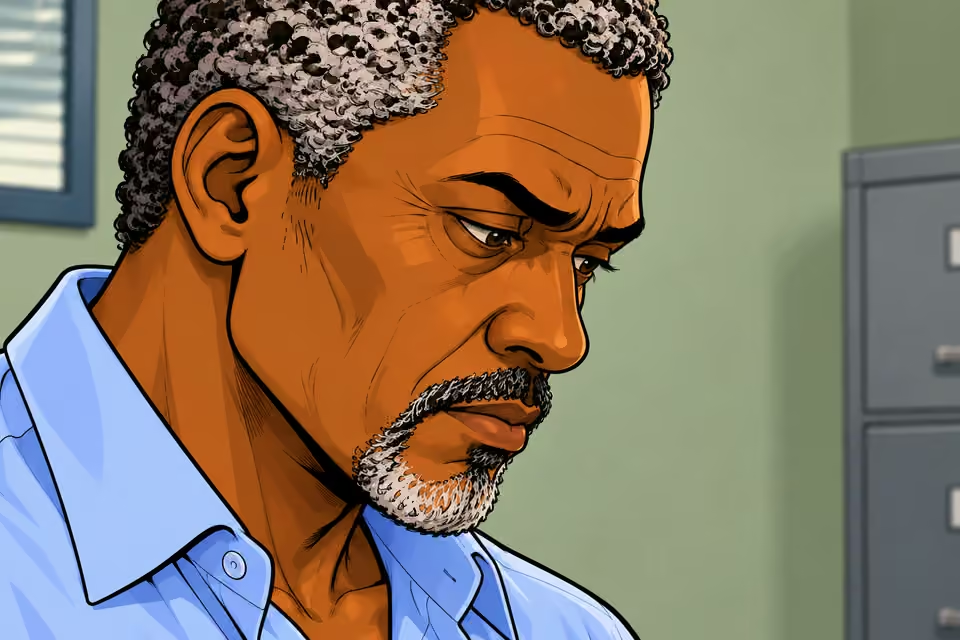
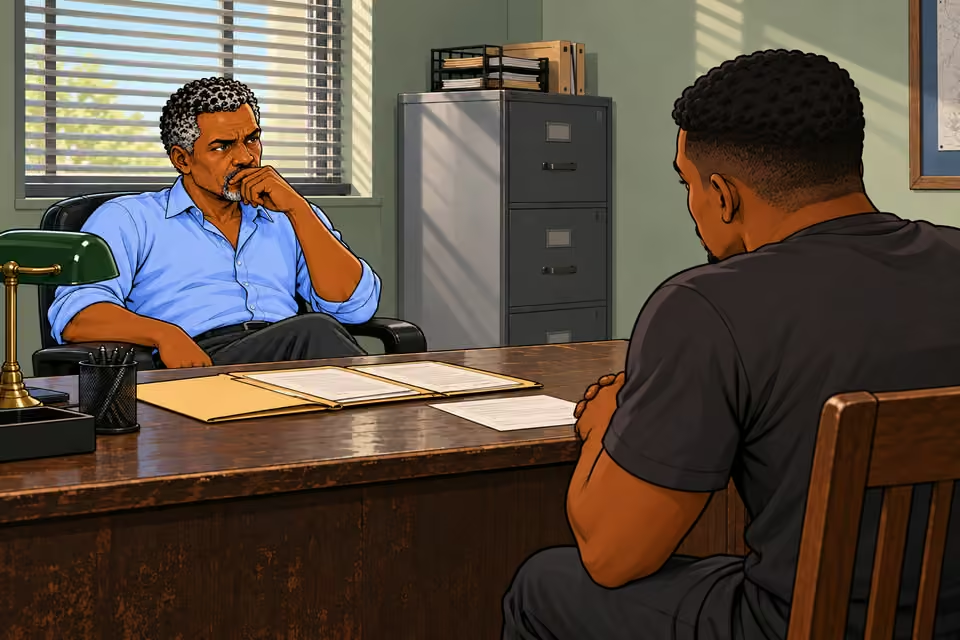
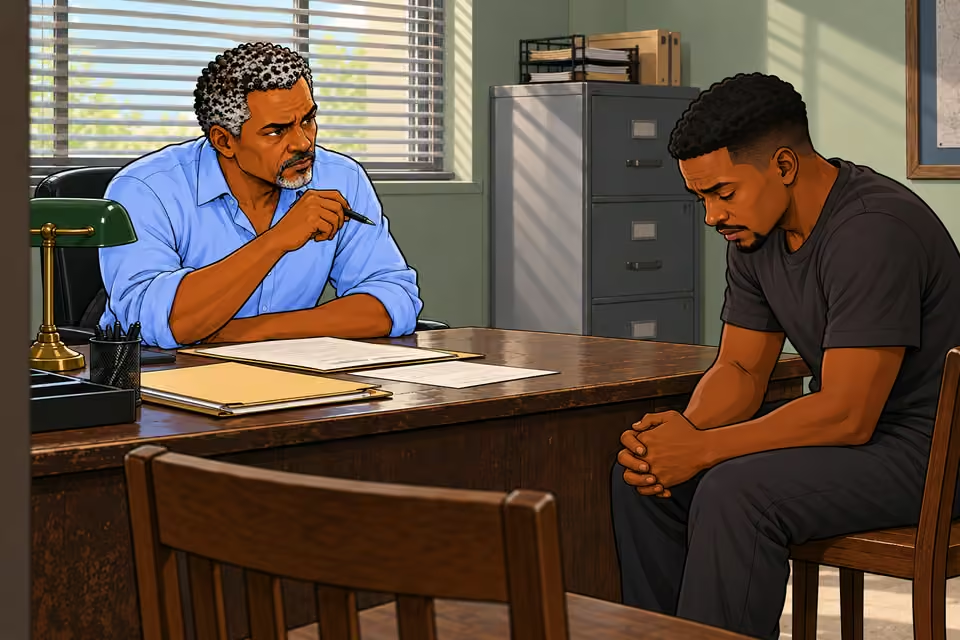
The city was waking up, but the Emecheta estate remained cloaked in silence.
01Silence behind the gates✳
Chuka hadn’t slept. He paced the living room like a man rehearsing a confession—or a confrontation. The walls felt tighter now. The photographs heavier. The woman upstairs increasingly unfamiliar.
02A sleepless confrontation✳
He looked at the portrait of Agnes by the staircase. The one she’d had commissioned after being named “Businesswoman of the Year” in CityScope Magazine.
03A familiar portrait becomes unsettling.✳
He’d once believed her smile was genuine.
04The smile he once trusted feels different now.✳
Now he wasn’t so sure.
05Her familiar smile no longer reassures him.✳
Upstairs, Amaka wrapped a silk scarf around her hair and studied herself in the mirror. Again.
06Amaka wraps a silk scarf around her hair and studies her reflection.✳
Every day she checked for cracks. But none had appeared.
07Amaka checks her composed reflection for signs of strain.✳
The call came just before 8 a.m.
08A call arrives just before eight in the morning.✳
A familiar voice.
09Amaka recognizes the voice on the line.✳
Musa.
10Amaka recognizes Musa as the caller.✳
“Moses is alive. He’s safe. He’s talking.”
11Amaka hears that Moses is alive and safe.✳
Amaka said nothing.
12Amaka responds with silence.✳
“You tried to end this quietly, but I’m still here. Still watching. Still listening.”
13Amaka listens to Musa say he is still watching.✳
She stared at her reflection.
14Amaka studies her reflection during Musa's warning.✳
“You’re good, Amaka. But you’re not untouchable.”
15Musa warns Amaka that she is not untouchable.✳
Then a click. Line dead.
16The call ends abruptly.✳
She placed the phone down slowly.
17Amaka sets the phone down slowly.✳
Her heart did not race.
18Amaka remains outwardly calm after the call.✳
Uju was at the airport.
19Uju reaches the airport.✳
Backpack. Sunglasses. No makeup. No forwarding address.
20Uju travels with a backpack and sunglasses.✳
She stared out the terminal windows as planes sliced through the sky.
21Uju watches planes through the terminal windows.✳
Her phone buzzed. One new message.
22A new message interrupts Uju at the airport.✳
Amaka:
23Uju recognizes the sender of the message.✳
“No matter where you go, you’ll always know. And that’s enough.”
24Amaka's message unsettles Uju before departure.✳
Uju deleted the message.
25Uju deletes Amaka’s message at the airport.✳
Boarded her flight.
26Uju boards her flight out of Lagos.✳
And cried the moment the wheels left the ground.
27Uju cries as the aircraft leaves the ground.✳
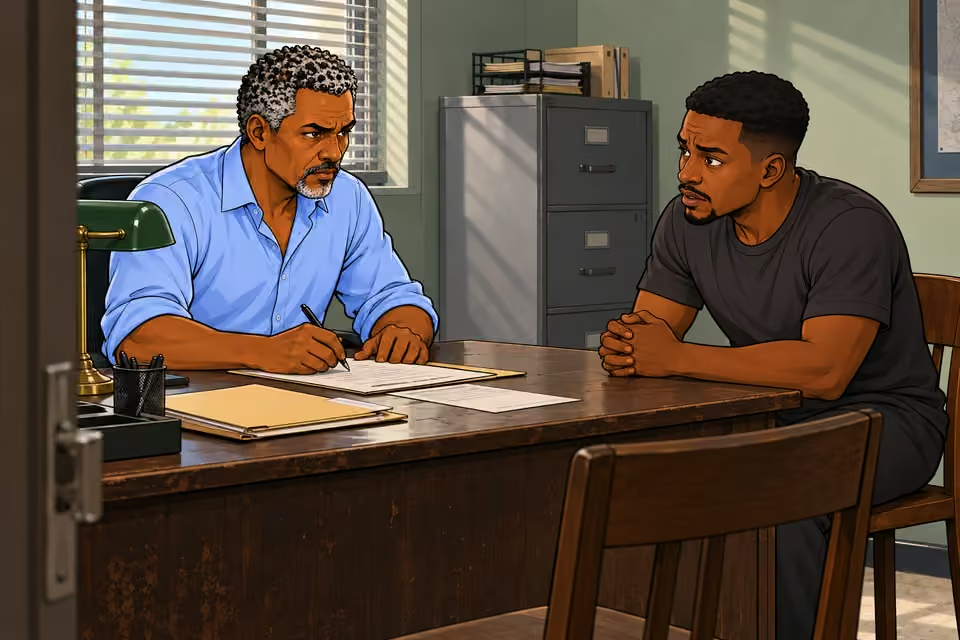
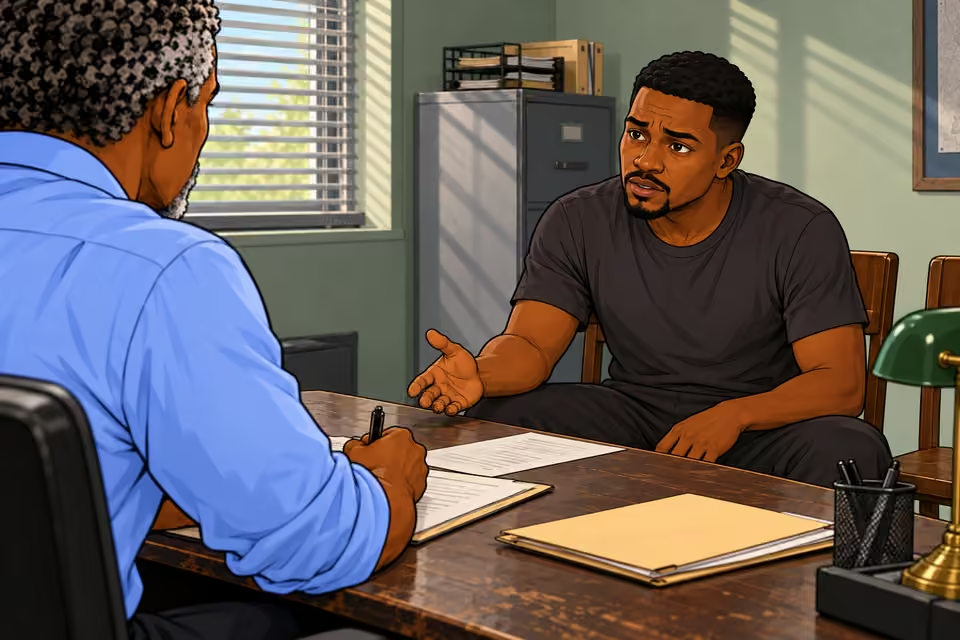
At the station, Musa took Moses’s official statement.
28At the station, Musa records Moses’s official statement.✳
It was clean. Consistent. Detailed.
29Moses gives a clear, consistent account.✳
It was also useless—on its own.
30Musa recognizes that the statement alone cannot prove the case.✳
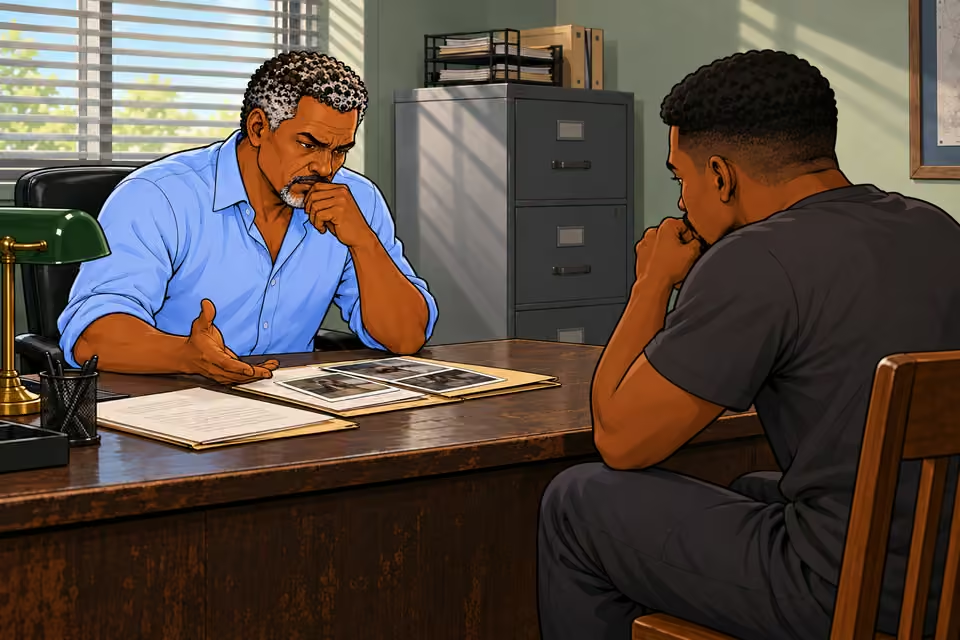
He had motive, opportunity, even a confession of being used.
31Moses acknowledges how he was used.✳
But no hard evidence tying Amaka to the actual act of poisoning.
32Musa finds no hard evidence connecting Amaka to the poisoning.✳
No vial. No video. No voice recording.
33The file contains none of the missing physical evidence.✳
She hadn’t needed to do it with her own hands.
34Musa sees that Amaka needed no direct hand in the act.✳
She had done something far more dangerous:
35Musa considers the more dangerous nature of the manipulation.✳
She had orchestrated belief.
36Musa understands how Moses’s trust was manipulated.✳
Back at the estate, Amaka found Chuka waiting for her in the sunroom.
37Amaka finds Chuka waiting in the sunroom.✳
“I made tea,” he said. “Figured we might actually need it this time.”
38Chuka tells Amaka that he has made tea.✳
She sat without responding.
39Amaka sits without answering.✳
He poured into two cups. Steady hands.
40Chuka pours tea with steady hands.✳
“You look like her more every day.”
41Chuka says Amaka resembles her mother more each day.✳
Amaka blinked. “You say that like it’s a curse.”
42Amaka asks why the resemblance sounds like a curse.✳
“It is. For me.”
43Chuka admits the resemblance is a curse for him.✳
A silence settled.
44An uneasy silence settles between them.✳
He leaned forward.
45Chuka leans forward to confront Amaka.✳
“Did you kill her?”
46Chuka asks Amaka whether she killed her mother.✳
Amaka tilted her head. “Why ask if you’ve already made up your mind?”
47Amaka answers the accusation with a question.✳
“Because I need to hear it. From you.”
48Chuka says he needs to hear the truth from her.✳
“I didn’t pour the poison,” she said.
49Amaka says that she did not pour the poison.✳
“But you made it happen?”
50Chuka asks whether she caused the murder.✳
“I ended a war that started before I could speak.”
51Amaka claims that she ended a lifelong war.✳
“She gave you everything.”
52Chuka insists that Agnes gave Amaka everything.✳
“No,” Amaka replied, voice low. “She gave me nothing but chains dressed as diamonds.”
53Amaka rejects his account of her mother’s generosity.✳
Chuka stared at her for a long moment.
54Chuka stares at Amaka in silence.✳
“I want out.”
55Chuka tells Amaka that he wants out.✳
She didn’t blink. “Then go.”
56Amaka calmly tells Chuka to go.✳
“You’re not going to fight?”
57Chuka asks why she will not fight for him.✳
“I don’t fight people who’ve already surrendered.”
58Amaka dismisses Chuka’s surrender.✳
He stood, took the untouched tea, and poured both cups down the sink.
59Chuka pours both untouched cups of tea down the sink.✳
When he left, she didn’t follow.
60Chuka leaves, and Amaka does not follow.✳
She simply exhaled.
61Amaka lets out a slow breath after Chuka leaves.✳
And whispered, “One less loose thread.”
62Amaka whispers that one loose end is gone.✳
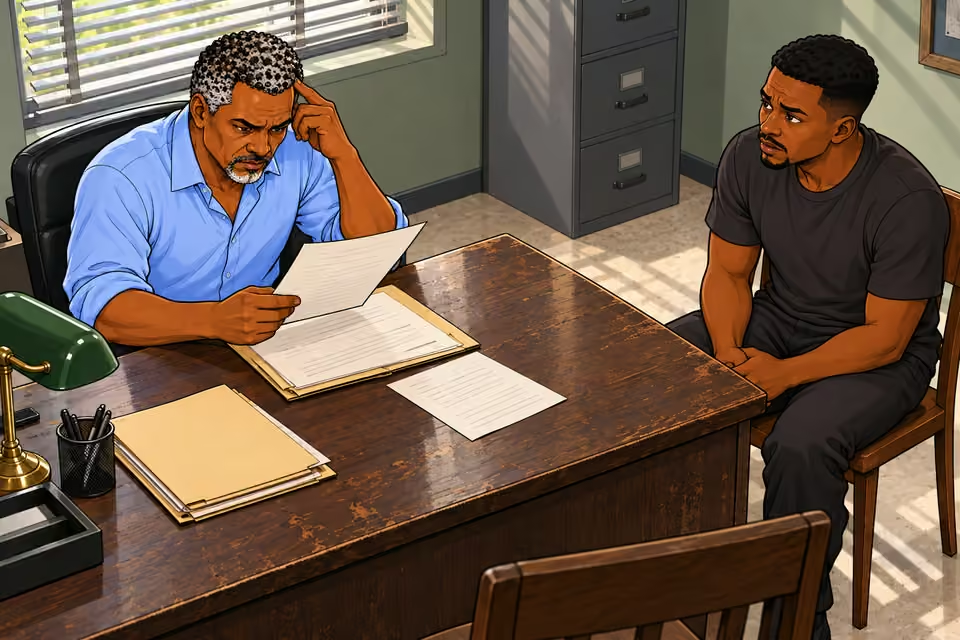
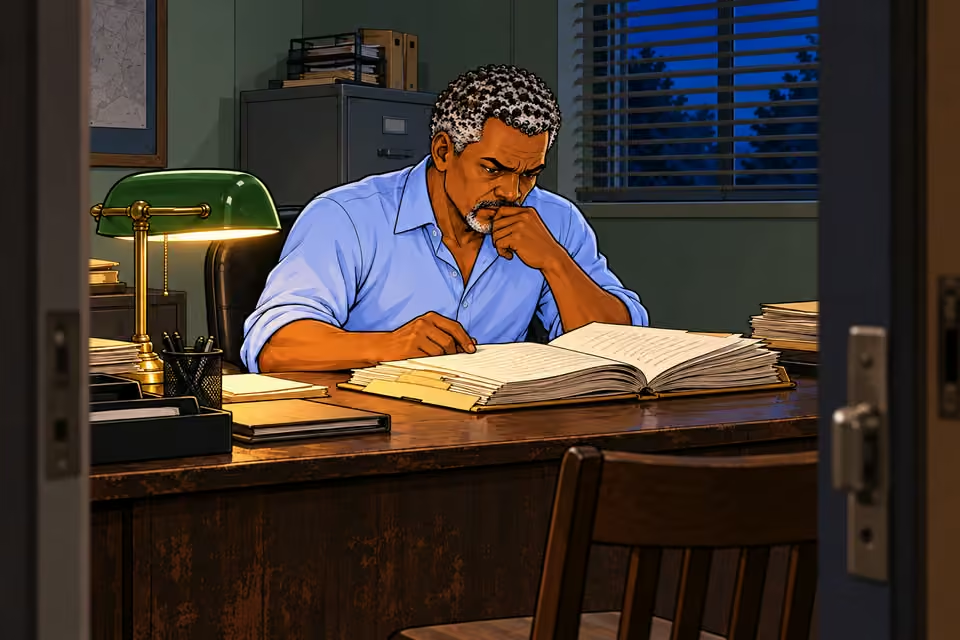
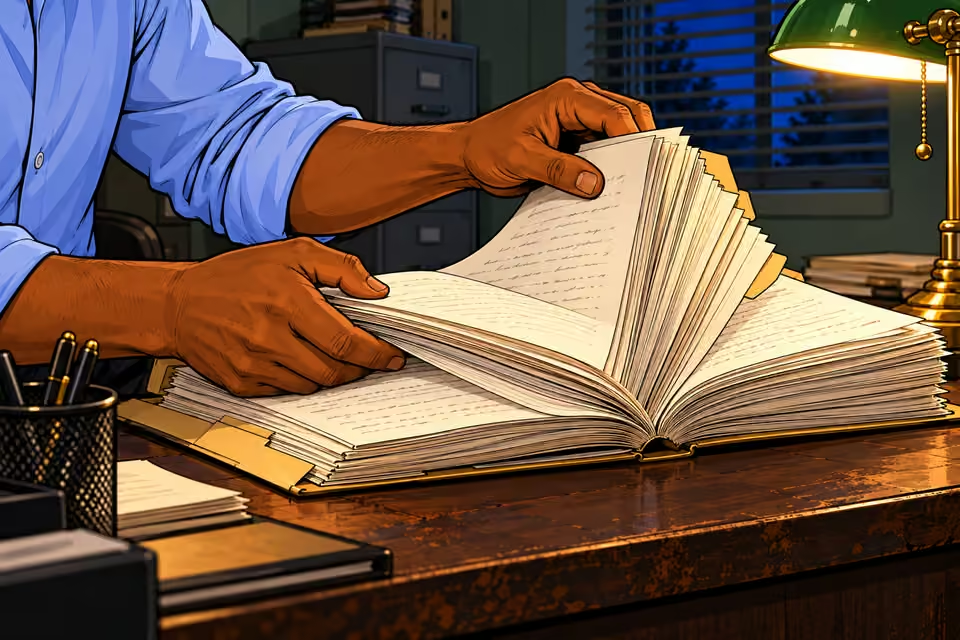
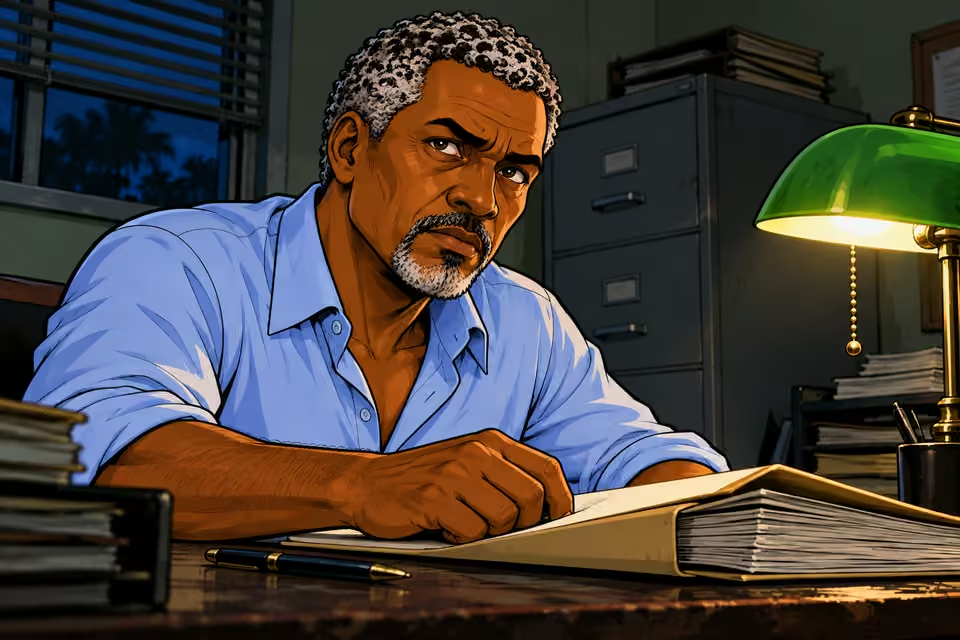
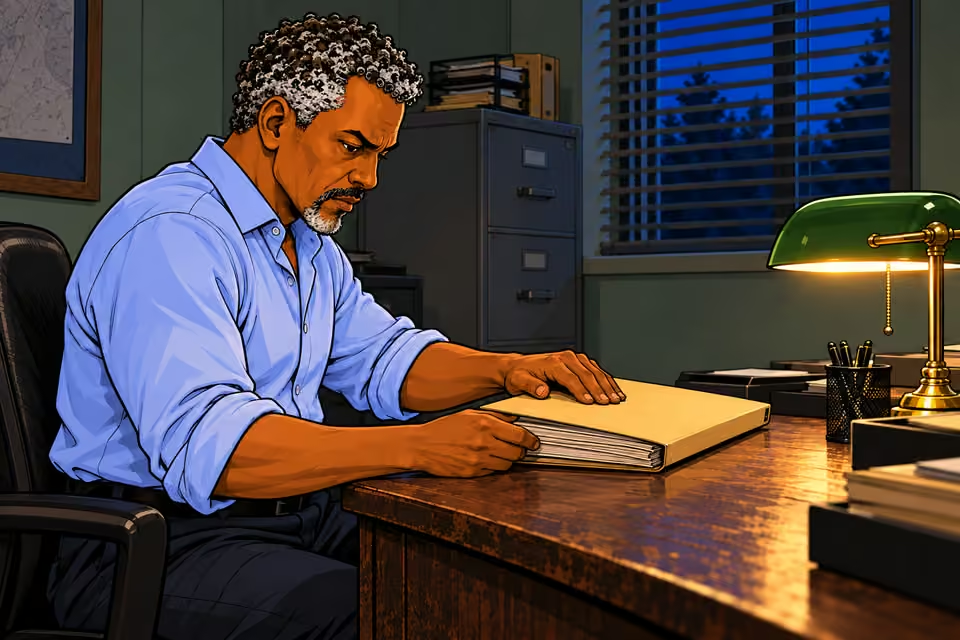
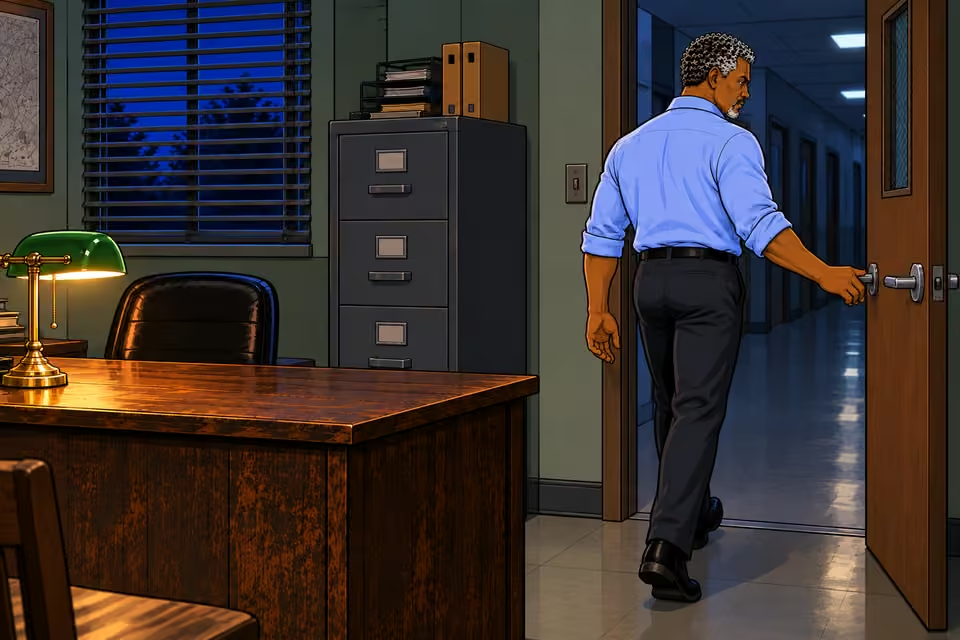
Musa reviewed the entire case file that night.
63That night, Musa reviews the entire case file.✳
All 198 pages.
64The case file fills a thick stack of pages.✳
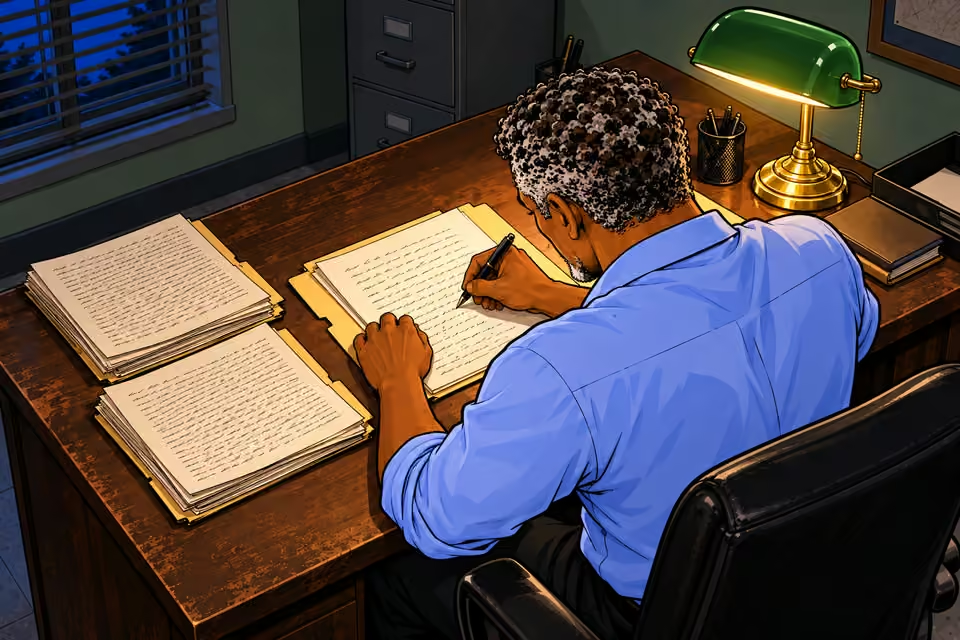
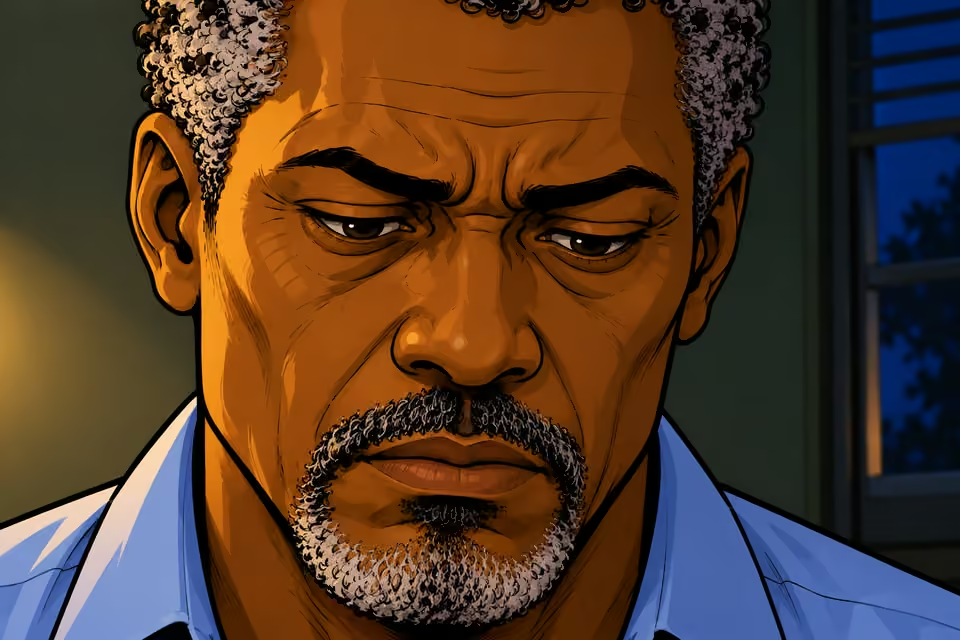
He rewrote his summary three times.
65Musa rewrites his case summary for a third time.✳
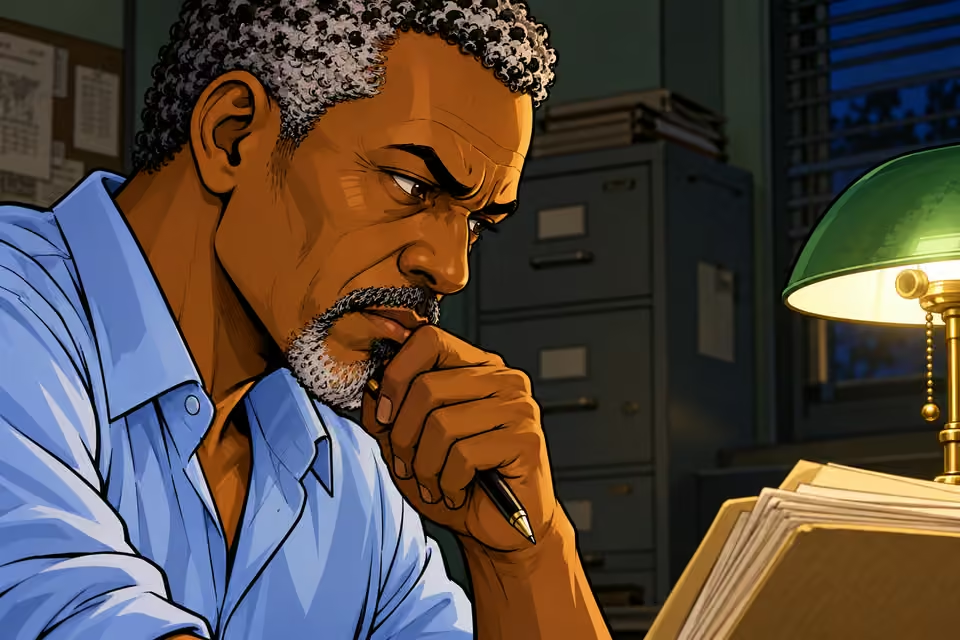
At the center of it all was a woman with no blood on her hands, but fingerprints on every detail.
66Musa reflects on Amaka’s influence over every detail.✳
A daughter who mourned on schedule.
67Musa considers how carefully Amaka controlled her mourning.✳
A killer who never needed to touch the knife.
68Musa recognizes that the killer needed no direct weapon.✳
He closed the file.
69Musa closes the case file.✳
Wrote a single word on the last page:
70Musa adds one final word to the last page.✳
“Untouchable.”
71The final note captures Musa’s bleak conclusion.✳
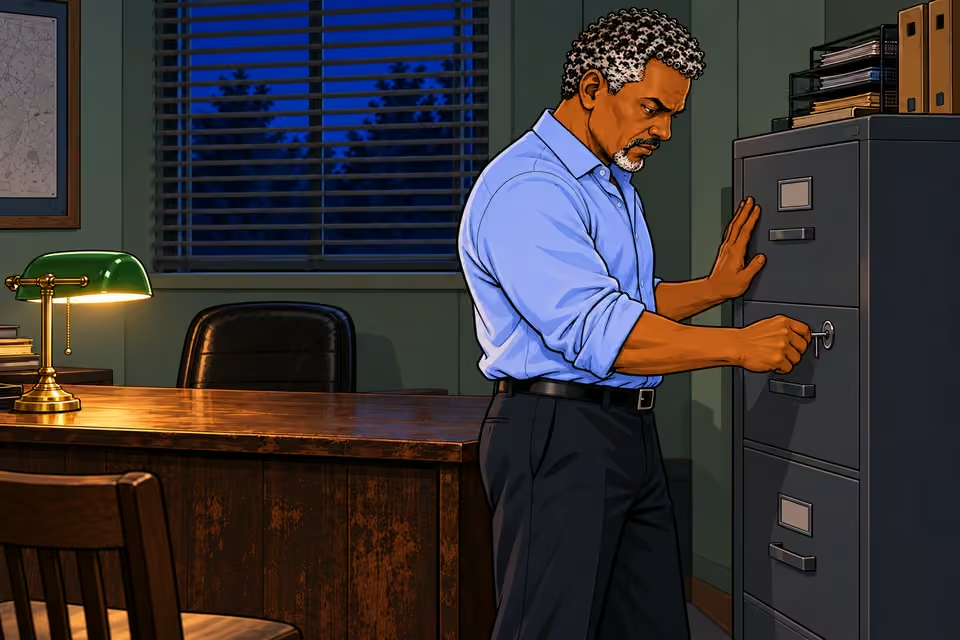
Then locked it in the cabinet.
72Musa locks the case file in the cabinet.✳
And walked out of the office.
73Musa leaves the office after locking away the case file.✳
The next morning, Amaka was announced on Good Morning Nigeria as the official Ambassador for Women’s Legacy Funds—an initiative she had lobbied for herself.
74Amaka is introduced as an ambassador on morning television.✳
She gave an interview.
75Amaka begins her television interview.✳
Warm.
76Amaka presents a warm public face.✳
Sincere.
77Amaka speaks with apparent sincerity.✳
Tearful at all the right moments.
78Amaka sheds tears during the interview.✳
She spoke about Agnes with reverence. About family. About forgiveness.
79Amaka speaks of Agnes, family and forgiveness.✳
The host cried. The audience applauded.
80The host cries while the studio audience applauds.✳
By noon, the clip had gone viral.
81By noon, Amaka’s interview is circulating online.✳
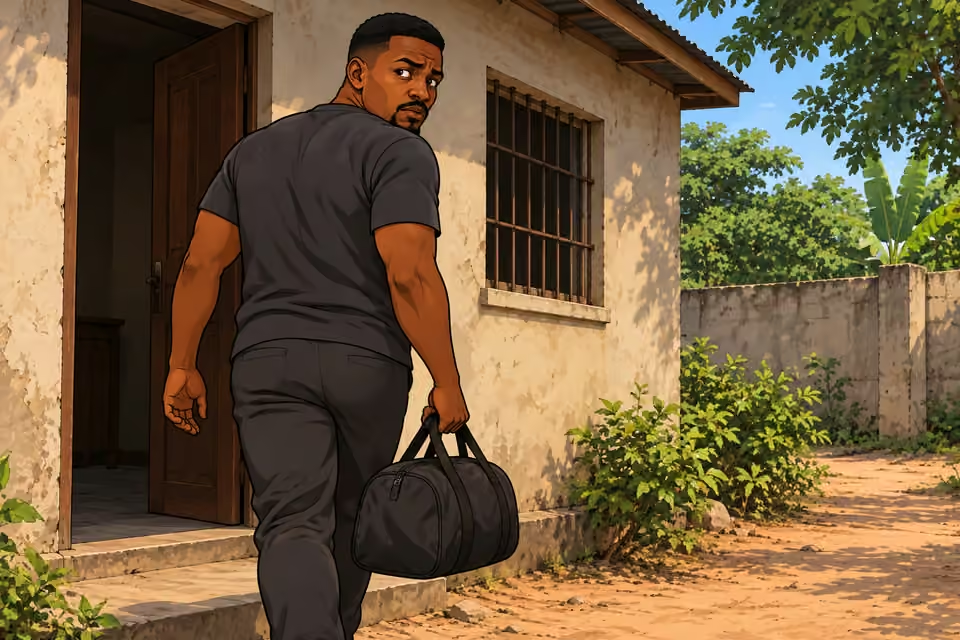
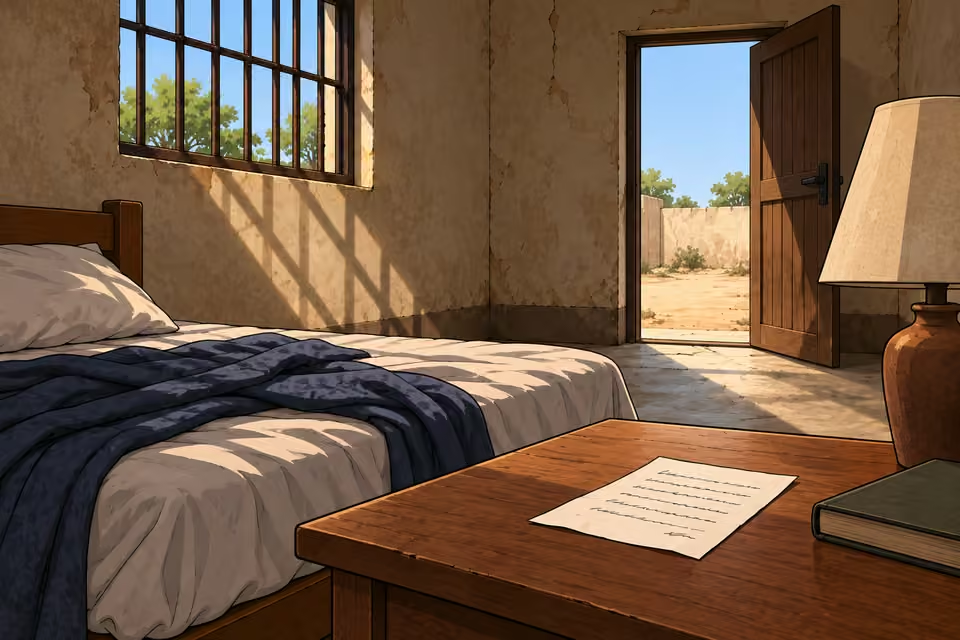
Meanwhile, Moses disappeared again.
82Moses quietly leaves the safe house.✳
Voluntarily this time.
83Moses chooses to disappear of his own accord.✳
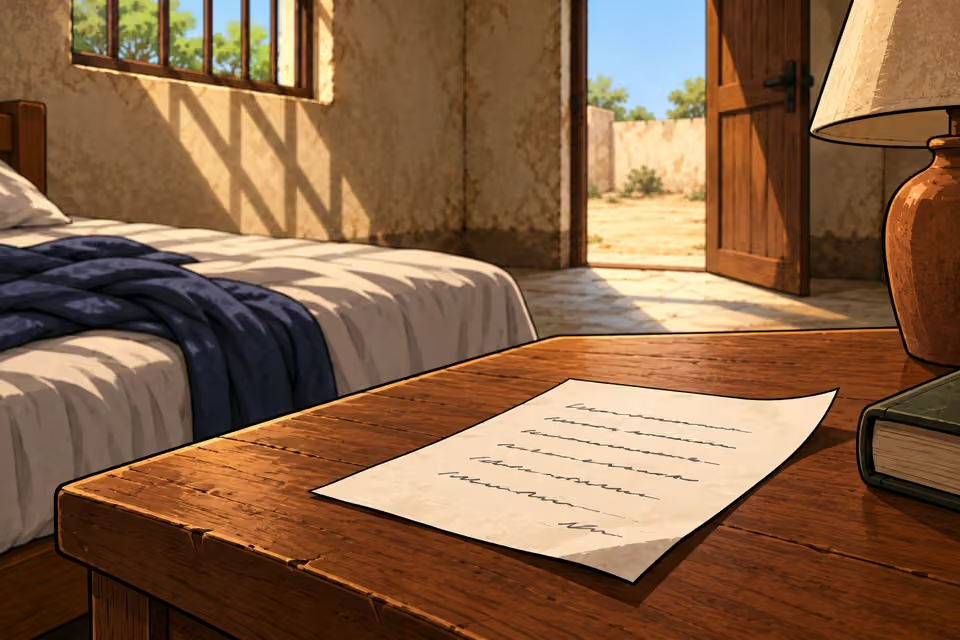
Left a note for Musa:
84Moses leaves a note for Musa.✳
“She wins. I want to live. Please don’t find me.”
85The note asks Musa not to look for him.✳
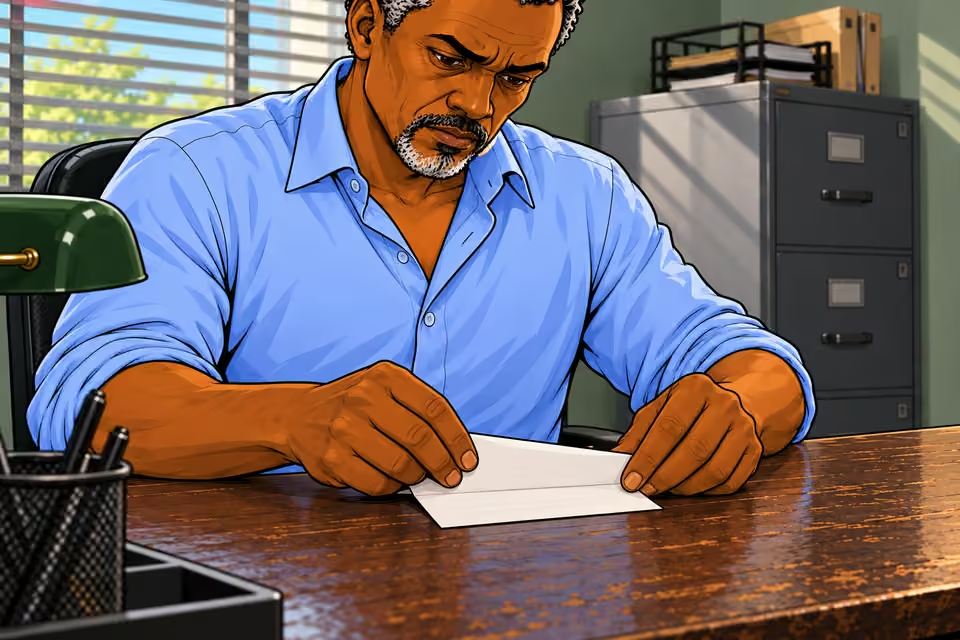
Musa read it twice.
86Musa reads Moses’s note twice.✳
Folded it once.
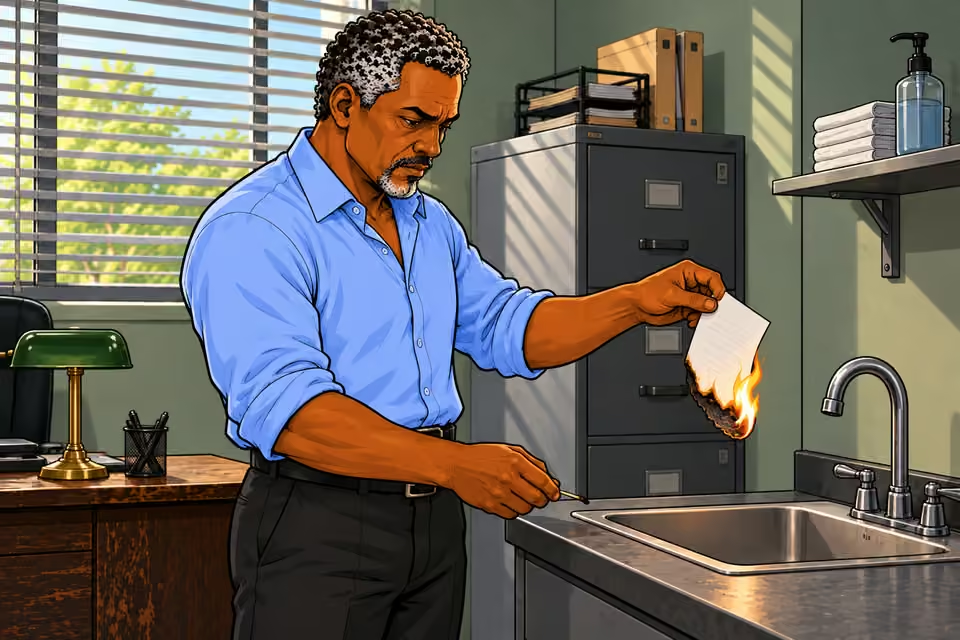
87Musa folds the note once.✳
Then burned it over his office sink.
88Musa burns the note over his office sink.✳
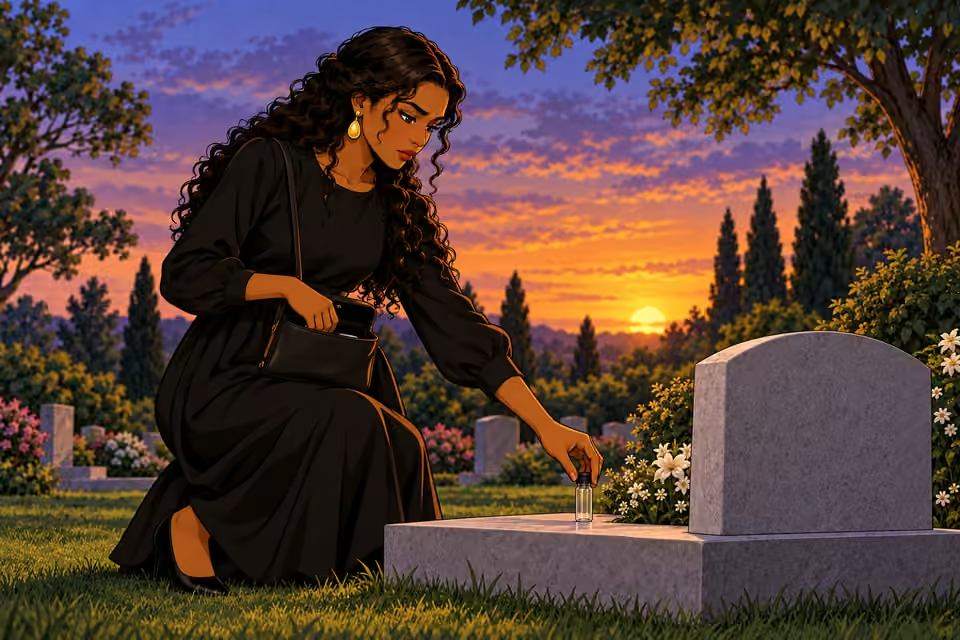
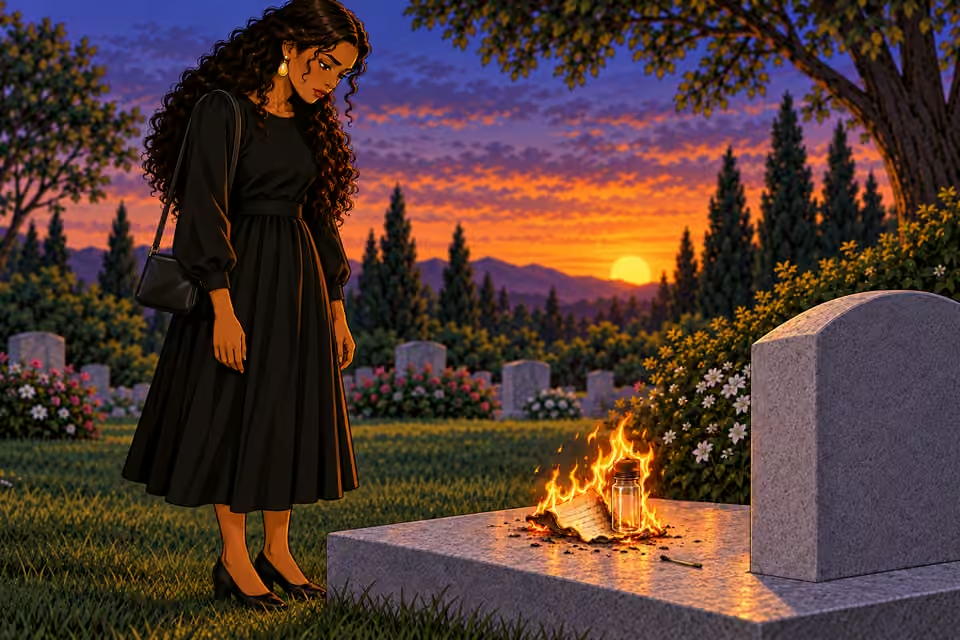
At dusk, Amaka stood before her mother’s grave.
89At dusk, Amaka stands before Agnes’s grave.✳
She wore black again, not for mourning, but for clarity.
90Amaka wears black with cold resolve.✳
“I thought you would haunt me,” she said.
91Amaka tells the grave that she expected to be haunted.✳
“But you don’t.”
92Amaka says that Agnes does not haunt her.✳
She reached into her bag and placed a final item on the headstone: the same vial she’d handed to Moses weeks ago. Emptied. Cleaned. Useless.
93Amaka places the empty vial on the headstone.✳
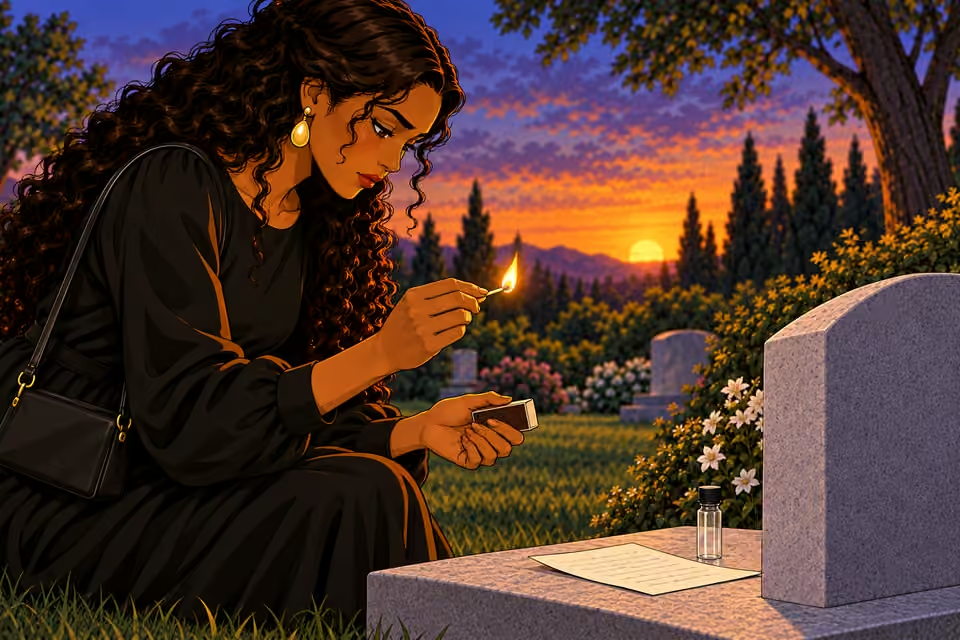
Beside it, she set the last page of her private journal:
94She places the last page of her journal beside the vial.✳
“To be born of a monster and become a mirror is not destiny. It’s design.”
95The final journal page records Amaka’s chilling conclusion.✳
She stepped back.
96Amaka steps back from the headstone.✳
Lit a match.
97Amaka lights a match.✳
Watched both burn.
98Amaka watches the page and vial in the flames.✳
And as the fire hissed against the wind, she smiled.
99Amaka smiles as the small fire flickers in the wind.✳
The past was ash.
100Only ash and the remains of the burned evidence are left.✳