Story contentsbrevity bard.
Mystery4 min read

Agnes

Your place is saved on this device.

CHAPTER 12

Chapter 12 – Silence at Sea

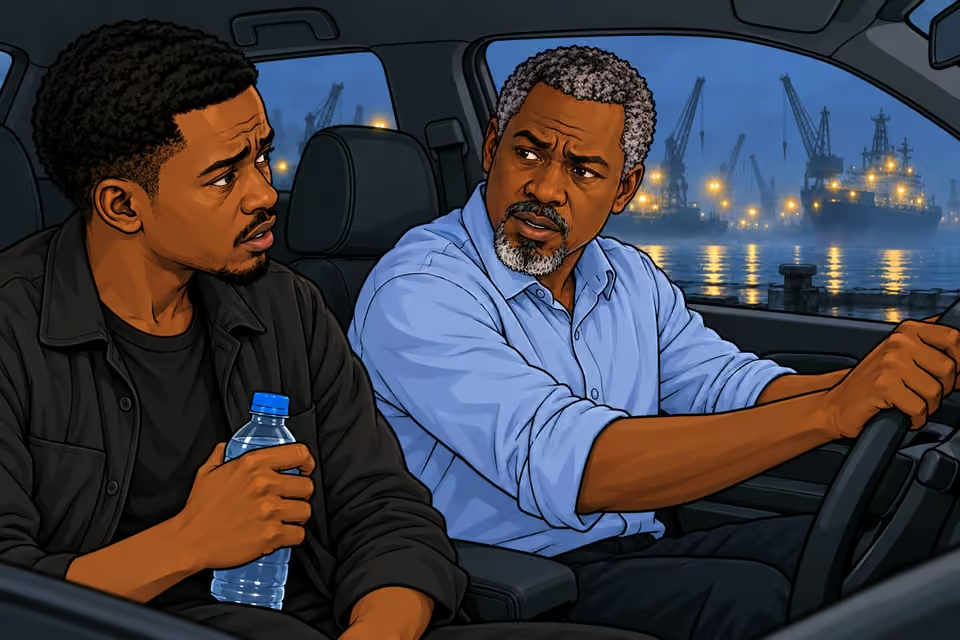
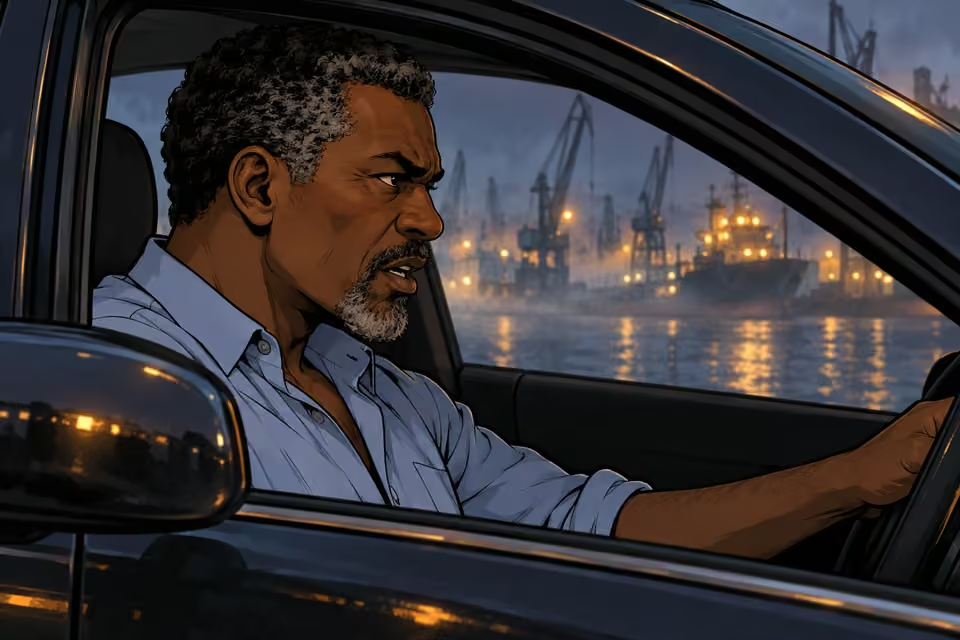
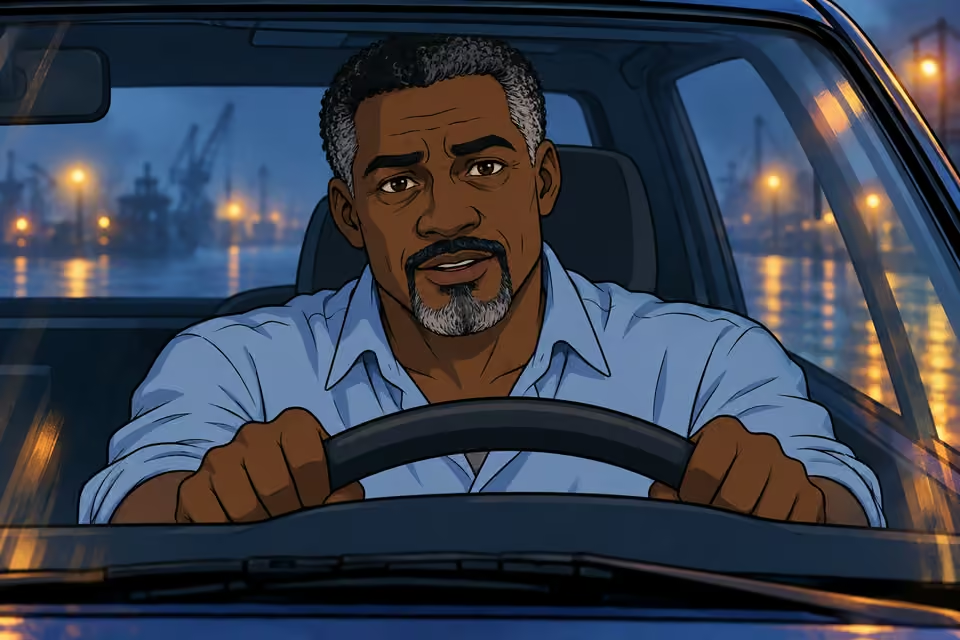
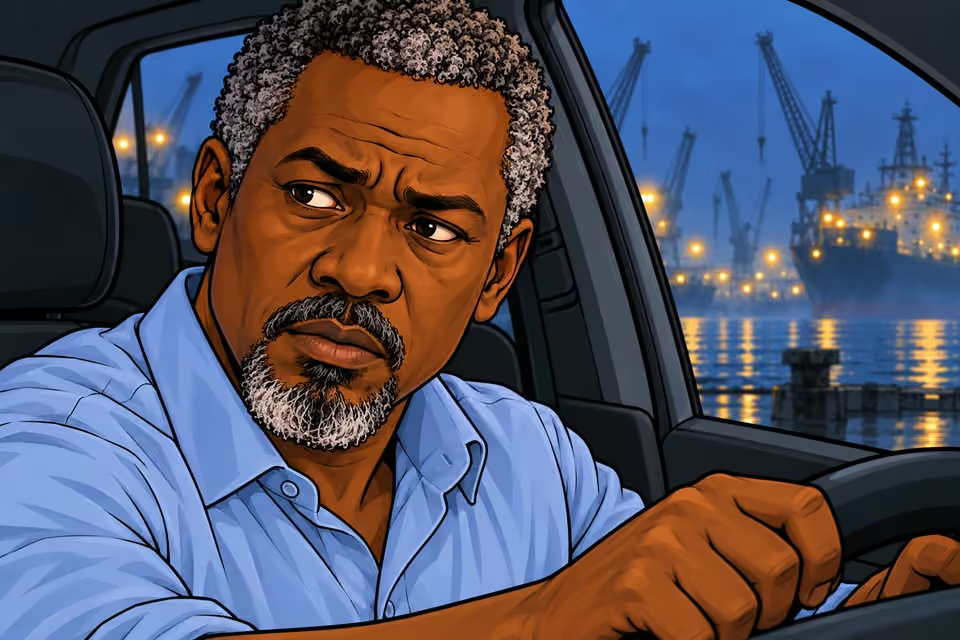
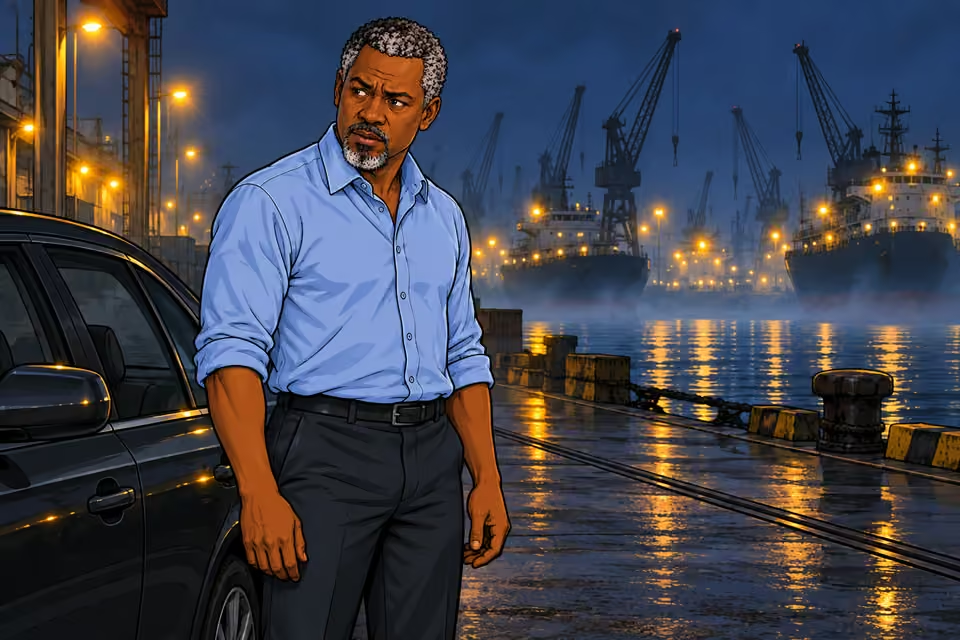
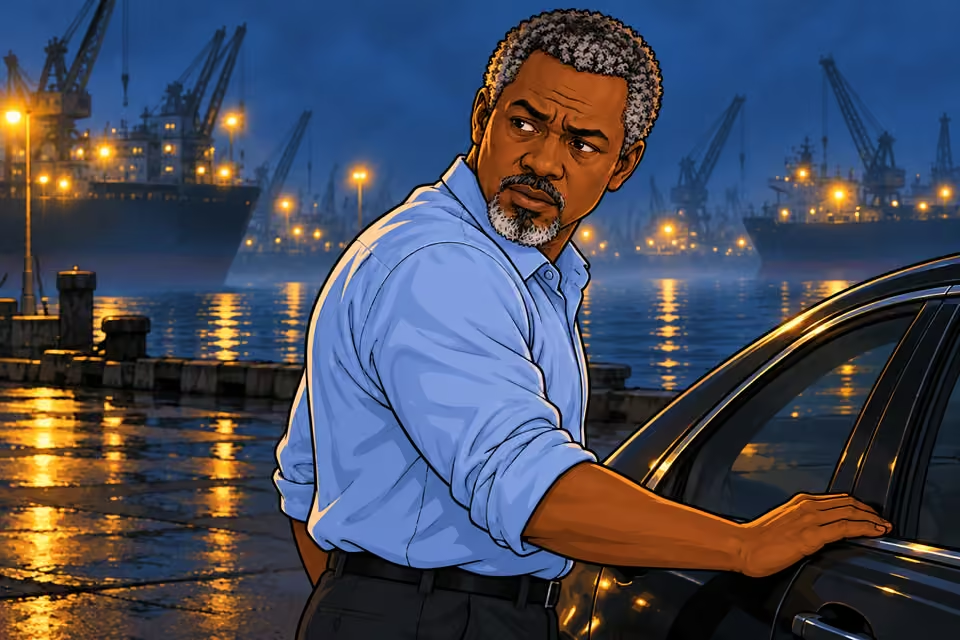
Musa locked the car doors as the harbor fog thickened.
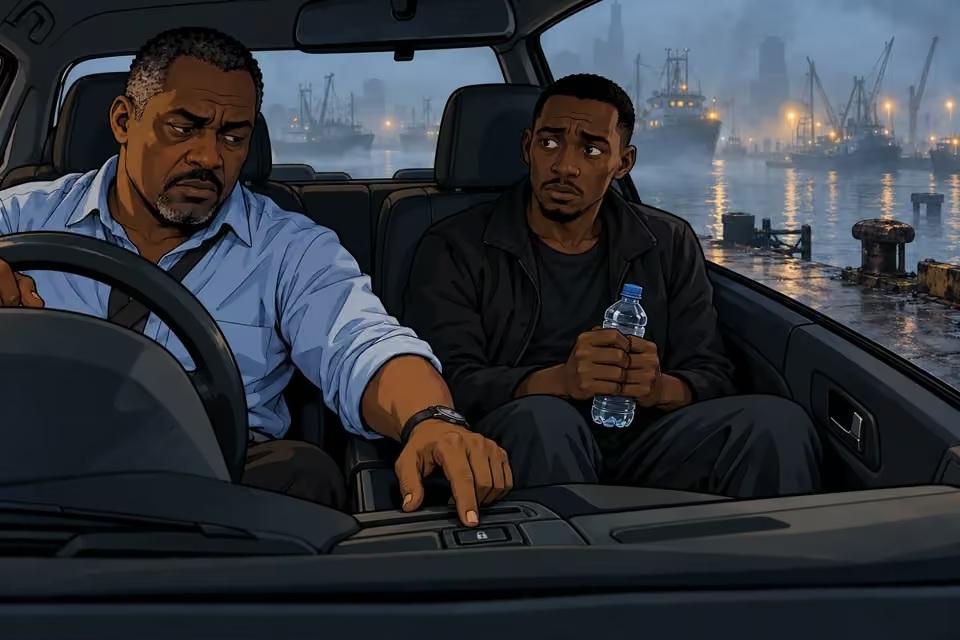
Musa locks the car beside the foggy harbor while Moses clutches a water bottle in the passenger seat.
Locked in the harbor fog

Moses Edem sat in the passenger seat, clutching a plastic bottle of water, his eyes scanning every shadow outside.
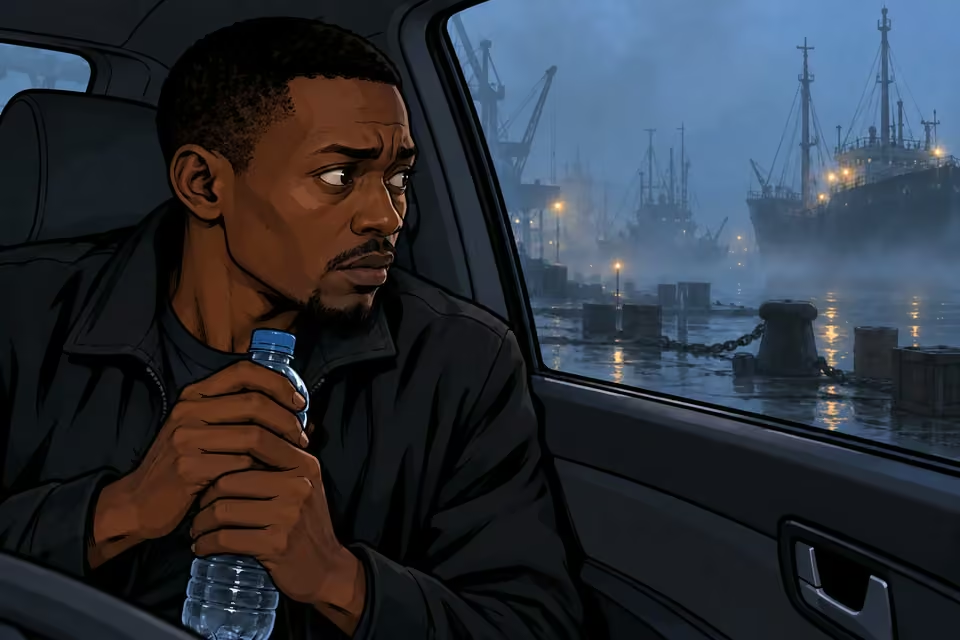
Moses watches the foggy harbor from the passenger seat, gripping his water bottle.
Scanning every shadow

“I didn’t mean for her to die,” he said.
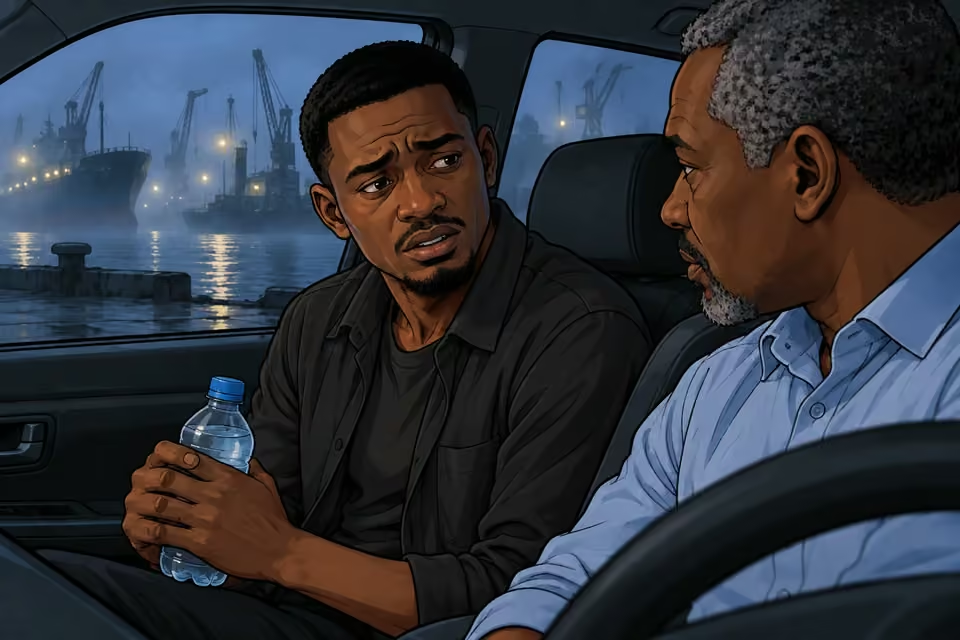
Moses turns toward Musa and begins an anguished confession.
A confession begins

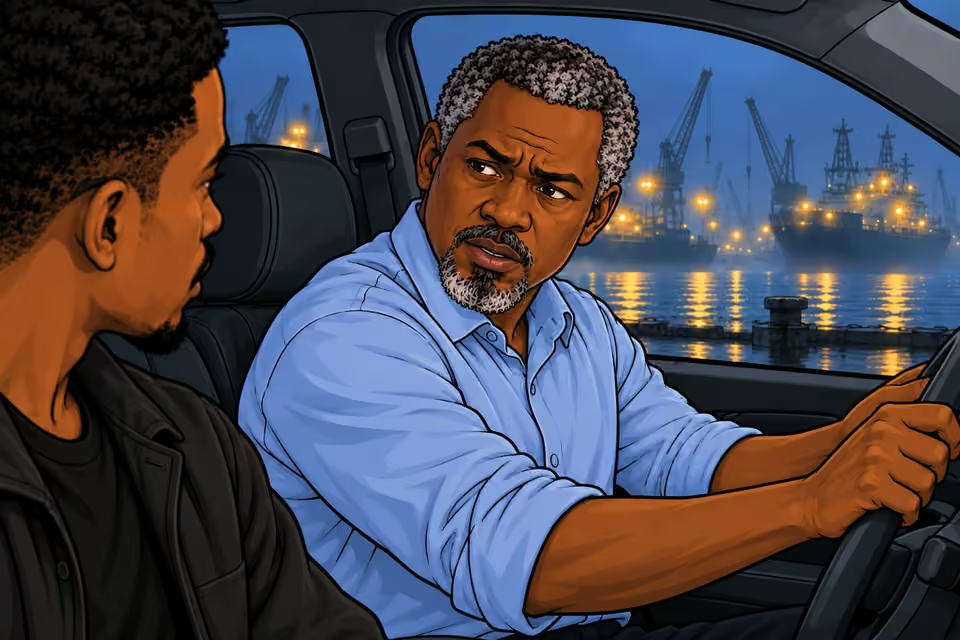
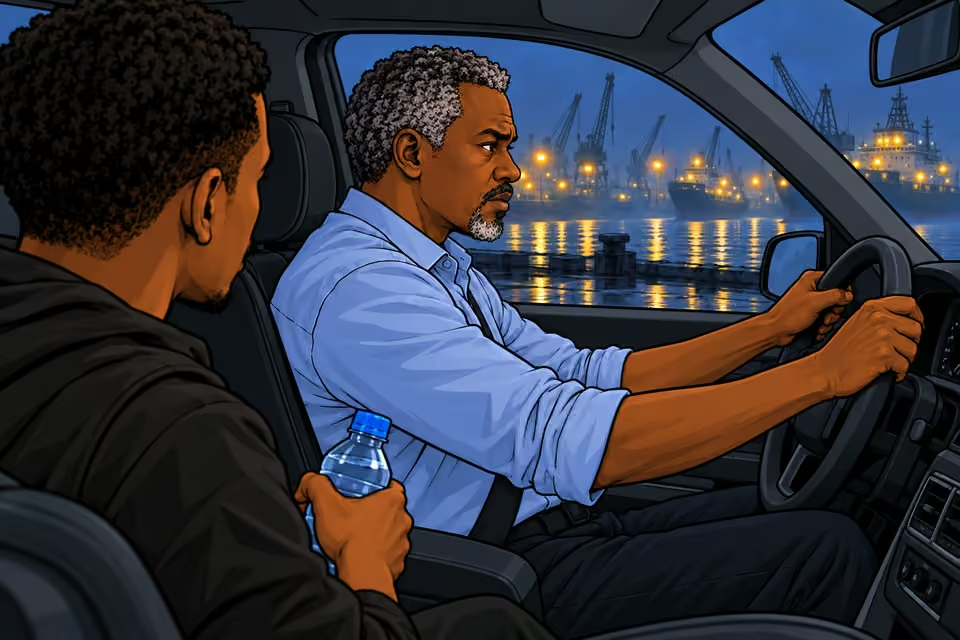
Musa kept his hands on the steering wheel. “Tell me everything.”
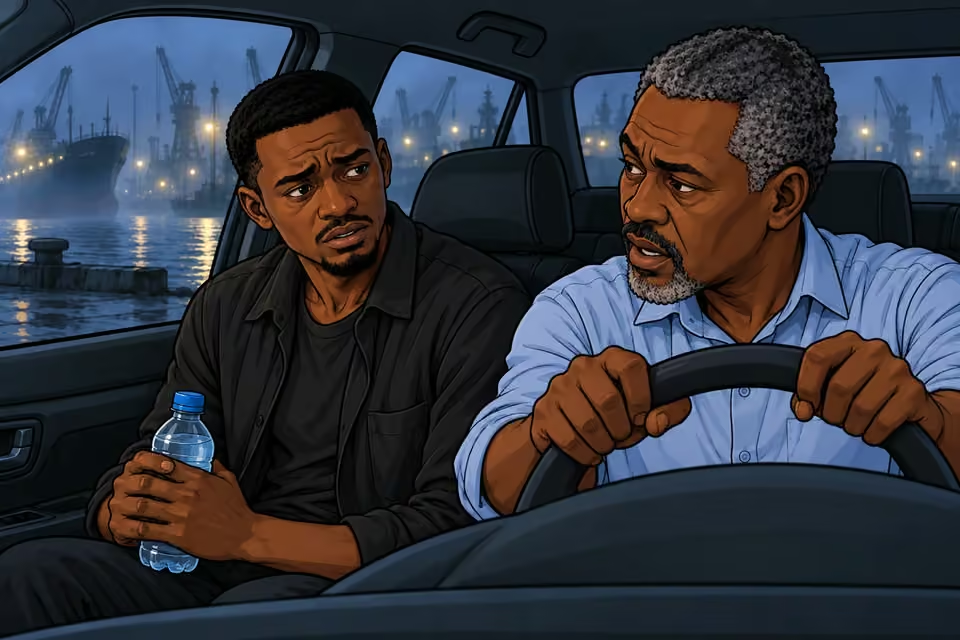
Musa keeps his hands on the wheel as he asks Moses to tell him everything.
Musa waits for Moses’s full account.

“I was hired by the agency on Tuesday. I didn’t know the client until I got the roster Friday morning. That was when I realized—Agnes Emecheta.”
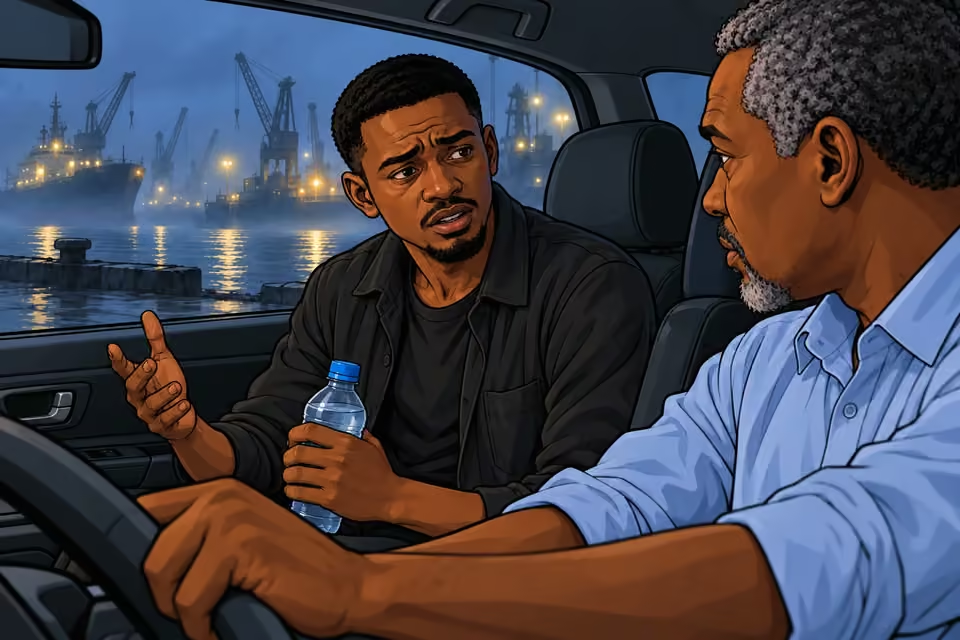
Moses recounts his hiring while Musa listens in the parked car.
He did not know the client until the wedding roster arrived.

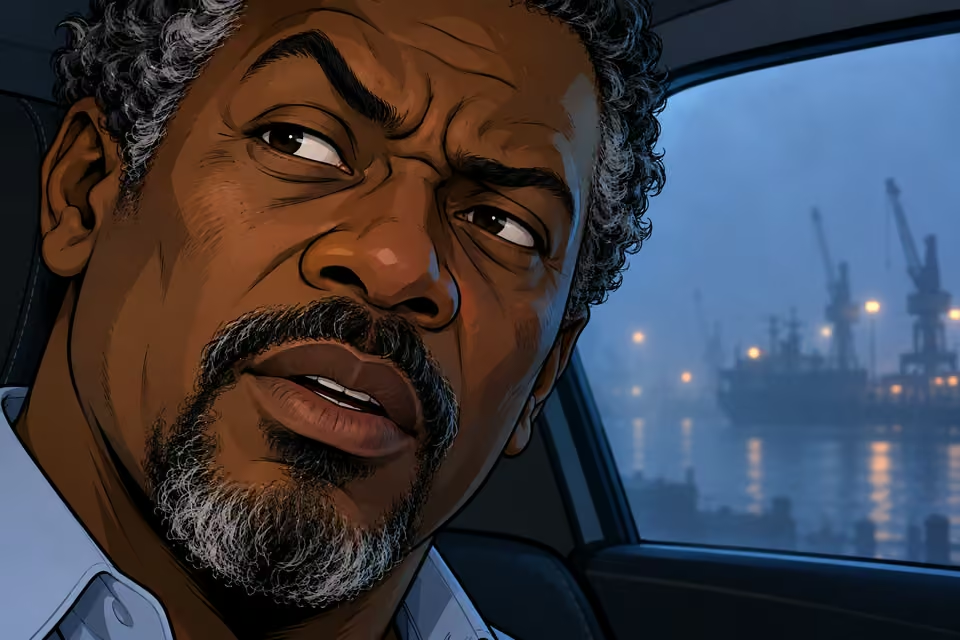
“And?”

Cartoon illustration: Musa quietly prompts the anxious passenger to continue.
Musa quietly prompts the anxious passenger to continue.

“She terrified me. Not directly. But the staff… the way they spoke about her. Like she saw everything. Controlled everything. And her daughter—” Moses hesitated. “She approached me the morning of the wedding.”
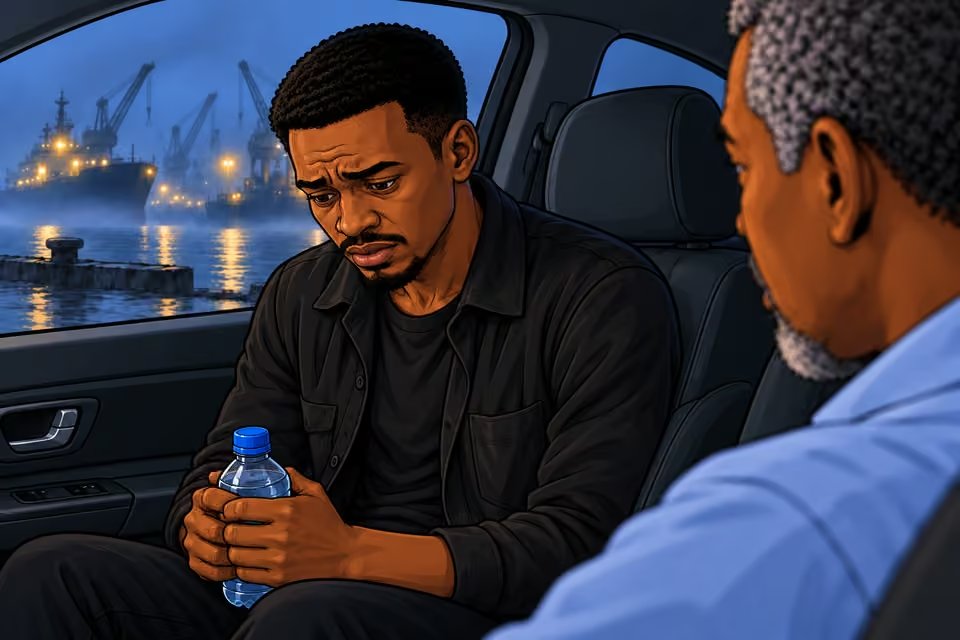
Cartoon illustration: The passenger describes his fear of Agnes and her daughter’s approach.
The passenger describes his fear of Agnes and her daughter’s approach.

“Where?”

Cartoon illustration: Musa asks where the encounter took place.
Musa asks where the encounter took place.

“Kitchen hallway. She gave me a small paper bag. Said it was a sleep supplement. Liquid form. For her mother. Told me to pour it into a specific glass of champagne. Only one.”
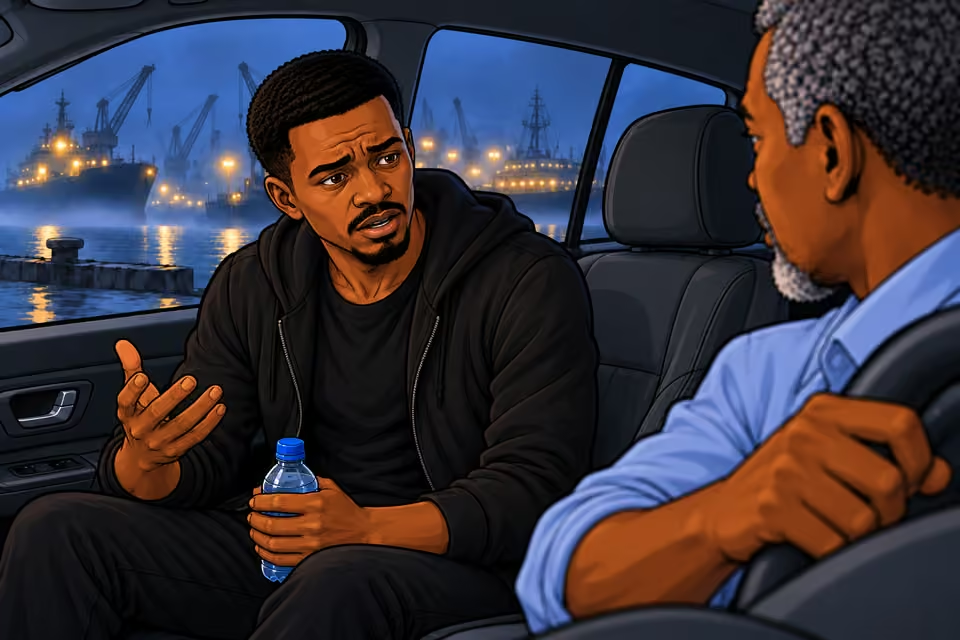
Cartoon illustration: The passenger describes receiving the small paper bag.
The passenger describes receiving the small paper bag.

“She say why?”

Cartoon illustration: Musa asks why the supplement was requested.
Musa asks why the supplement was requested.

“She said her mother had anxiety. That it would keep her calm during the ceremony. I… I believed her. She looked sad. Tired. Honest.”
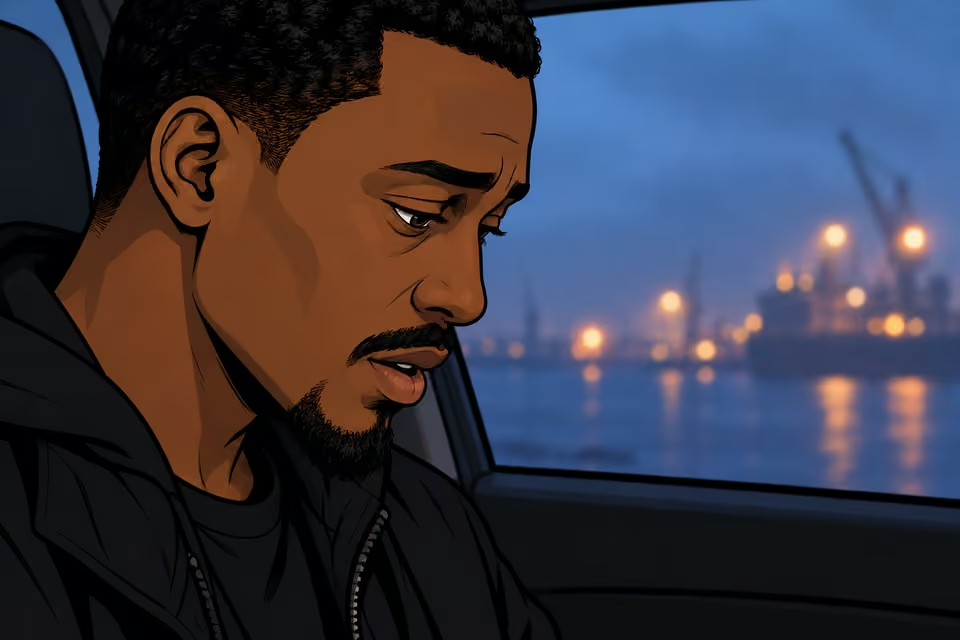
Cartoon illustration: The passenger explains why he trusted the story.
The passenger explains why he trusted the story.

Musa didn’t speak.

Cartoon illustration: Musa listens without speaking.
Musa listens without speaking.

Moses continued, “After it happened… when Agnes collapsed… I panicked. I checked the bag again. I realized it wasn’t just melatonin. I saw the vial. The chemical code. I knew I’d been set up.”
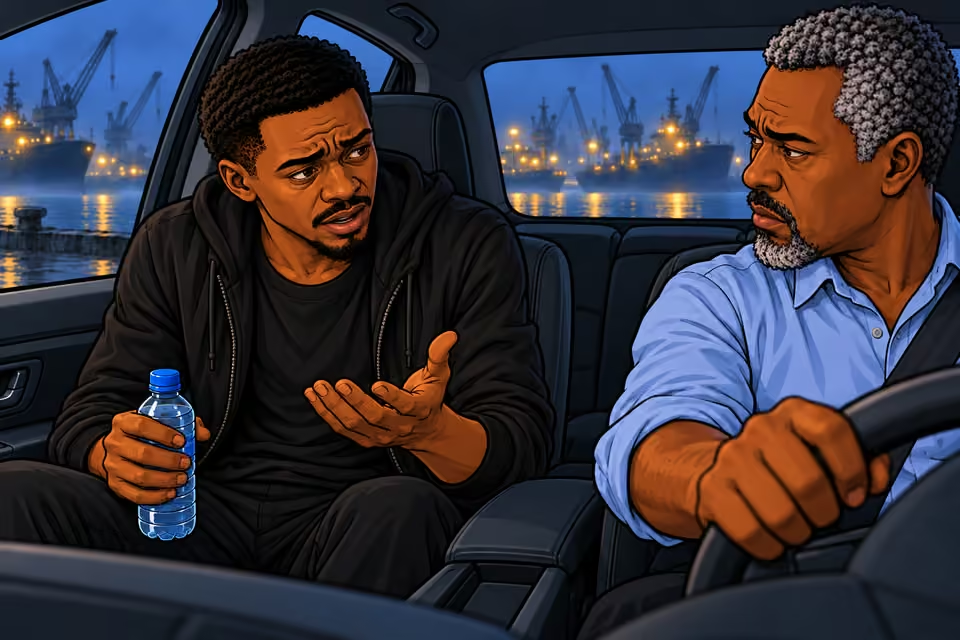
Cartoon illustration: The passenger recounts realizing he had been set up.
The passenger recounts realizing he had been set up.

“You tried to run.”

Cartoon illustration: Musa confronts the passenger about trying to flee.
Musa confronts the passenger about trying to flee.

“I didn’t know what else to do. I knew no one would believe me. And now—if she finds out I’m talking to you, I’m dead.”
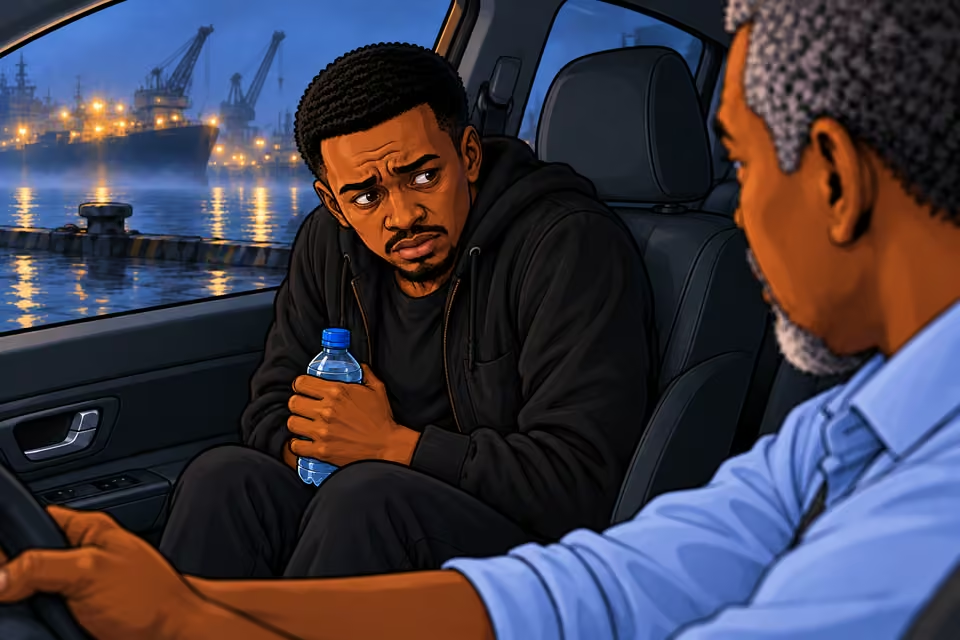
Cartoon illustration: The passenger fears retaliation for speaking to Musa.
The passenger fears retaliation for speaking to Musa.

“She won’t,” Musa said.

Cartoon illustration: Musa tries to reassure the frightened passenger.
Musa tries to reassure the frightened passenger.

But even he didn’t believe it.

Cartoon illustration: Private doubt shadows Musa's reassurance.
Private doubt shadows Musa's reassurance.

At the estate, Amaka sat alone in the music room, playing slow keys on the grand piano her mother never let her touch as a child.

Cartoon illustration: Amaka plays her mother's grand piano alone.
Amaka plays her mother's grand piano alone.

Three notes. Pause. Three again.

Cartoon illustration: Amaka repeats three notes and pauses.
Amaka repeats three notes and pauses.

Behind her, the security chief entered.

Cartoon illustration: The security chief enters behind Amaka.
The security chief enters behind Amaka.

“It’s done,” he said. “Boat’s gone. Clean. No trace.”

Cartoon illustration: The security chief reports that the boat is gone.
The security chief reports that the boat is gone.

She nodded. “No witnesses?”

Cartoon illustration: Amaka asks whether there were witnesses.
Amaka asks whether there were witnesses.

He hesitated.

Cartoon illustration: The security chief hesitates before answering.
The security chief hesitates before answering.

“There was a cop,” he said. “But no one saw us.”
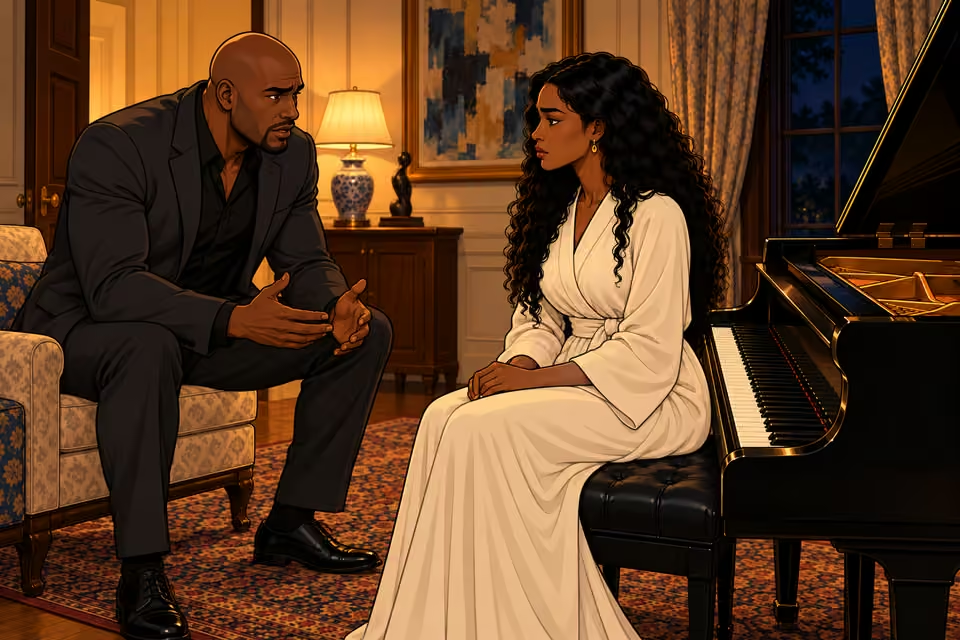
Cartoon illustration: The chief admits that a police officer was nearby.
The chief admits that a police officer was nearby.

She played another note. “Then let it drown.”

Cartoon illustration: Amaka answers coldly and plays another note.
Amaka answers coldly and plays another note.

But Musa wasn’t on the boat.

Cartoon illustration: Musa remains safely on the harbor quayside.
Musa remains safely on the harbor quayside.

He’d lied.

Cartoon illustration: Musa keeps his own deception concealed.
Musa keeps his own deception concealed.

He knew better than to dangle bait without building a trap.

Cartoon illustration: Musa has prepared for the danger.
Musa has prepared for the danger.

The Moses sitting in that car wasn’t the real one—but a decoy. A brave volunteer who owed Musa a favor and had a passable resemblance under a hoodie.
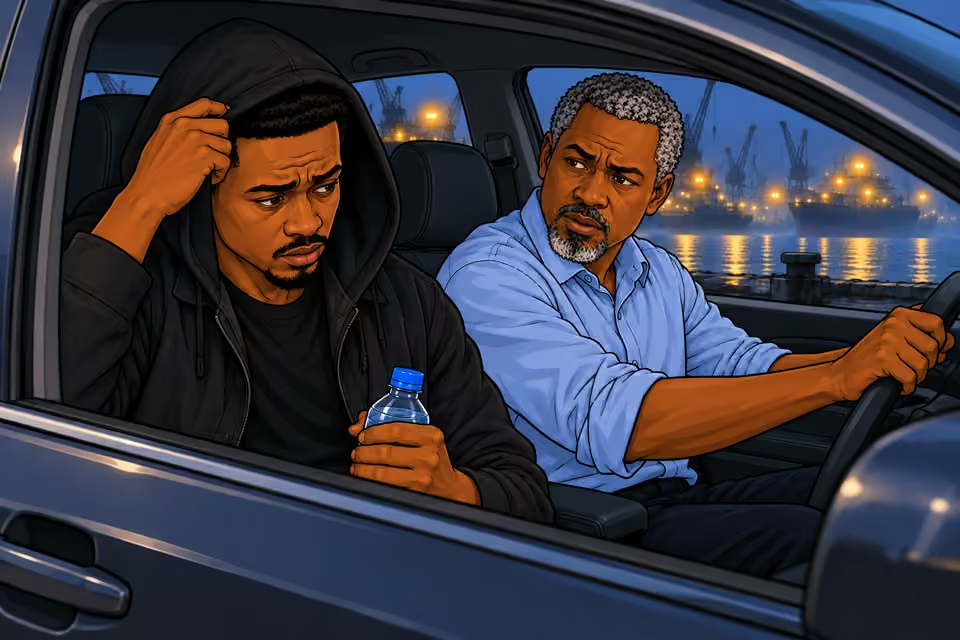
Cartoon illustration: Musa's passenger is revealed as a volunteer decoy.
Musa's passenger is revealed as a volunteer decoy.

The real Moses was two hours outside Lagos, hidden in a safe house.
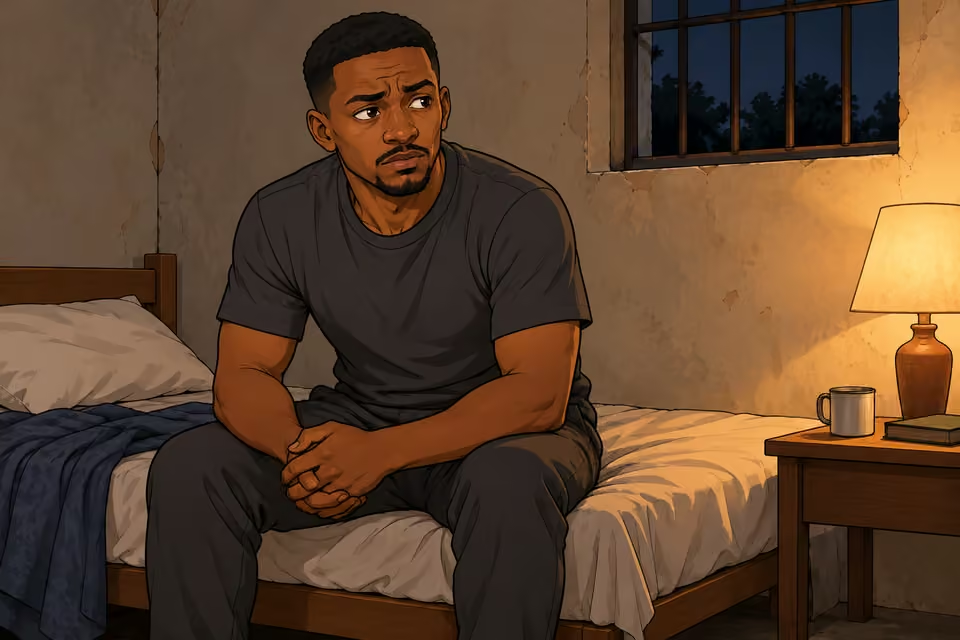
Cartoon illustration: The real Moses waits in a distant safe house.
The real Moses waits in a distant safe house.

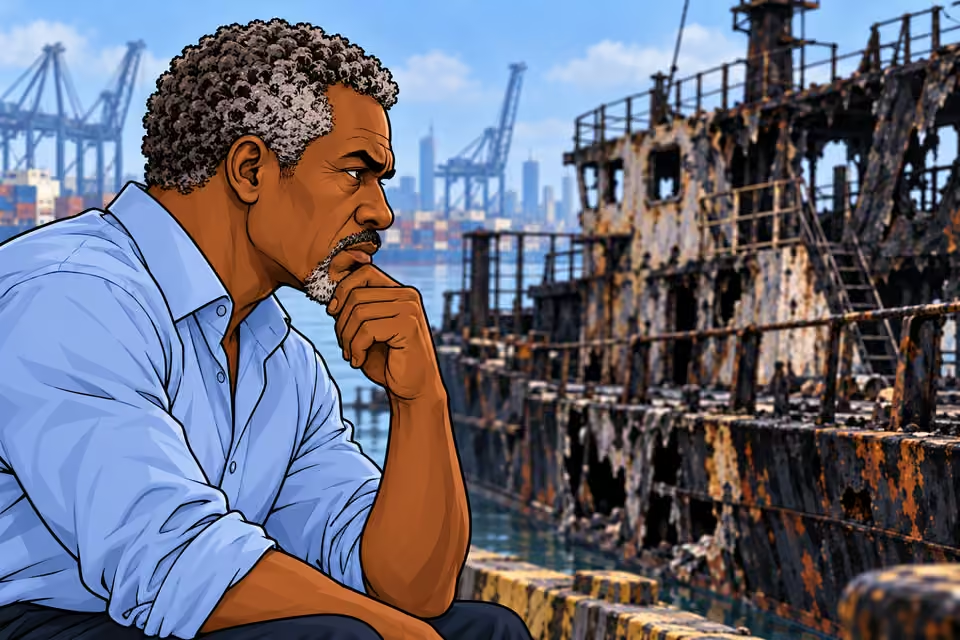
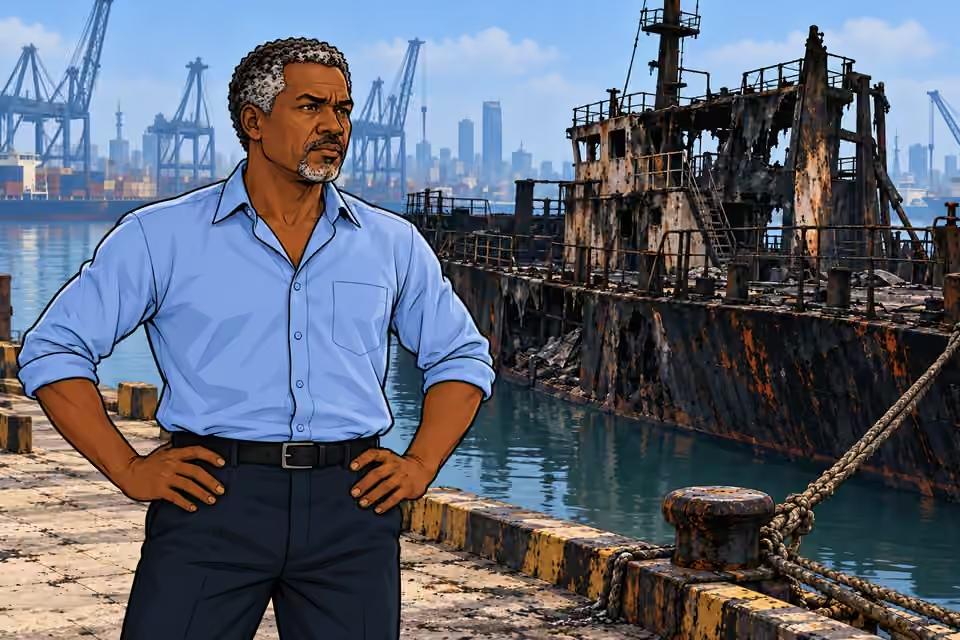
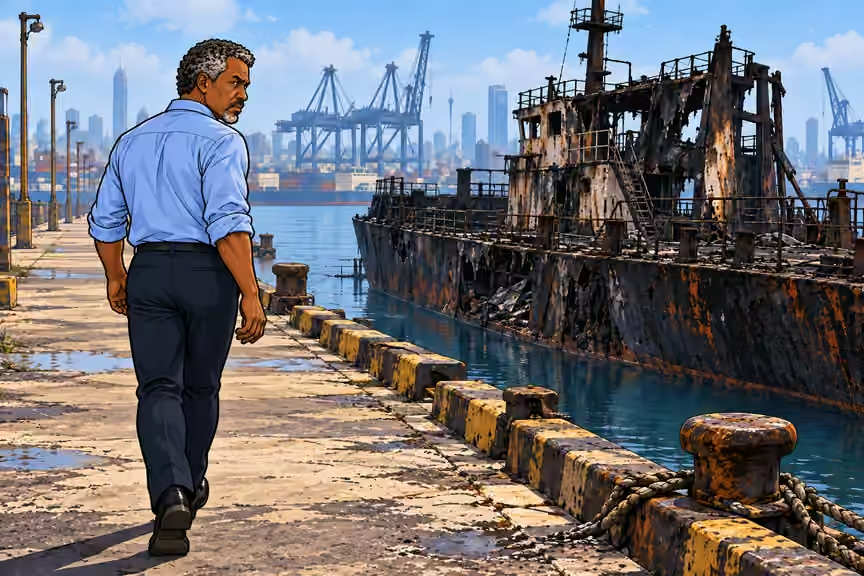
Musa stared at the burnt husk of the cargo boat the next morning, lips pressed together.
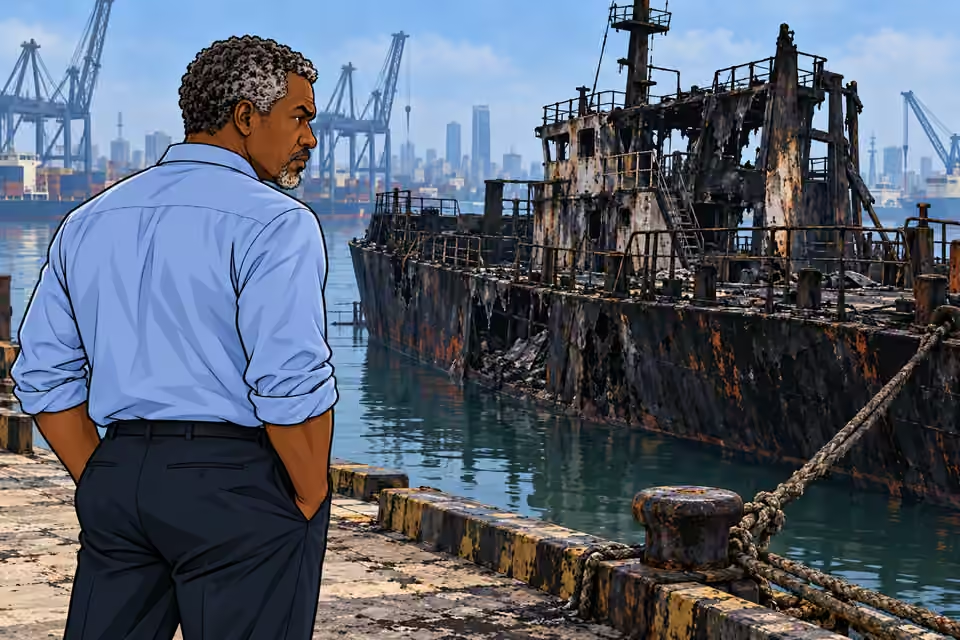
Cartoon illustration: Musa examines the burnt cargo boat the next morning.
Musa examines the burnt cargo boat the next morning.

A warning. A message.

Cartoon illustration: Musa recognizes the boat fire as a warning.
Musa recognizes the boat fire as a warning.

But not a loss.

Cartoon illustration: Musa knows the destruction has not defeated his plan.
Musa knows the destruction has not defeated his plan.

Not yet.

Cartoon illustration: Musa remains cautious about what will come next.
Musa remains cautious about what will come next.

Chuka watched the news from their bedroom. Cargo boat fire. No casualties reported. No identified victims. Police “investigating.”

Cartoon illustration: Chuka watches the morning report about the cargo-boat fire.
Chuka watches the morning report about the cargo-boat fire.

When Amaka walked in, he turned off the TV.

Cartoon illustration: Chuka turns off the television as Amaka enters.
Chuka turns off the television as Amaka enters.

“Everything okay?” he asked carefully.

Cartoon illustration: Chuka cautiously asks whether Amaka is all right.
Chuka cautiously asks whether Amaka is all right.

“Just tired.”

Cartoon illustration: Amaka says she is tired.
Amaka says she is tired.

“You didn’t sleep.”

Cartoon illustration: Chuka observes that she has not slept.
Chuka observes that she has not slept.

“No.”

Cartoon illustration: Amaka quietly confirms her sleepless night.
Amaka quietly confirms her sleepless night.

“Can we talk?”

Cartoon illustration: Chuka asks if they can talk.
Chuka asks if they can talk.

She glanced at him. “We live together. Talk.”

Cartoon illustration: Amaka gives Chuka a guarded invitation to speak.
Amaka gives Chuka a guarded invitation to speak.

“About your mother.”

Cartoon illustration: Chuka brings up the subject of Amaka's mother.
Chuka brings up the subject of Amaka's mother.

Amaka raised an eyebrow. “She’s dead. The subject is closed.”

Cartoon illustration: Amaka declares the subject of her mother closed.
Amaka declares the subject of her mother closed.

“She’s not dead in here,” he said, tapping his chest. “She’s still between us.”

Cartoon illustration: Chuka says Agnes still stands between them.
Chuka says Agnes still stands between them.

“Then you should exorcise her.”

Cartoon illustration: Amaka dismisses Chuka's lingering grief.
Amaka dismisses Chuka's lingering grief.

“I can’t,” he whispered. “Because every day, you remind me of her.”

Cartoon illustration: Chuka tells Amaka that she reminds him of her mother.
Chuka tells Amaka that she reminds him of her mother.

Amaka turned.

Cartoon illustration: Amaka turns sharply toward Chuka.
Amaka turns sharply toward Chuka.

“I’m not Agnes.”

Cartoon illustration: Amaka insists she is not Agnes.
Amaka insists she is not Agnes.

“Then prove it.”

Cartoon illustration: Chuka asks Amaka to prove that she is different.
Chuka asks Amaka to prove that she is different.

She walked out.

Cartoon illustration: Amaka walks out of the bedroom.
Amaka walks out of the bedroom.

He didn’t follow.

Cartoon illustration: Chuka remains behind.
Chuka remains behind.

Uju packed her bags.

Cartoon illustration: Uju packs her belongings to leave Lagos.
Uju packs her belongings to leave Lagos.

She couldn’t stay in Lagos anymore. Not with this silence hanging around her neck like rope.

Cartoon illustration: Uju feels she can no longer stay in Lagos.
Uju feels she can no longer stay in Lagos.

Amaka hadn’t threatened her directly. She didn’t need to.

Cartoon illustration: Uju feels threatened even without an explicit warning.
Uju feels threatened even without an explicit warning.

But the photo. The red ink. The look in her eyes.

Uju remembers the threatening photograph and red ink.

Uju called Musa from an unregistered line.

Uju calls Musa from an unregistered line.

“I need to leave.”

Uju tells Musa that she needs to leave.

“I need you here,” Musa replied. “You're the only one who’s close enough to touch her shadow.”

Uju listens as Musa asks her to remain nearby.

“I'm not dying for your case.”

Uju refuses to risk her life for the case.

“You’re not dying. You’re protecting.”
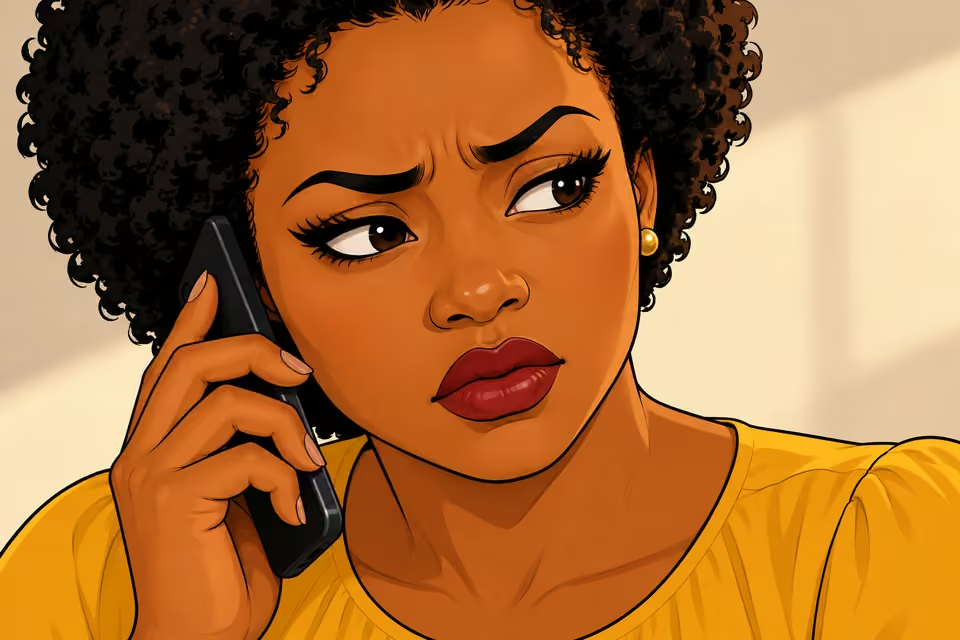
Uju hears Musa insist that she is protecting others.

“Protecting who?”

Uju asks who needs her protection.

“Everyone she hasn’t decided to erase yet.”

Musa's answer leaves Uju troubled.

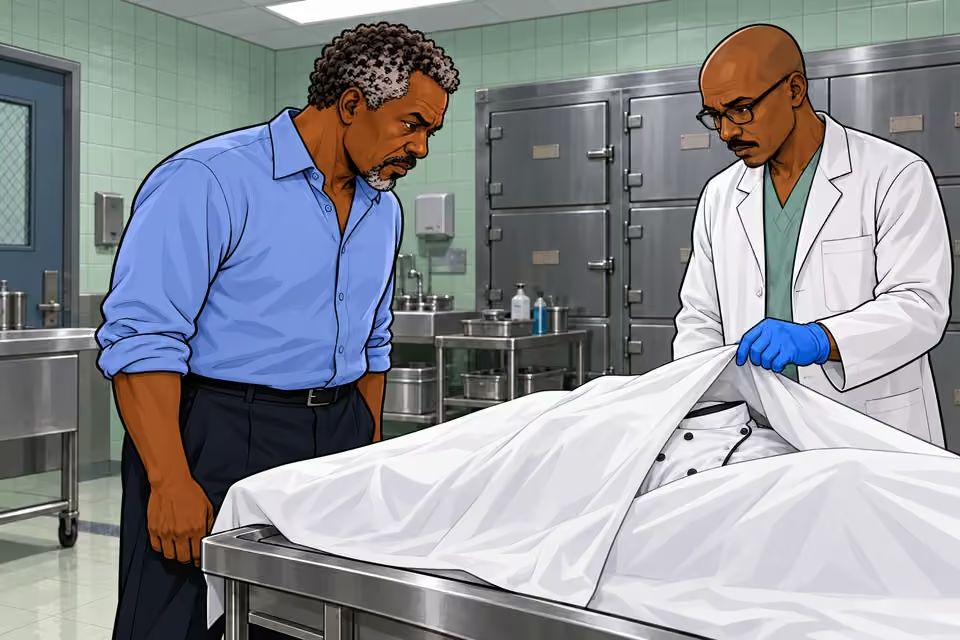
Musa finally visited the hospital morgue. Not for Agnes. But for another body.
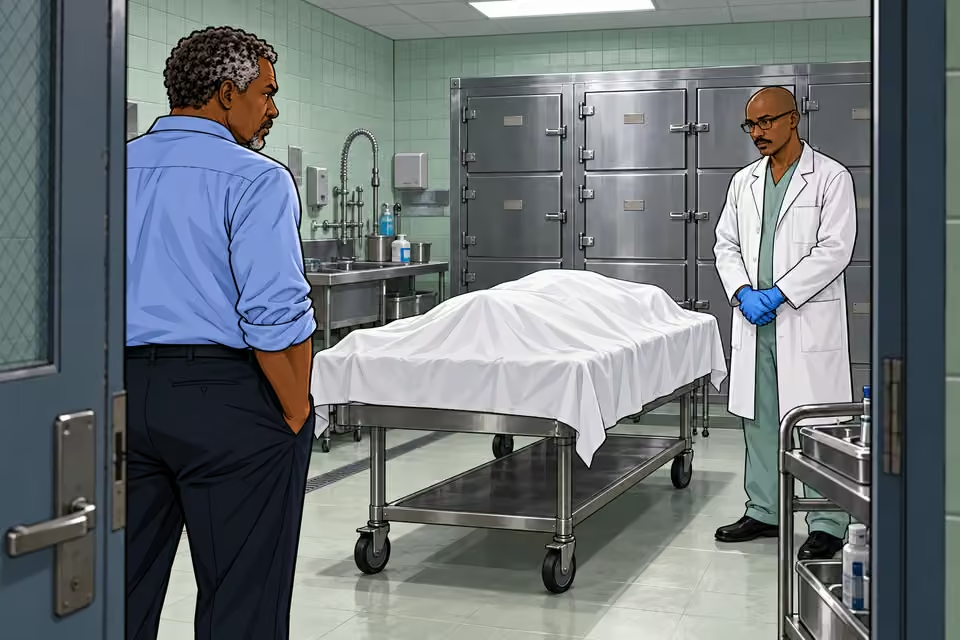
Musa visits the hospital morgue to examine another body.

An unnamed man, recovered near Tarkwa Bay. Drowned. Face disfigured. No ID.
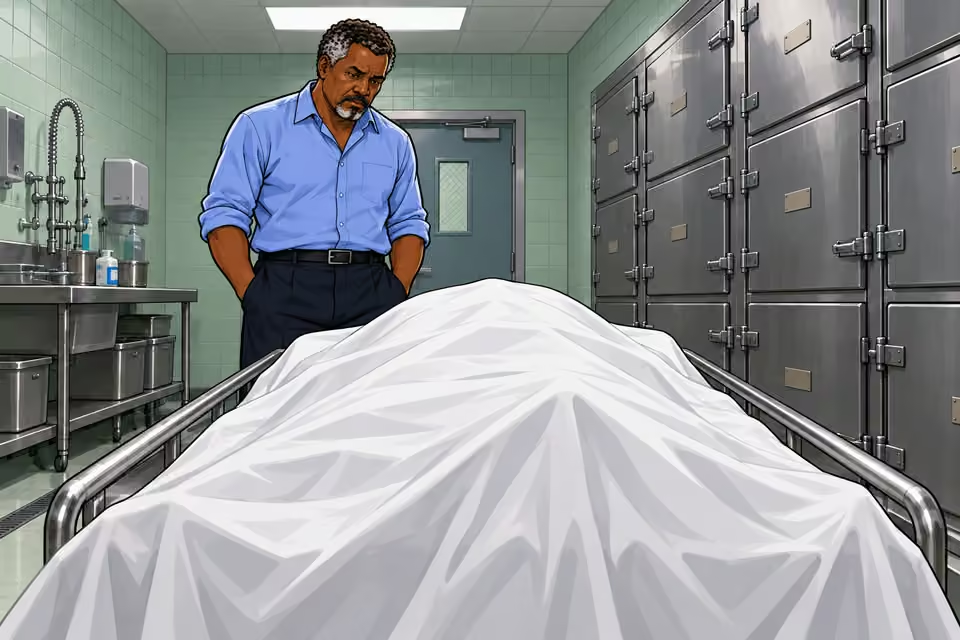
An unidentified man lies beneath a sheet in the morgue.

But the clothes were familiar.

Musa recognizes the dead man's clothing.

The chef whites. Slight tear on the collar. A stain that looked like old champagne.

The chef whites have a torn collar and an old champagne stain.

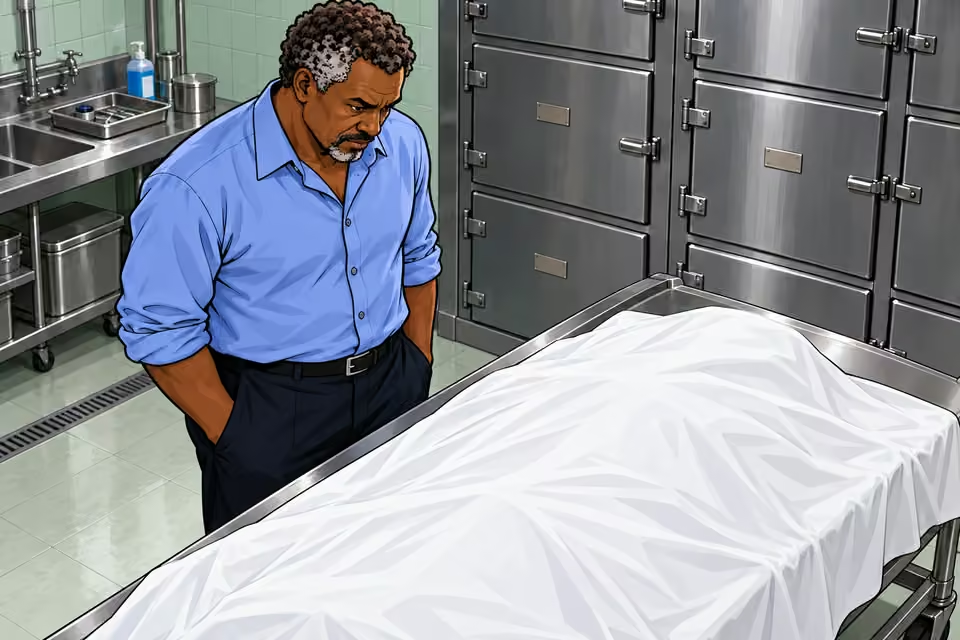
Musa stared down at the sheet.

Musa silently studies the covered body.

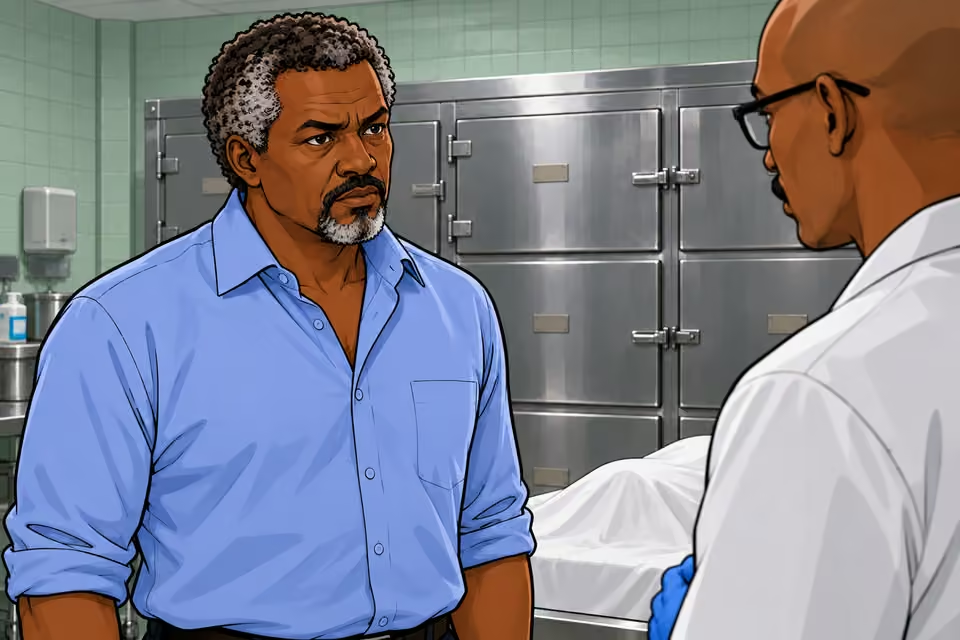
Then turned to the mortician. “This isn’t Moses.”
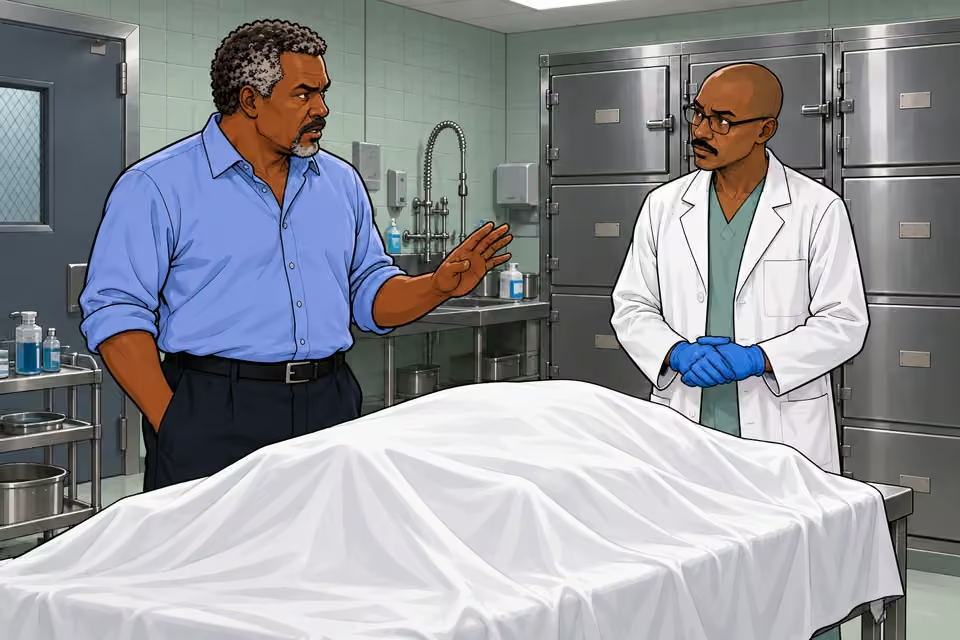
Musa tells the mortician that the body is not Moses.

“You sure?”

The mortician asks whether Musa is certain.

“Positive.”

Musa confirms his identification with certainty.

He walked out of the morgue and into the morning heat, mind reeling.
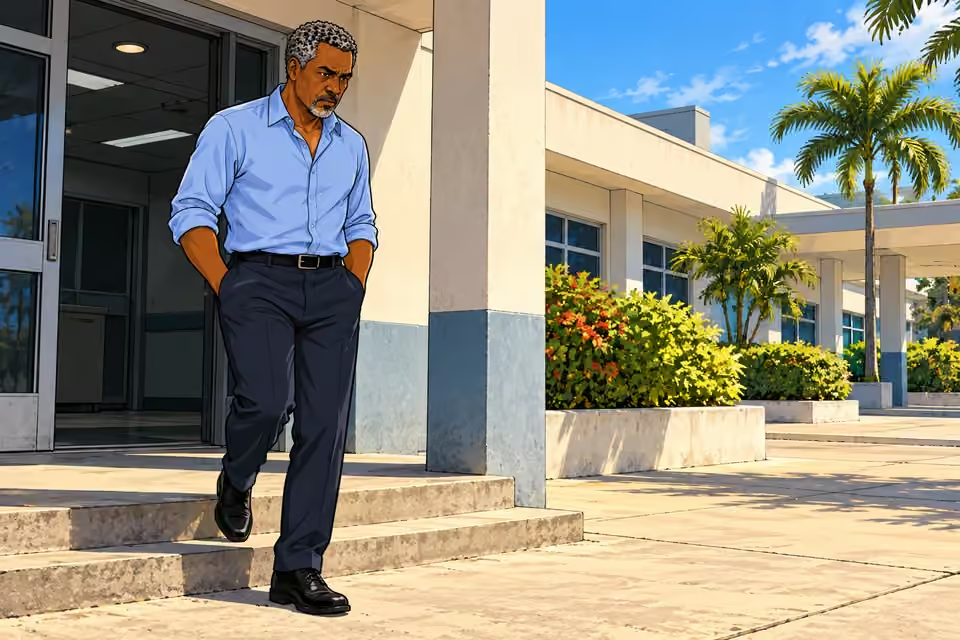
Musa leaves the morgue and steps into the morning heat.

She had planned it all. A fake Moses to kill. A false trail to close the loop.

Musa realizes the dead man was part of a deliberate false trail.

Only she hadn’t accounted for the fact that he had done the same.
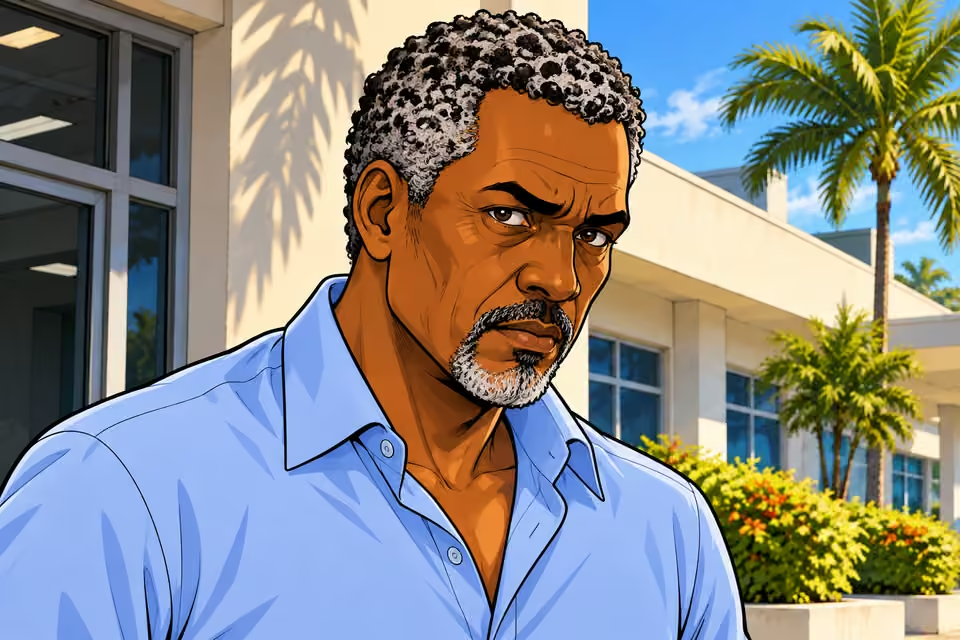
Musa understands that his own deception has preserved the witness.

That night, Amaka sat with a fresh glass of wine and a burning pile of old photographs. Childhood memories. School portraits. Family trips she pretended were happy.

Amaka watches old photographs burn beside her glass of wine.

She didn’t cry.

Amaka watches without crying.

Just watched the faces turn to ash.

The faces in the photographs fade into ash.

Then she added one more item to the flames:

Amaka adds one final item to the flames.

The last page of her mother’s secret journal.

The last page of Agnes's secret journal enters the fire.

The only one that mattered.

Amaka watches the page that matters most to her.

“She will rise. She will conquer. But she will never love. Because I never taught her how.”

Amaka considers the judgment written on the journal page.

The paper curled in the heat.

The journal page curls in the heat.

And Amaka whispered:

Amaka begins to whisper toward the fire.

“Good.”

Amaka gives the burning page a cold final answer.
There’s more to the story.
Read the original blog post ↗