Story contentsbrevity bard.
Mystery4 min read

Agnes

Your place is saved on this device.

CHAPTER 11

Chapter 11 – The Ghost File

The file was labeled simply: “Inheritance – Contingency.”
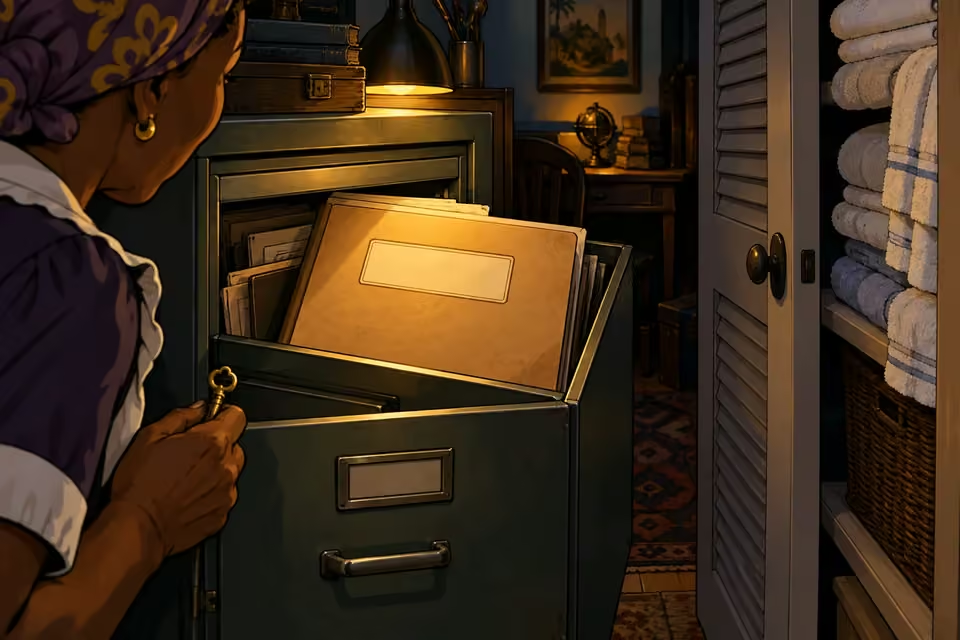
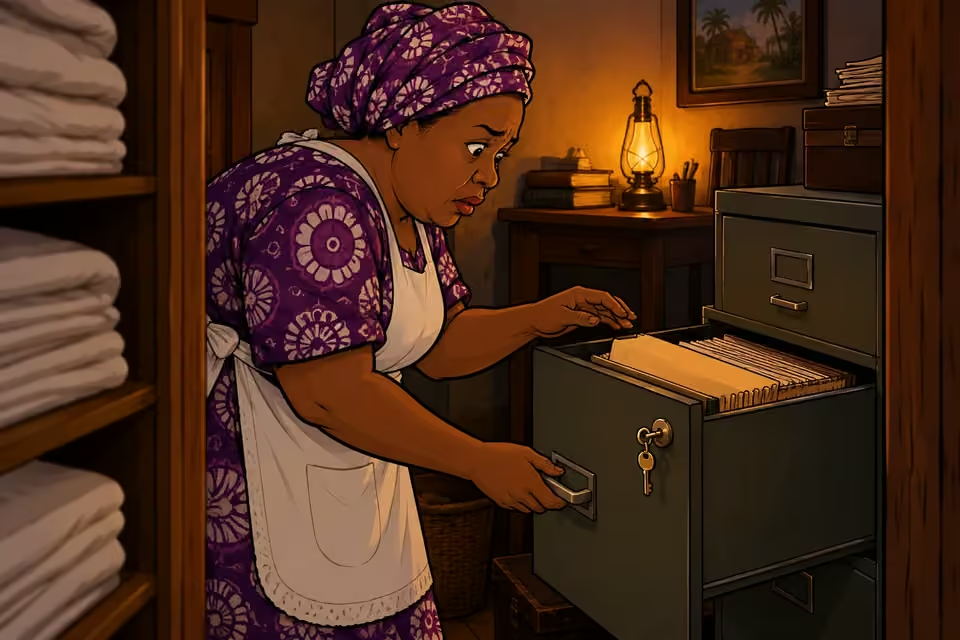
Mama Tutu discovers a hidden manila file in a cabinet behind the linen closet.
A hidden inheritance file

Tucked in a locked cabinet in Agnes’s private home office—not the study everyone knew about, but the smaller one behind the guest bedroom, disguised as a linen closet. Only the housekeeper, Mama Tutu, had the original key. And she’d never dared open it.
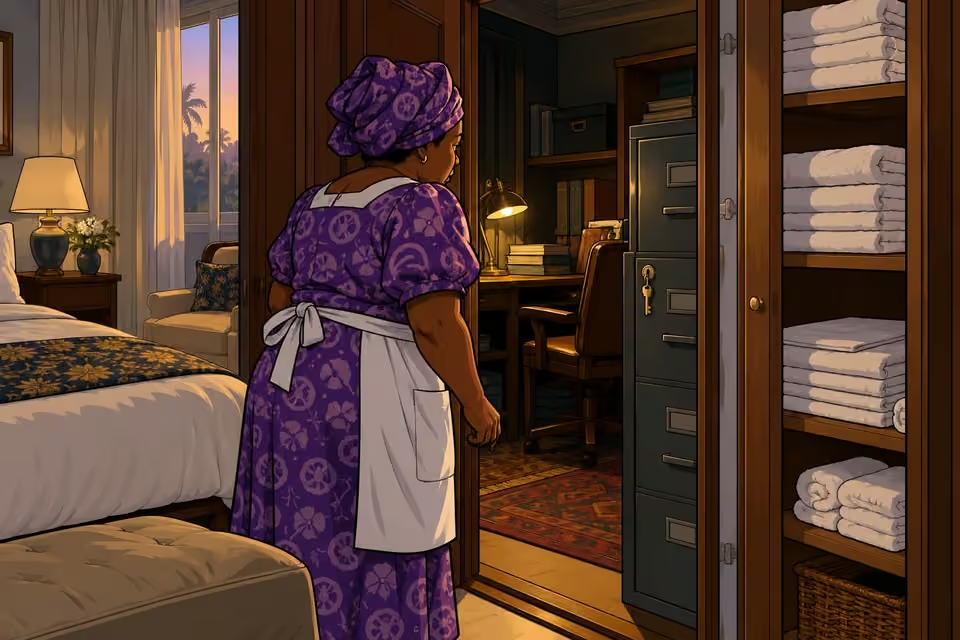
Mama Tutu hesitates at the locked cabinet in a concealed office behind a linen closet.
The original key

Until now.

Mama Tutu finally opens the locked filing cabinet.
The cabinet opens

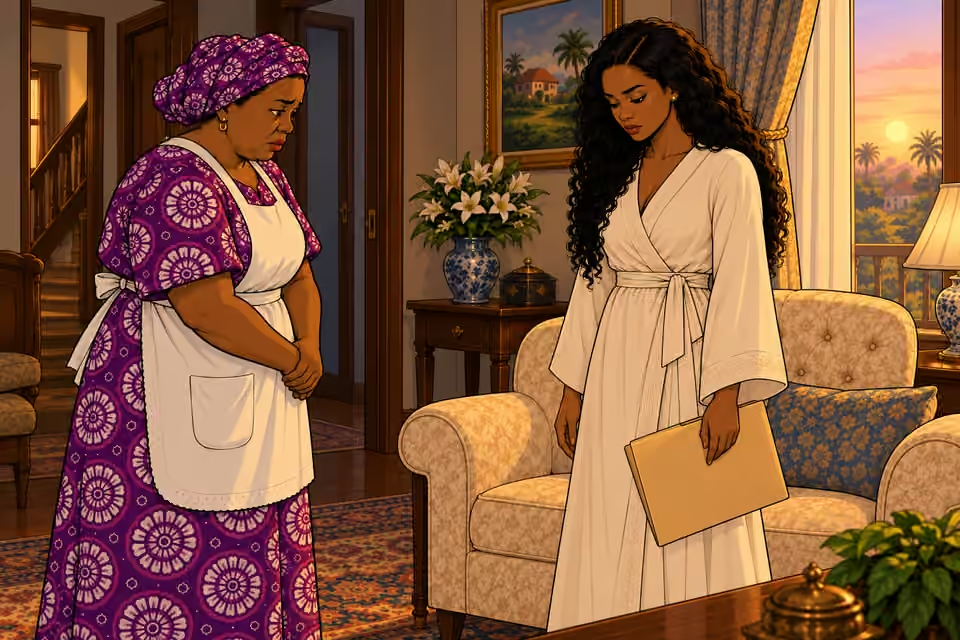
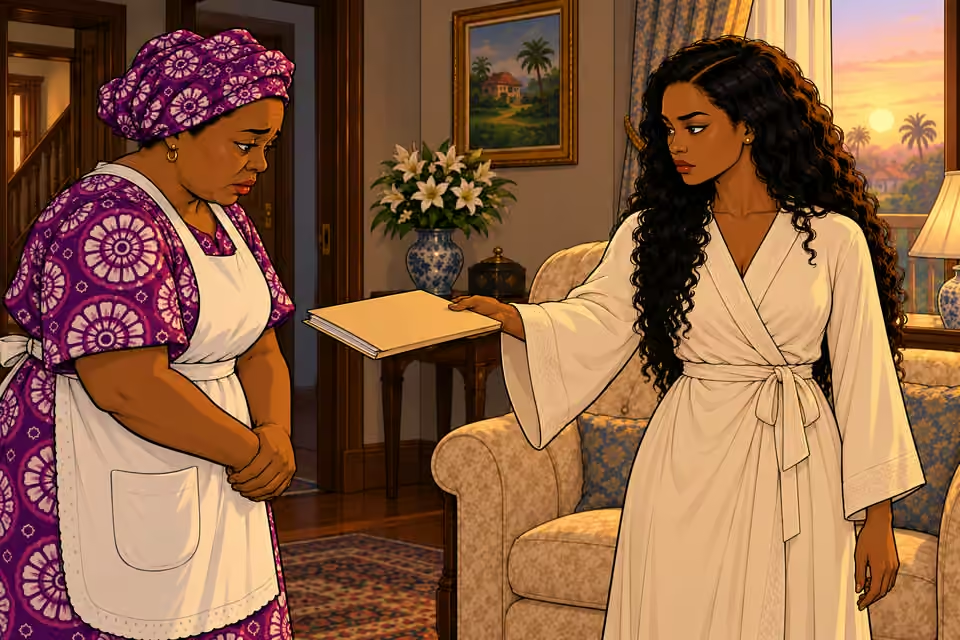
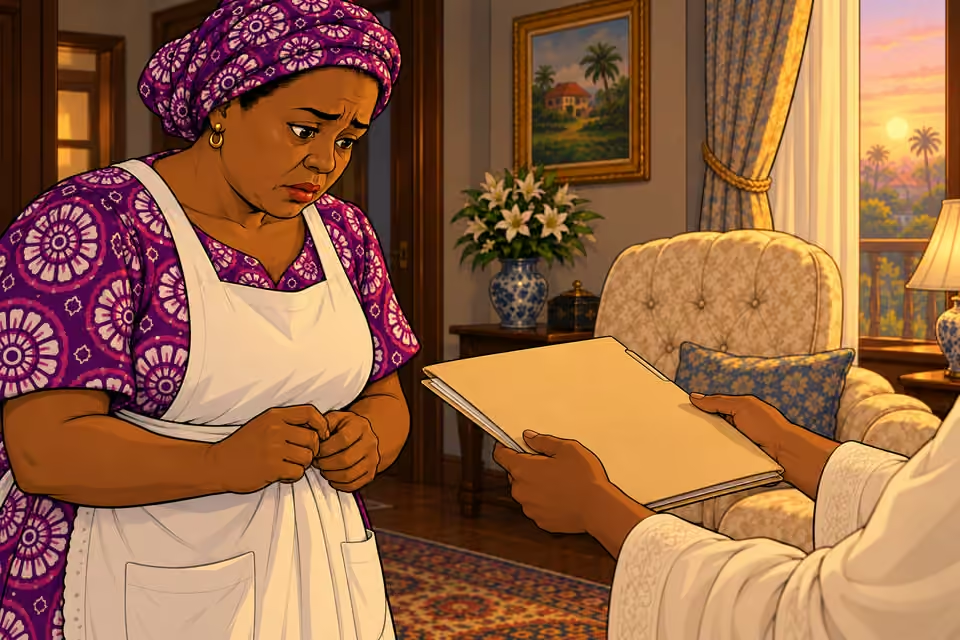
She brought the folder to Amaka at dawn, eyes cast down. “I didn’t want to find this,” she said. “But you should see it.”
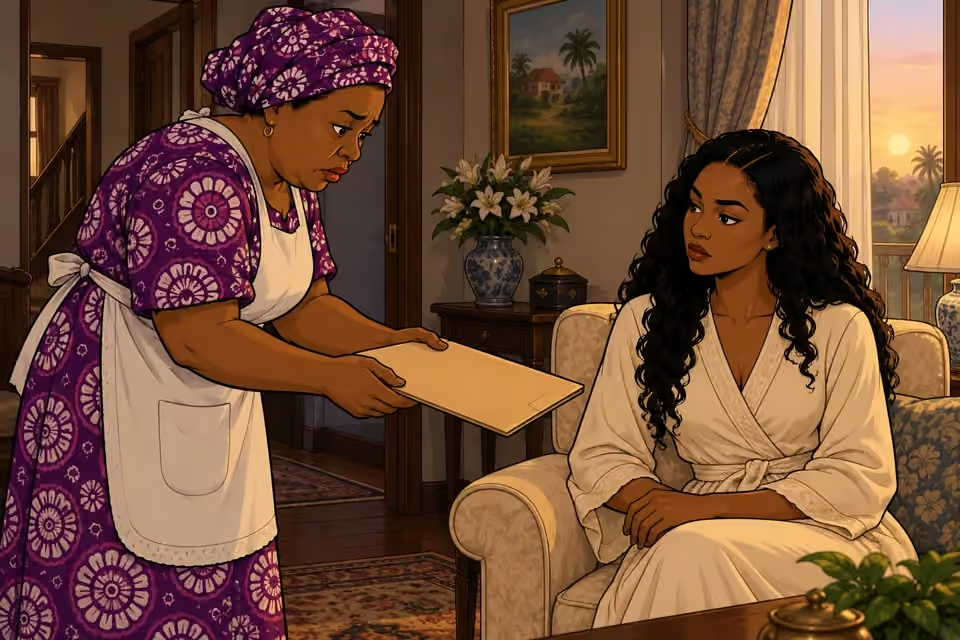
Mama Tutu offers Amaka a folder at dawn, avoiding her eyes.
The hidden file reaches Amaka.

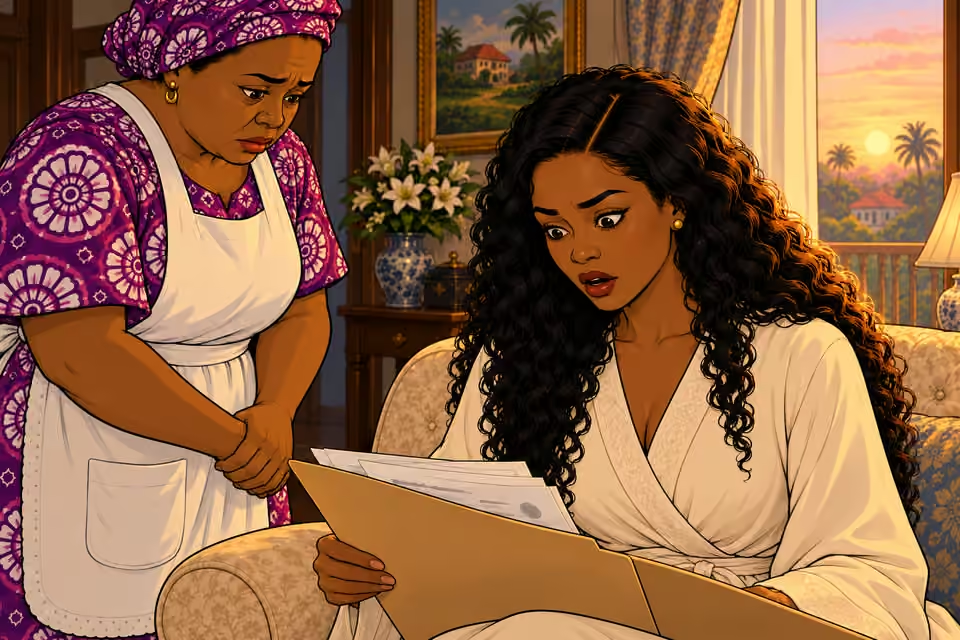
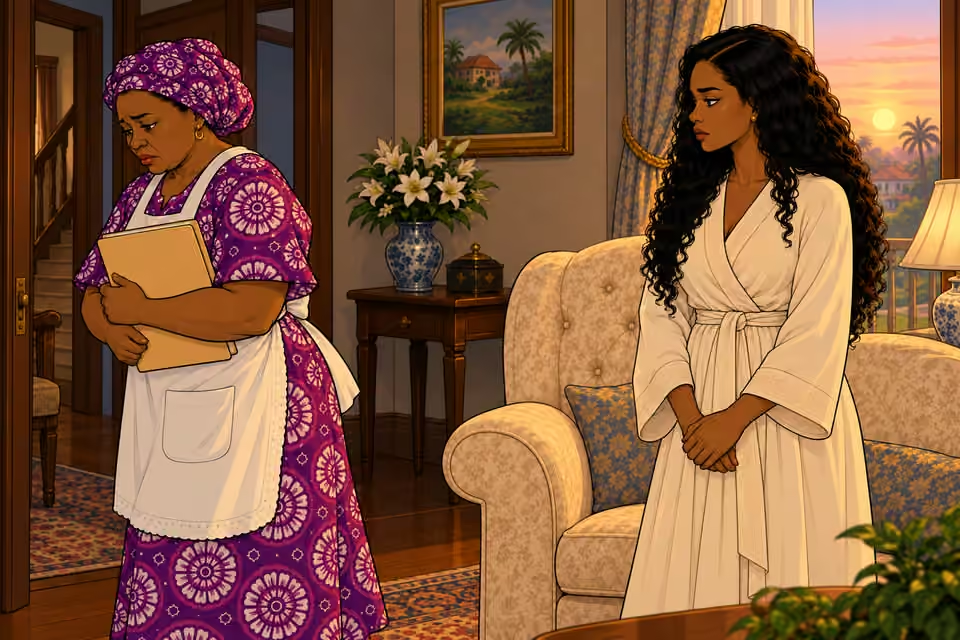
Amaka opened the file slowly, calmly.
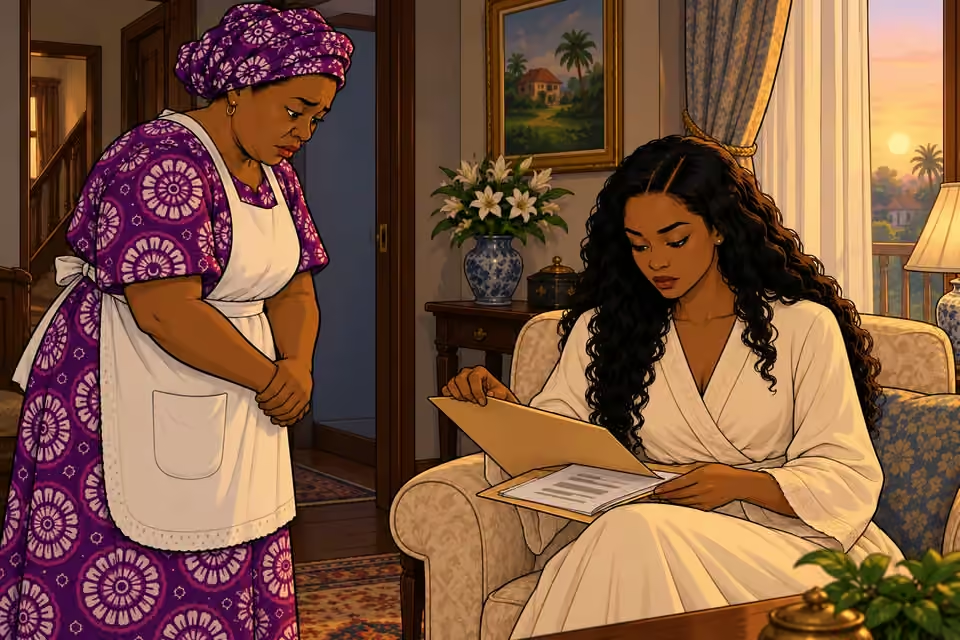
Amaka slowly opens the folder while Mama Tutu waits beside her.
She begins reading the hidden file.

Inside: photocopies of adoption documents.
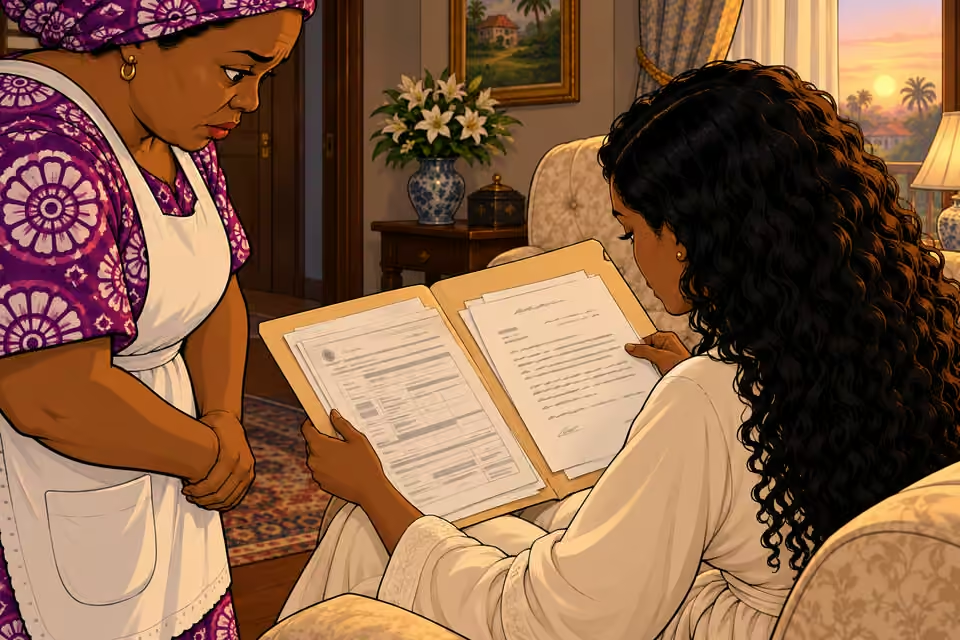
The folder contains copies of adoption documents.

For her.
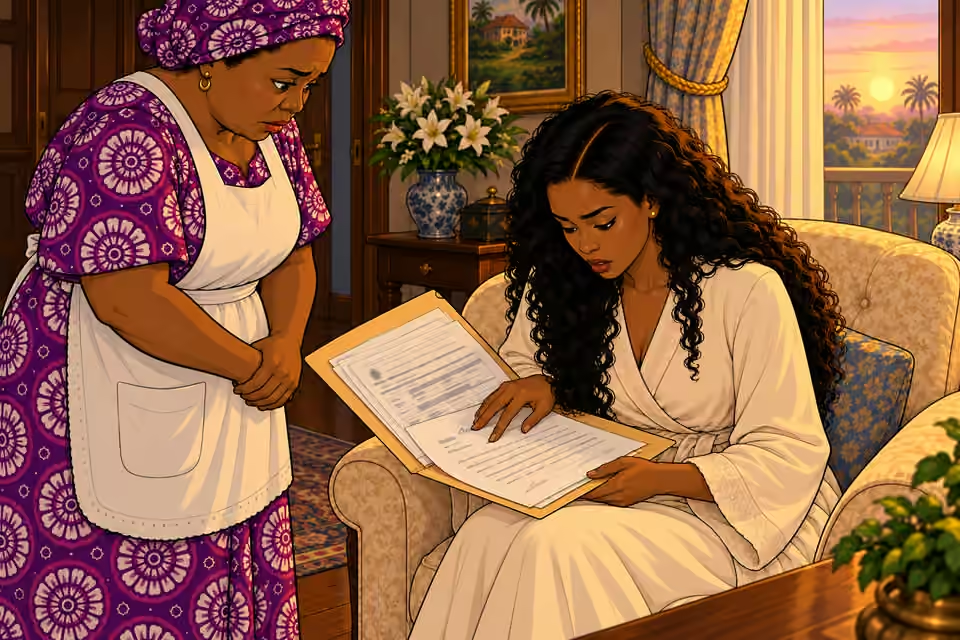
Amaka realizes the adoption papers are hers.

She blinked.

Amaka blinks at the discovery.

Twice.

Amaka blinks again as the news settles.

She turned the papers over. They were dated two years before she turned five. Her name—Amaka Grace Emecheta—was written in a different ink from the signature below it.
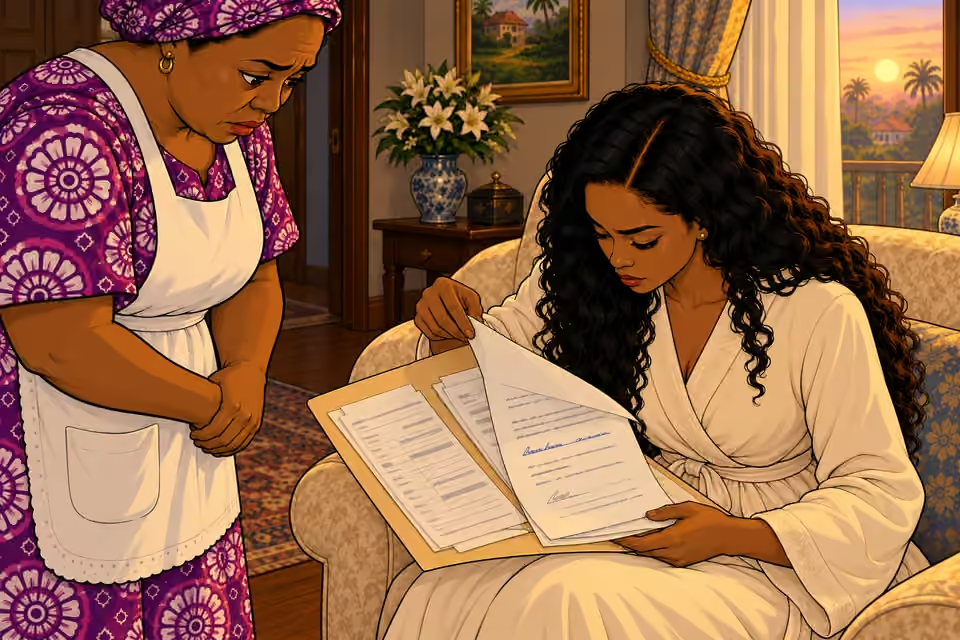
Amaka turns the papers over and studies the dates and ink.

“Not biological,” she whispered.

Amaka whispers that she is not Agnes biological child.

Tucked behind the documents was a letter—never sent, addressed to a woman named Oluchi Nwankwo.
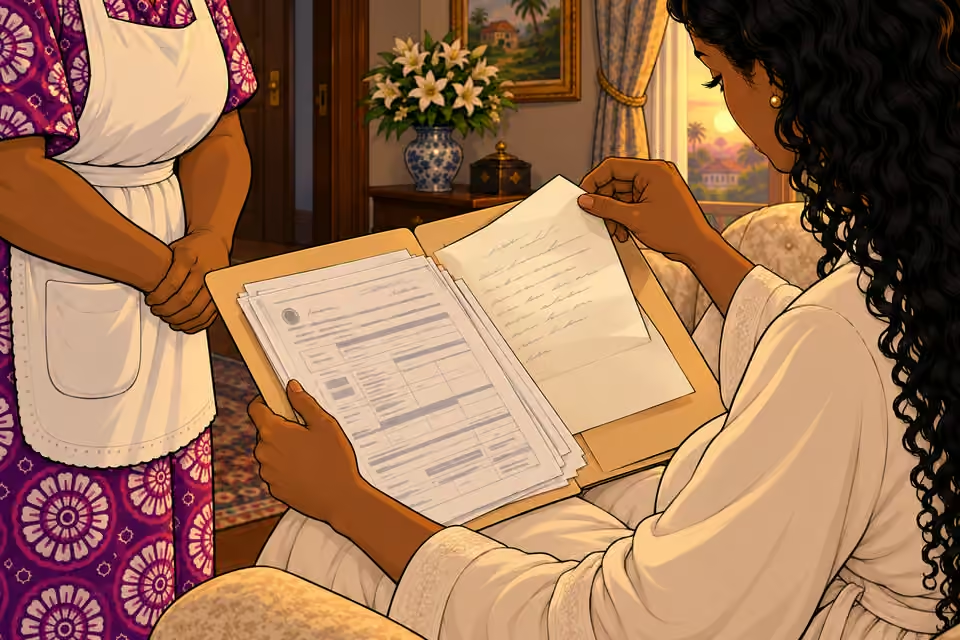
Amaka finds an unsent letter behind the documents.

“You gave me a broken child. I fixed her. She belongs to me now. You will not contact us again.”
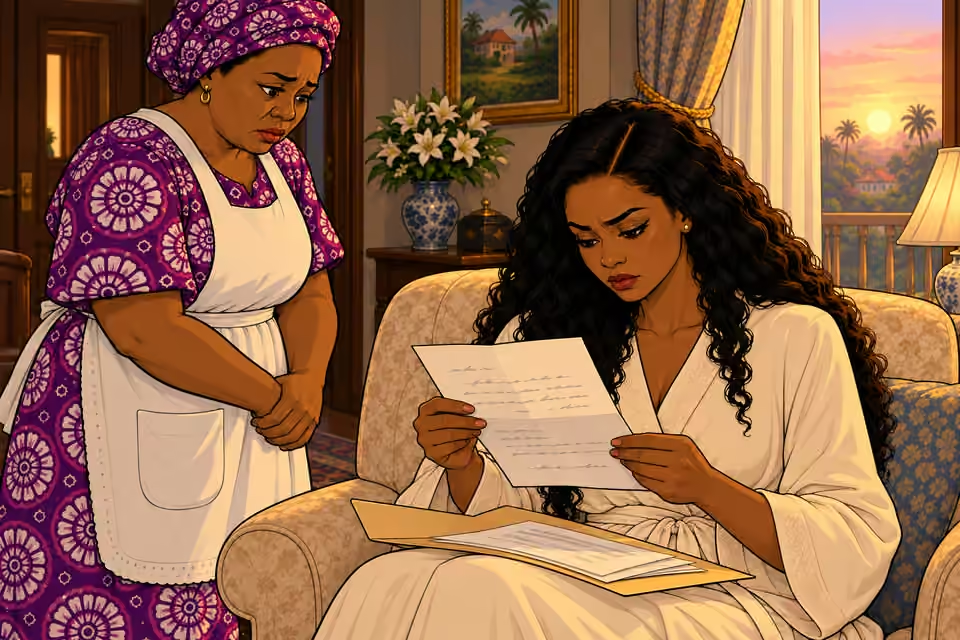
Amaka reads the possessive message in the unsent letter.

Amaka’s fingers trembled slightly as she folded the papers back into the file.
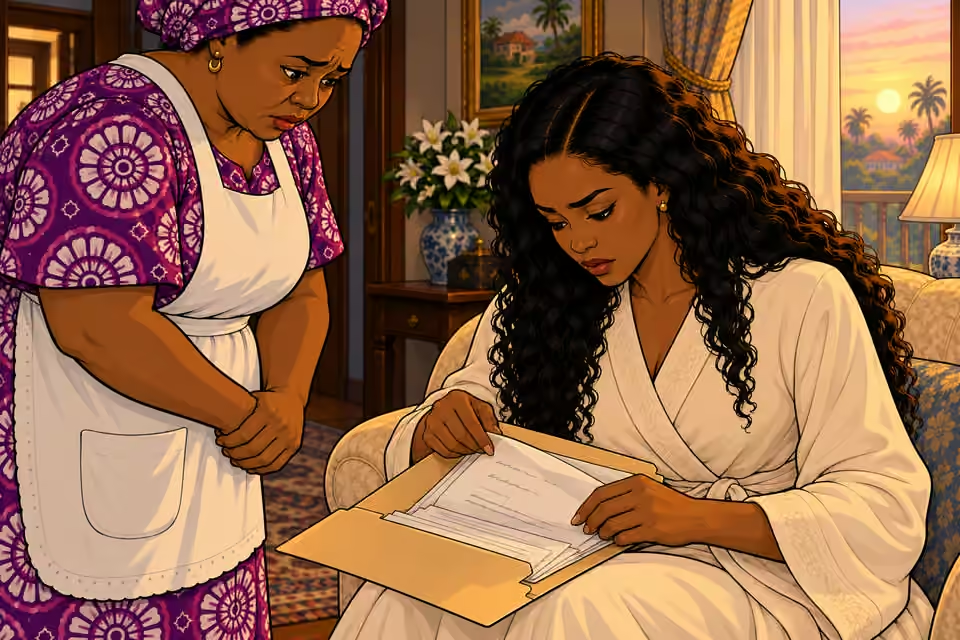
Amaka folds the papers back into the file with trembling fingers.

She stood, quiet.

Amaka stands in silence.

“Burn it,” she told Mama Tutu.

Amaka tells Mama Tutu to burn the file.

The woman hesitated.

Mama Tutu hesitates.

“I said burn it.”

Amaka repeats her order to burn the file.

Tutu took the file and left.

Mama Tutu takes the file and leaves.

Amaka went to her mother’s mirror—the grand one Agnes had imported from Paris, gilded edges, heavy as memory—and stared at herself.

Amaka studies herself in the grand gilded mirror.

The perfect daughter.

Amaka searches the face of the perfect daughter.

The heir.

Amaka considers her place as the heir.

The stranger.

Amaka feels like a stranger to herself.

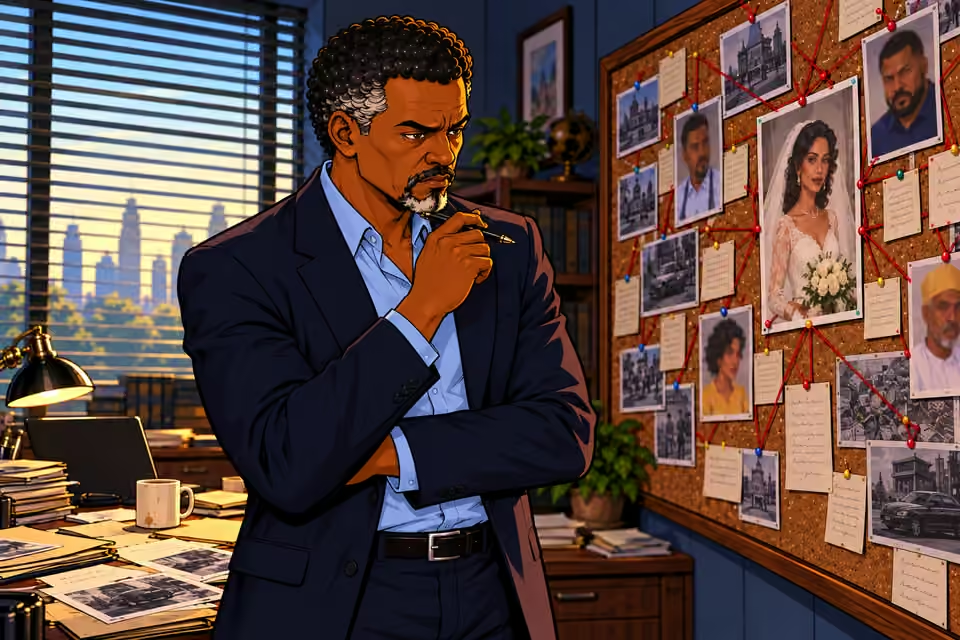
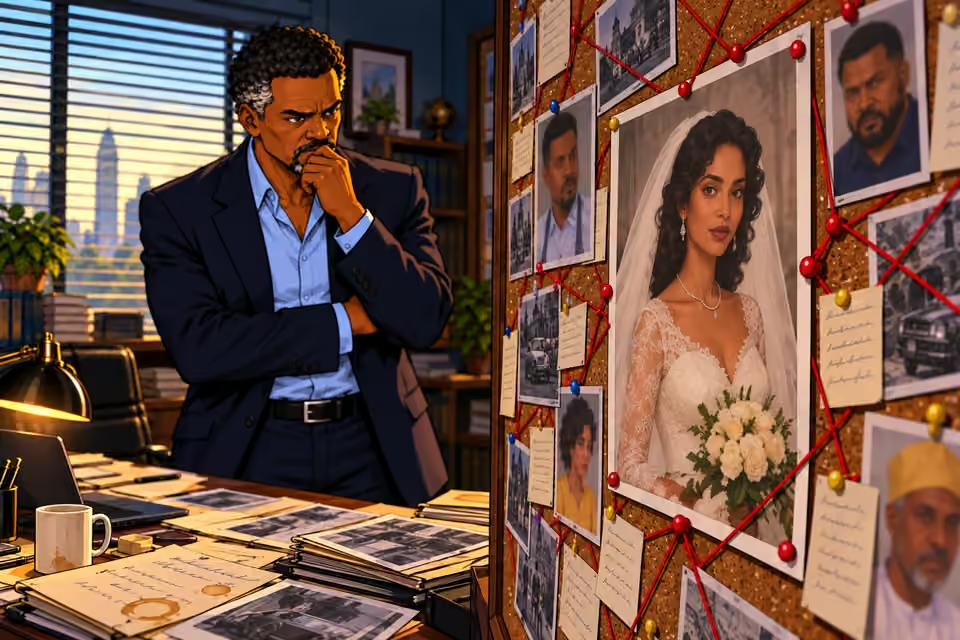
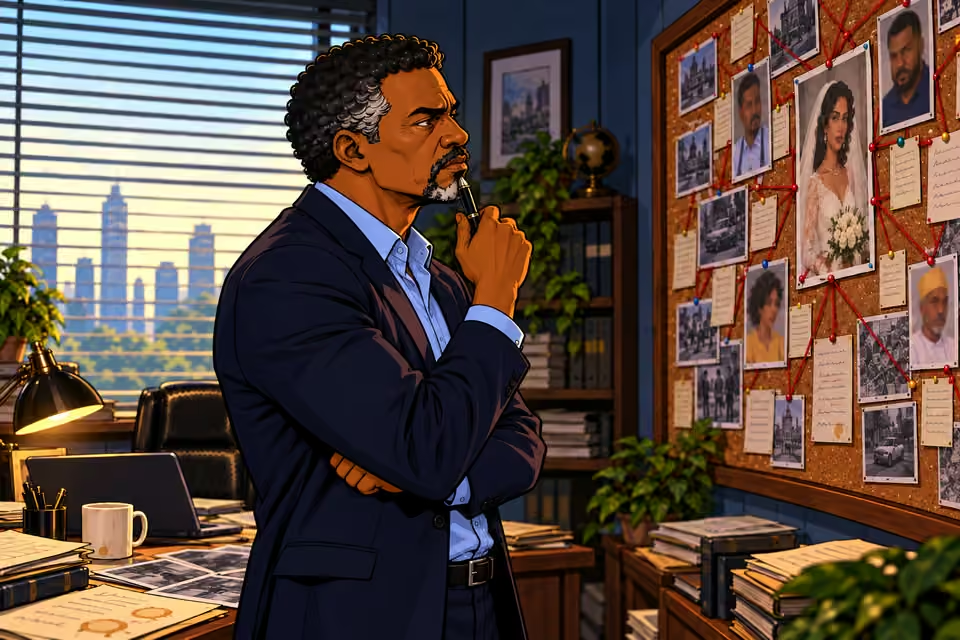
Detective Musa hadn’t slept. His office was a mess of open files, coffee-stained notes, and surveillance photos.
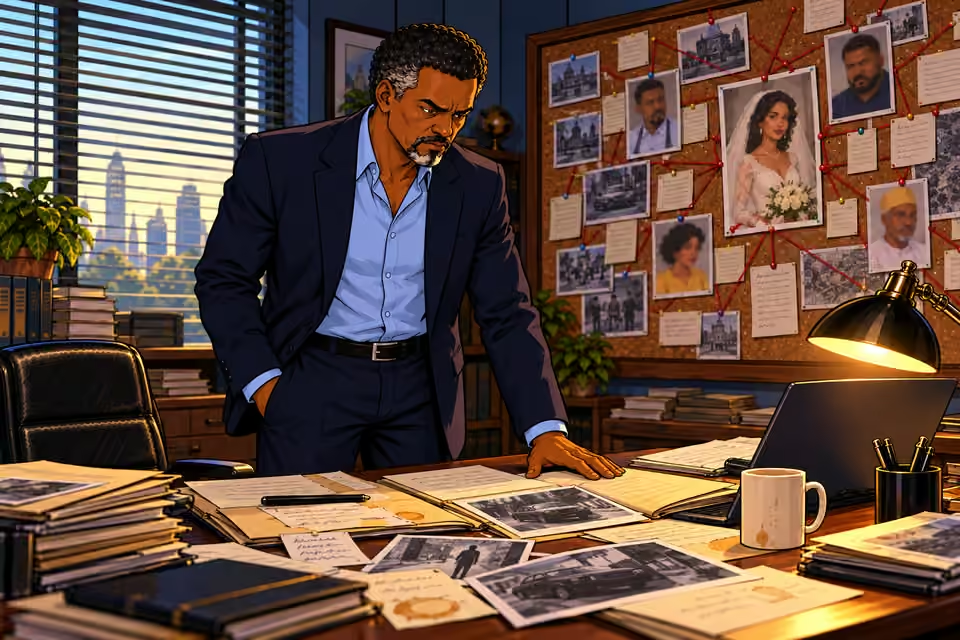
Musa faces the disorder left by a sleepless night.

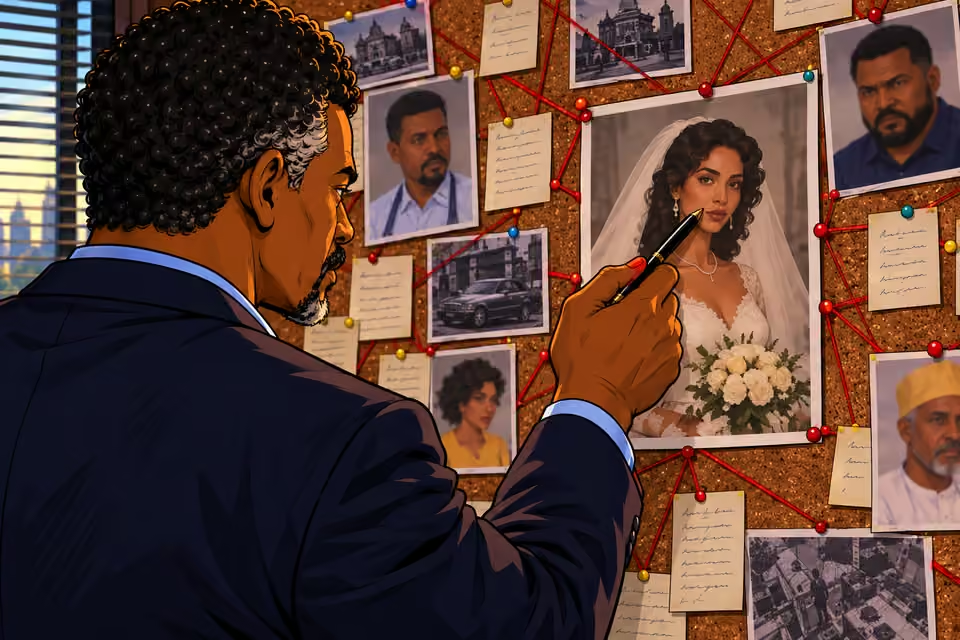
He stared at the corkboard: faces, receipts, timelines, red yarn crisscrossing like veins.
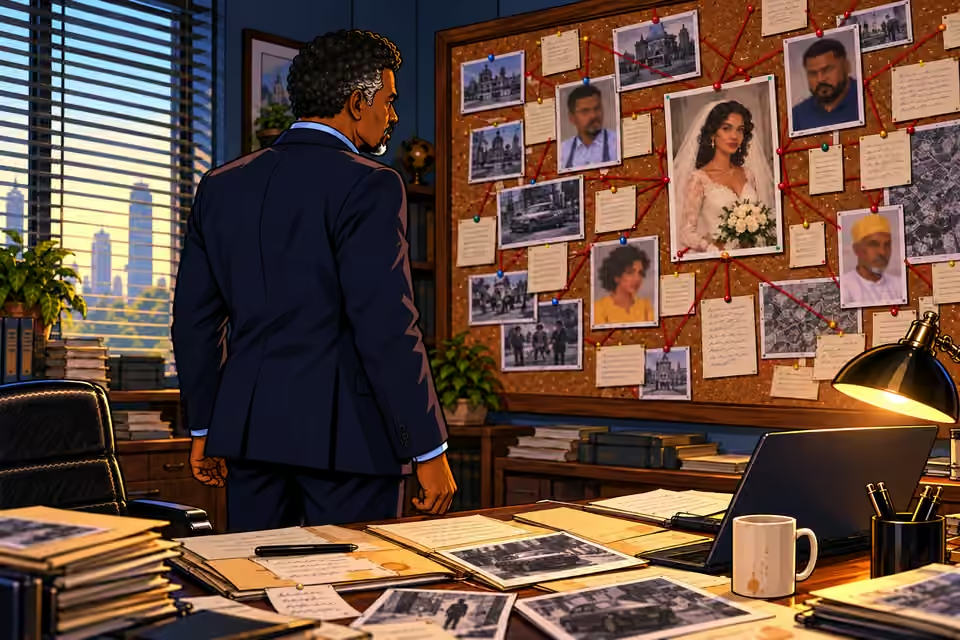
Musa studies the connections on the corkboard.

Amaka’s photo—her wedding portrait—was at the center.
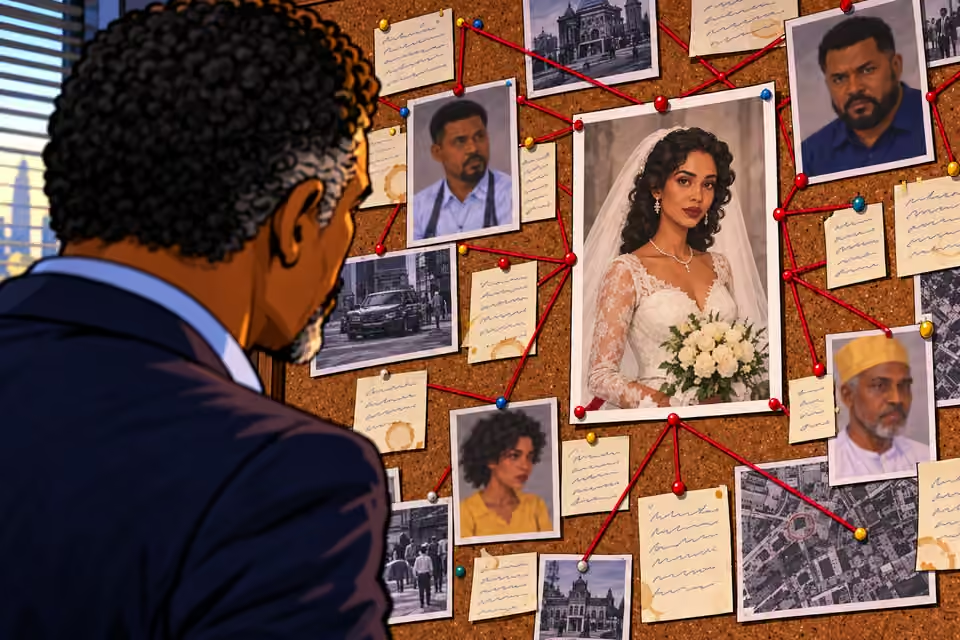
Amaka’s wedding portrait anchors the investigation.

He tapped his pen against her face.

Musa taps his pen against the wedding portrait.

She hadn’t cracked.

Musa remembers how Amaka resisted his questions.

She hadn’t blinked.

Musa studies Amaka’s unblinking expression.

Even when he confronted her about the shell companies, about the money trail, about Moses.
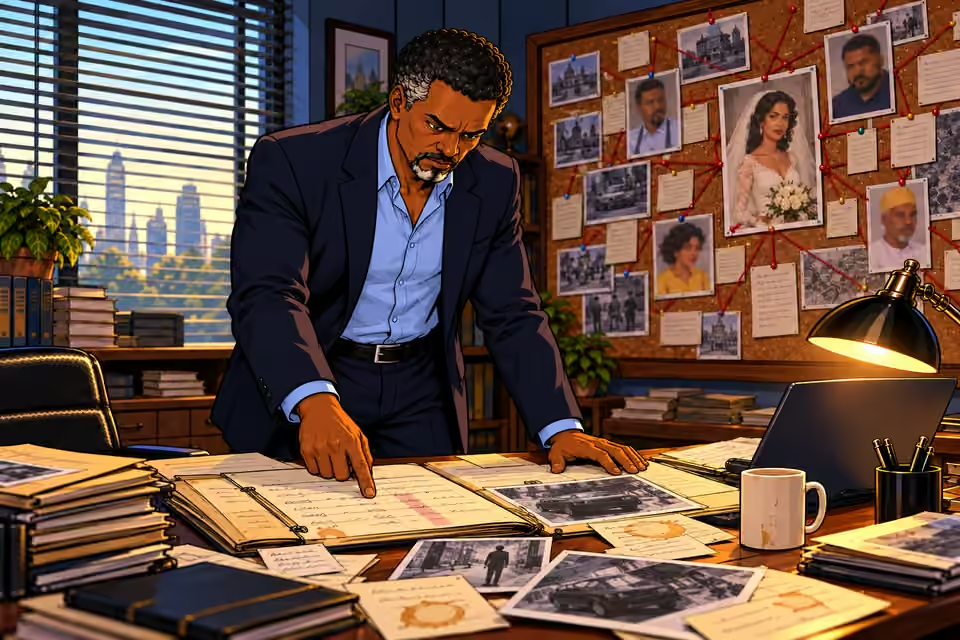
Musa revisits the money trail and the missing cook.

She’d simply… stared.

Musa pauses over the calm stare he remembers.

There was only one thing left: Moses himself.
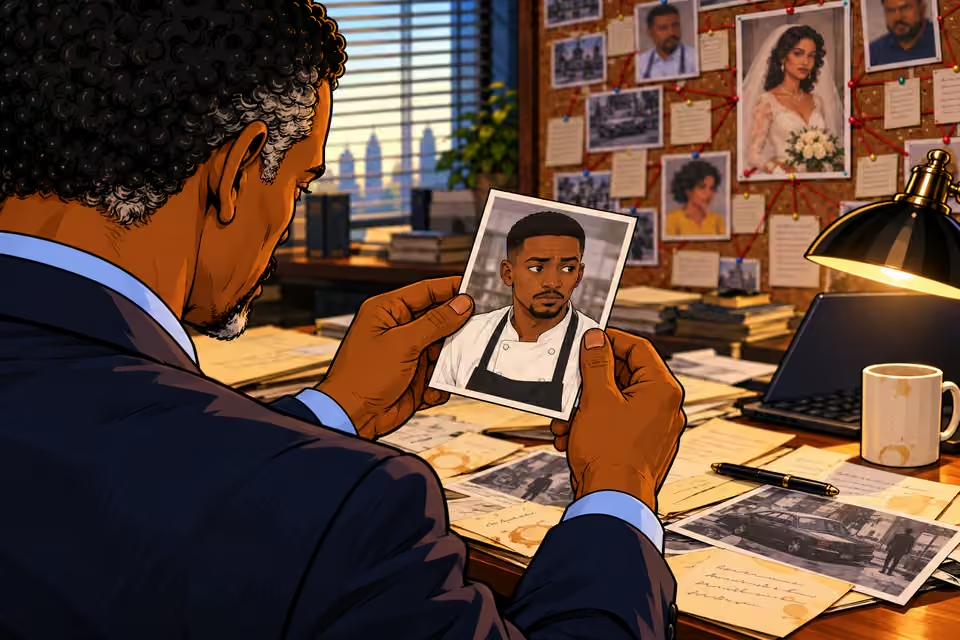
Musa turns his attention to finding Moses.

And that meant finding the body—or finding the silence.
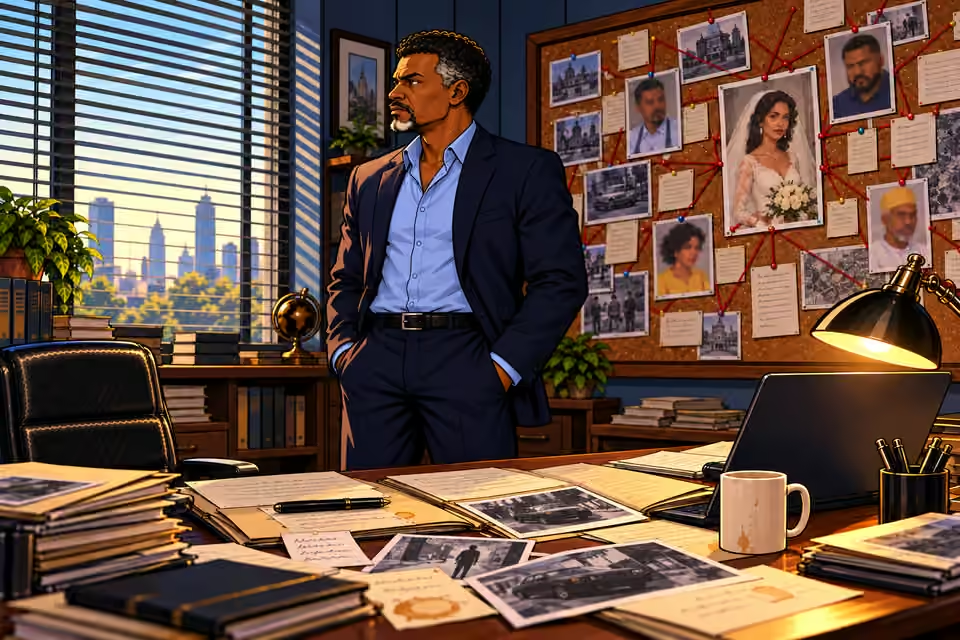
Musa considers where to search next.

Uju sat in her car outside the Emecheta Foundation office, gripping the photo she’d been sent.

Uju studies the photograph outside the Foundation.

She had a choice.

Uju weighs her options.

She could take it to the press.

Uju considers taking the photograph to the press.

Or she could take it to Amaka.

Uju considers taking the photograph to Amaka.

Her hands were shaking. Her heart beat like a drum in a distant forest.

Uju tries to steady her shaking hands.

She started the engine.

Uju starts the car.
Uju starts the car.

And turned toward the estate.

Uju drives toward the estate.

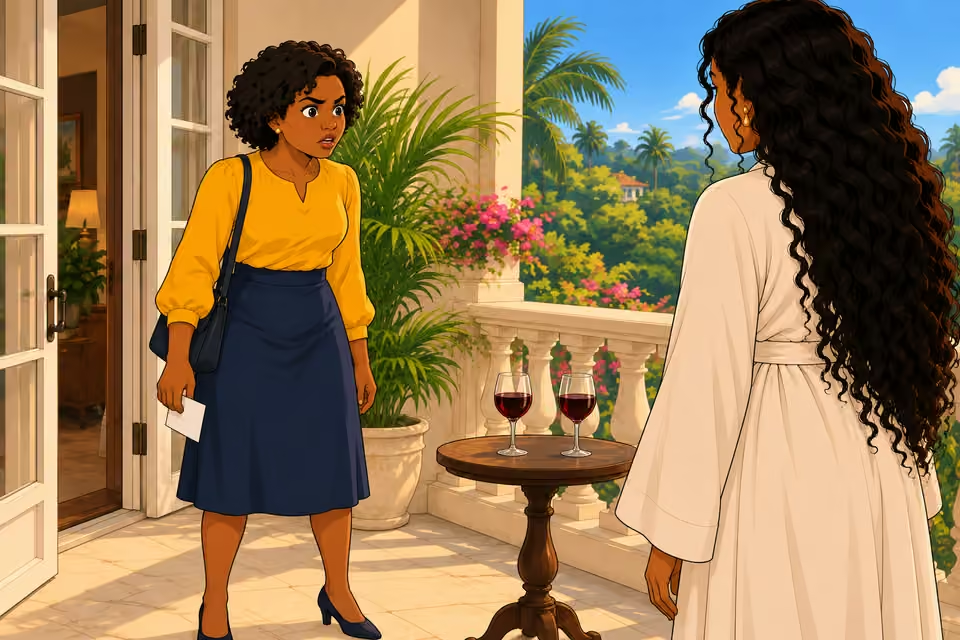
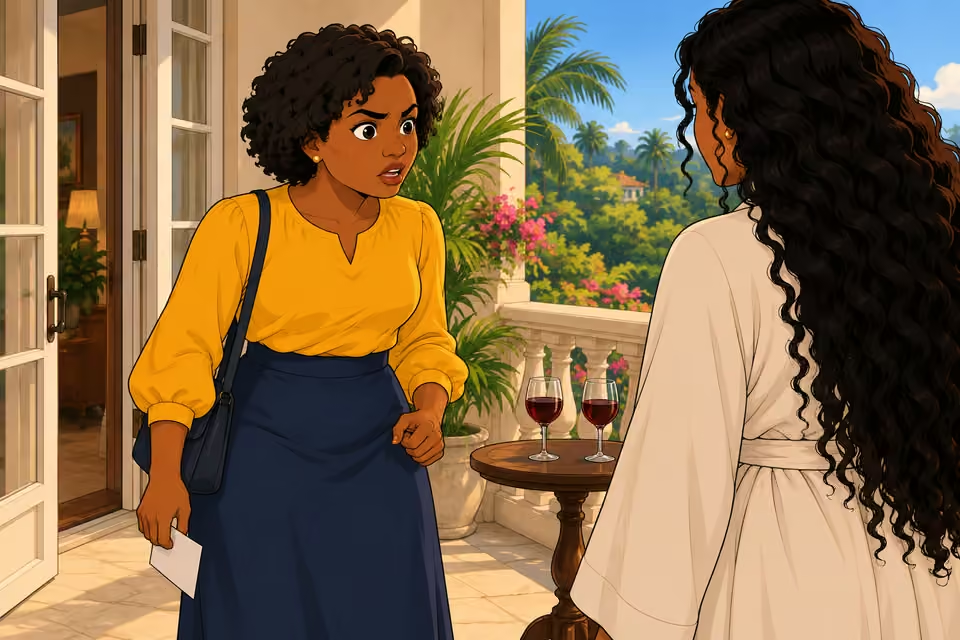
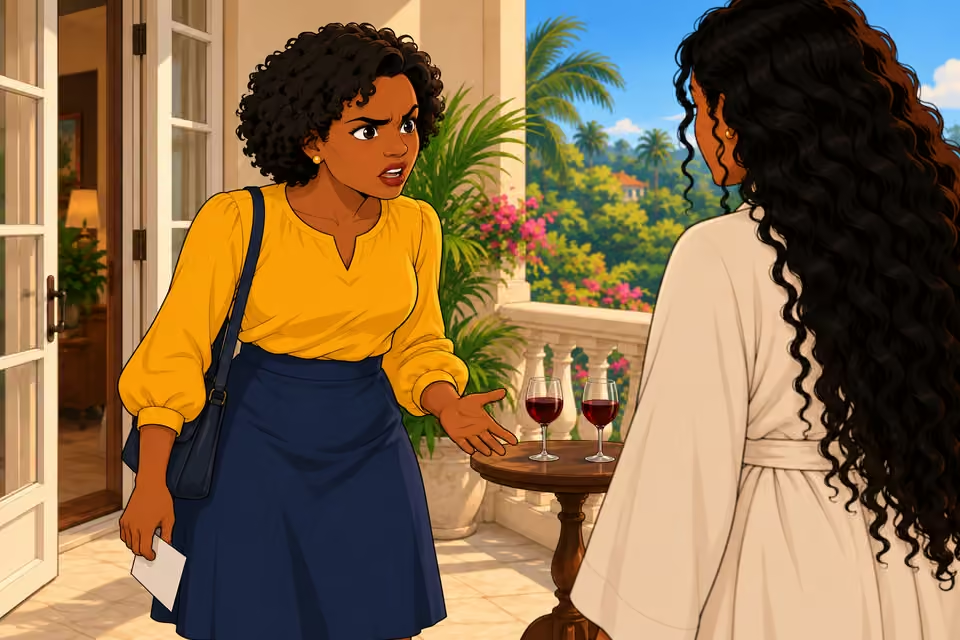
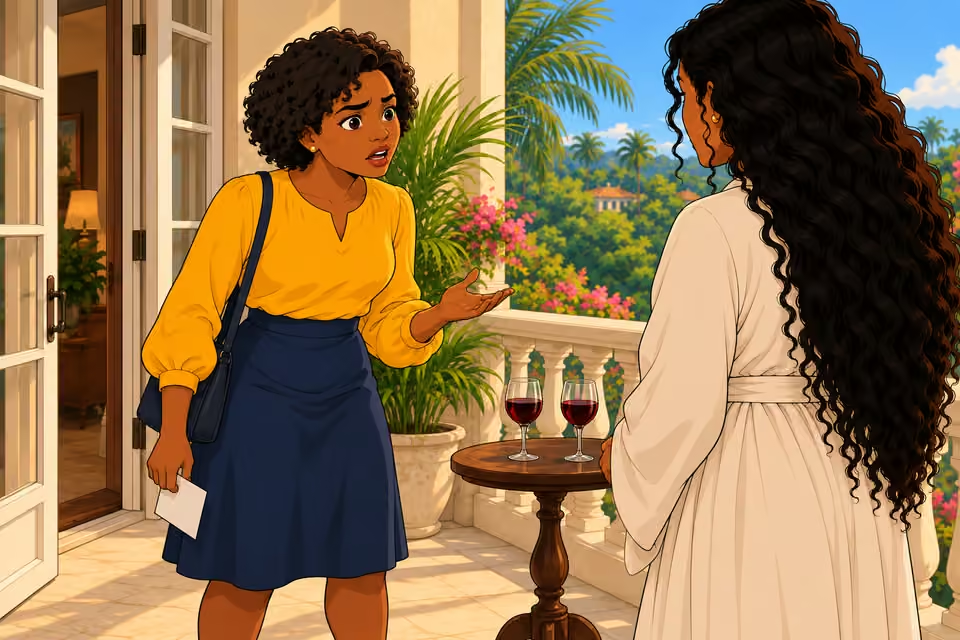
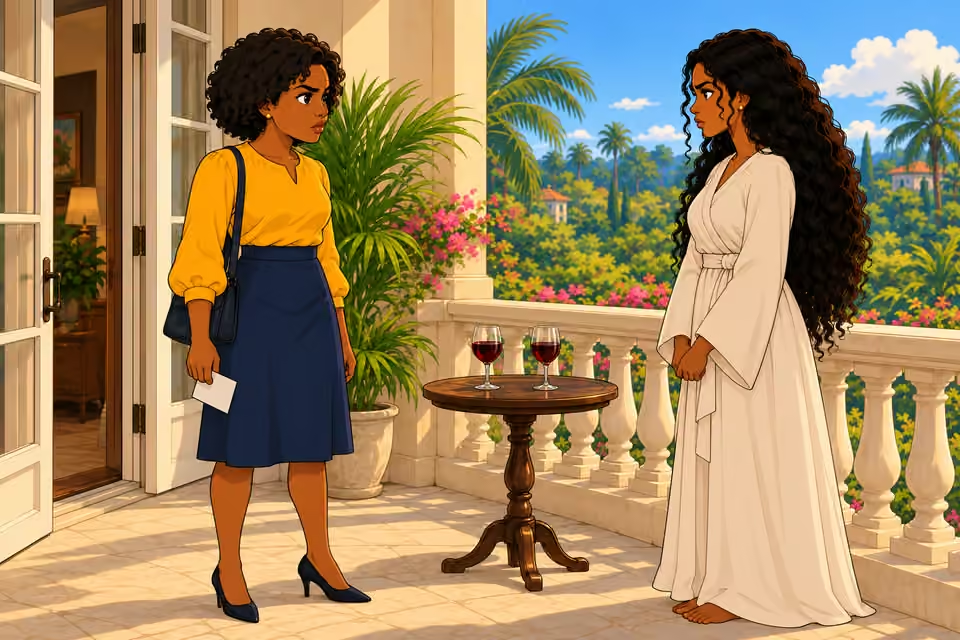
Amaka was waiting on the balcony when Uju arrived. She already had two glasses of wine poured.
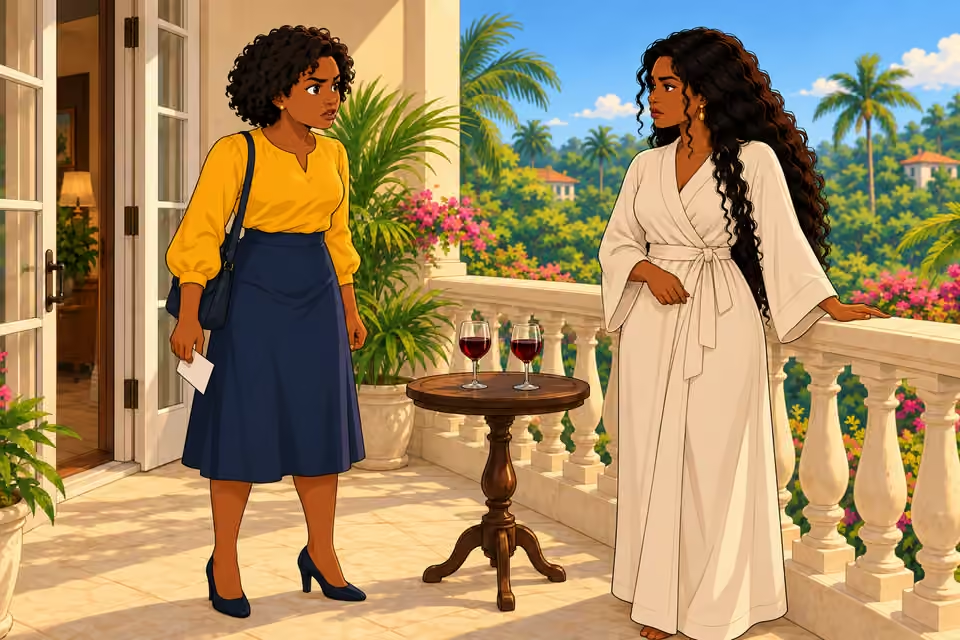
Uju arrives to find Amaka waiting with wine.

“You got it,” Amaka said as Uju entered. “The photo.”

Amaka acknowledges the photograph.

“You knew?”

Uju asks whether Amaka knew about the photograph.

“I sent it.”

Amaka admits that she sent the photograph.

Uju froze. “Why?”

Uju freezes and asks why.

“To see if you’d betray me.”

Amaka reveals that the photograph was a test.

“You’re insane.”

Uju confronts Amaka’s cruelty.

“No,” Amaka said. “I’m free. Finally.”

Amaka insists that she is finally free.

Uju stepped forward. “Why him? Why Moses?”
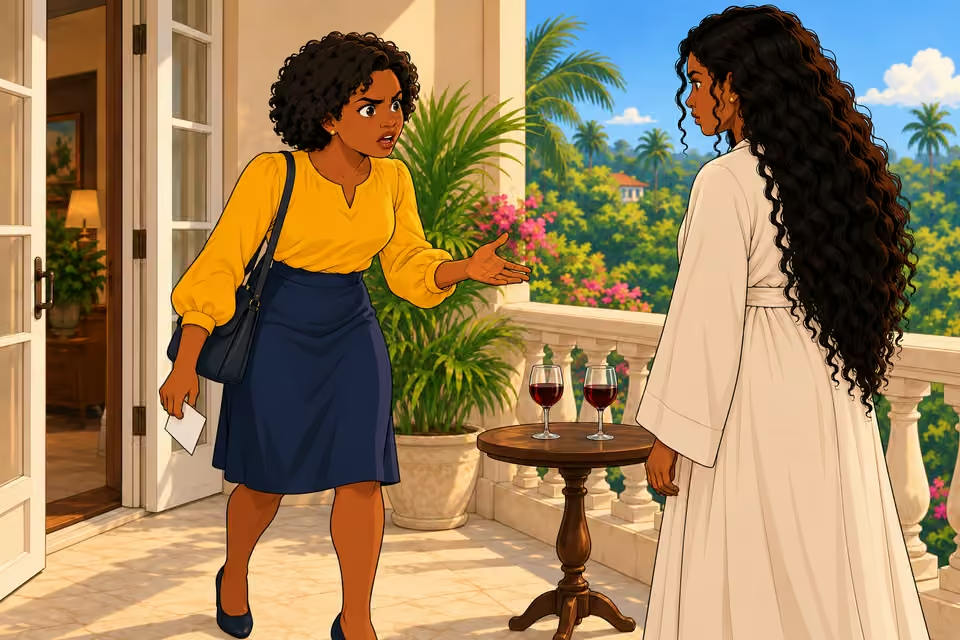
Uju demands to know why Moses was targeted.

Amaka didn’t blink. “Because I needed someone afraid enough to obey and dumb enough to vanish.”

Amaka describes how she chose someone she could control.

“You used him.”

Uju says that Amaka used him.

“I used everyone. I had to. It was the only language she taught me.”

Amaka admits to using everyone around her.

Uju looked down at the wineglass in front of her. Didn’t touch it.

Uju refuses to touch the wine.

“She would’ve destroyed me in that will,” Amaka continued. “She was preparing to hand everything to a lie.”
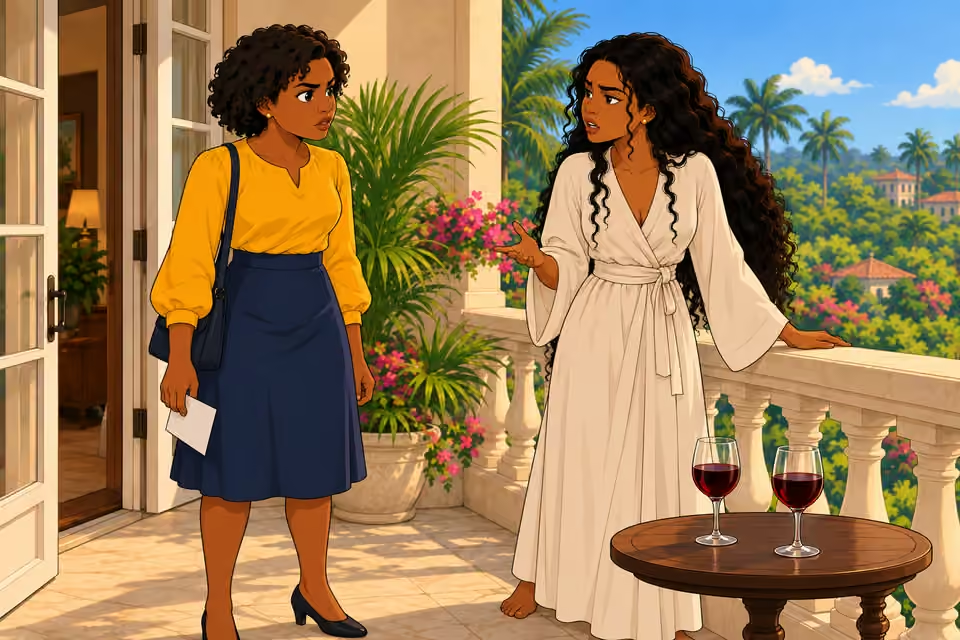
Amaka explains the threat she saw in the will.

“She raised you.”

Uju reminds Amaka who raised her.

“She kept me.”

Amaka describes that upbringing as possession.

Silence.

A tense silence settles between them.

Then Uju asked, “What happens now?”

Uju asks what happens next.

Amaka smiled. “Now? We pretend none of this ever happened.”

Amaka proposes that they pretend nothing happened.

“I don’t think I can.”

Uju says she cannot do that.

“You can. Because you need me.”

Amaka claims that Uju still needs her.

“No,” Uju said. “I need to live with myself.”
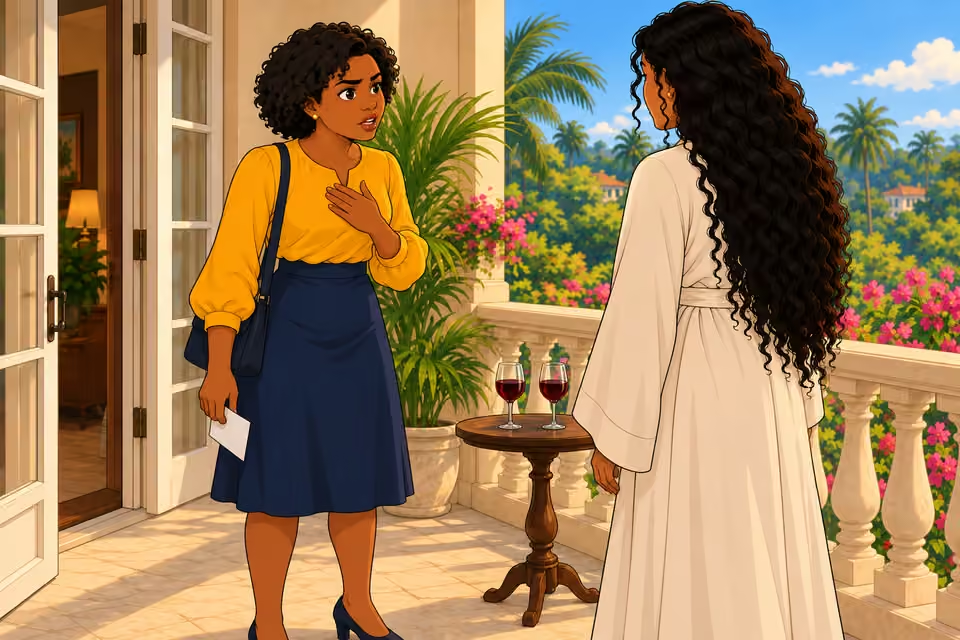
Uju chooses to live with her conscience.

She turned to go.

Uju turns to leave.
Uju turns to leave.

Amaka didn’t follow.

Amaka lets her walk away.

Didn’t beg.

She refuses to plead.

Just whispered, “Then don’t look back.”

Amaka whispers a final warning.

Uju didn’t.

Uju leaves without looking back.

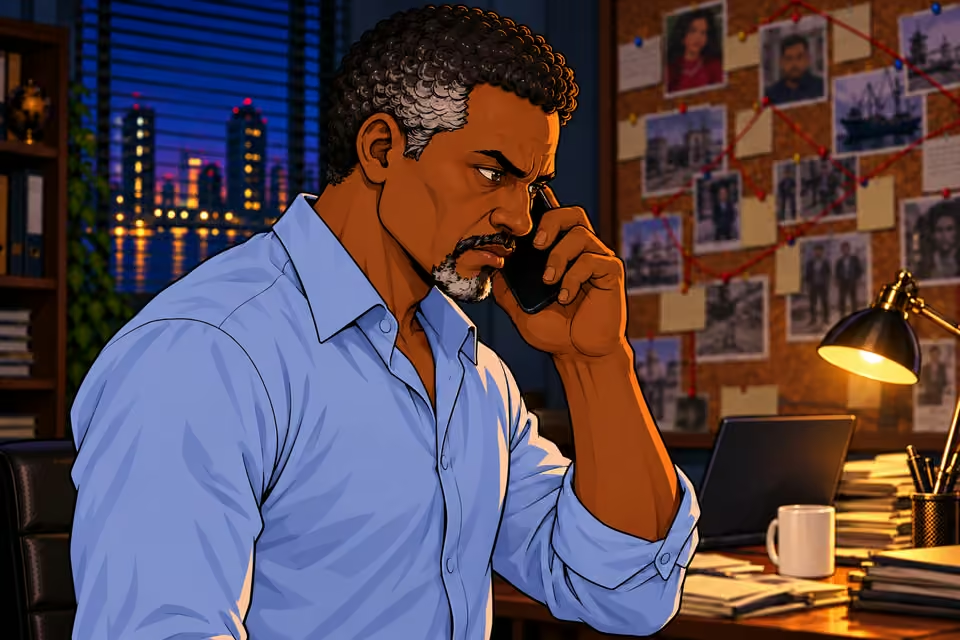
That night, Musa got a call from an informant.

An informant calls Musa that night.

“I know where he is,” the voice said. “The cook.”

The caller says he has found the cook.

“Alive?”

Musa asks whether the man is alive.

“Yes. But he wants protection.”

The caller says the man wants protection.

Musa stood up. “Where is he?”

Musa stands and demands the location.

A pause.

A pause holds him in suspense.

Then:

He listens for the answer.

“He’s at the harbor. He was trying to leave on a cargo boat. But he’s scared.”

The caller directs him to the harbor.

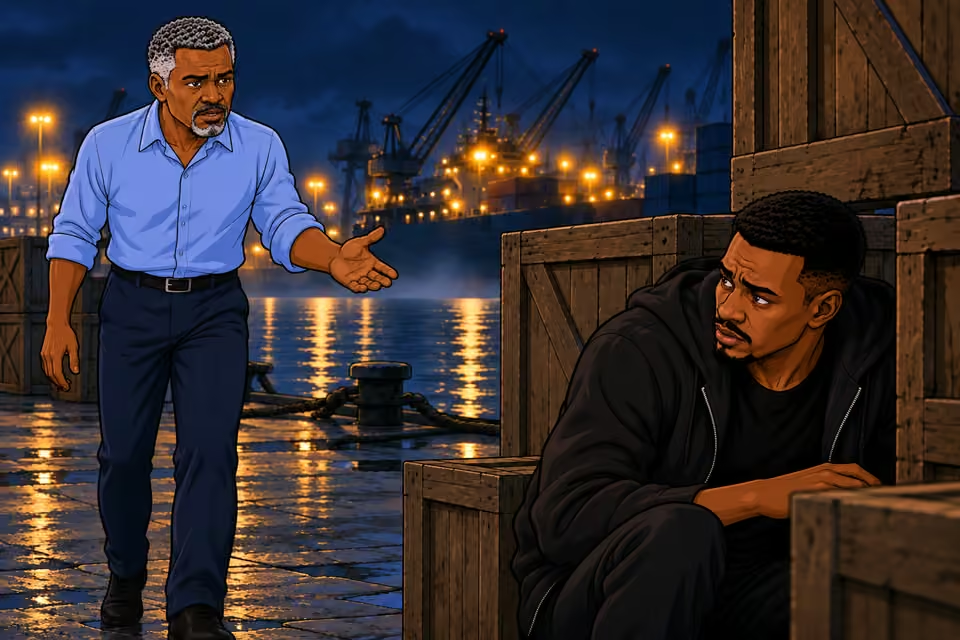
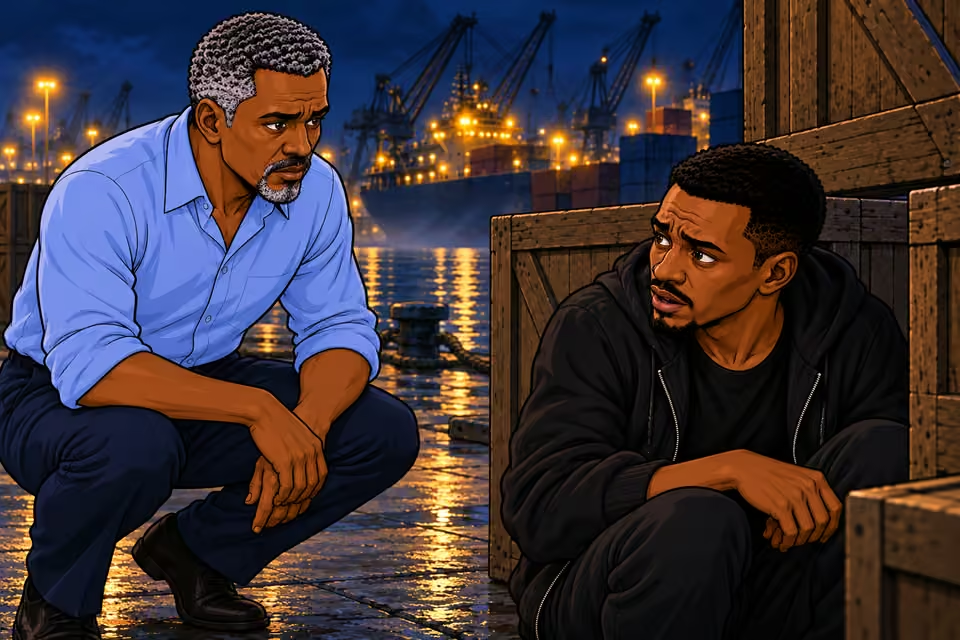
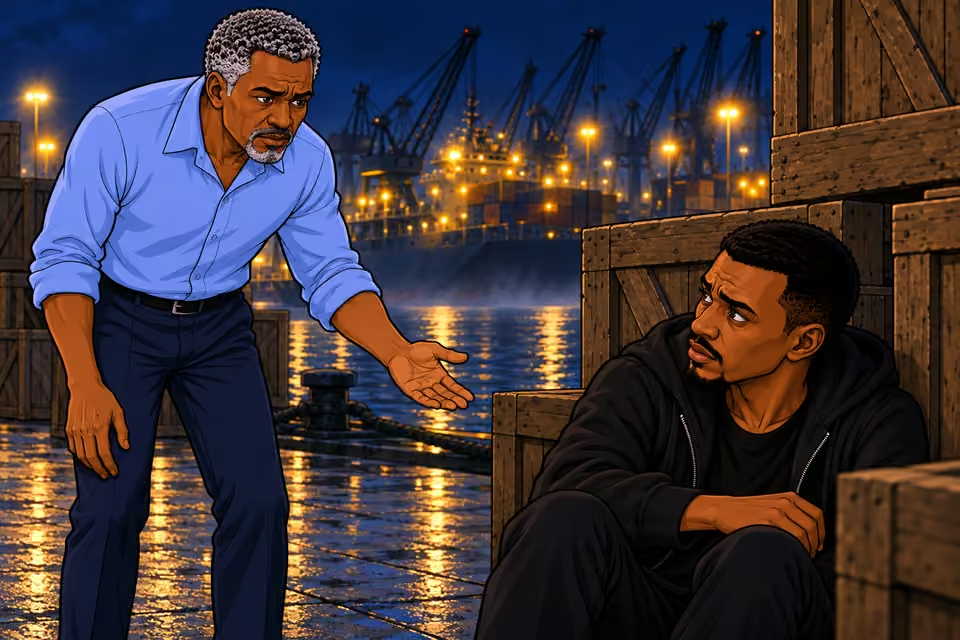
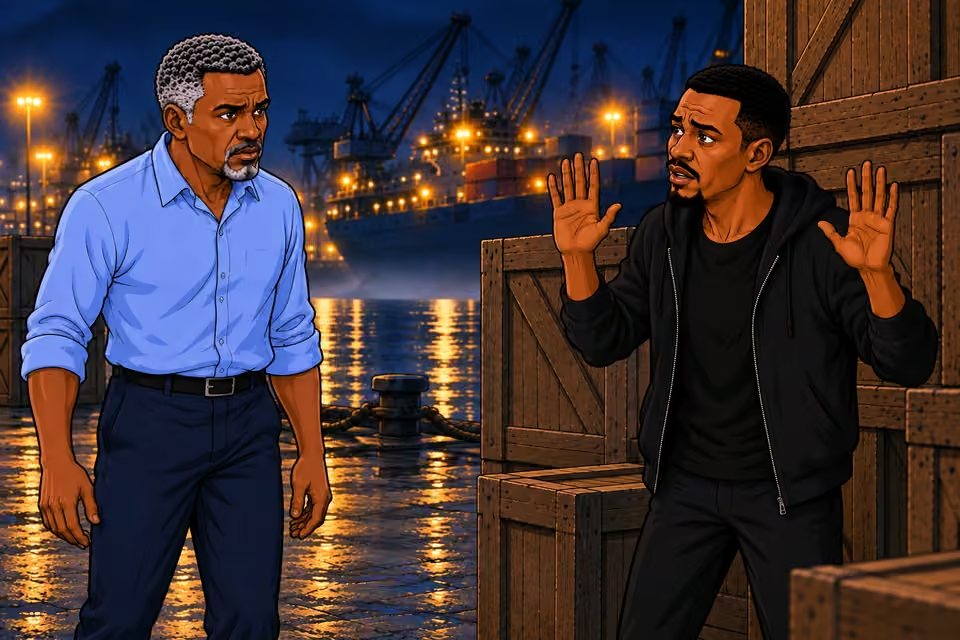
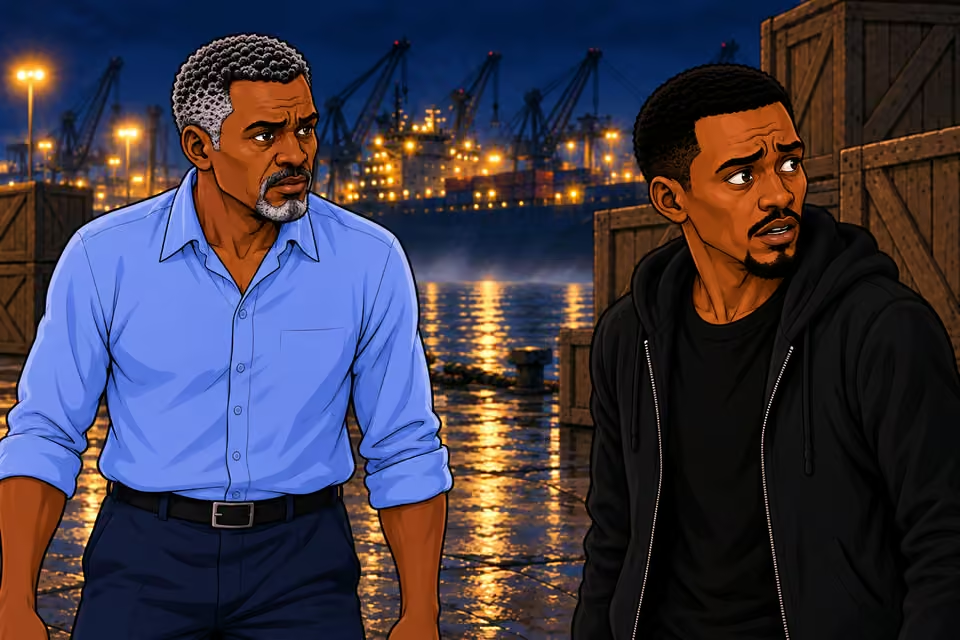
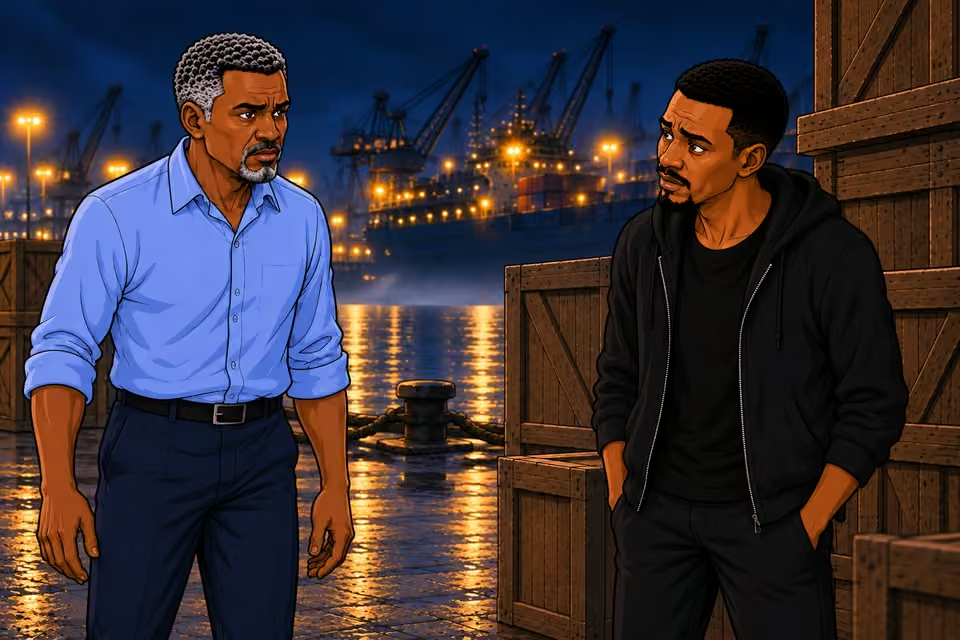
Musa arrived just as the boat lights flickered in the distance. He spotted the young man crouched behind a stack of crates.
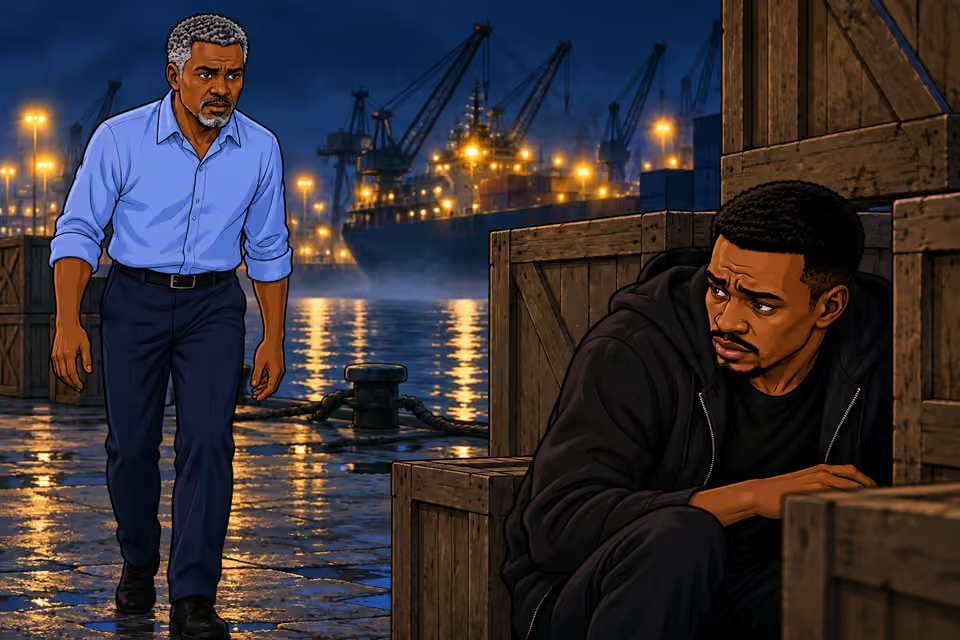
Musa finds the frightened man at the harbor.

“Moses Edem?” he called.

Musa calls the man by Moses’s name.

The boy flinched. Turned.

The man startles and turns.

“Yes.”

He answers to the name.

“I’m here to help you.”

Musa offers him help.

Moses stepped out, slow, hands raised. “She’s going to kill me.”
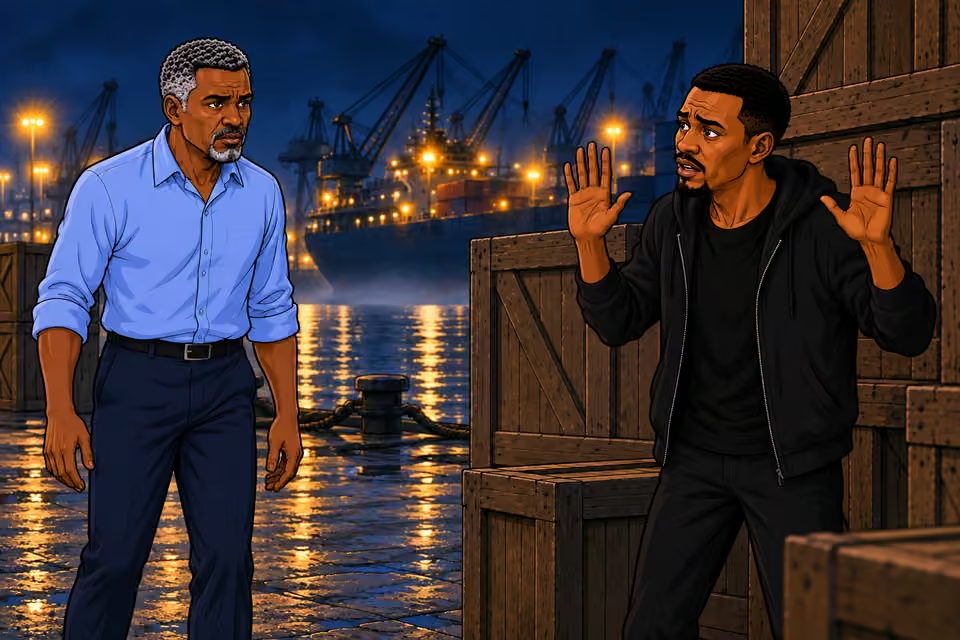
The man steps out, afraid for his life.

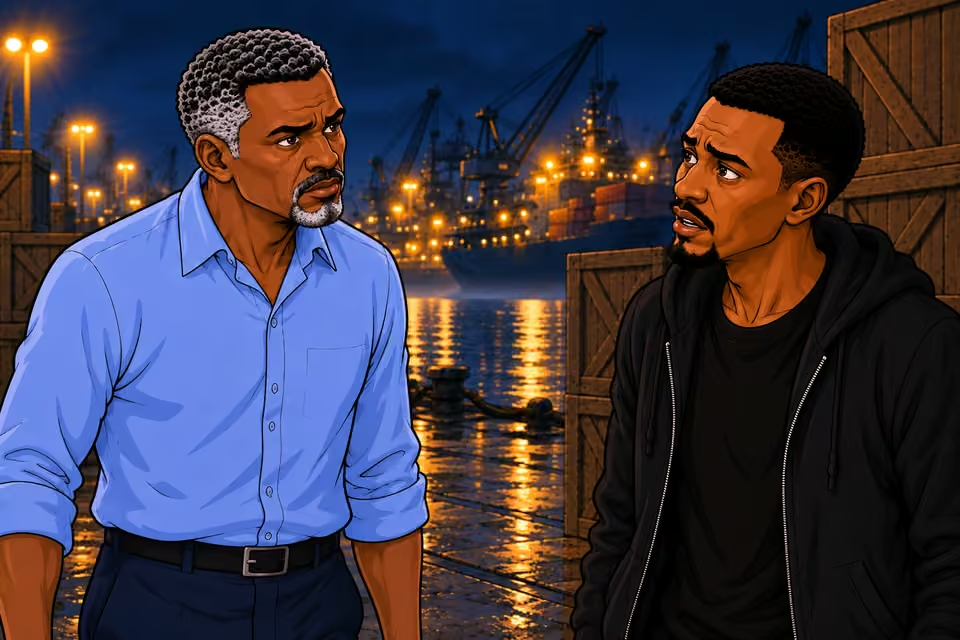
“Who?”

Musa asks whom he fears.

“You know who.”

The man says Musa already knows.

“I need your statement,” Musa said. “I need the truth.”
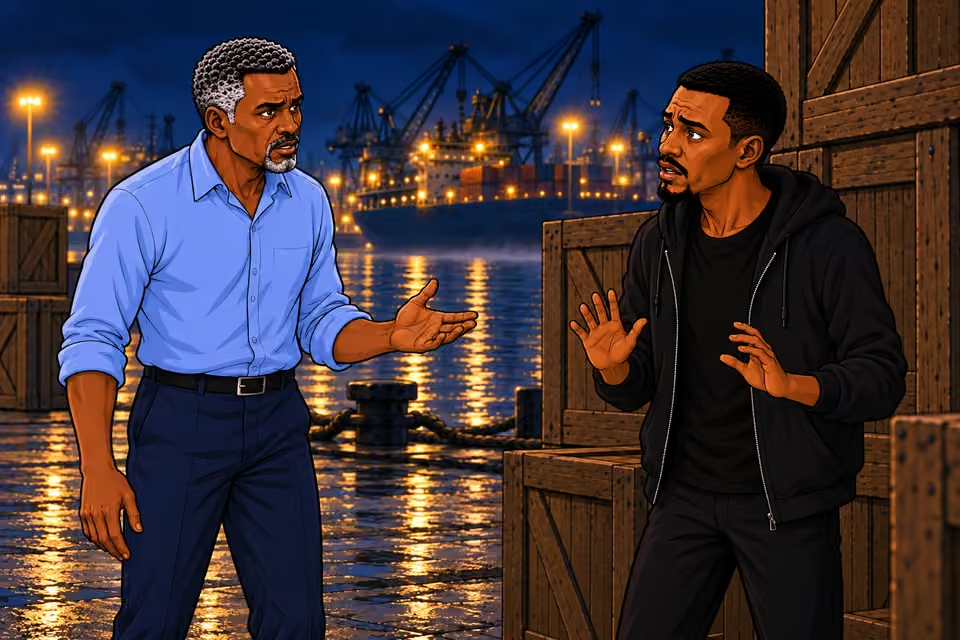
Musa asks for a statement and the truth.

Moses looked around. Eyes darting.

The man checks the shadows around them.

Then nodded.

He finally agrees.
He finally agrees.

Meanwhile, Amaka stared out her window, sipping tea. Not wine tonight.

Amaka calmly watches the night over a cup of tea.

Calm.

She appears calm.
She appears calm.

Still.

She remains perfectly still.

When Mama Tutu entered and told her there had been a police sighting at the harbor, she only nodded.

Mama Tutu reports a police sighting at the harbor.

Then picked up her phone.

Amaka picks up her phone.

And made a single call.

She places a single call.

“Activate Plan B,” she said.

Amaka orders the next plan into motion.

Then hung up.

She ends the call.
She ends the call.
There’s more to the story.
Read the original blog post ↗