Story contentsbrevity bard.
Mystery4 min read

Agnes

Your place is saved on this device.

CHAPTER 10

Chapter 10 – The Second Will

The family lawyer, Mr. Akinwale, arrived unannounced.
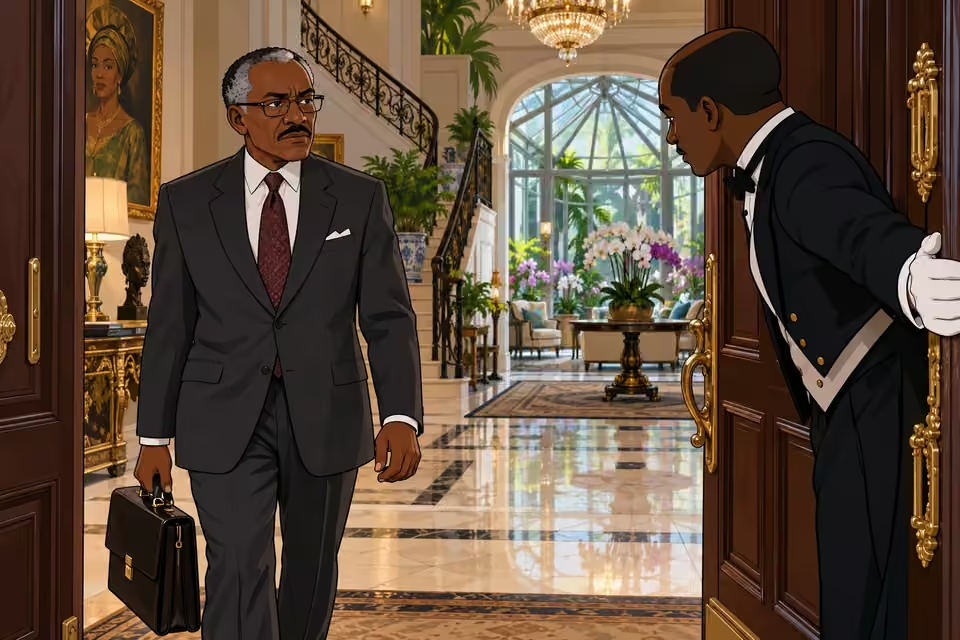
Mr Akinwale arrives at the mansion carrying a briefcase as the butler greets him.
The lawyer arrives

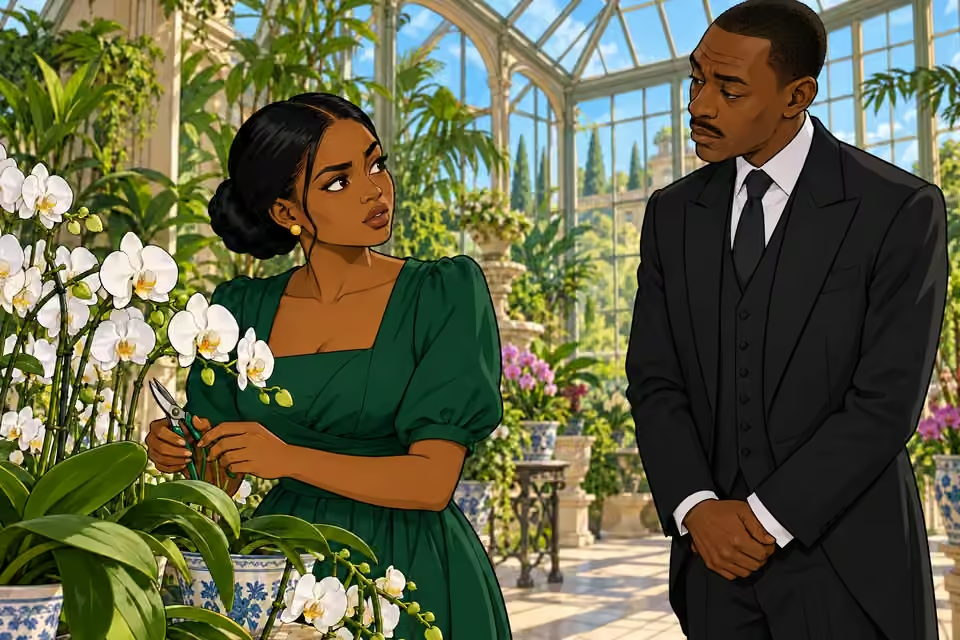
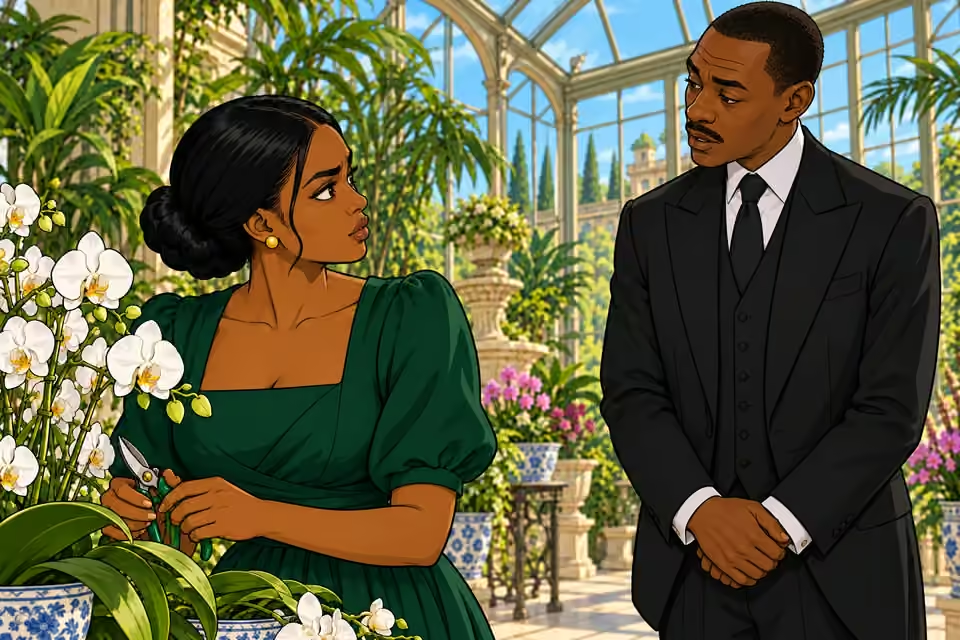
Amaka was in the conservatory, pruning orchids when the butler told her.
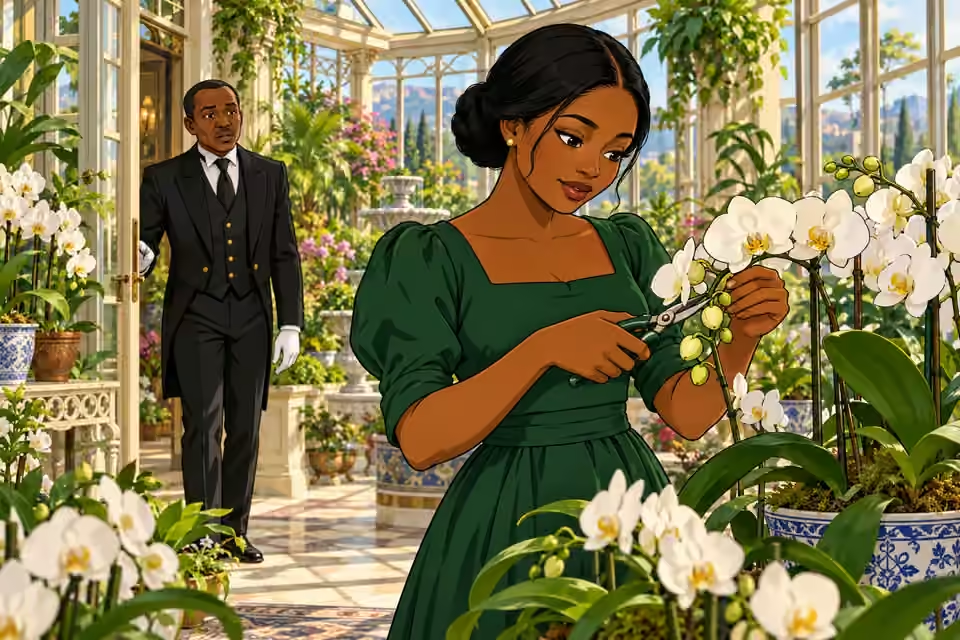
Amaka prunes orchids while the butler announces a visitor.
Among the orchids

“Did he bring files?” she asked.

Amaka pauses her orchid pruning to ask the butler about files.
Did he bring files?

“Four,” the butler replied.

The butler answers Amaka beside the conservatory orchids.
The lawyer has brought four files.

She dusted her hands, wiped the clippers with a linen cloth, and said, “Send him in.”
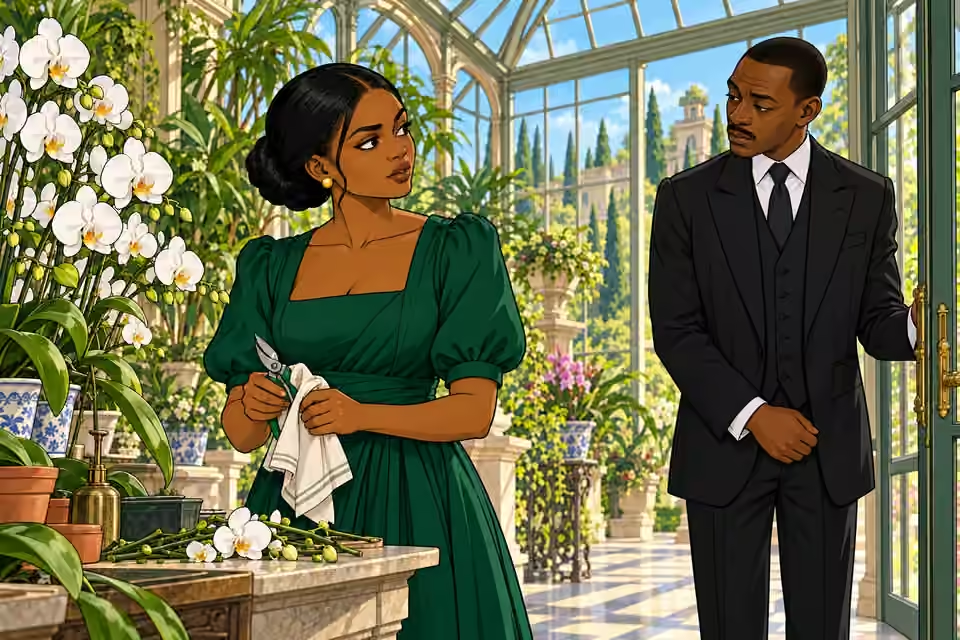
Amaka wipes the pruning clippers before receiving the lawyer.
She calmly gives permission to let him in.

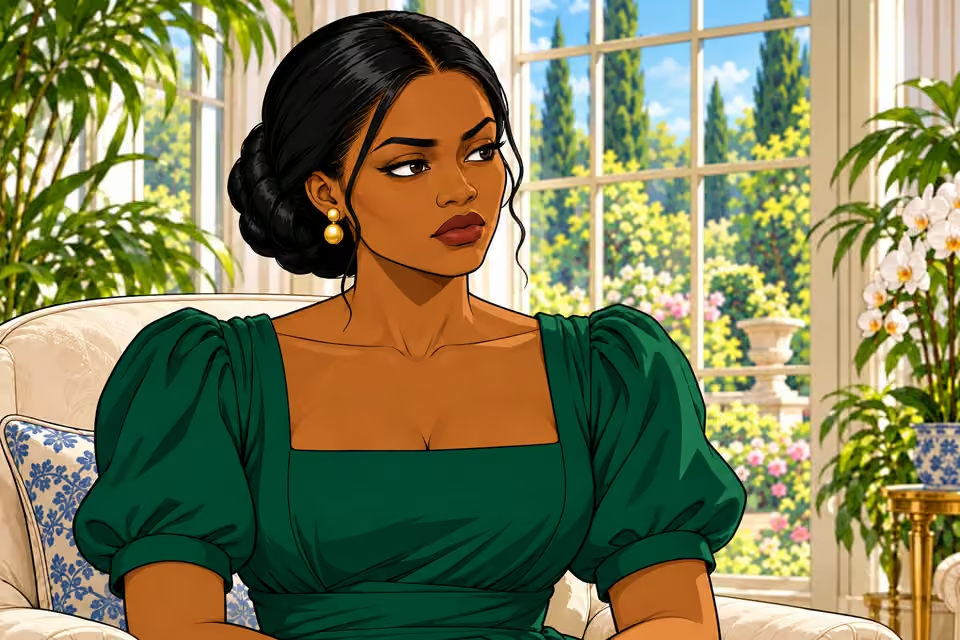
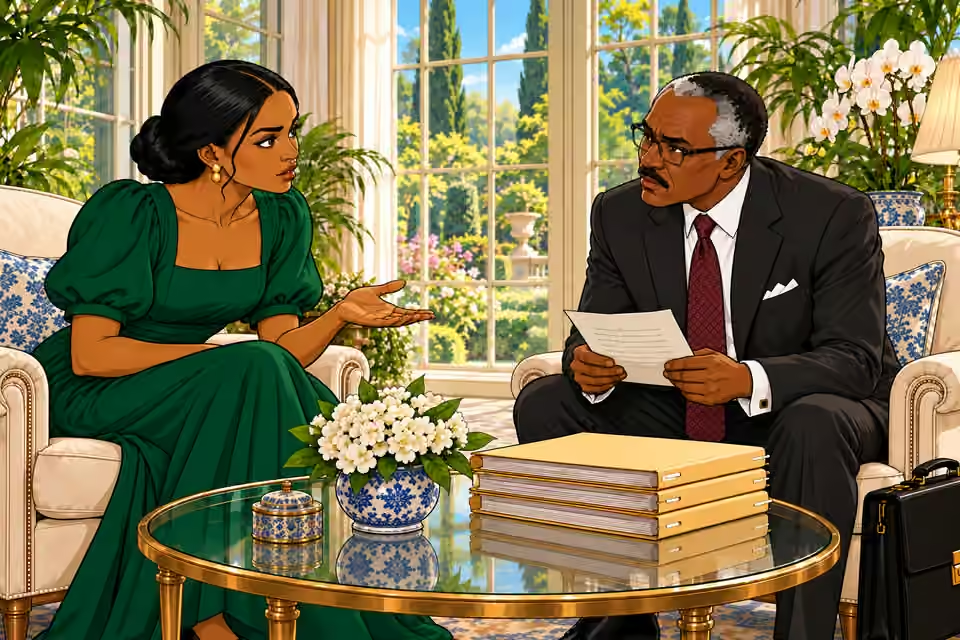
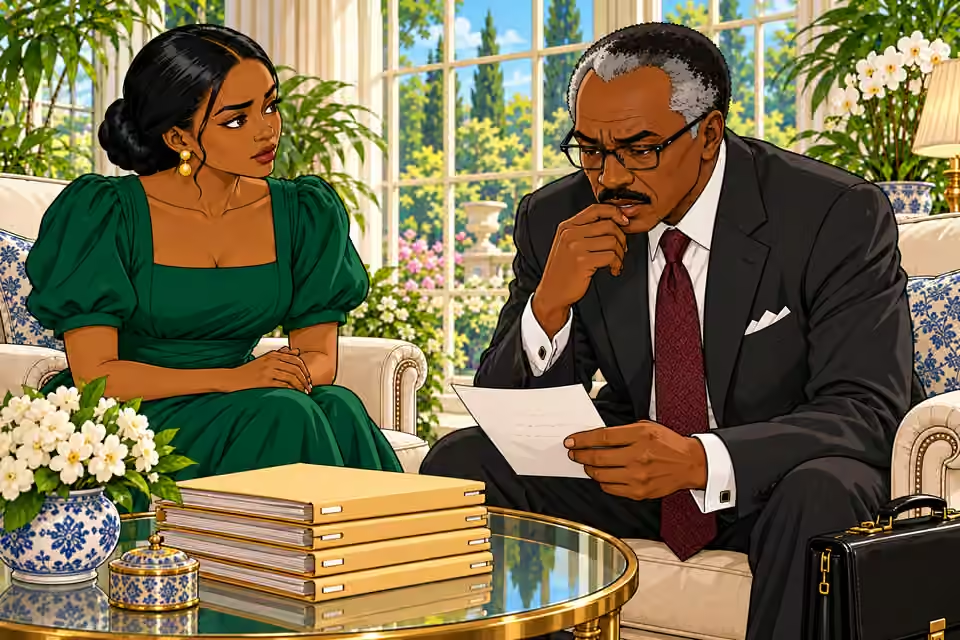
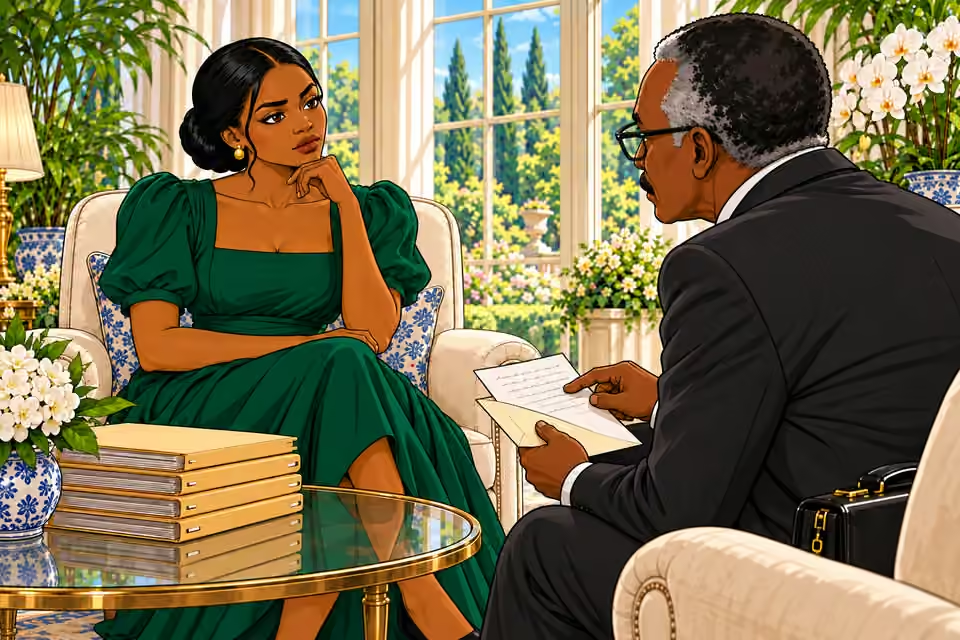
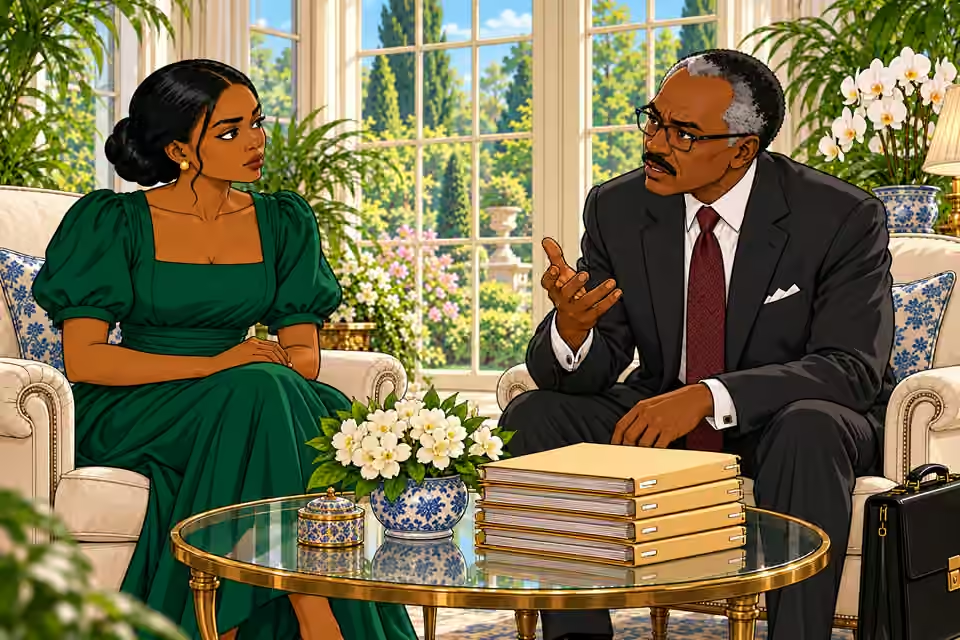
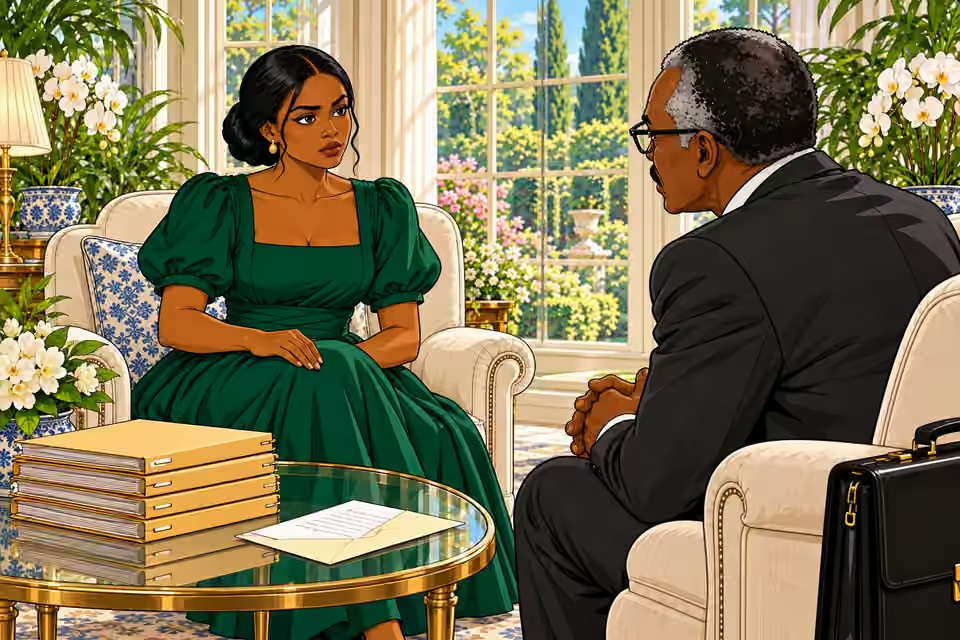
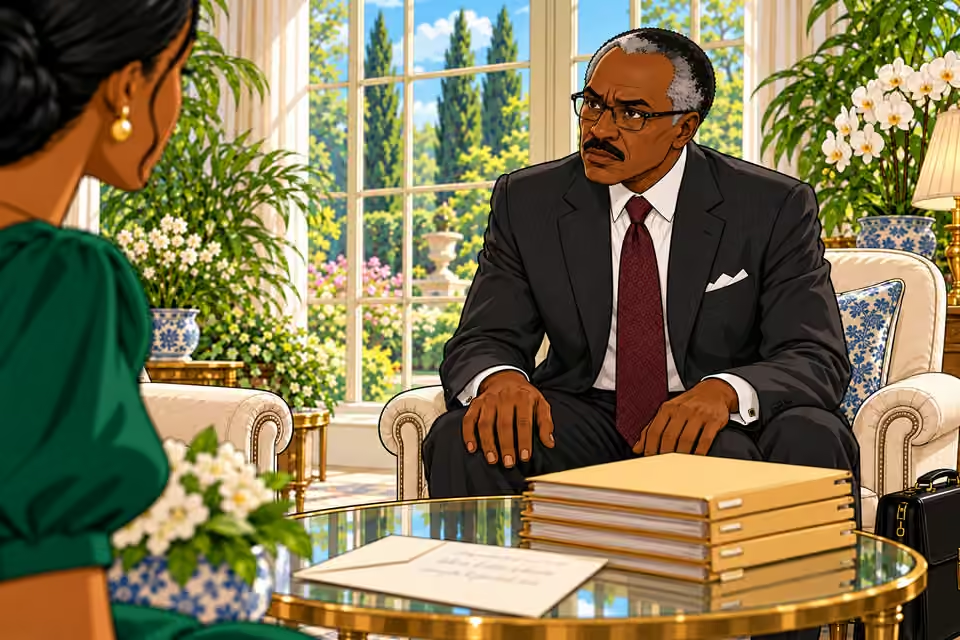
They met in the sunroom, where Agnes used to host her reading club and disarm political enemies with lemon cake and controlled gossip.
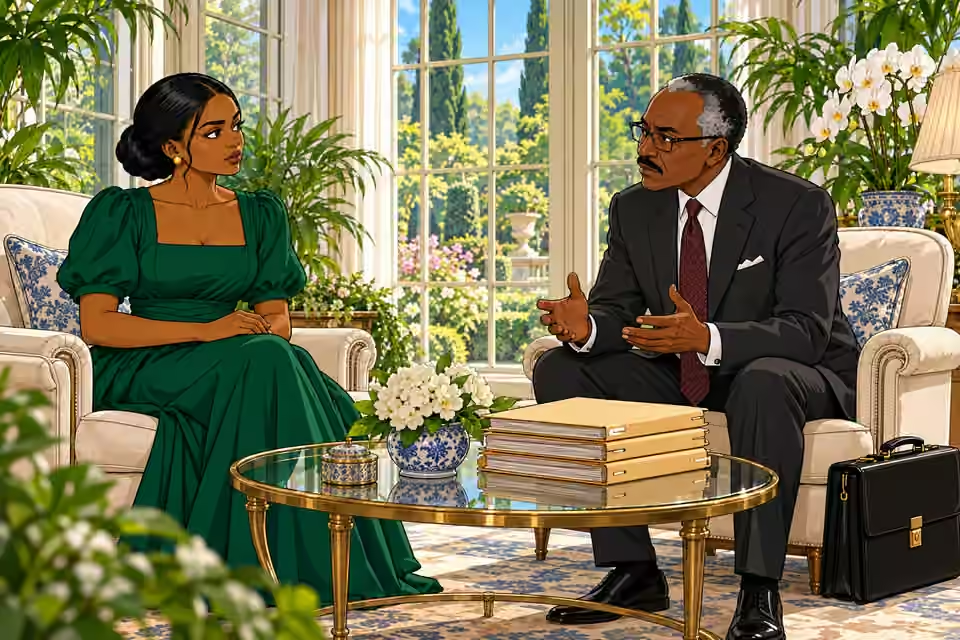
Amaka and Mr Akinwale meet in the sunroom.

Mr. Akinwale looked flustered, sweating beneath his tie.
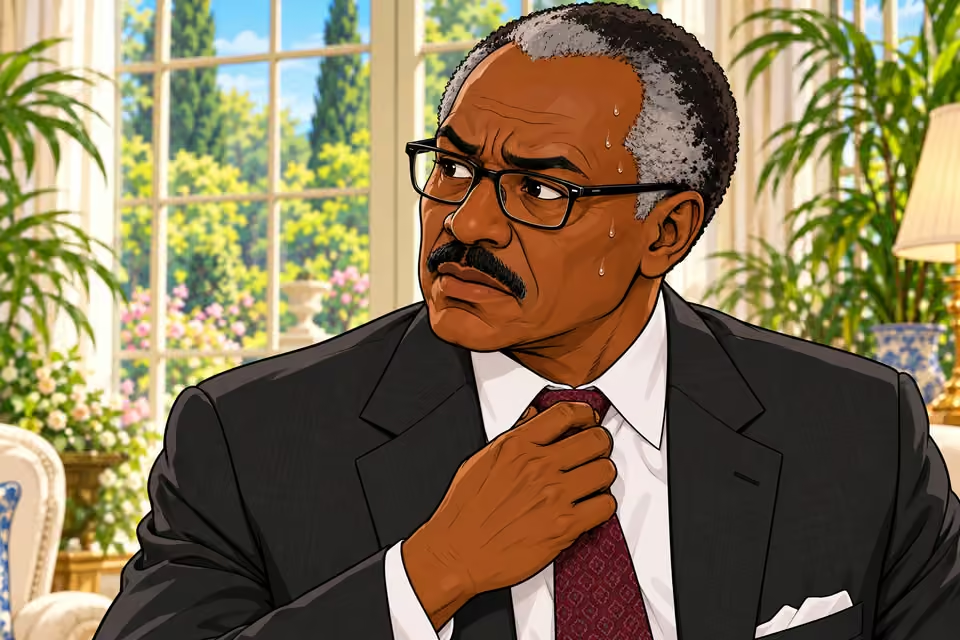
Mr Akinwale looks flustered beneath his tie.

“I found something,” he said without ceremony.
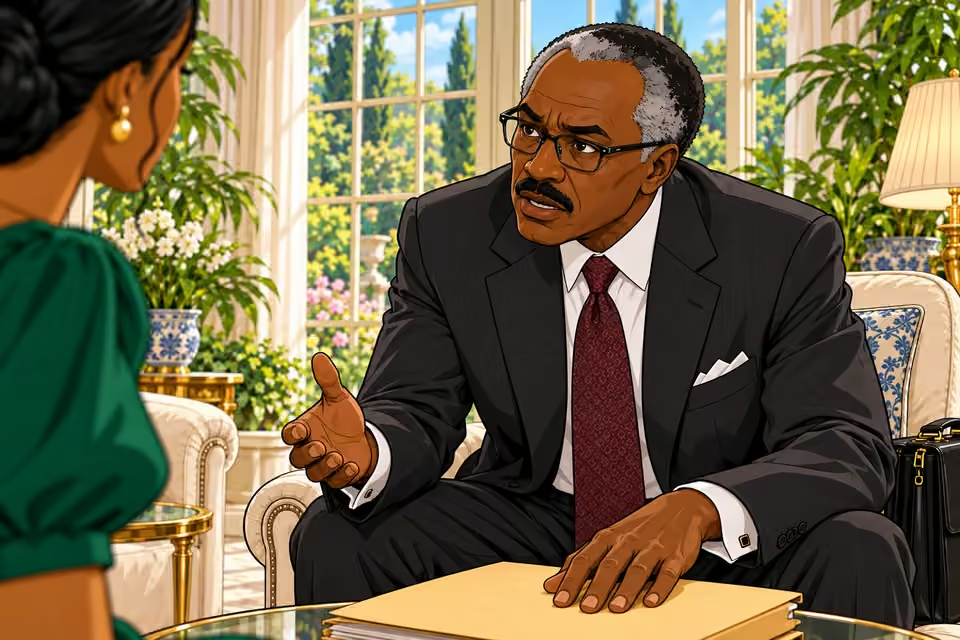
Mr Akinwale announces that he has found something.

Amaka crossed her legs, calm. “What sort of something?”
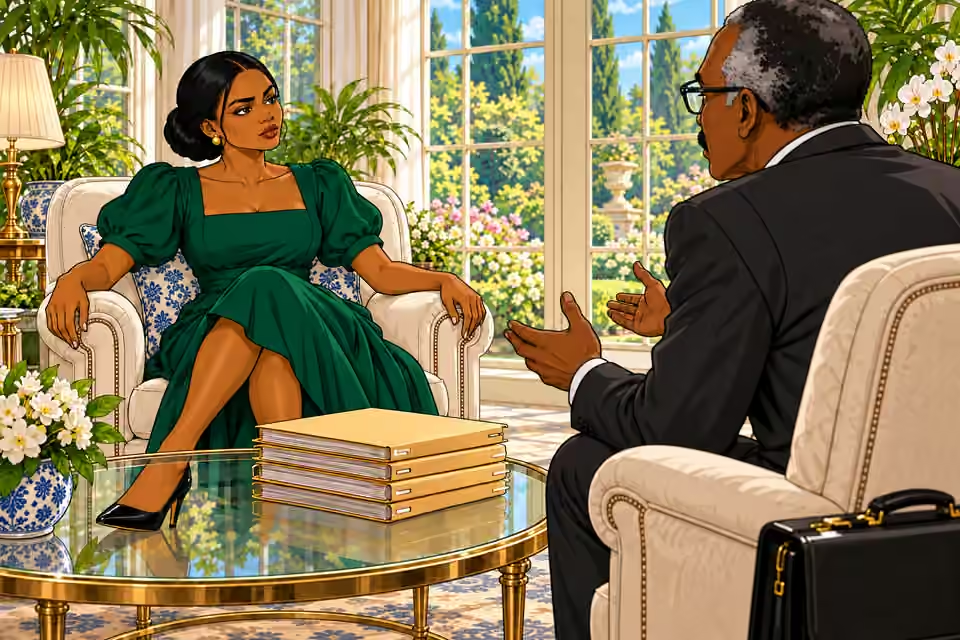
Amaka calmly crosses her legs and asks what Akinwale found.

“A second will. Hidden in the archives box from 2021. Dated eight months ago. It wasn’t filed through official channels. Handwritten. No witnesses.”
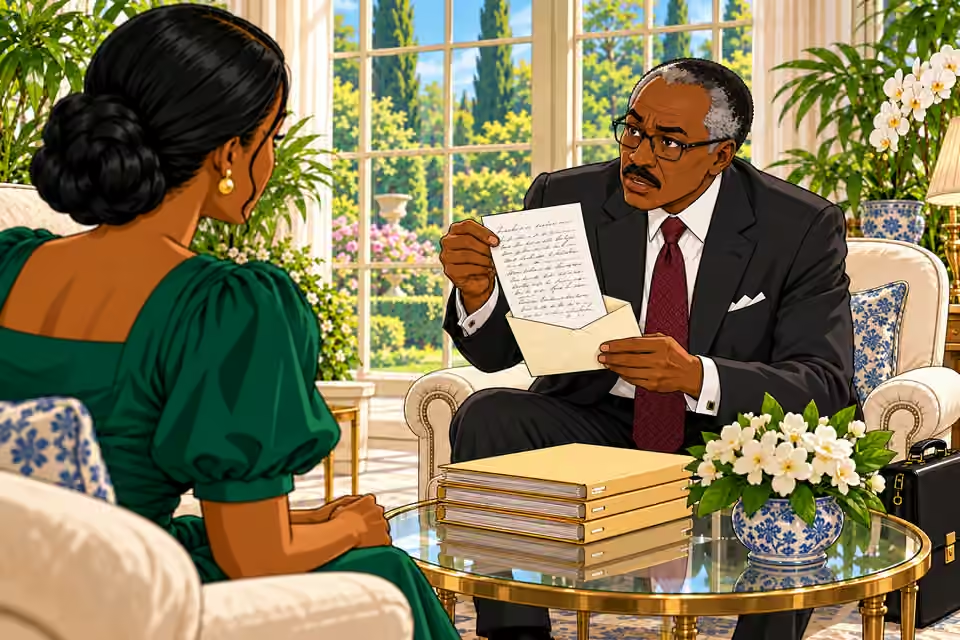
Akinwale explains that he found a second handwritten will.

“Illegal.”

Amaka dismisses the will as illegal.

“Technically, yes. But if proven authentic, it complicates everything.”
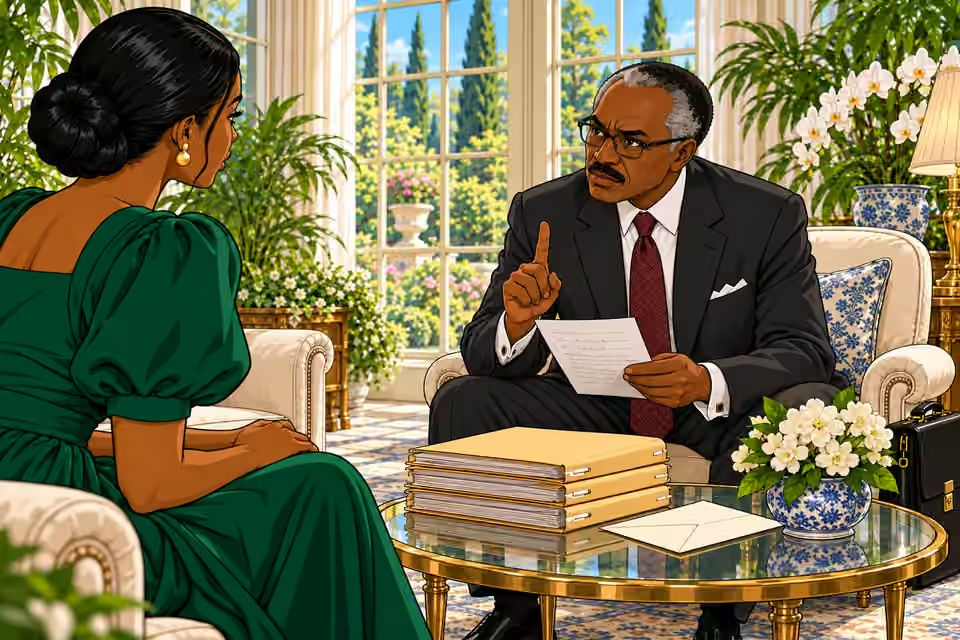
Akinwale warns that an authentic will could complicate matters.

“Who was named?”

Amaka asks who the will names.

He hesitated. “Not you.”

Akinwale hesitates before telling Amaka she is not named.

Amaka didn’t flinch. “Ikenna?”

Amaka calmly asks whether Ikenna is named.

“No. A trust. The ‘Oluchi Fund’—for underprivileged girls from Eastern Nigeria. Entire estate.”
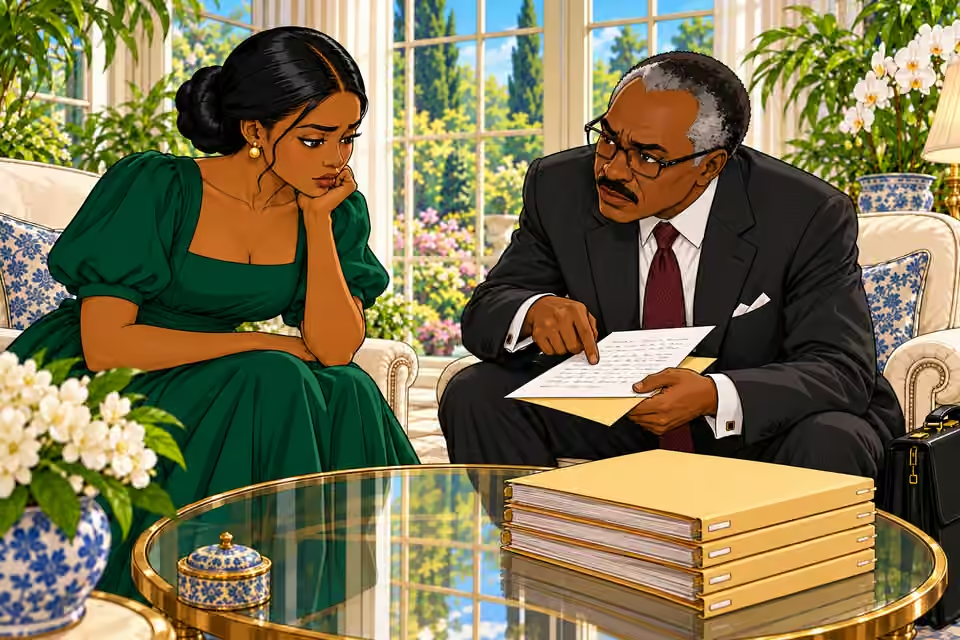
Akinwale says the estate was left to a charitable trust.

She exhaled slowly. “That doesn’t sound like her.”
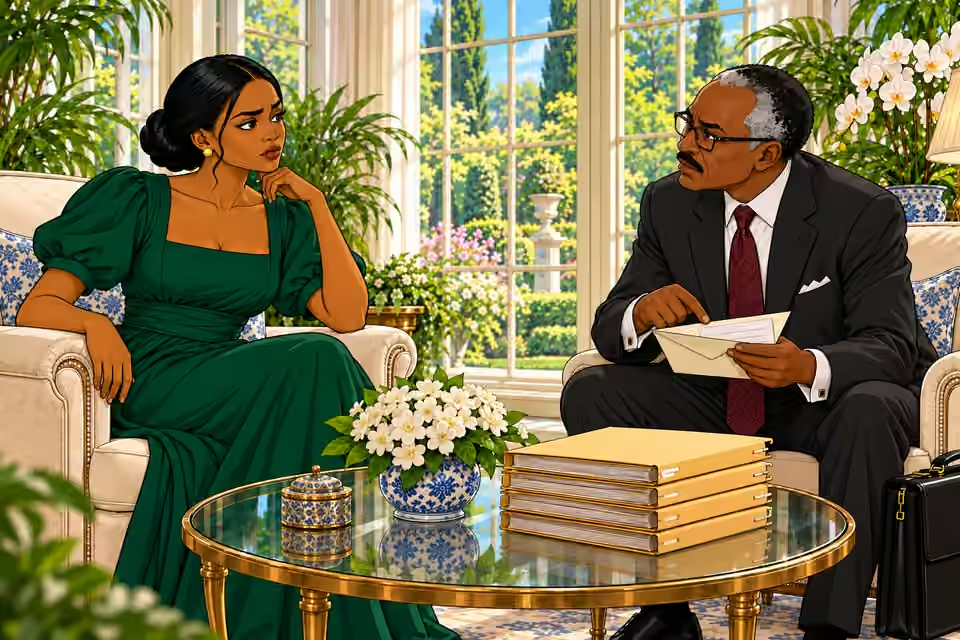
Amaka doubts that the bequest sounds like her mother.

“It might’ve been guilt.”

Akinwale suggests that guilt may explain the will.

“No,” Amaka said coldly. “It was strategy. She wanted leverage, even in death.”
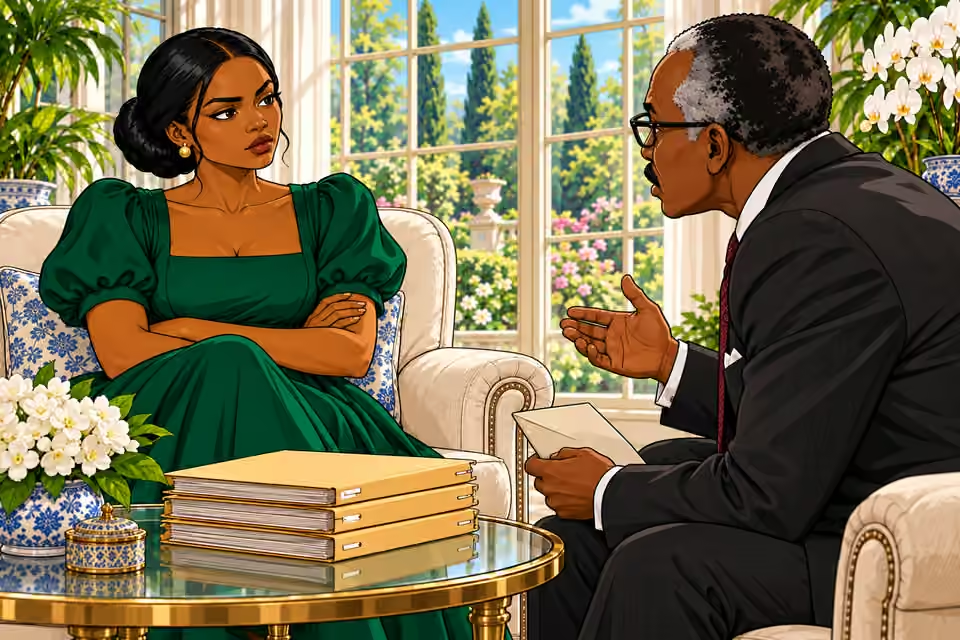
Amaka insists that the will was another strategy for control.

Akinwale placed the will on the table between them. “What do you want me to do?”
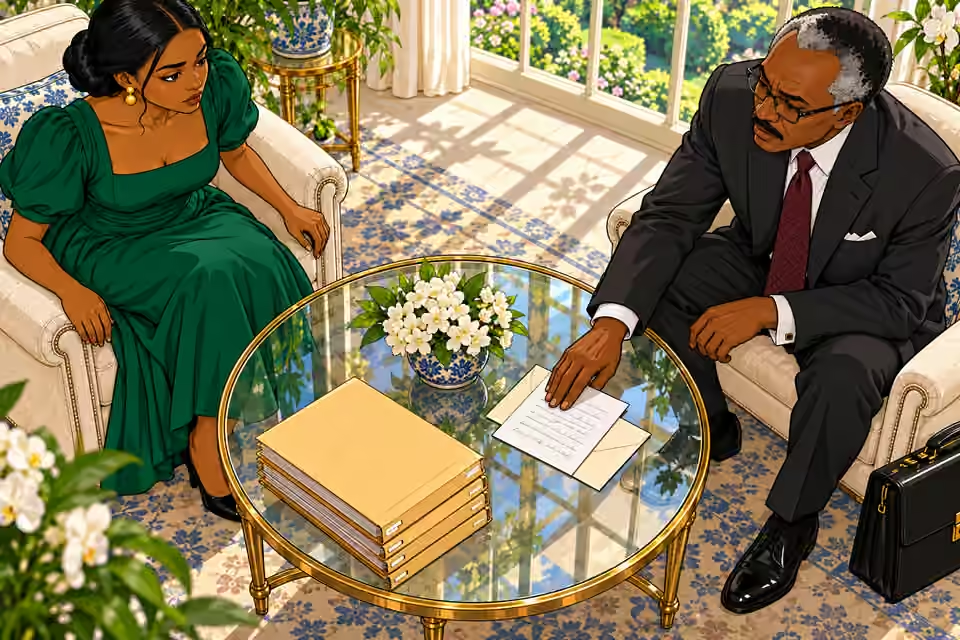
Akinwale sets the will between them and asks what to do.

“Destroy it.”

Amaka tells Akinwale to destroy the will.

He didn’t move.

Akinwale remains motionless.

“Or,” she said gently, “I find out how many of your offshore deals she never declared on your behalf.”
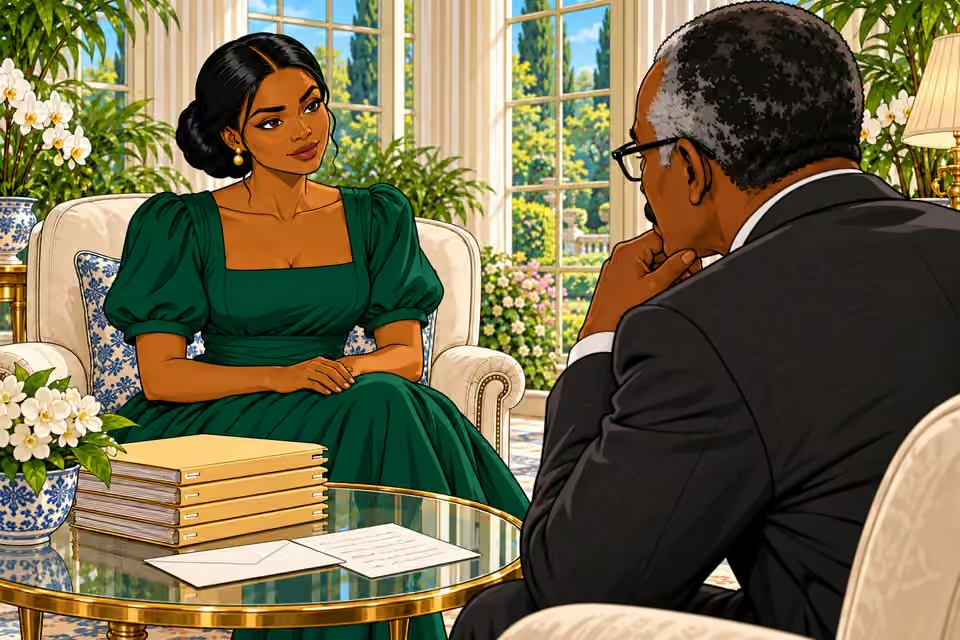
Amaka gently threatens to investigate Akinwale’s offshore dealings.

He cleared his throat, stood, and tucked the envelope back into his briefcase.
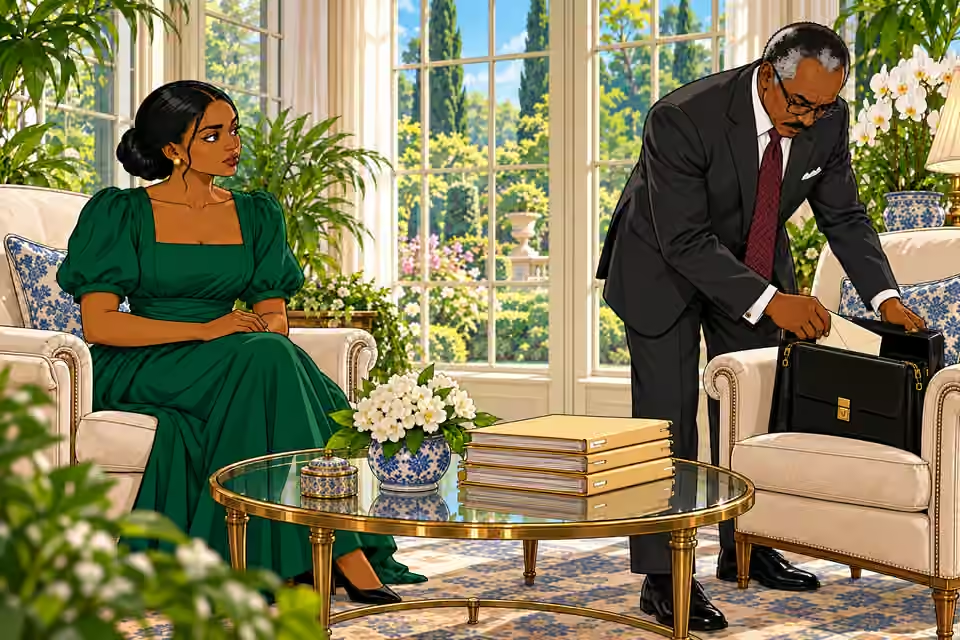
Akinwale stands and puts the envelope into his briefcase.

“Always a pleasure, Mrs. Okonkwo.”
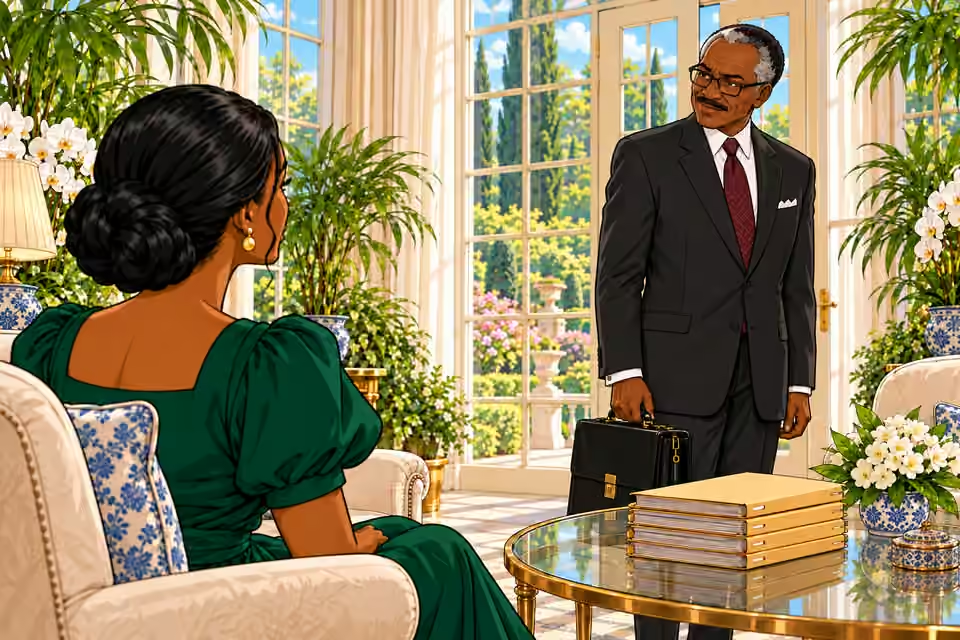
Akinwale offers a strained farewell.

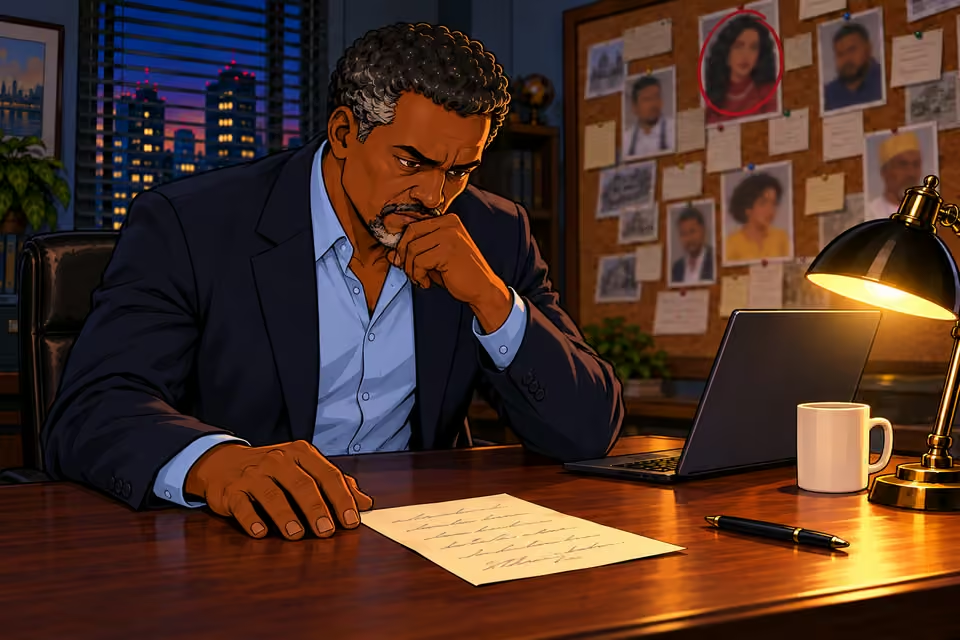
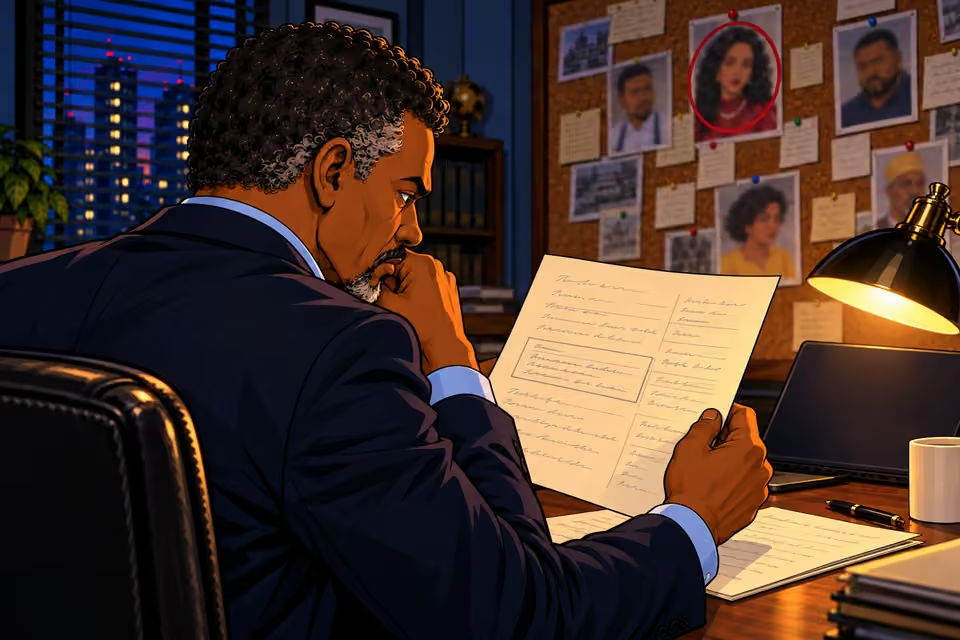
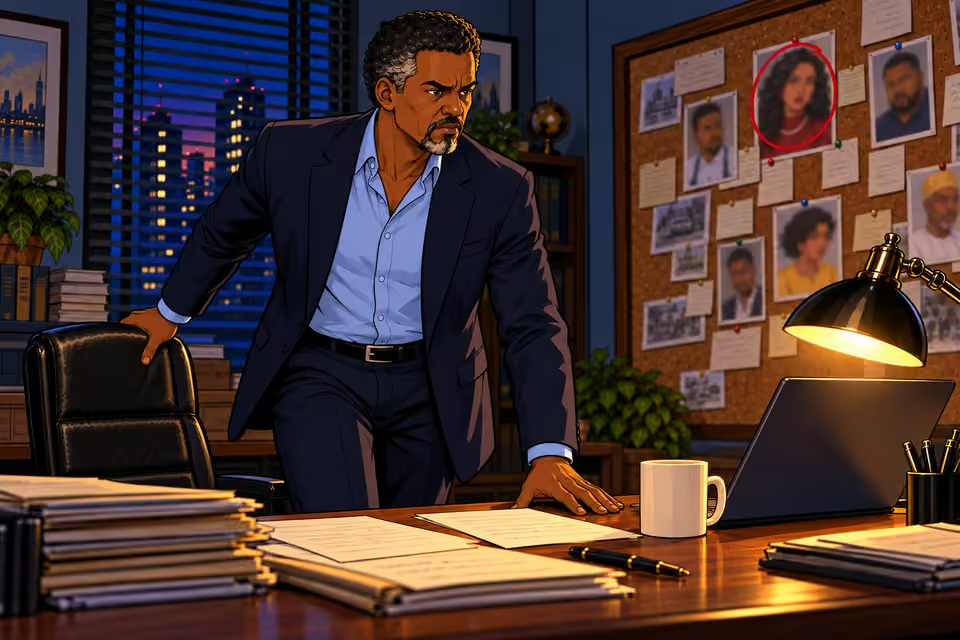
That evening, Musa returned to his desk to find yet another note. This time, it wasn’t typed. It was handwritten—elegant cursive.
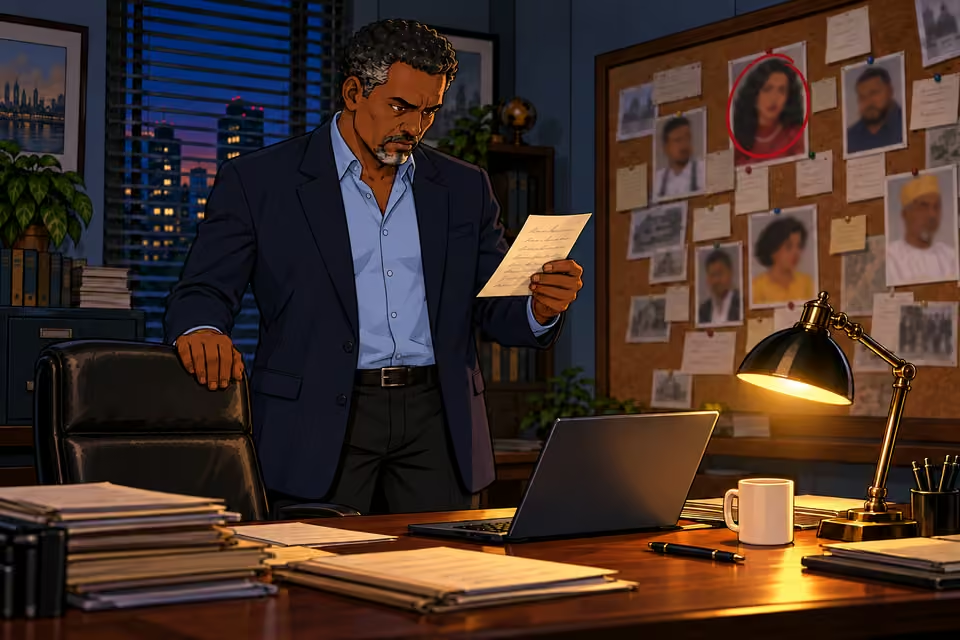
That evening, Musa finds a handwritten note on his desk.

“She knew about the second will. She buried it before she buried the truth.”
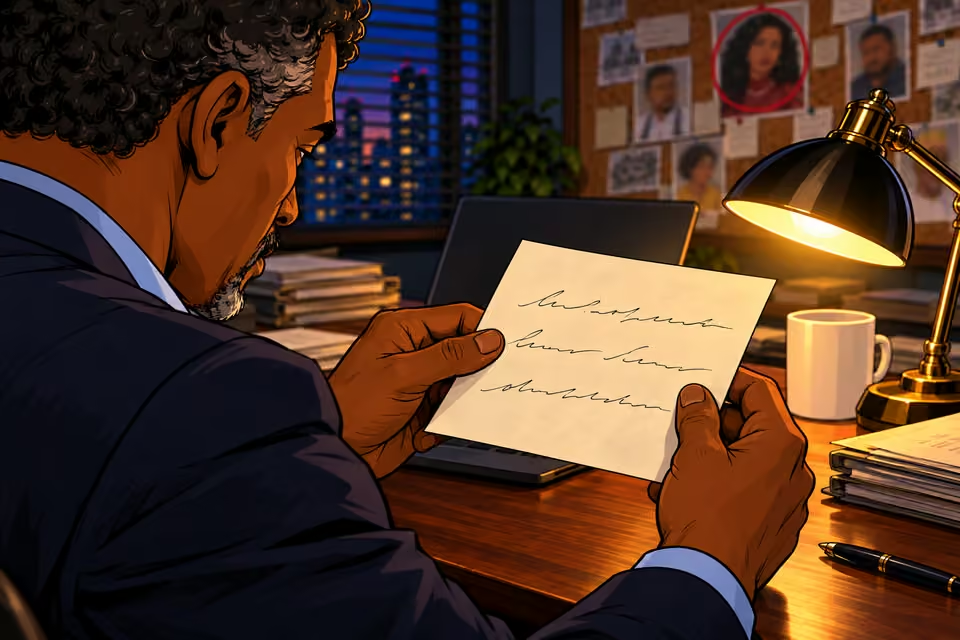
The anonymous note accuses Amaka of knowing about the second will.

No envelope. No fingerprint.

The note has no envelope or usable fingerprint.

He sighed. Someone was playing games.
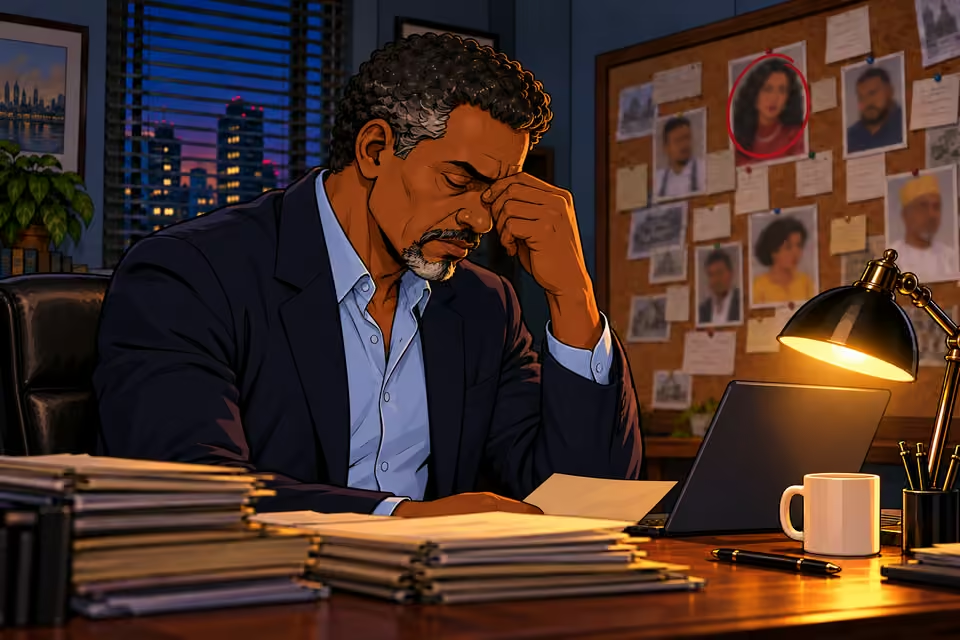
Musa sighs at the anonymous manipulation.

He tapped the side of his mug with his pen.
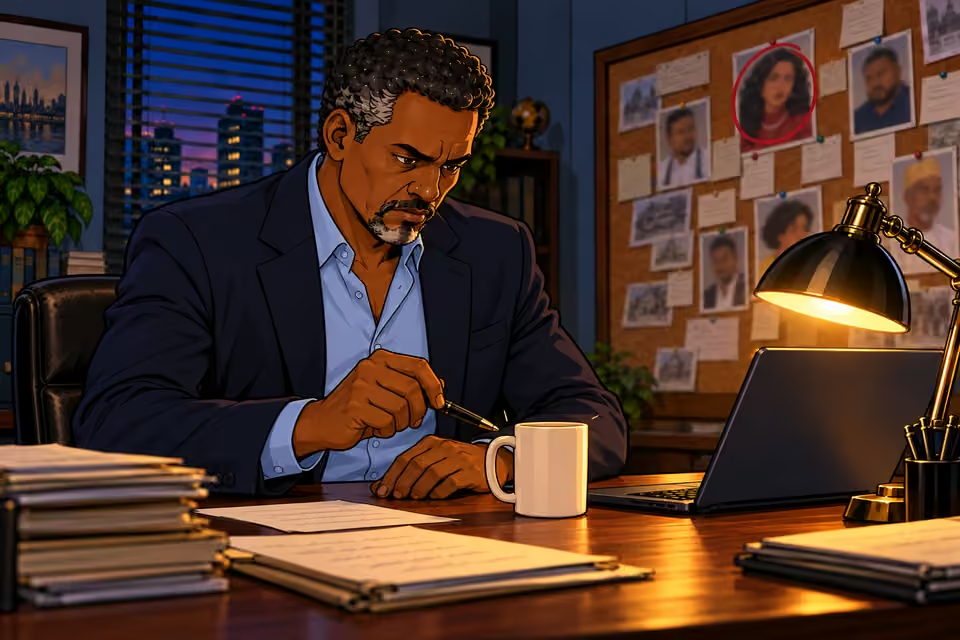
Musa taps his mug with his pen.

Then made a call.
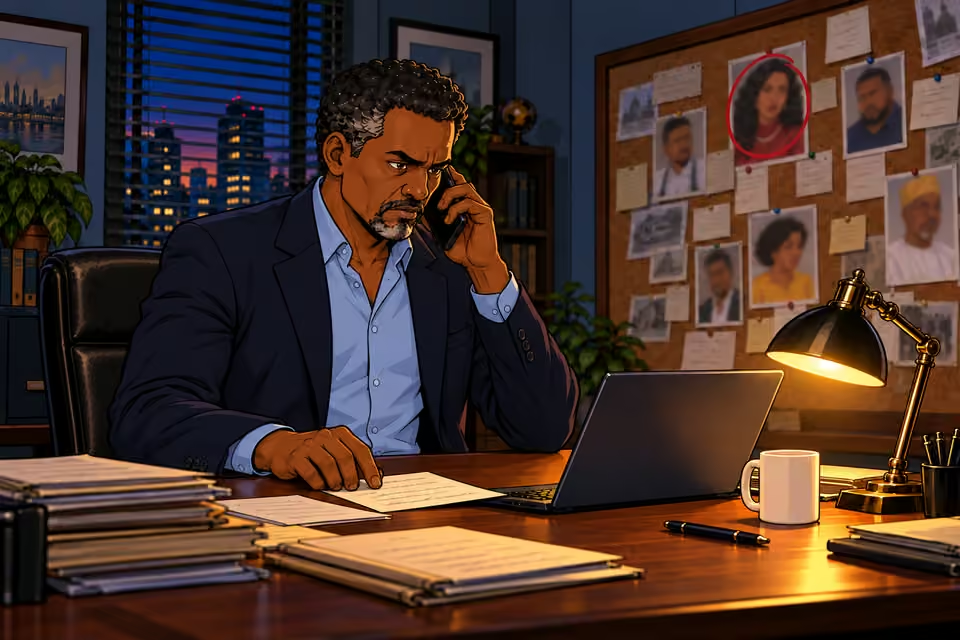
Musa makes a call.
Musa makes a call.

“Pull every legal document filed under the Emecheta Foundation in the last 12 months. And get me handwriting samples for Amaka and Agnes. I want a match.”
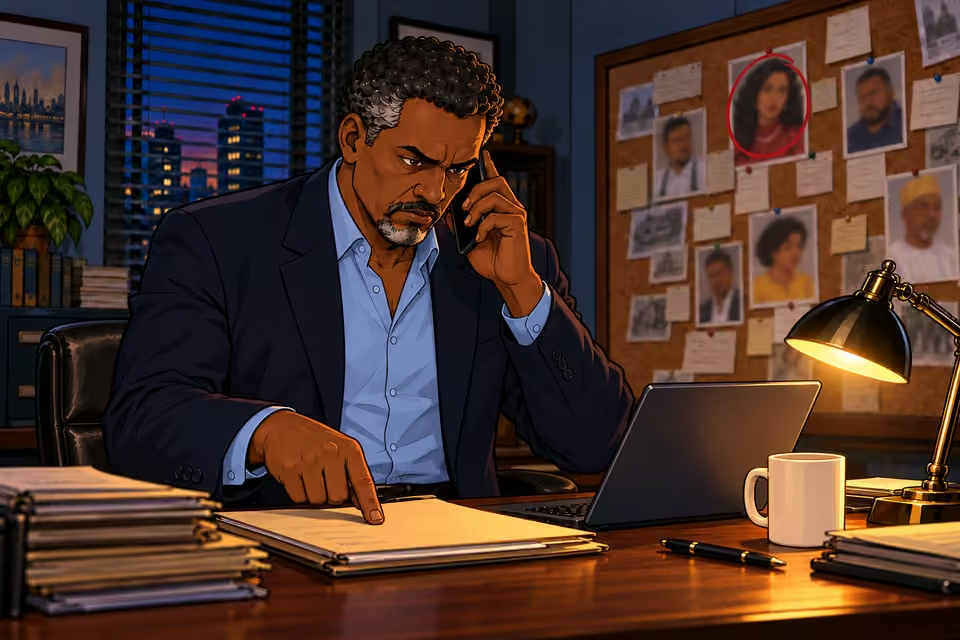
Musa requests foundation records and handwriting samples.

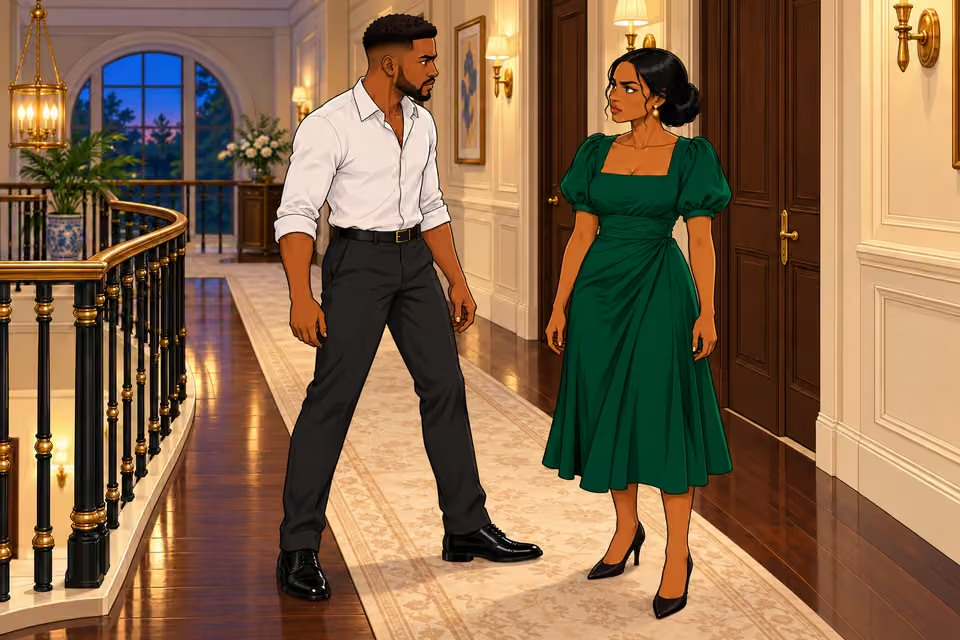
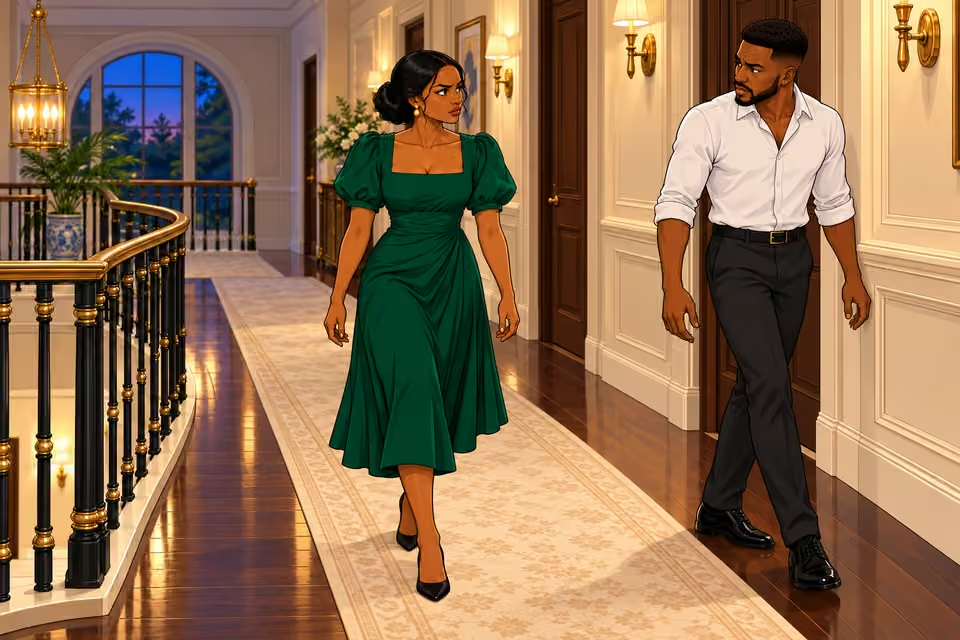
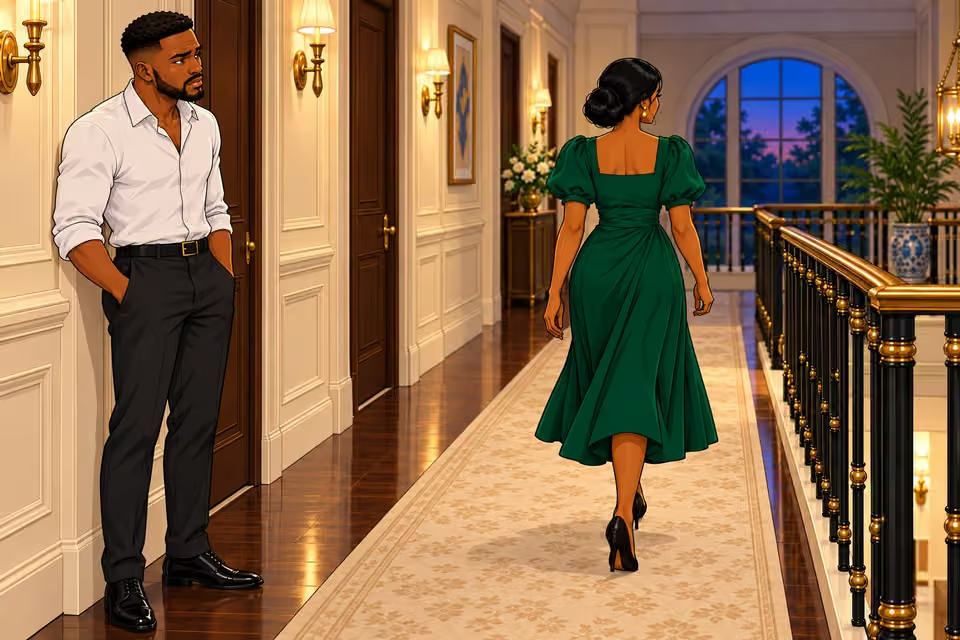
At the estate, Chuka confronted Amaka in the upstairs hallway.
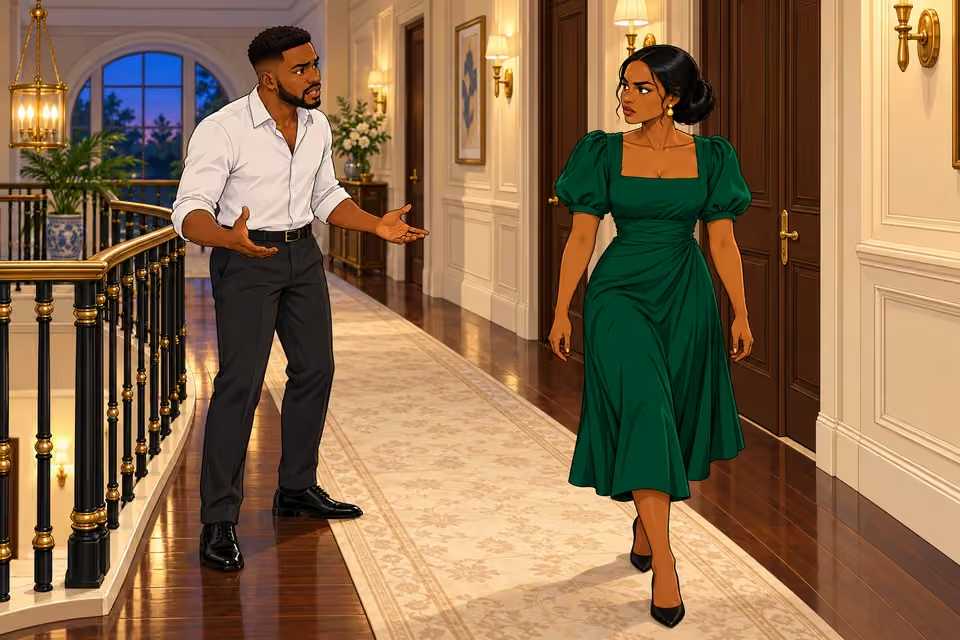
Chuka confronts Amaka in the upstairs hallway.

“Did you threaten the lawyer?”

Chuka asks whether Amaka threatened the lawyer.

She didn’t stop walking. “Define threaten.”
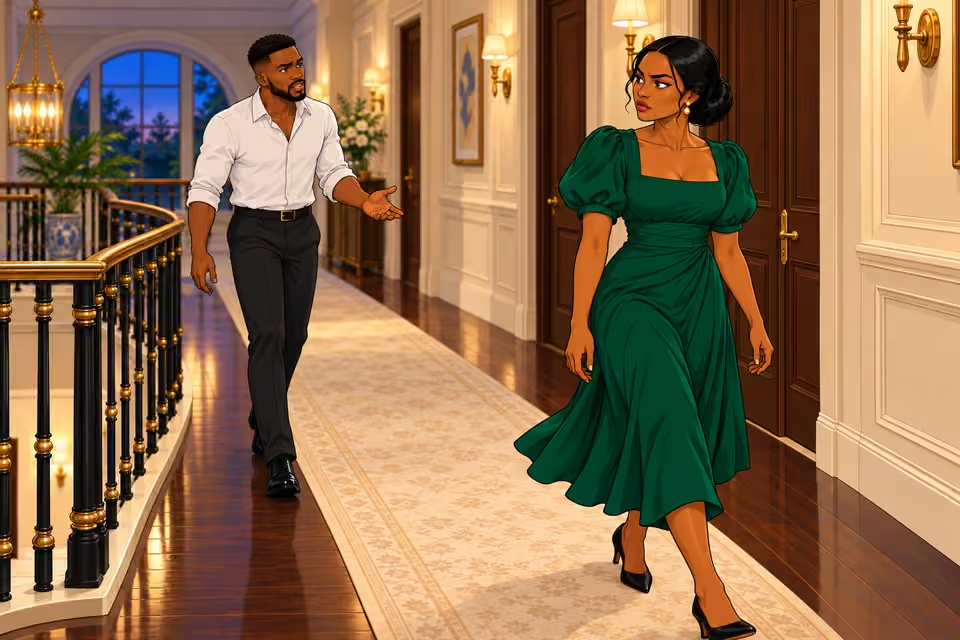
Amaka keeps walking as she challenges Chuka’s question.

“I saw his face when he left. He looked like he’d seen a ghost.”

Chuka describes the lawyer’s frightened departure.

“He saw the consequences of disloyalty.”

Amaka speaks coldly about the consequences of disloyalty.

Chuka stepped in front of her.

Chuka steps into Amaka’s path.

“This is getting out of hand.”

Chuka tells Amaka that things are getting out of hand.

“You didn’t marry a saint, Chuka.”

Amaka tells Chuka that he did not marry a saint.

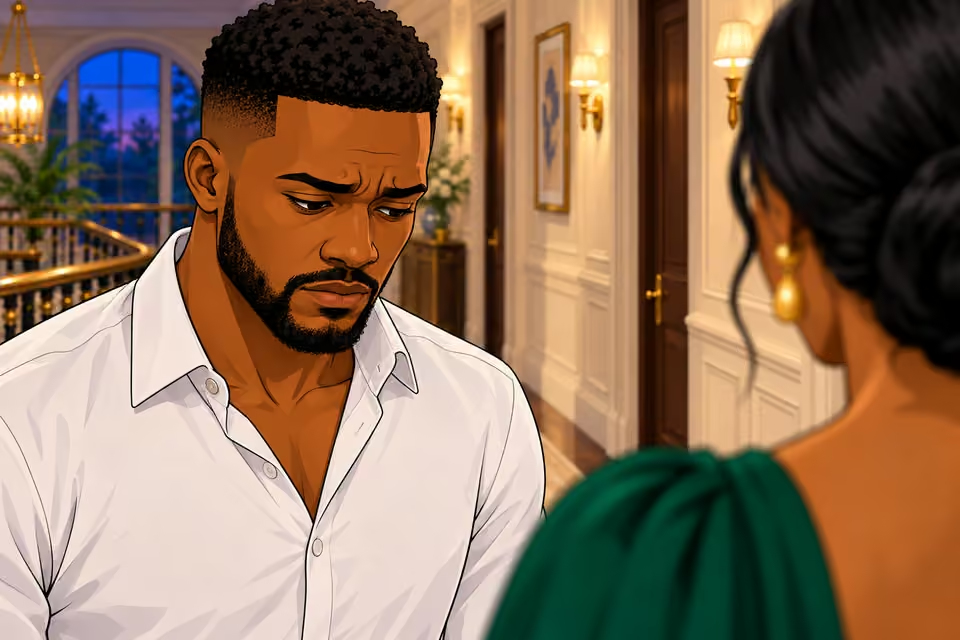
“I didn’t marry a weapon either.”

Chuka replies that he did not marry a weapon.

She stared at him. “Then maybe you married the wrong Emecheta.”

Amaka asks whether Chuka married the wrong Emecheta.

He didn’t reply.

Chuka cannot reply.
Chuka cannot reply.

Just stepped aside.

Chuka steps aside.
Chuka steps aside.

And that was enough.

Amaka passes Chuka after he yields the hallway.

Uju returned to her apartment and found the envelope on her pillow.

Uju discovers an envelope on her pillow.

It was sealed with wax.

The envelope is sealed with wax.

Inside: a photograph.
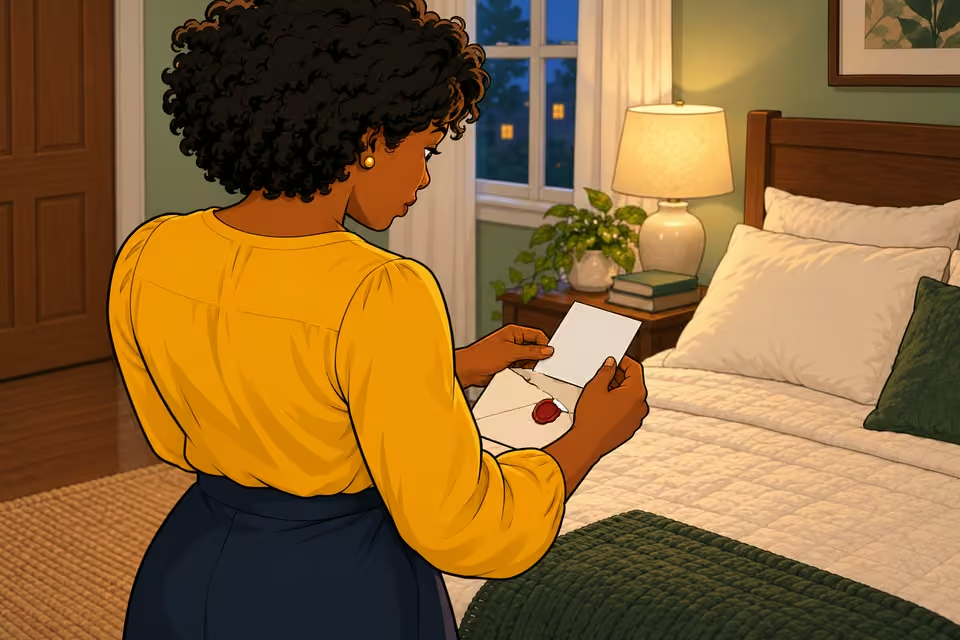
Uju opens the envelope and finds a photograph.

A clear shot of Amaka and Moses Edem—outside a drugstore in Lekki, two days before the wedding. She was handing him a white paper bag.
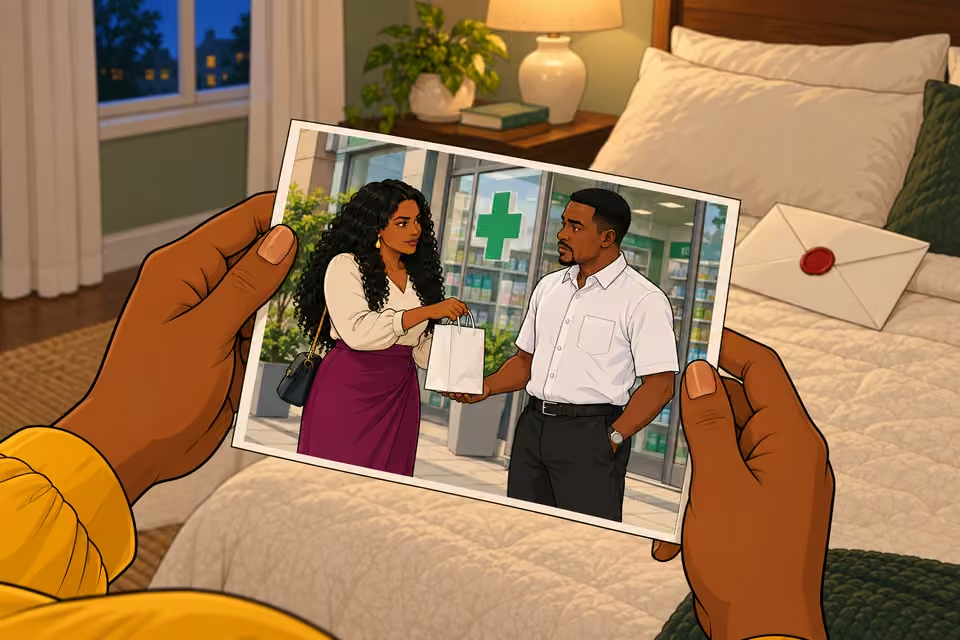
The photograph shows Amaka giving Moses a white bag outside a drugstore.

On the back, in red ink: “Still her friend?”
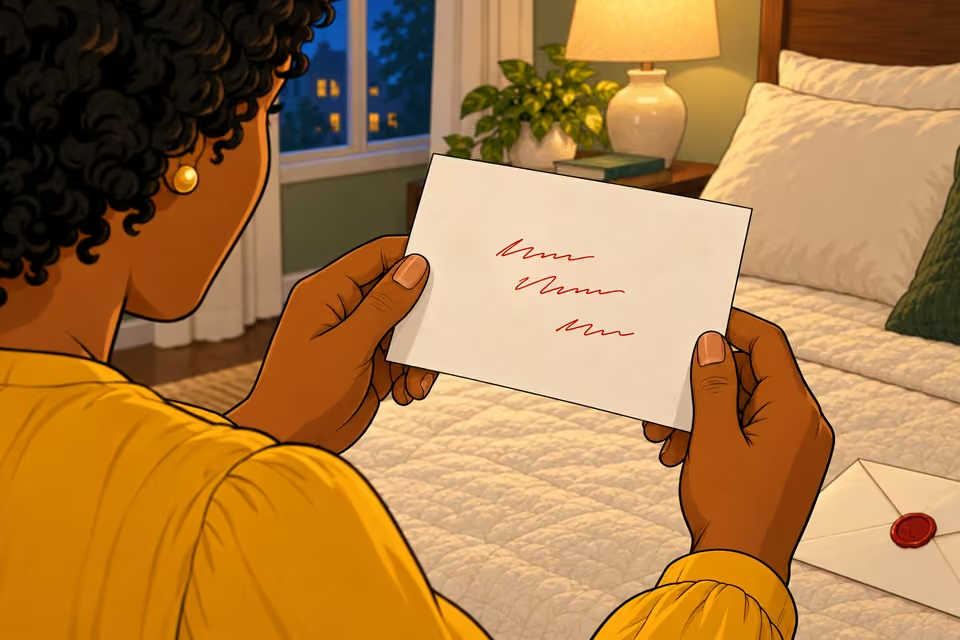
A red-ink message is written on the back of the photograph.

Uju sat on the edge of the bed, gripping the photo.

Uju sits on the bed, gripping the photograph.

There were only two people who could’ve taken this.

Uju considers who could have taken the photograph.

And only one who would send it.

Uju realizes who is most likely to have sent it.

Musa finally traced the Uyo transfer—the one that emptied the fake Foundation account.
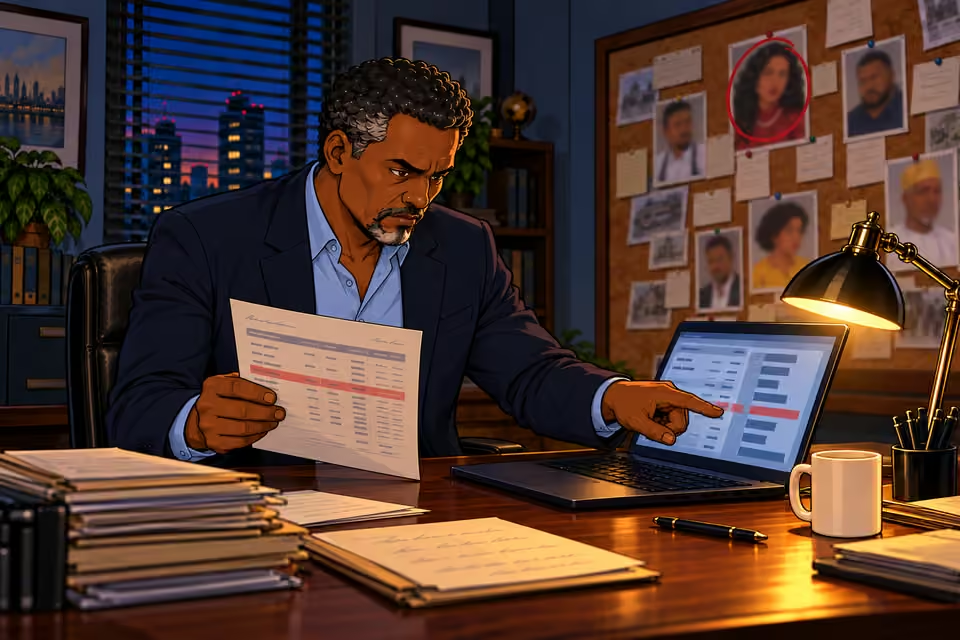
Musa finally traces the transfer from the fake foundation account.

The account it landed in was under a corporate name, but the registration address pointed to a boutique apartment in Ikoyi.
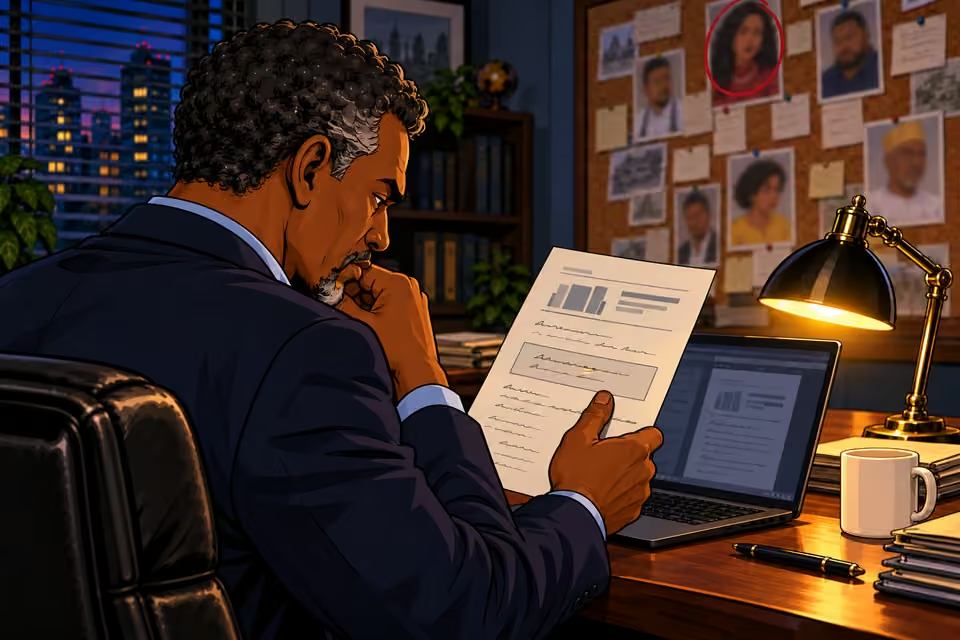
The recipient account’s registration points to an Ikoyi apartment.

Owned, as it turned out, by a shell company under Amaka Okonkwo Enterprises.
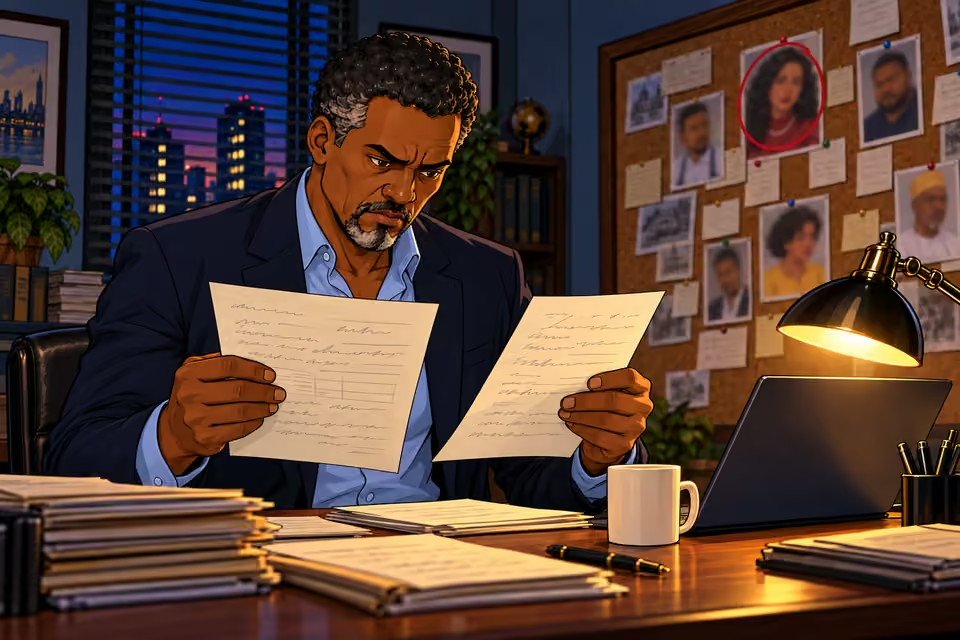
Musa links the apartment’s shell company to Amaka’s business.

Registered six weeks before Agnes’s death.
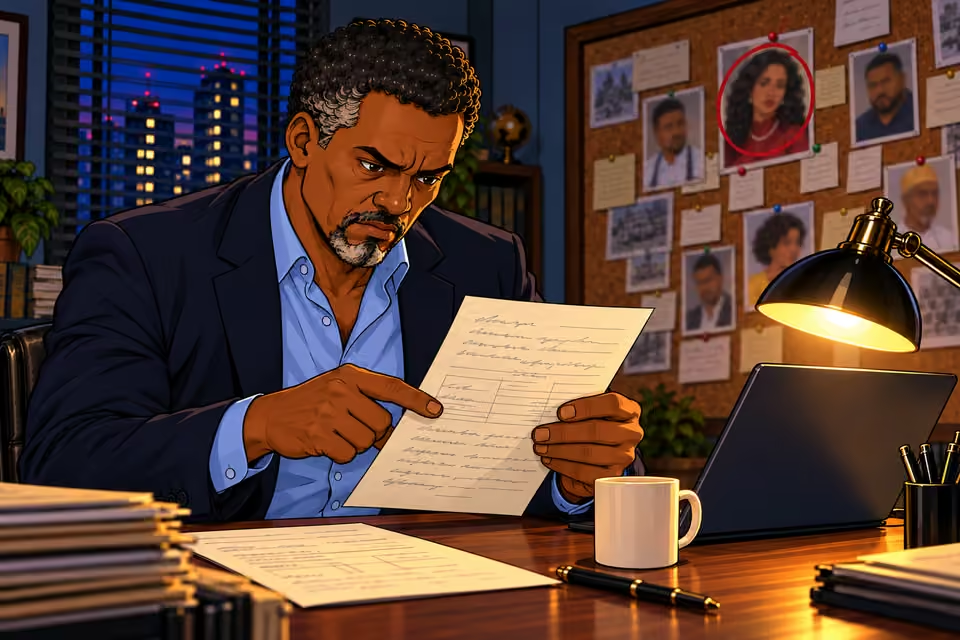
Musa notices when the company was registered.

He stared at the address.

Musa stares at the registration address.

Then stood.

Musa stands after tracing the address.

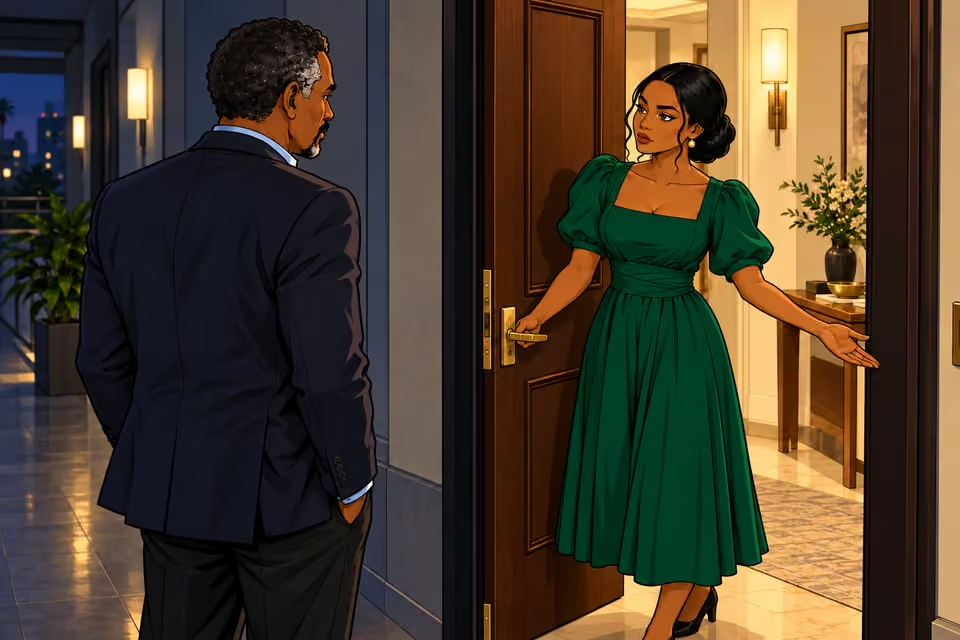
When he arrived, Amaka wasn’t surprised.
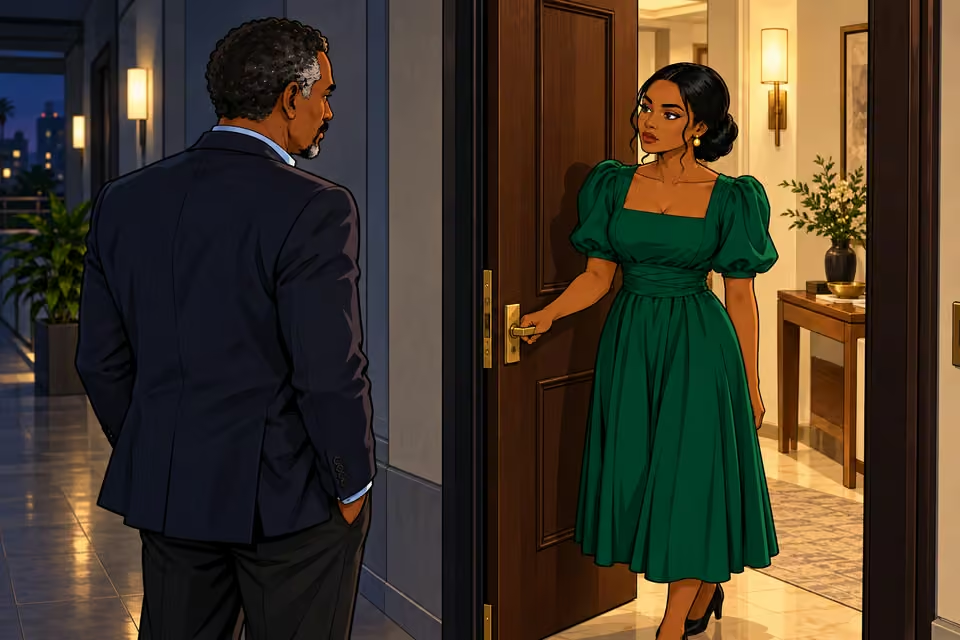
Amaka is unsurprised when Musa arrives.

“Detective,” she said, opening the door herself. “Come to arrest me?”
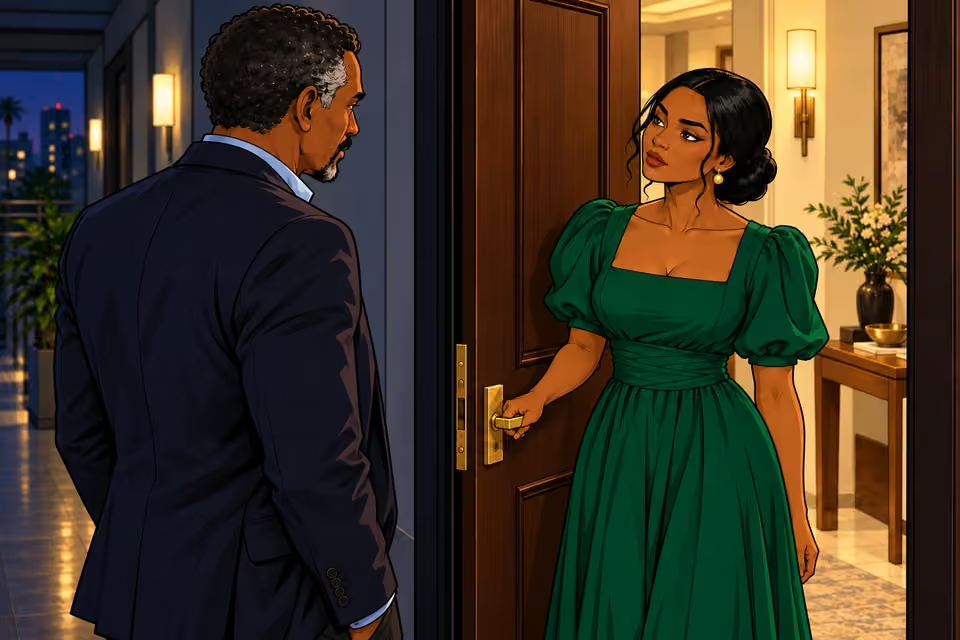
Amaka opens the door and asks whether Musa will arrest her.

“I came to talk.”

Musa says he has come to talk.

“Then talk.”

Amaka tells Musa to talk.

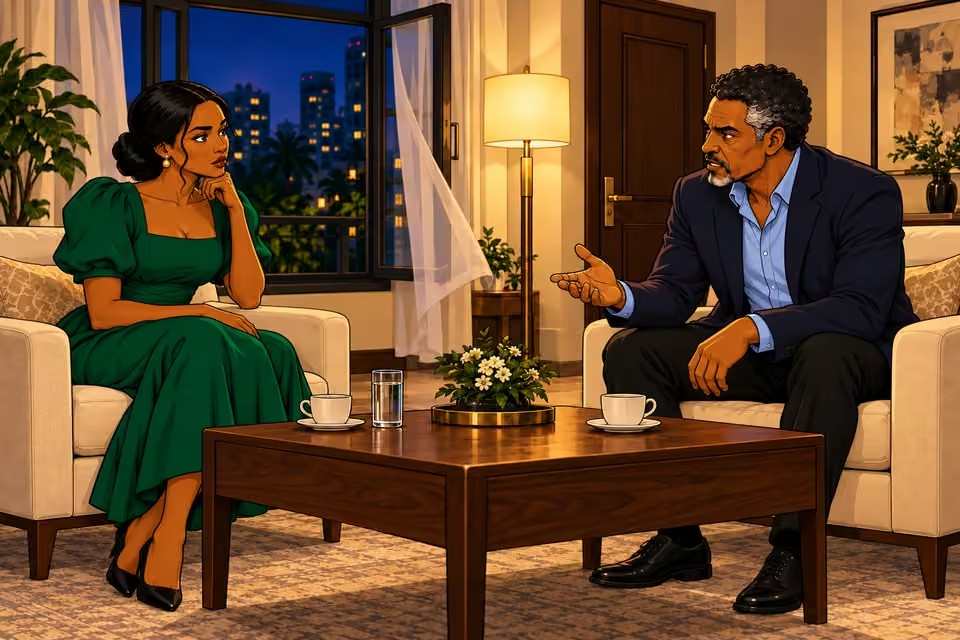
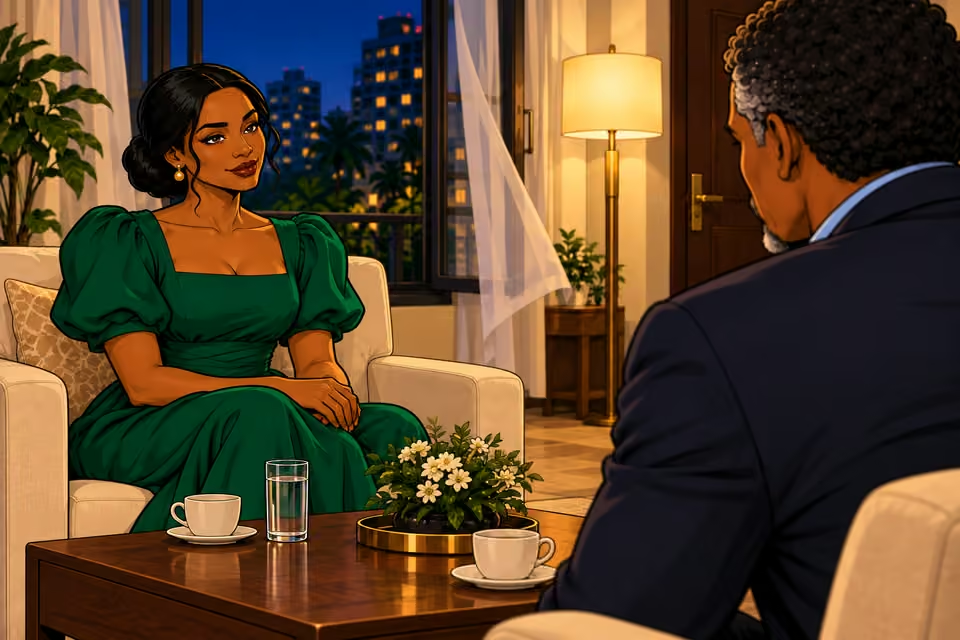
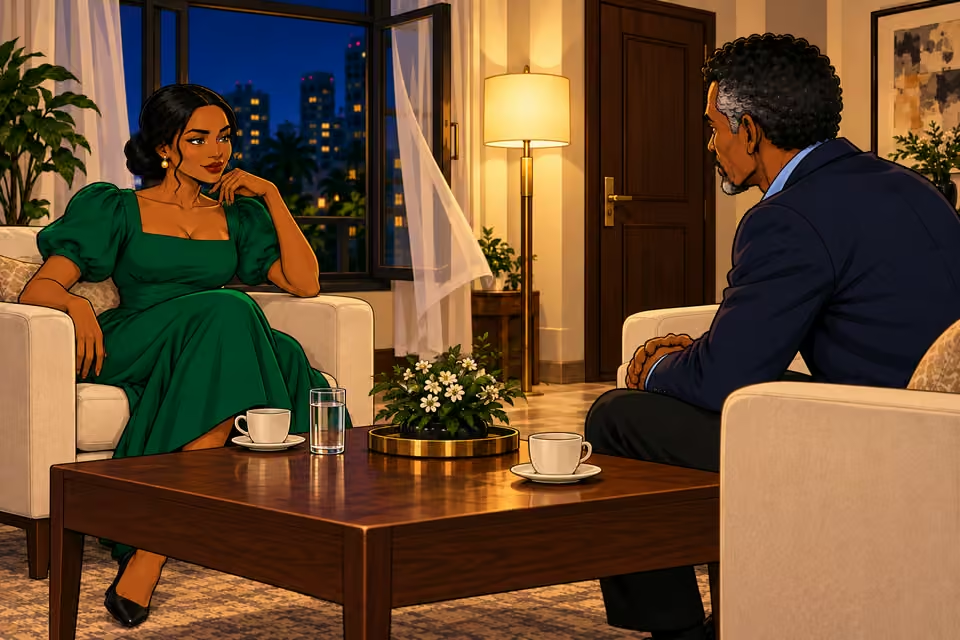
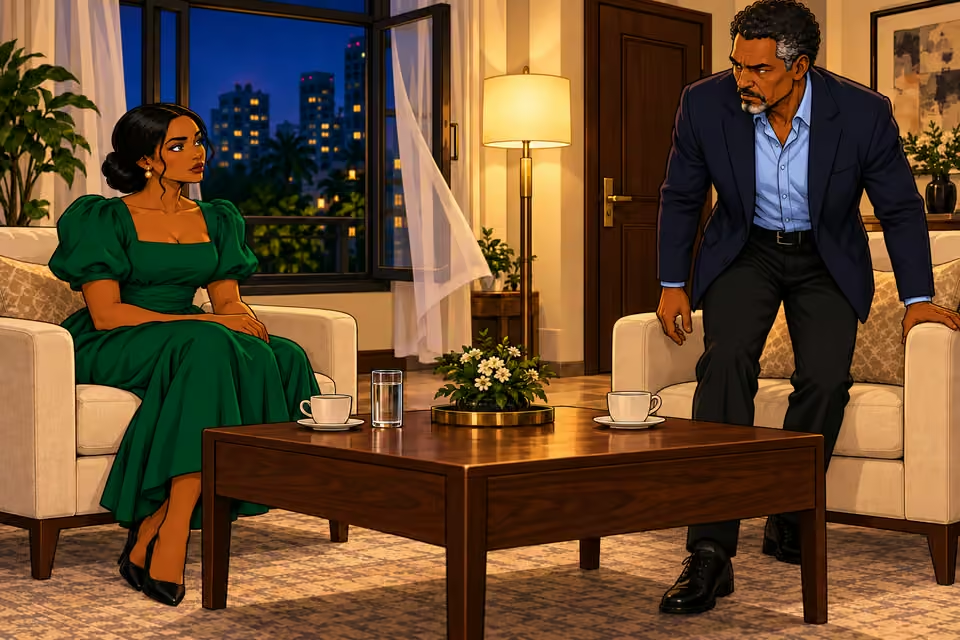
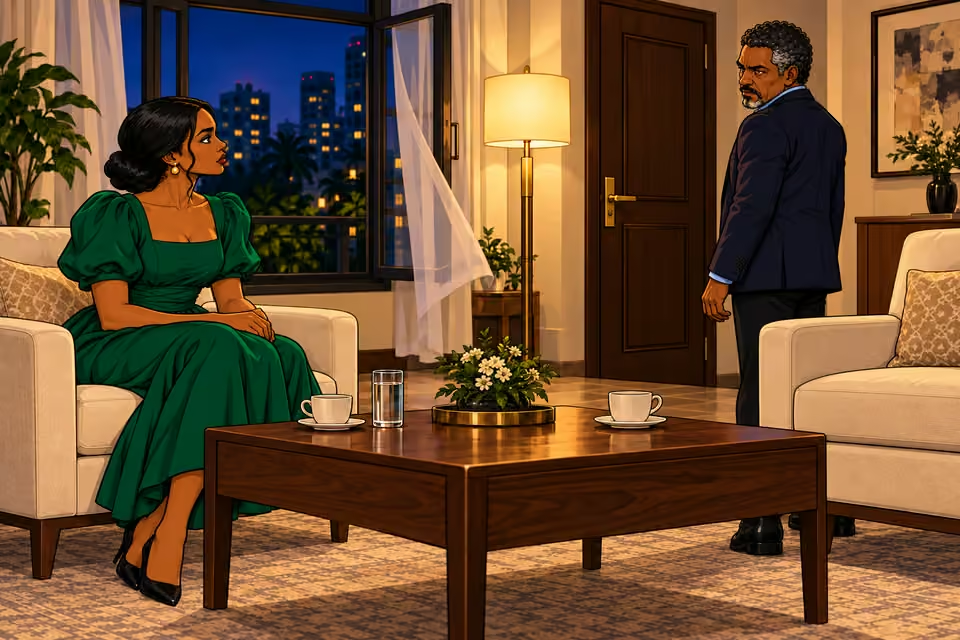
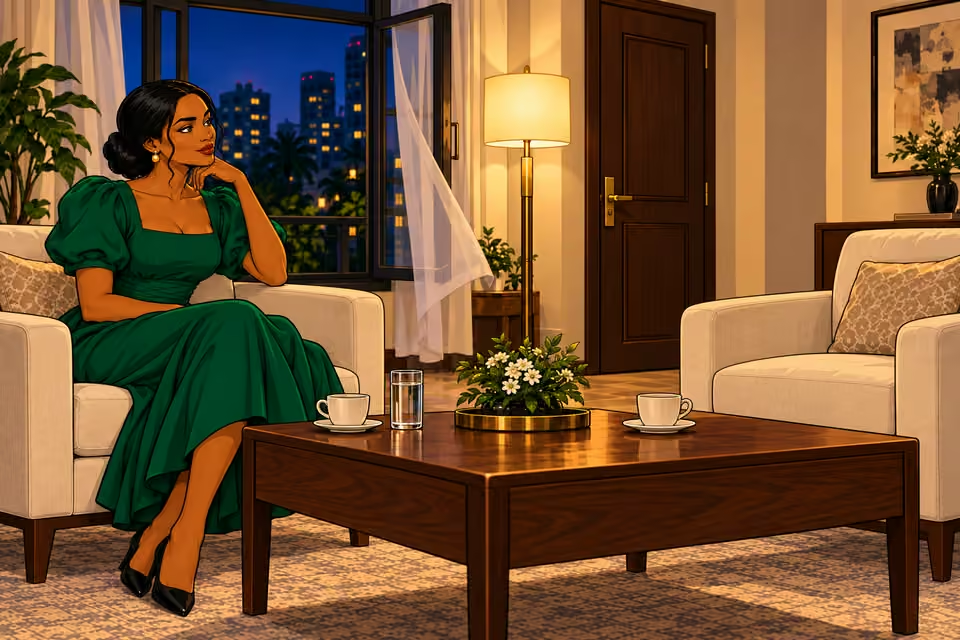
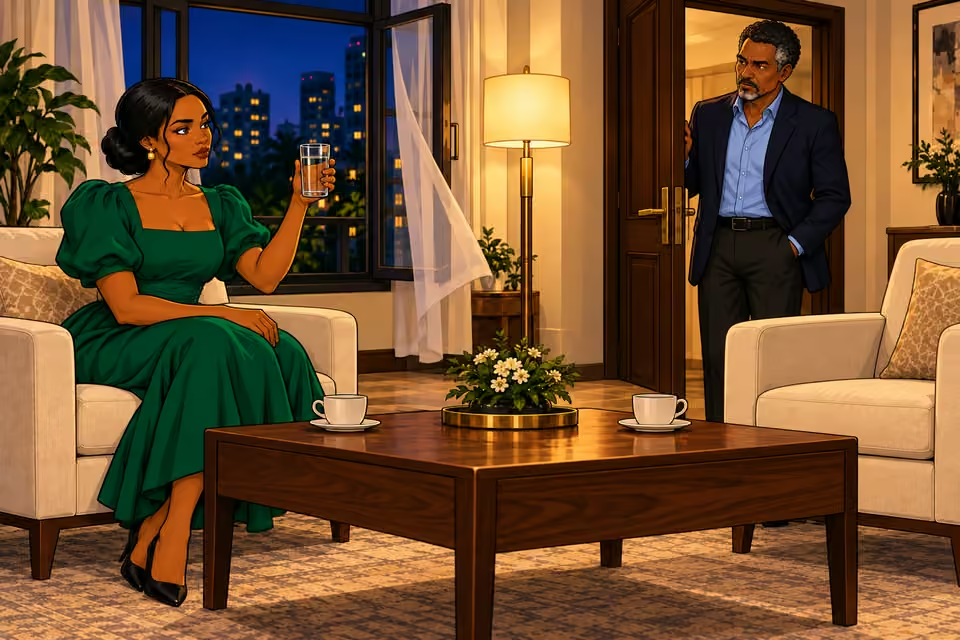
They sat opposite each other, coffee between them, windows open to let in the breeze.
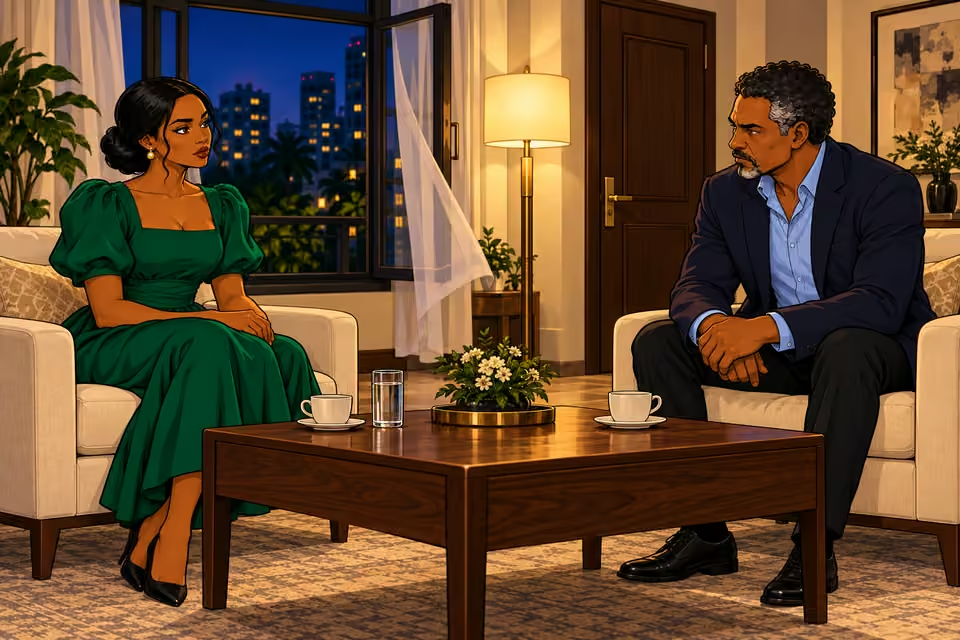
Amaka and Musa sit opposite each other with coffee between them.

Musa spoke first.

Musa begins their conversation.

“I’ve traced the money.”

Musa tells Amaka he has traced the money.

“I assumed you would.”

Amaka says she assumed Musa would follow the money.

“I know about the cook. The will. The offshore moves. Even the footage.”
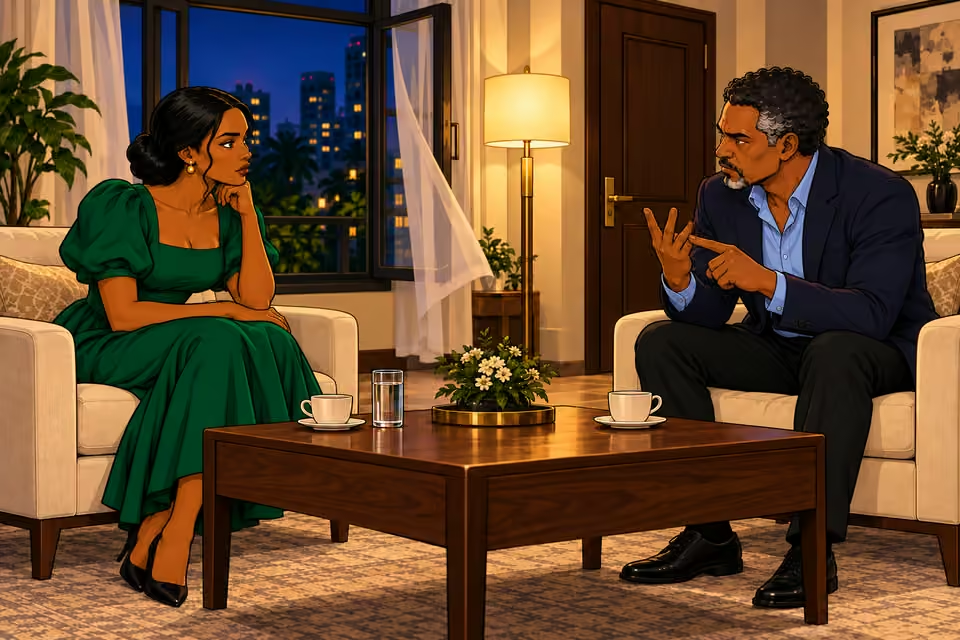
Musa lists what he knows about the case.

“Then you must know I didn’t kill her.”
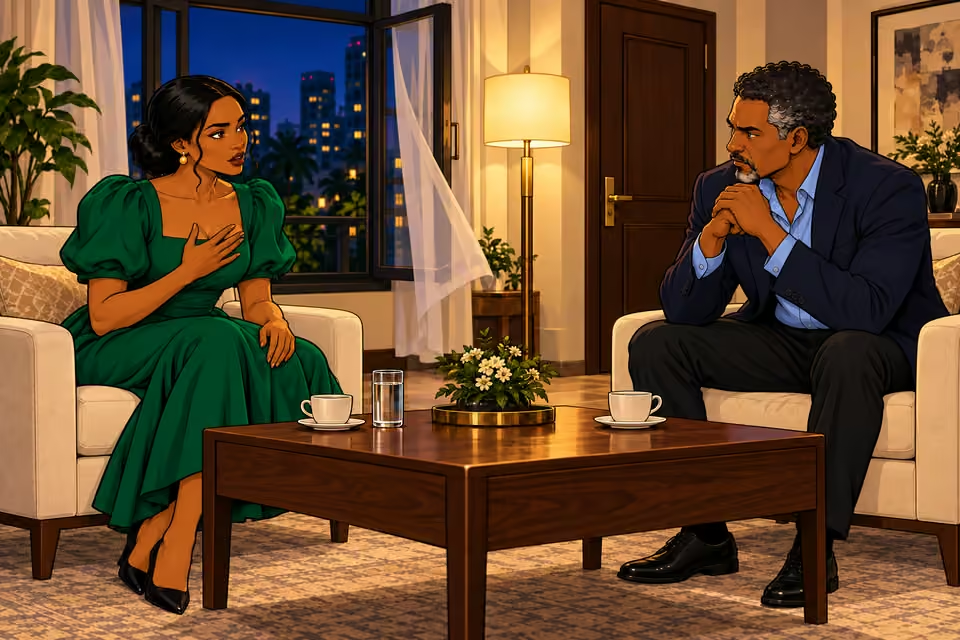
Amaka insists she did not kill Agnes.

Musa leaned forward. “No, Amaka. I think you made her kill herself.”
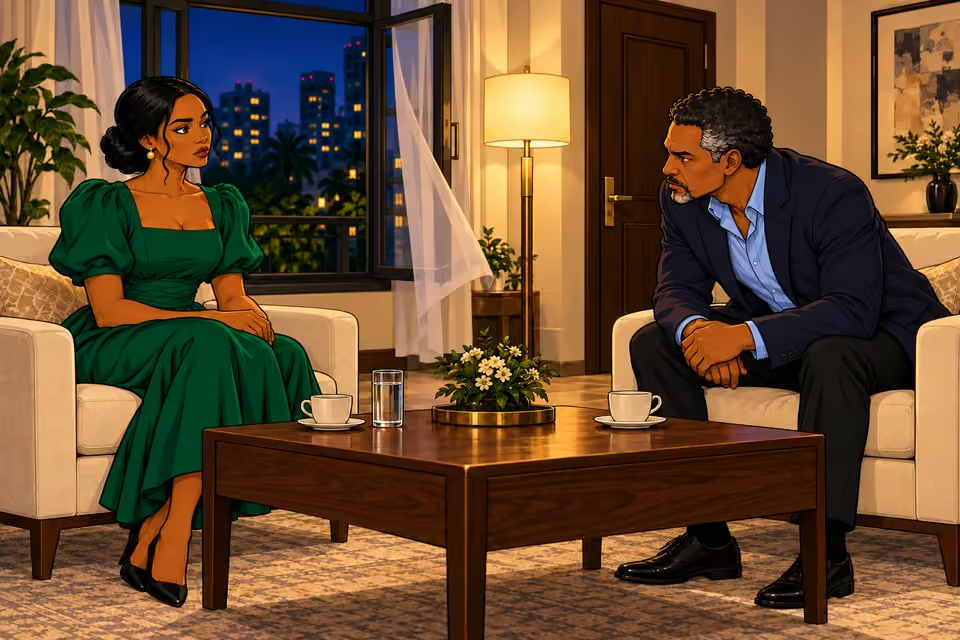
Musa leans forward and confronts Amaka with his theory.

Silence.

Silence settles between Amaka and Musa.

He continued. “You didn’t pour the poison. But you fed her fear. You made her feel it coming. And then… you let her sip it herself.”

Musa explains how fear could have driven Agnes.

She smiled.

Amaka answers with a smile.

“Impressive theory.”

Amaka calls Musa theory impressive.

“But I can’t prove any of it,” Musa said. “Not without the glass. Not without the cook. Not without someone making a mistake.”
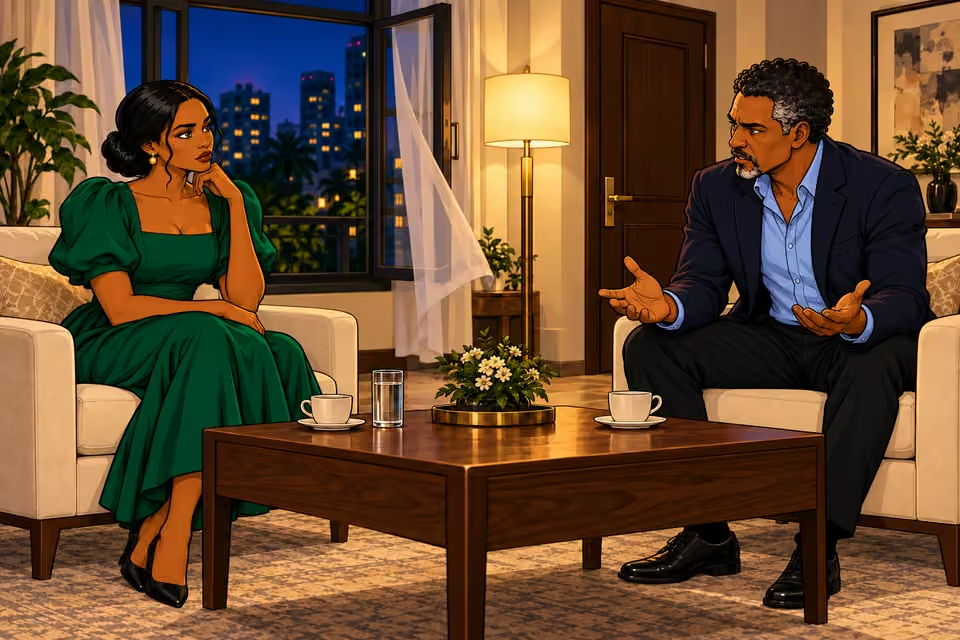
Musa admits that he cannot prove the theory.

She tilted her head. “And I don’t make mistakes.”

Amaka says she does not make mistakes.

Musa stood.

Musa stands to leave.

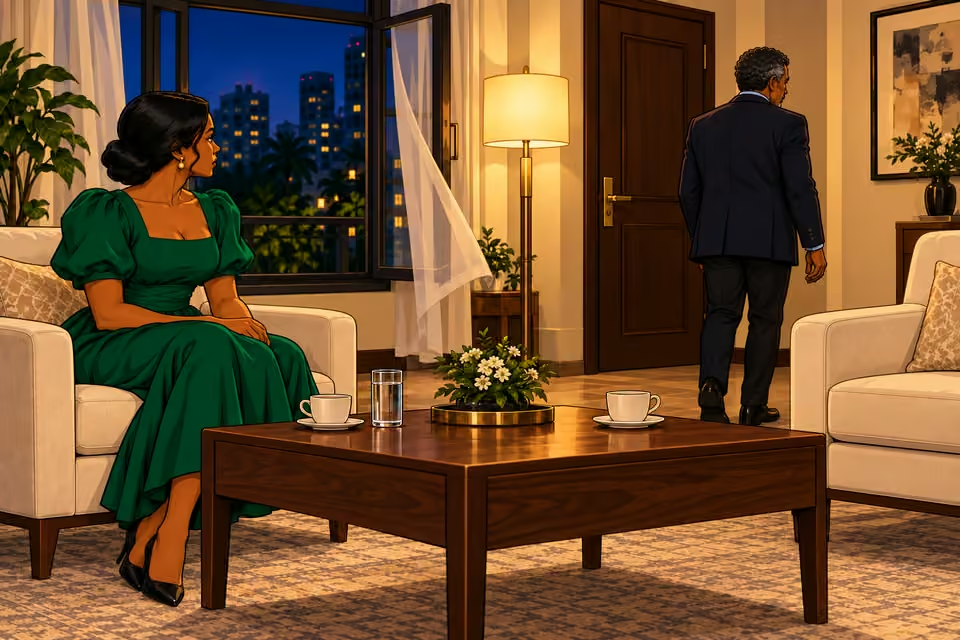
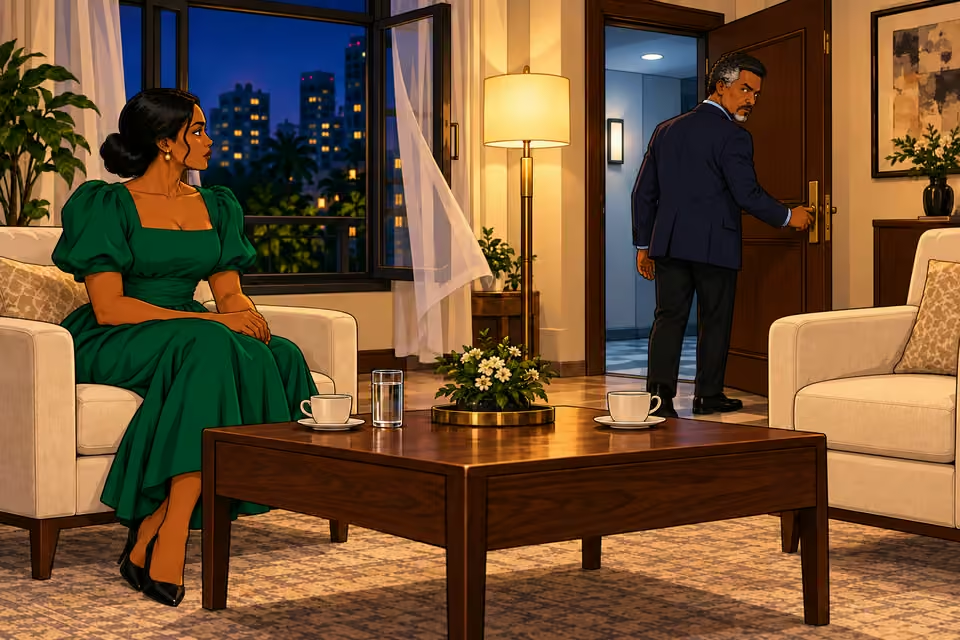
He walked to the door.

Musa walks toward the apartment door.

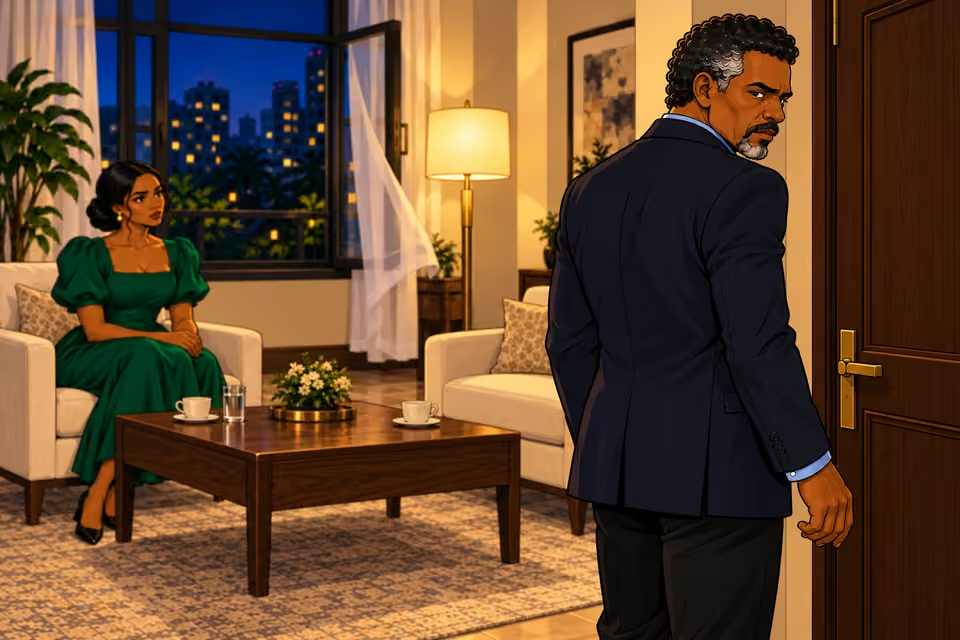
Paused.

Musa pauses by the door.

“She trained you well.”

Musa tells Amaka that Agnes trained her well.

“She built me to survive her.”

Amaka says Agnes built her to survive.

“She didn’t expect you to win.”

Musa says Agnes did not expect Amaka to win.

“She didn’t think she’d lose.”

Amaka replies that Agnes did not think she would lose.

Musa opened the door.

Musa opens the apartment door.

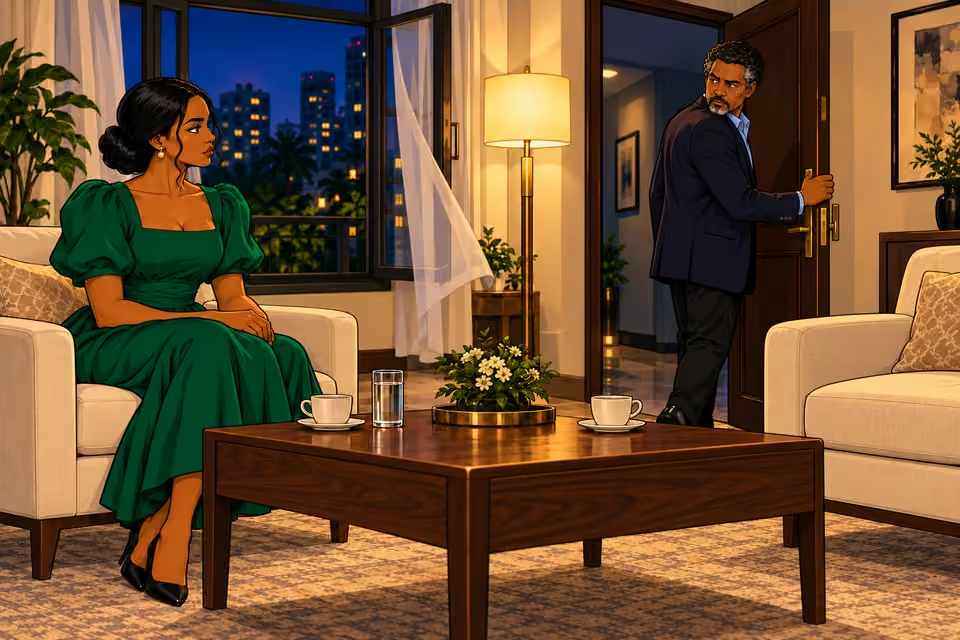
One foot out, he turned.

Musa turns back with one foot outside.

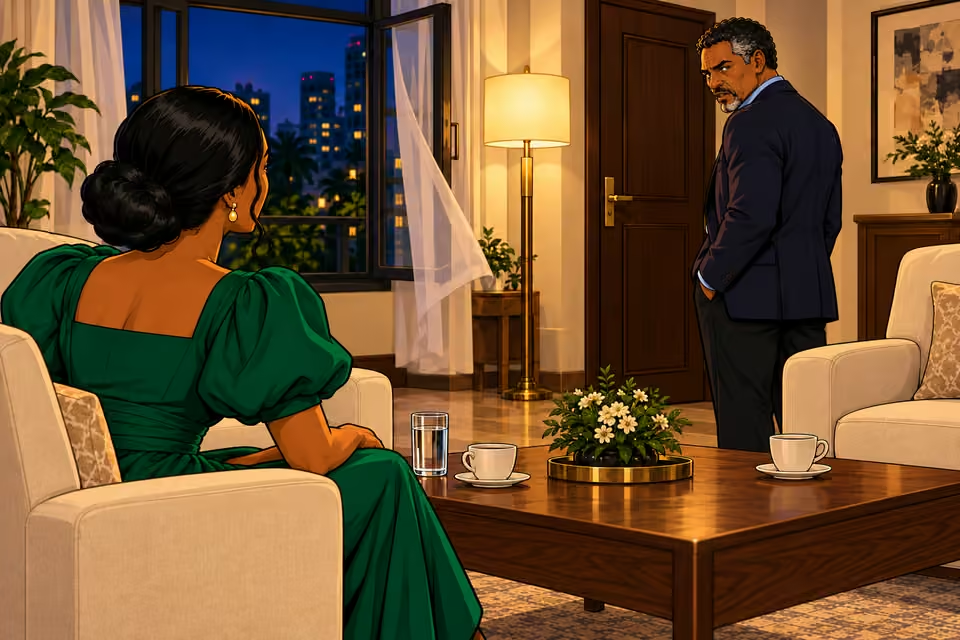
“You’re free, Amaka. But not innocent.”
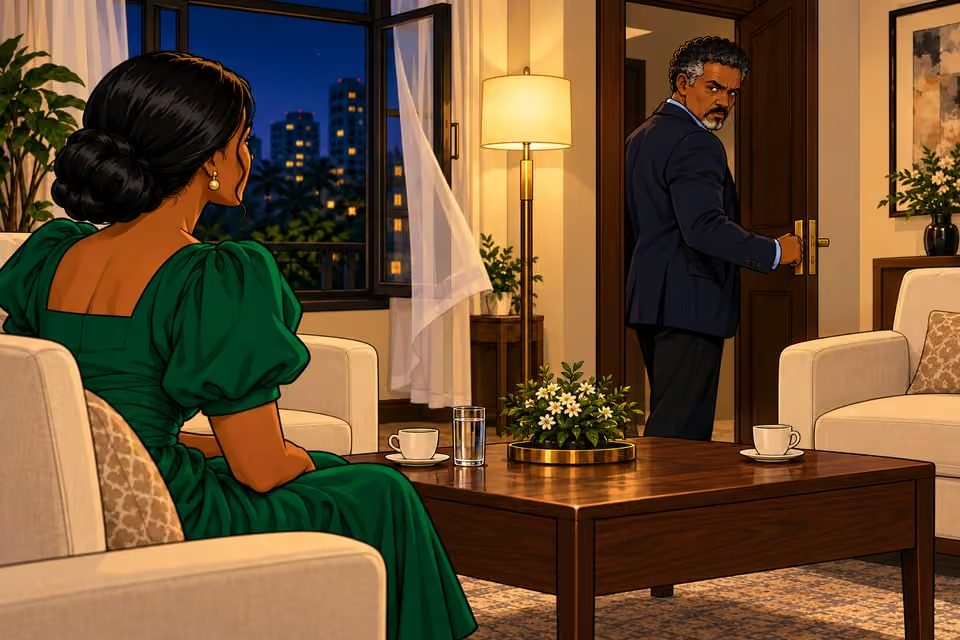
Musa tells Amaka that freedom does not mean innocence.

She raised her glass.

Amaka raises her glass.

“To survival,” she said.

Amaka toasts survival.

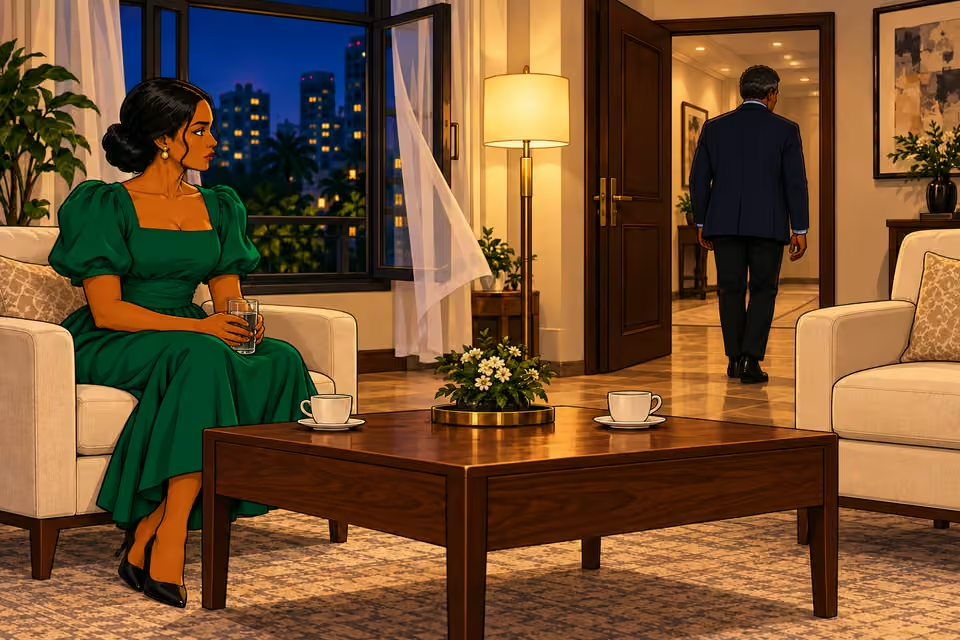
He left.

Musa leaves the apartment.

And behind the door, she finally exhaled.

Behind the closed door, Amaka finally exhales.
There’s more to the story.
Read the original blog post ↗