Story contentsbrevity bard.
Mystery4 min read

Agnes

Your place is saved on this device.

CHAPTER 6

Chapter 6 – The Whisper Network

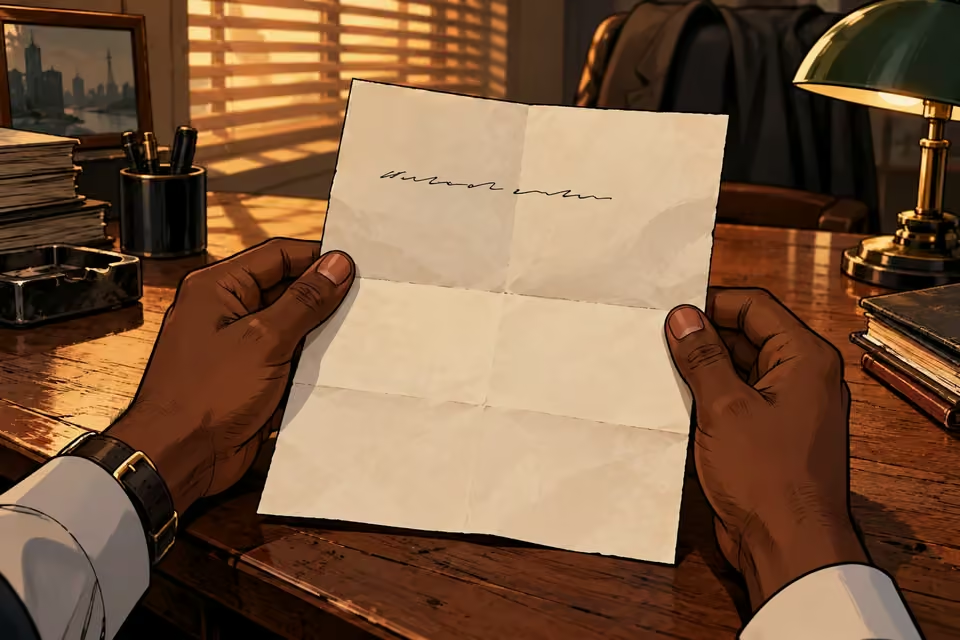
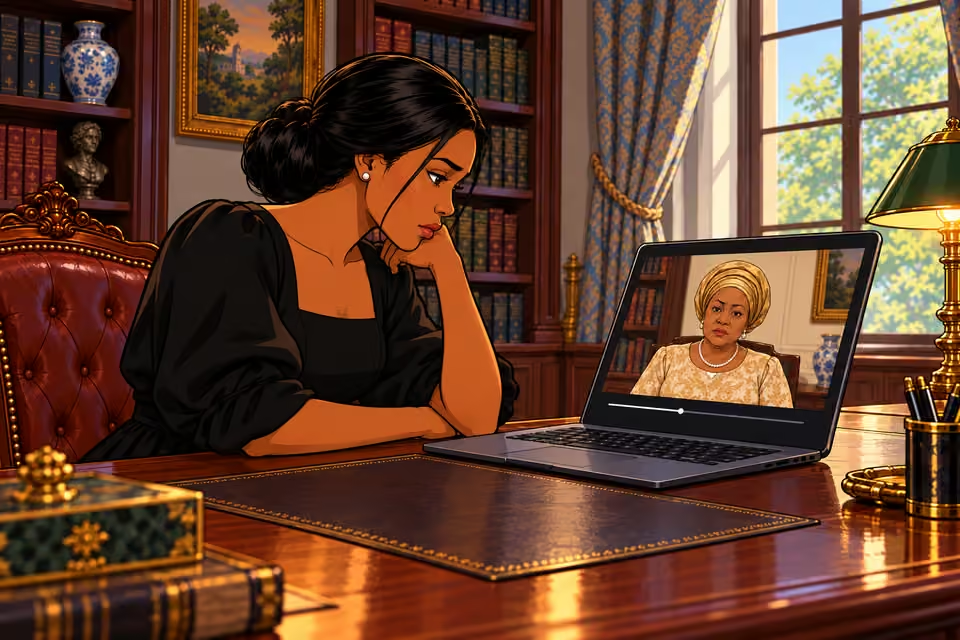
Detective Musa wasn’t a man of superstition. But something about the letter on his desk felt like a curse—carefully written, plain, folded once. It was there when he returned from a budget meeting he hadn’t wanted to attend.
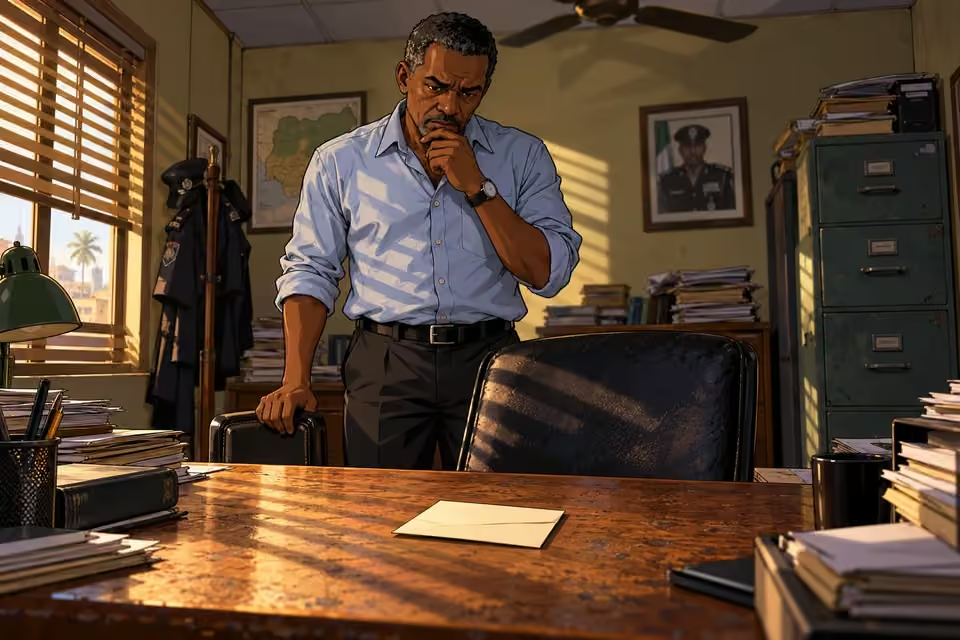
Detective Musa studies a mysterious folded letter on his office desk.
A letter without a name

No signature. Just one line:

Musa holds a mysterious unsigned note containing a single line.
An unsigned line

“Ask Ngozi what she saw in the dressing room before the first toast.”
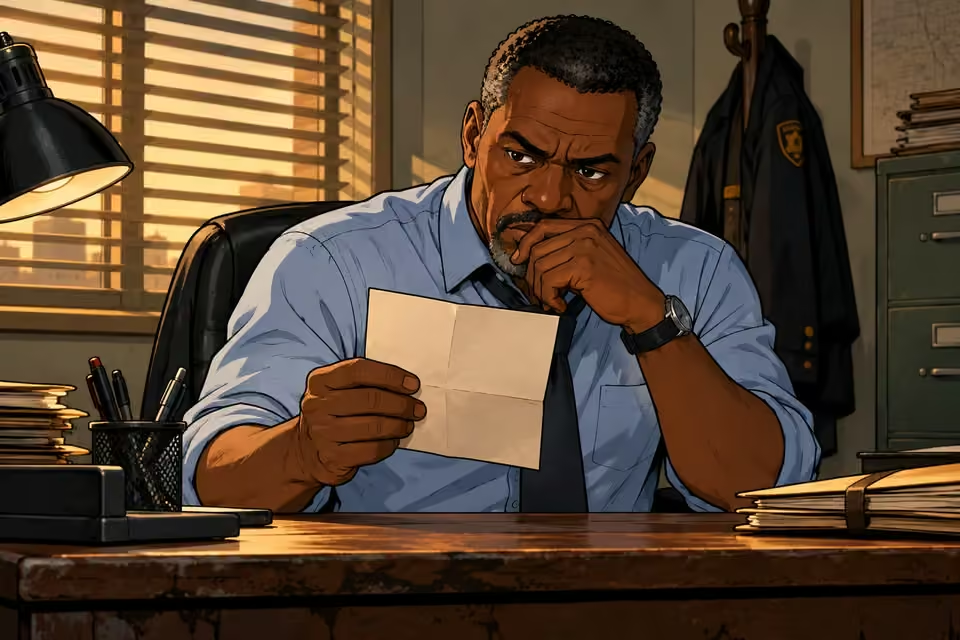
Musa studies the anonymous letter asking about Ngozi.
A question for Ngozi

He read it twice, then reached for his coat.
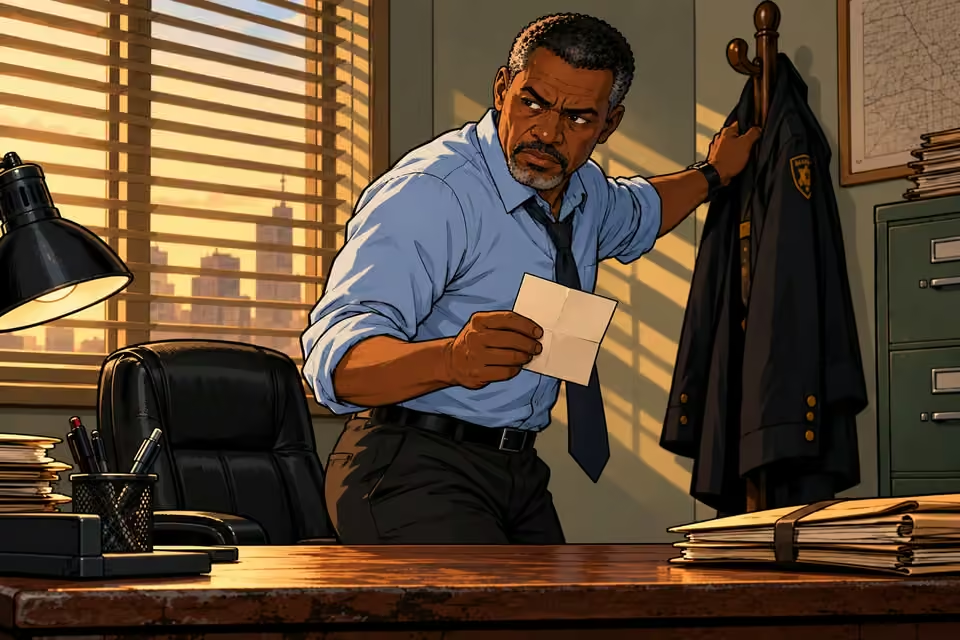
Musa reaches for his coat after rereading the unsigned note.
The note sends Musa toward another lead.

Ngozi didn’t live far. Her address—an aging block of flats in Surulere—had been logged in the initial background checks. When Musa arrived, children were playing barefoot in the corridor, and the air smelled of kerosene, sweat, and frying fish.
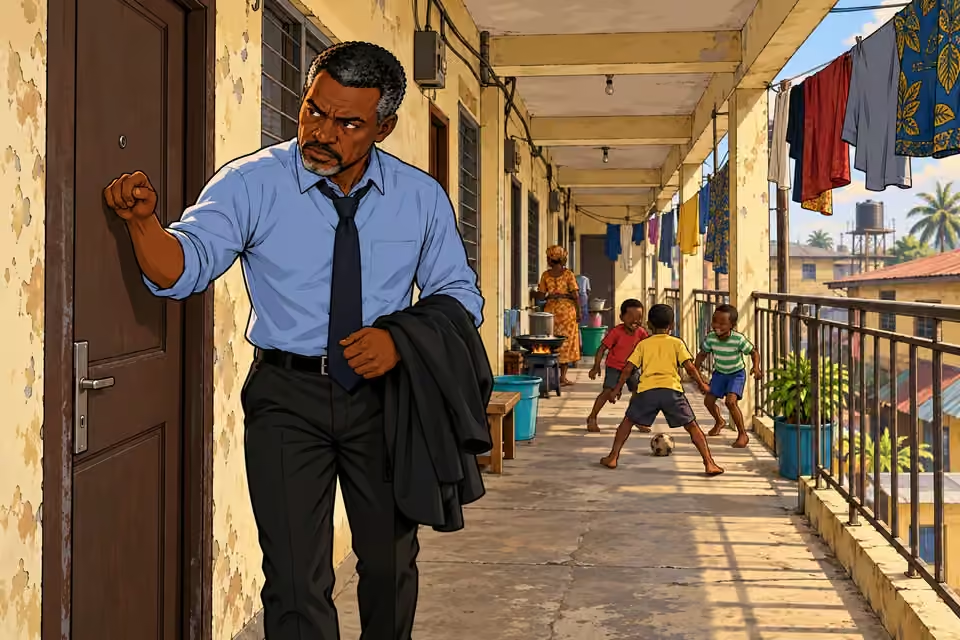
Musa reaches Ngozi’s block of flats as children play in the corridor.
His inquiry leads him to Surulere.

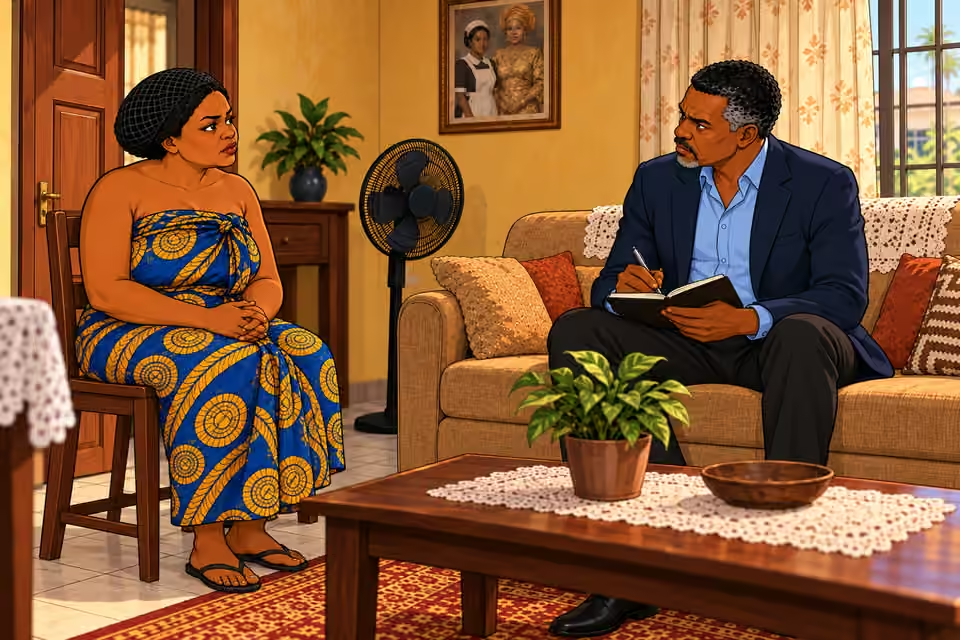
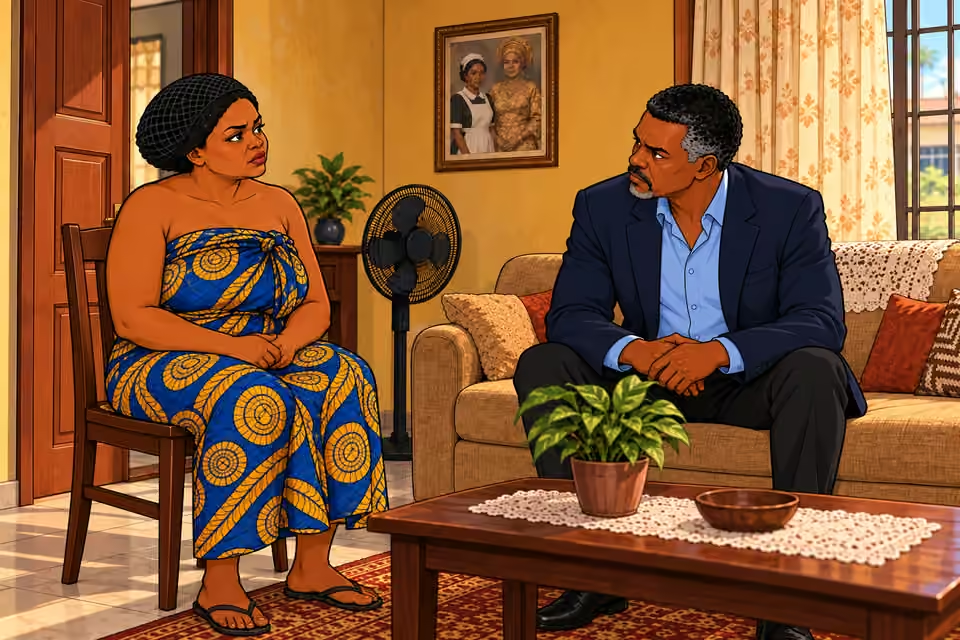
She answered on the second knock, wrapper tied at the chest, hairnet still on.
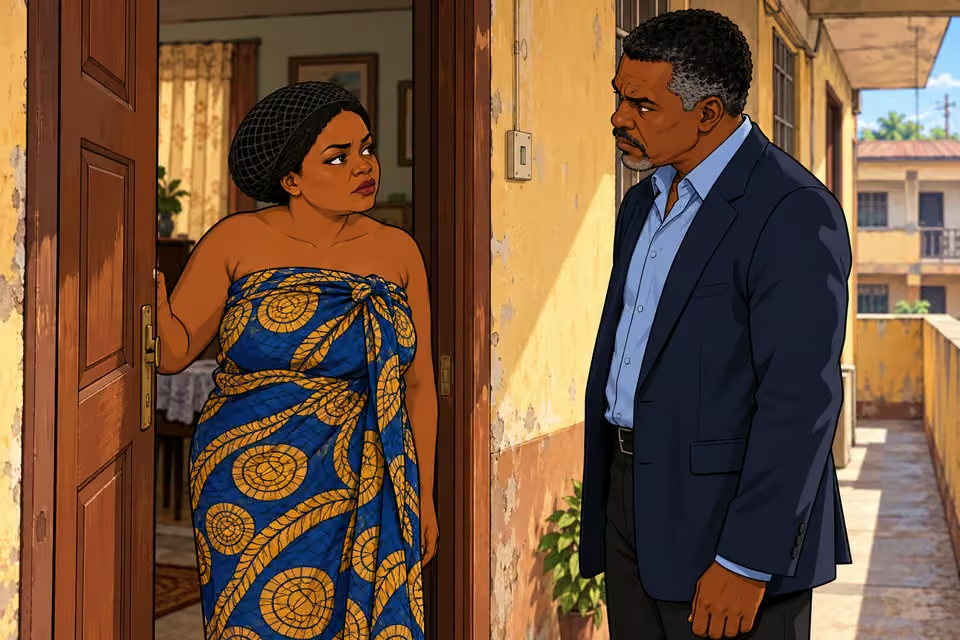
Ngozi opens her apartment door to Musa.
She answers in a wrapper and hairnet.

“You again?” she said, not surprised.
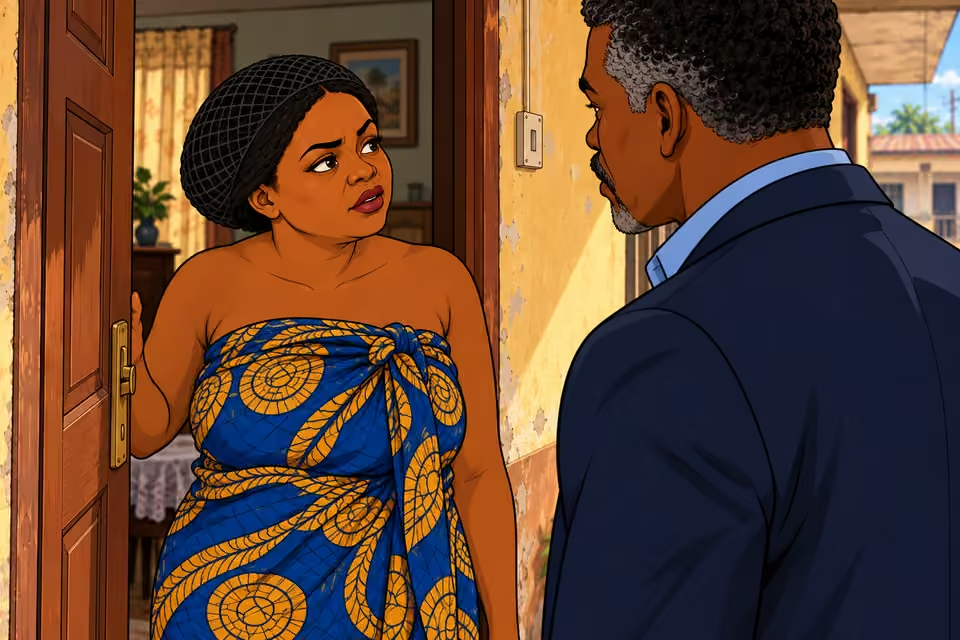
Ngozi recognizes Musa without surprise.
His return does not catch her off guard.

“We never really talked properly,” Musa replied. “May I come in?”
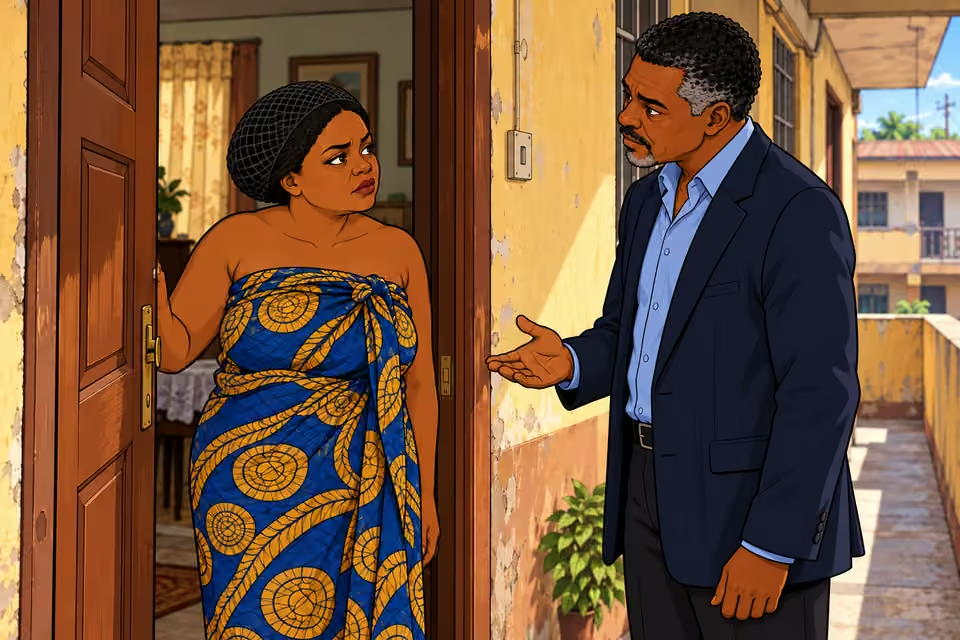
Musa asks Ngozi whether he may come in.
He wants a proper conversation with her.

She stepped aside.

Ngozi steps aside to let Musa into her flat.

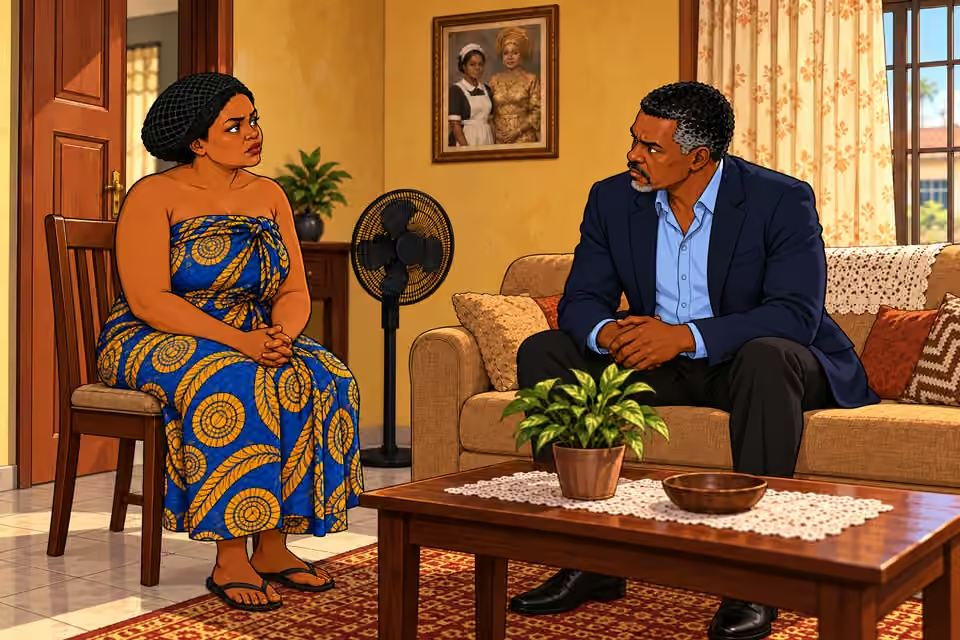
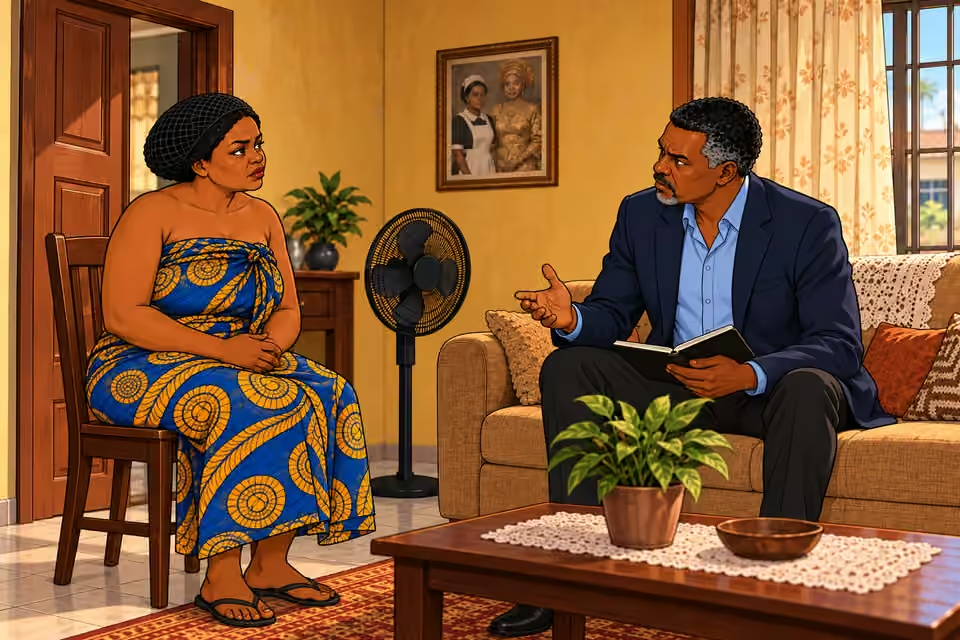
Inside, her flat was neat, quiet. A standing fan hummed beside the couch. On the wall, a faded photo of a much younger Ngozi in a maid’s uniform, standing beside a stiff, regal Agnes.
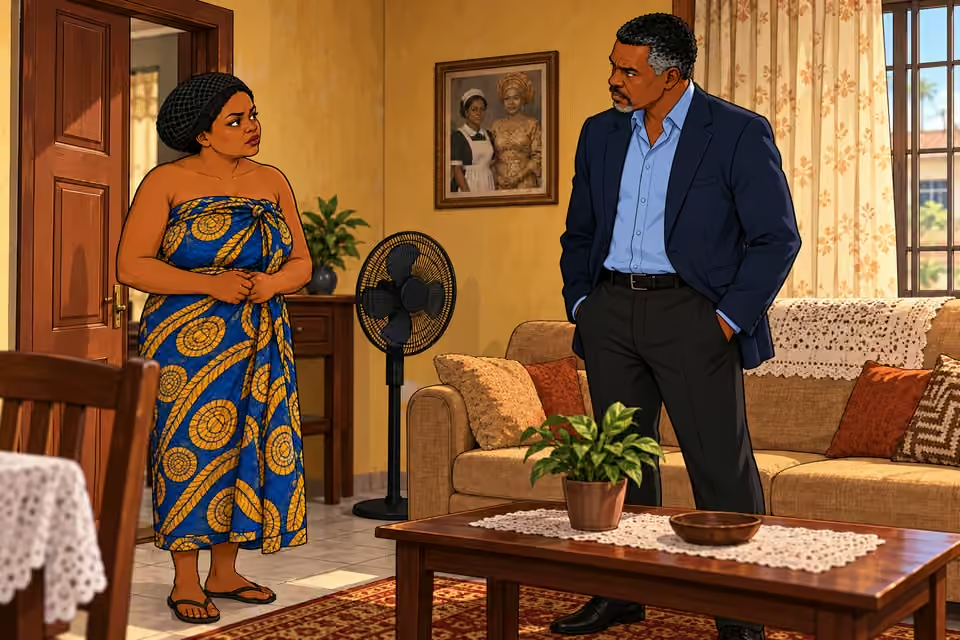
The neat flat holds a faded photograph of Ngozi with Agnes.

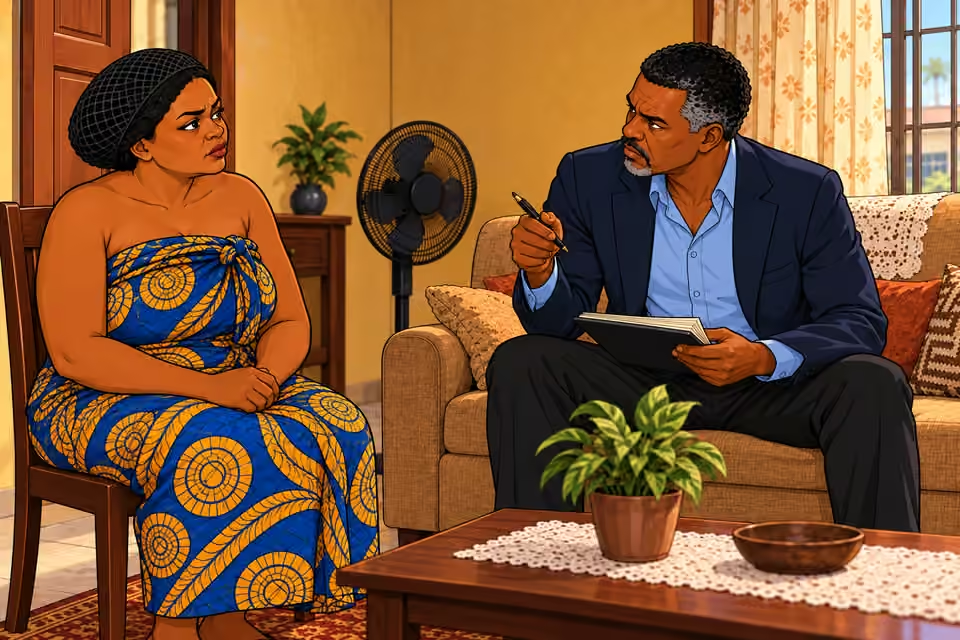
Musa sat, notebook in hand.

Musa sits with his notebook ready.

“You were at the estate early on the wedding day,” he began.
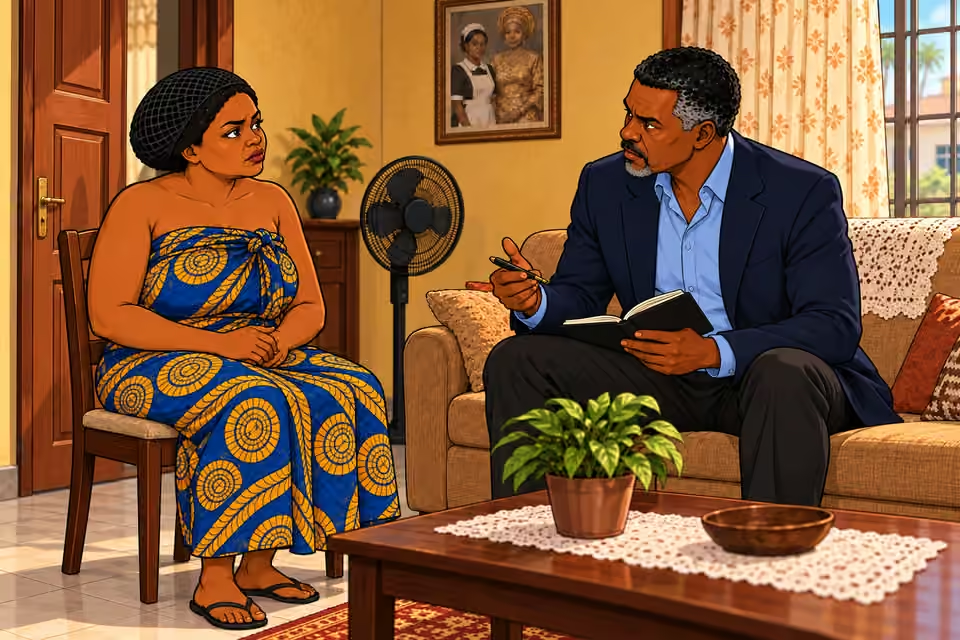
Musa asks about Ngozi’s early arrival on the wedding day.

“Five a.m. sharp,” she said. “Old habits.”
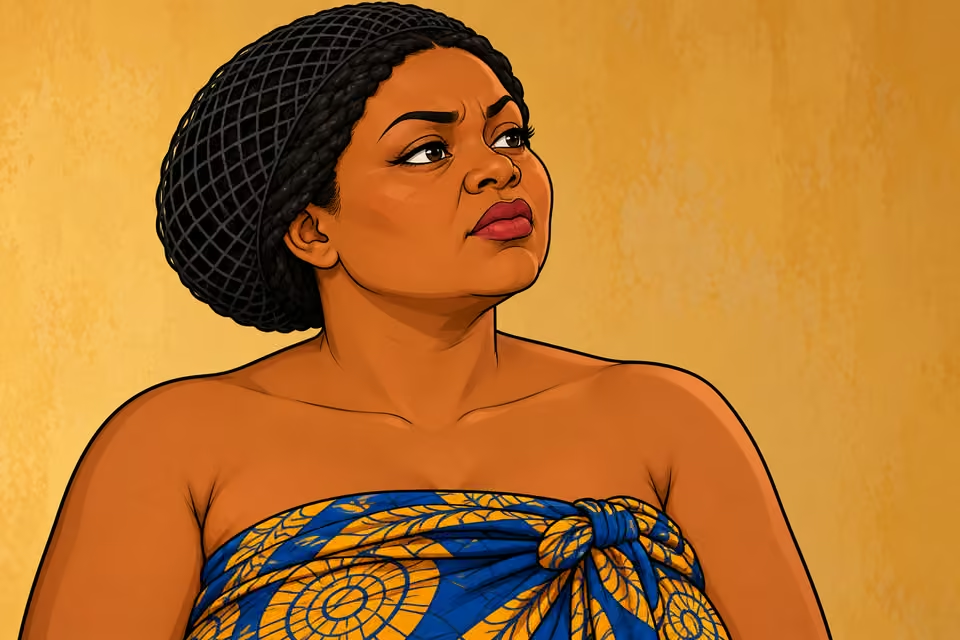
Ngozi recalls arriving at five in the morning.

“You didn’t work there anymore.”

Musa notes that Ngozi no longer worked at the estate.

“No. But I had been summoned. Madam said I’d disgrace myself if I didn’t show face. So I came.”
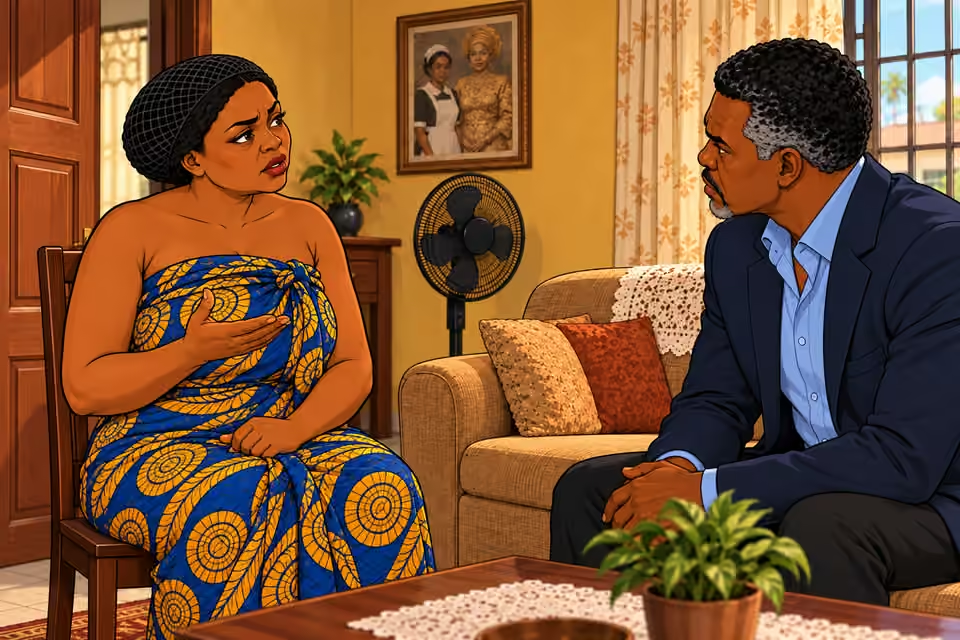
Ngozi explains that Agnes summoned her to the wedding.

“What time did you leave the main house?”

Musa asks when Ngozi left the main house.

“I didn’t. I stayed close.”

Ngozi says she stayed close to the house.

“Did you go upstairs at any point?”

Musa asks whether Ngozi went upstairs.

A pause.

Ngozi pauses before answering.

“Once. To check if they needed extra hands with the bridal change. I was loyal, regardless of how she treated me.”
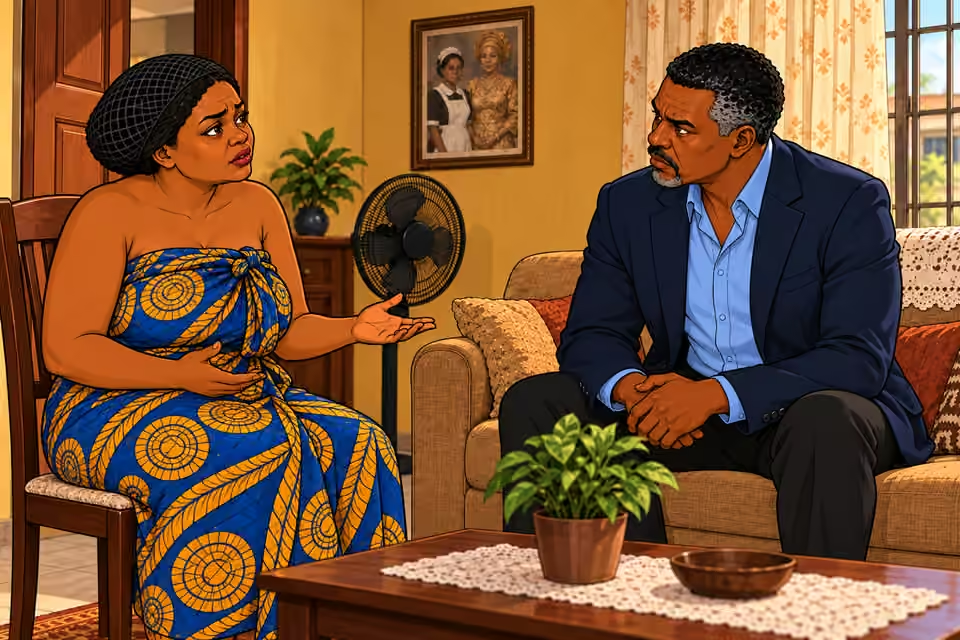
Ngozi describes checking whether help was needed with the bridal change.

“Did you enter the dressing room?”

Musa asks whether she entered the dressing room.

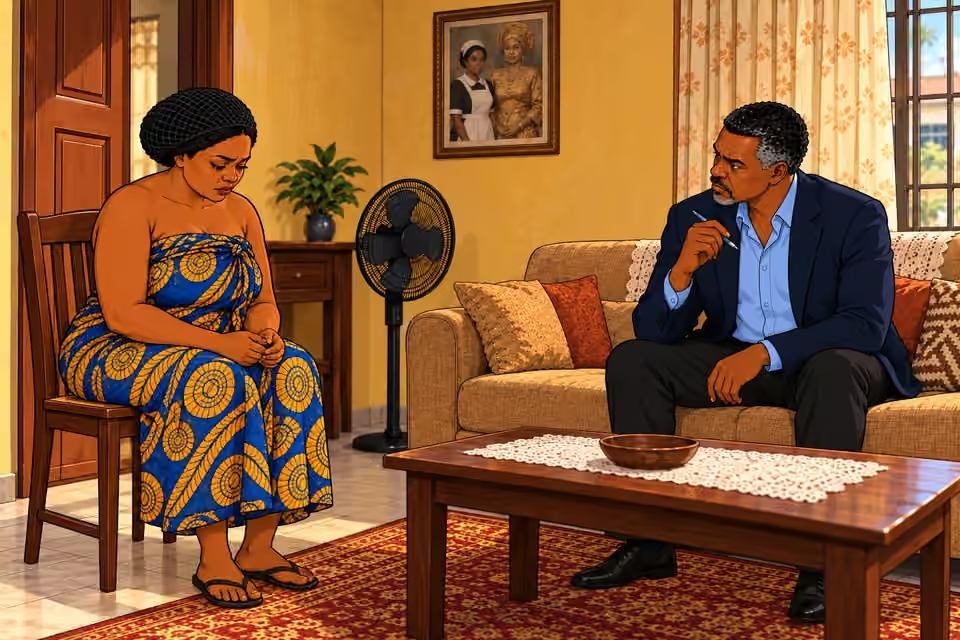
She hesitated again. Then: “Yes. Briefly.”

Ngozi hesitates before admitting she entered briefly.

“Who was there?”

Musa asks who was in the dressing room.

Another pause. A subtle one.

Ngozi pauses again before naming the person she saw.

“Just her. Amaka. She was alone. Sitting in her gown. Looking at herself in the mirror.”
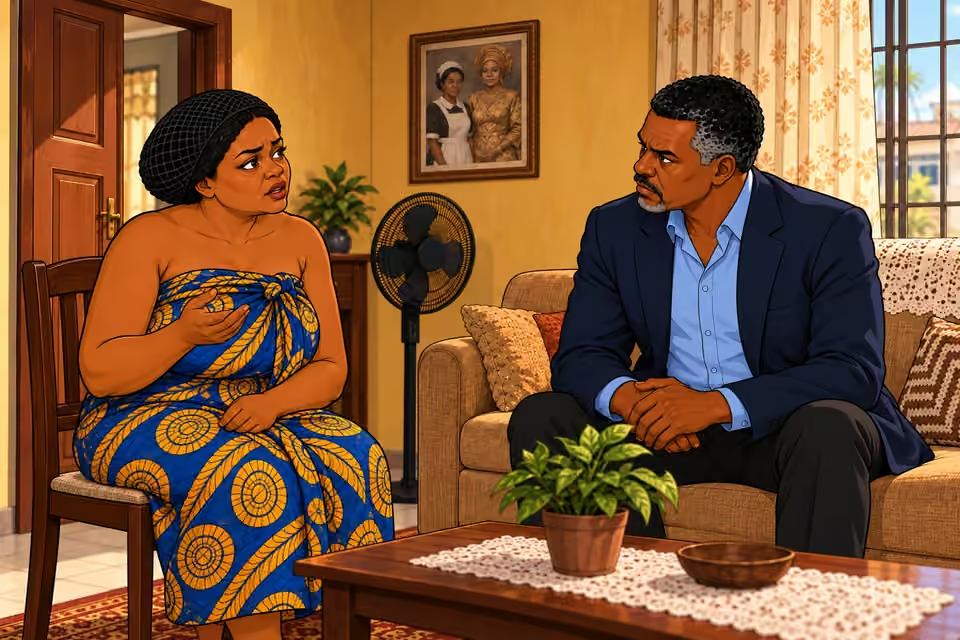
Ngozi describes finding Amaka alone in her bridal gown.

“Was she crying?”

Musa asks whether Amaka was crying.

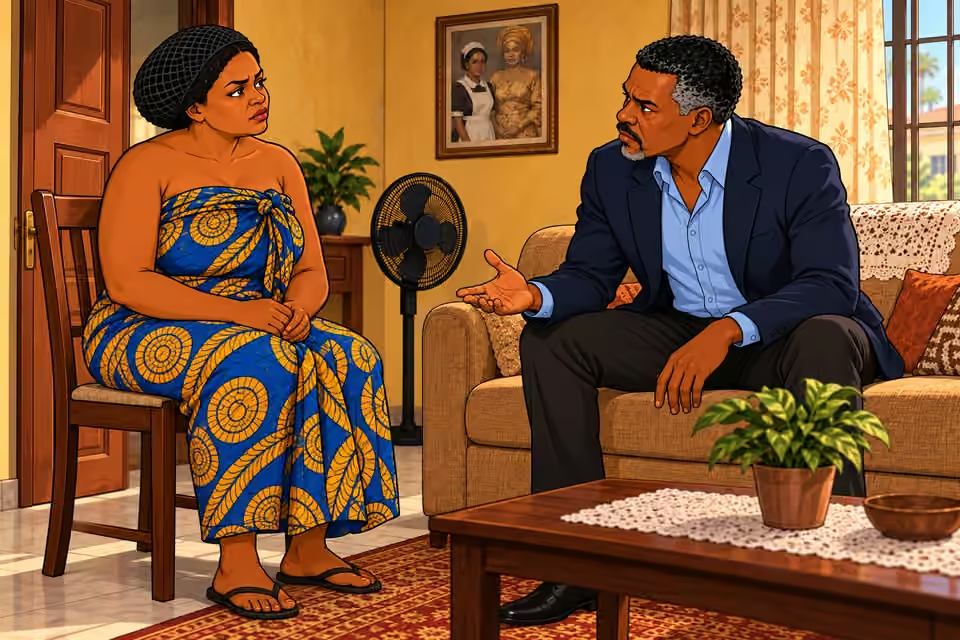
Ngozi looked up, brow furrowed. “No. She was laughing.”
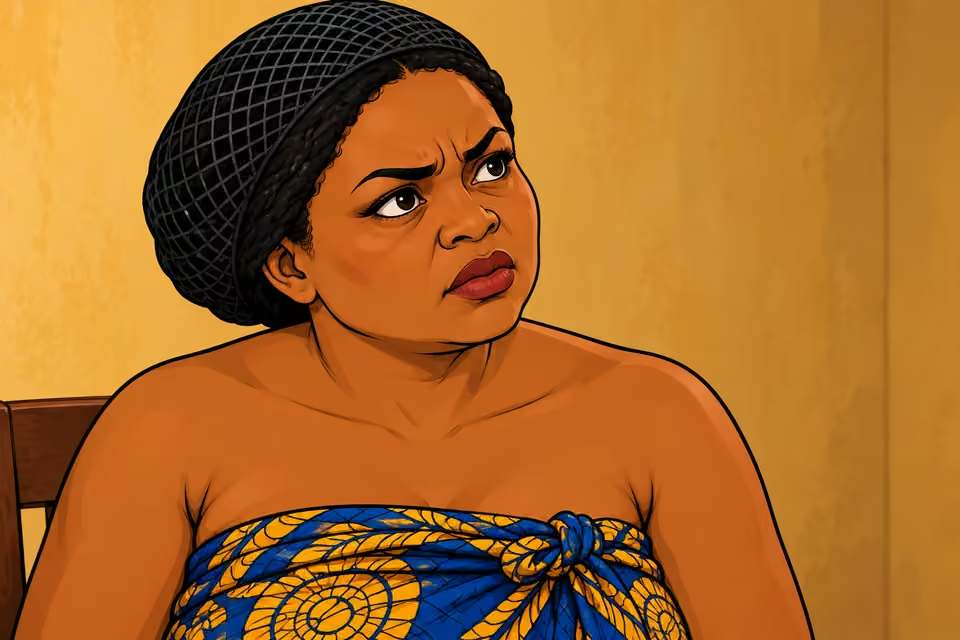
Ngozi looks up and says Amaka was laughing.

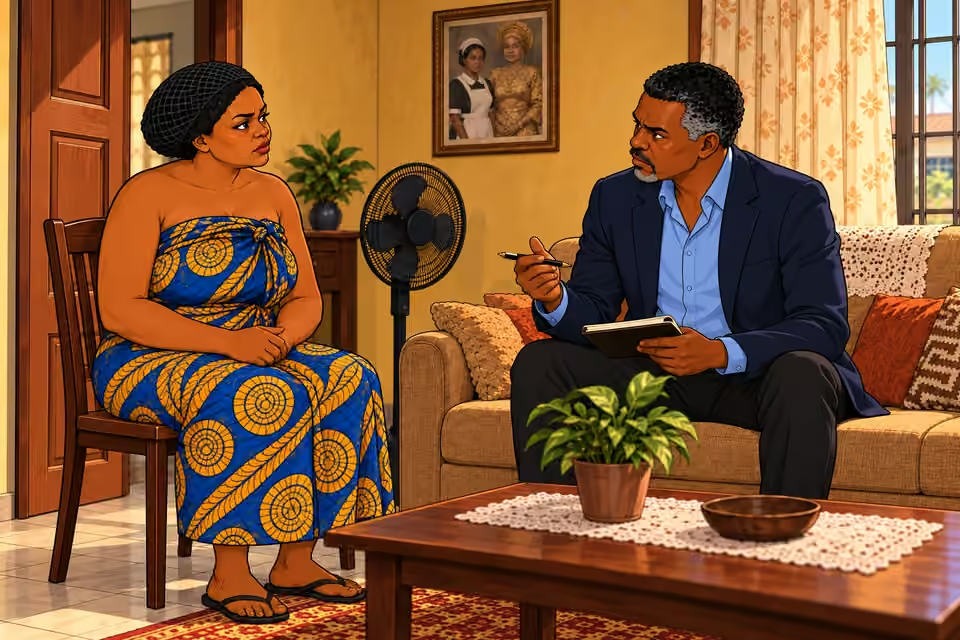
Musa’s pen stilled. “Laughing?”

Musa’s pen stops as he questions the unexpected laughter.

“Low. To herself. Like someone who had just remembered a private joke.”
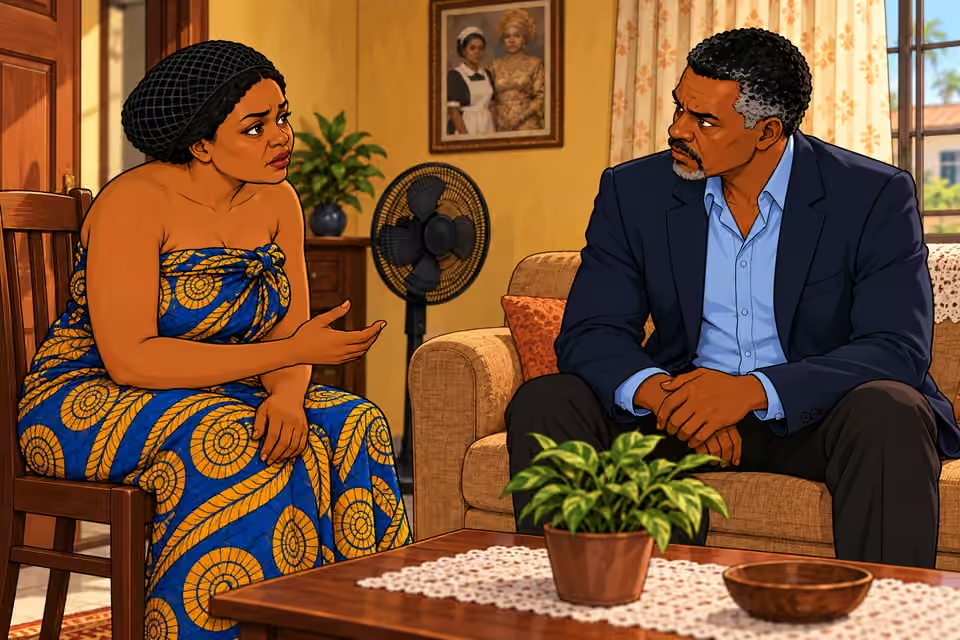
Ngozi describes a low laugh over a private joke.

“Did she say anything to you?”

Musa asks what Amaka said to Ngozi.

“She looked me dead in the eye and said, ‘I’m not my mother.’”
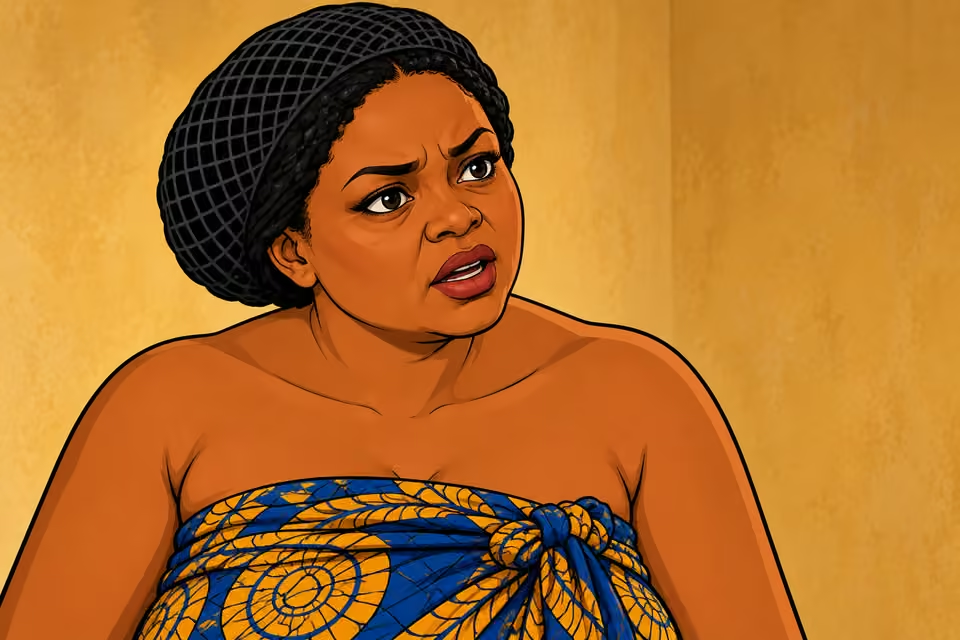
Ngozi recalls Amaka saying she was not her mother.

“And you believed her?”

Musa asks whether Ngozi believed her.

Ngozi’s face twisted. “No. That’s why I left.”
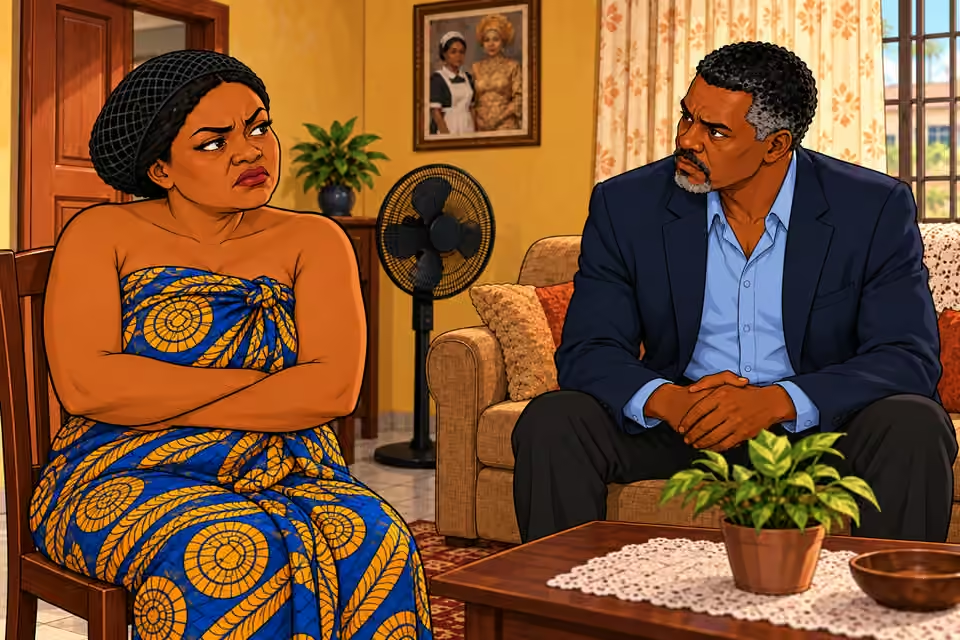
Ngozi’s expression twists as she explains why she left.

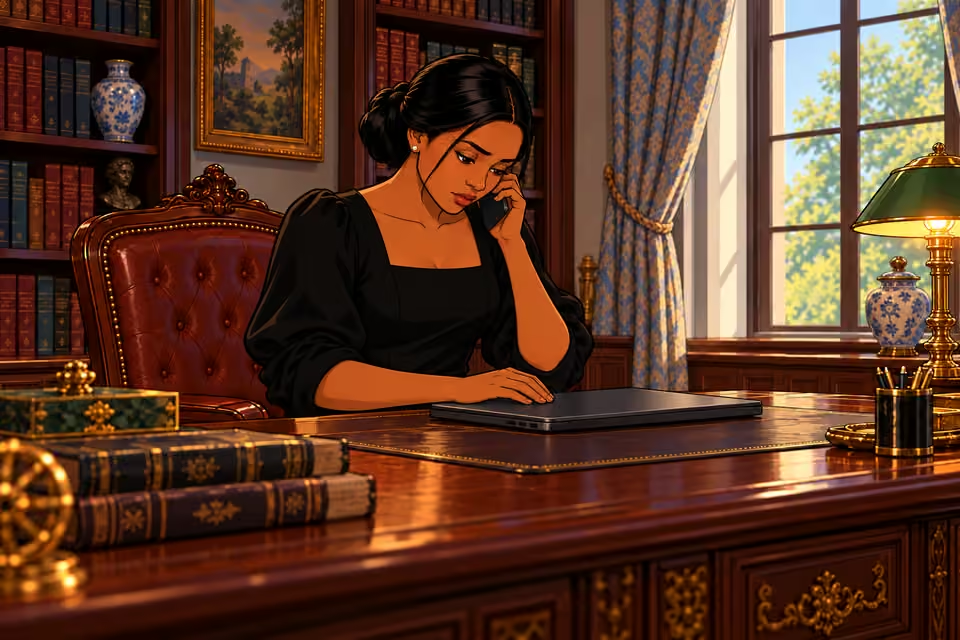
Back at the estate, Amaka sat in the late Agnes’s study with the memory card she’d been mailed days ago. It had taken some time to decrypt. But she was patient.
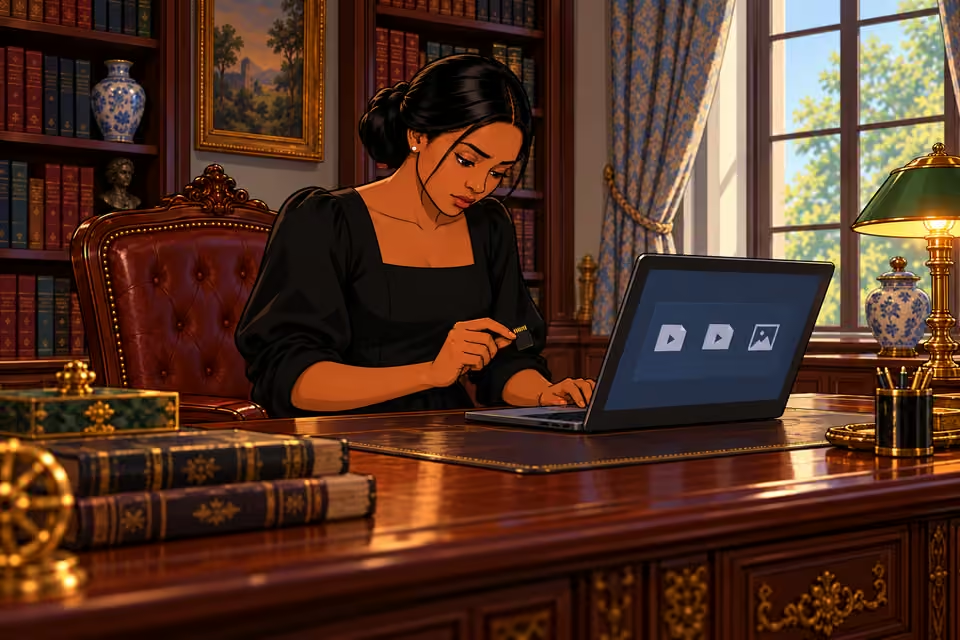
Amaka prepares to examine the memory card in Agnes’s study.

The video wasn’t long.

Amaka begins watching the brief recording.

Agnes. Alone. Speaking to camera. Like she’d recorded it for herself. Dated two months before the wedding.
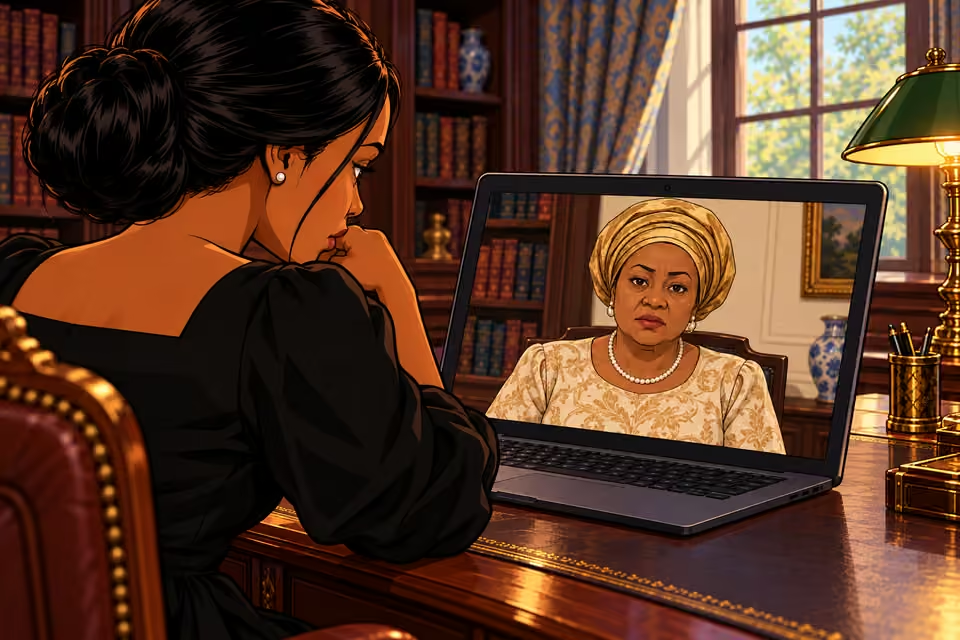
The recording shows Agnes speaking alone to the camera.

“If anything ever happens to me, it will be someone close. People like me aren’t killed by strangers. We die from within. I built a world and filled it with actors, liars, dependents. The most dangerous ones are the ones who smile too often.”
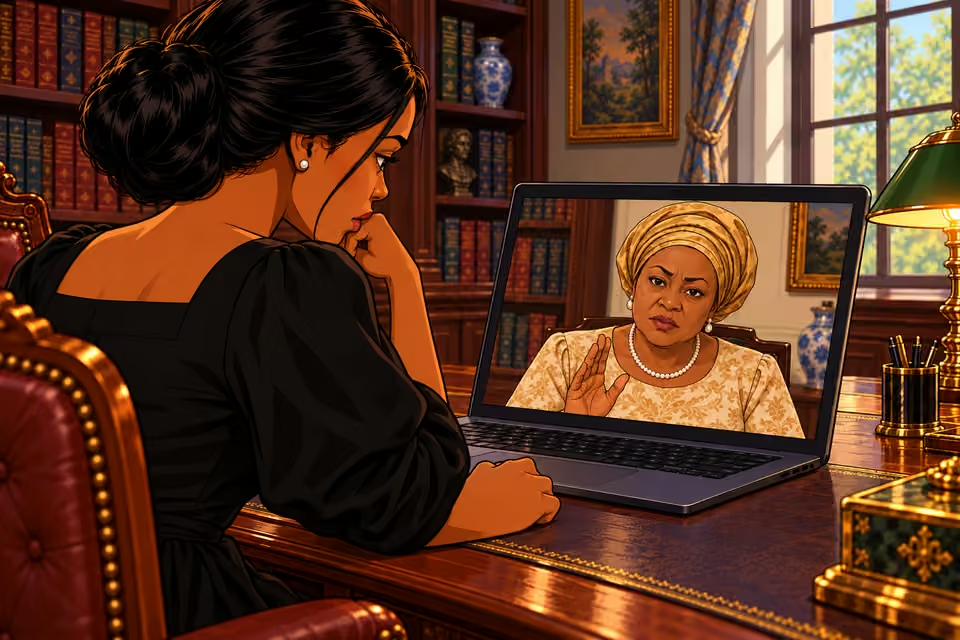
Agnes warns in the recording that danger would come from someone close.

She paused, then looked directly into the lens.
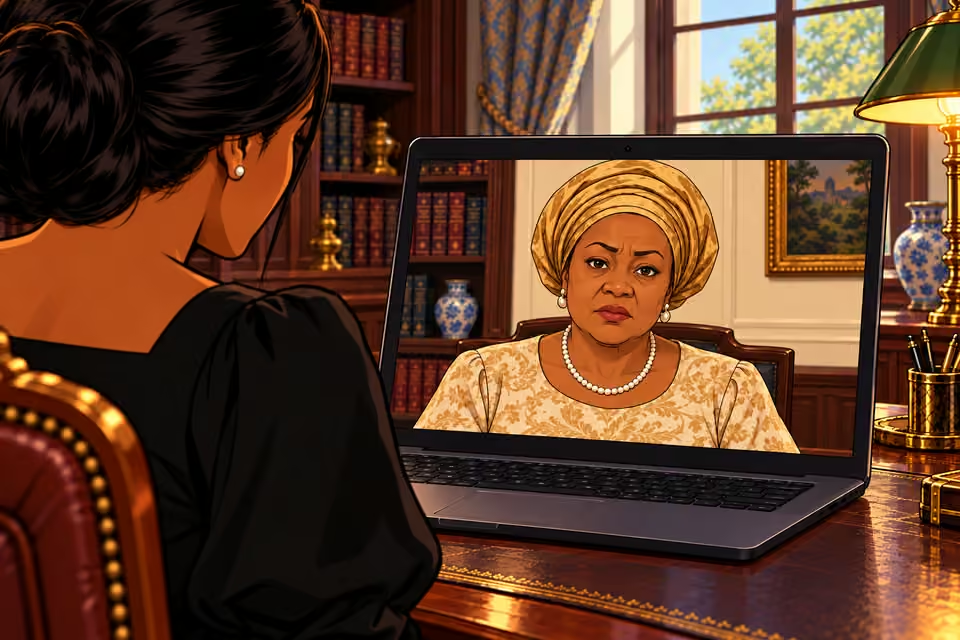
Agnes pauses and looks directly into the camera.

“Even my daughter. Especially her.”

In the recording, Agnes singles out her daughter.

Amaka stopped the video. Her face unreadable.
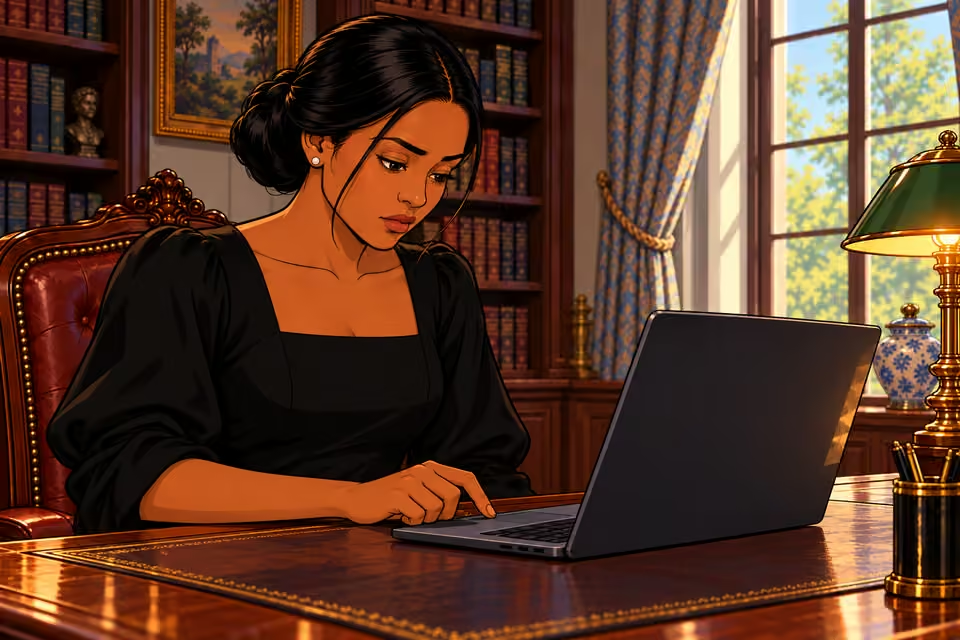
Amaka stops the recording without showing emotion.

Then she hit ‘delete.’

Amaka deletes the recording.

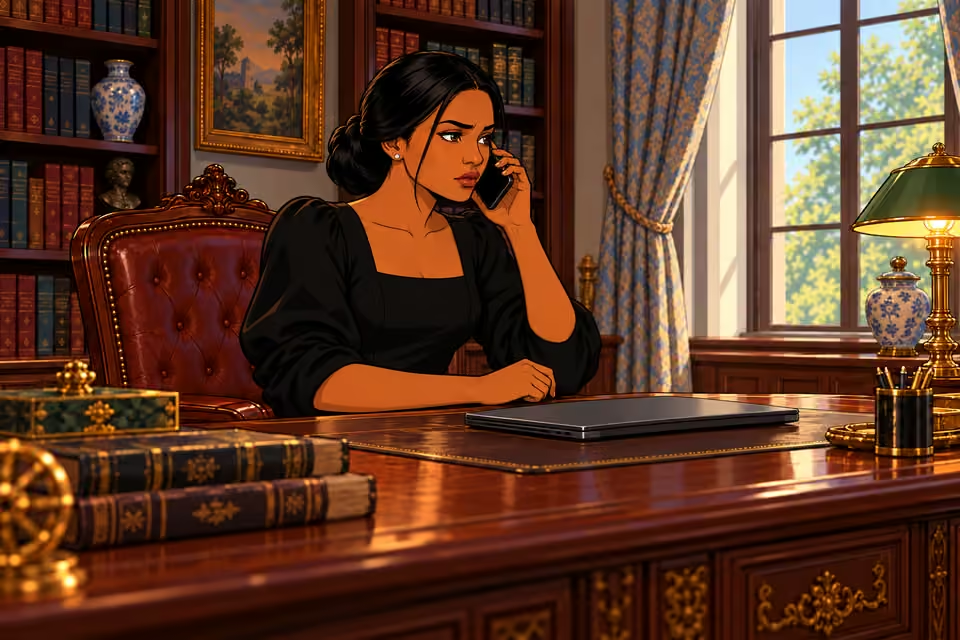
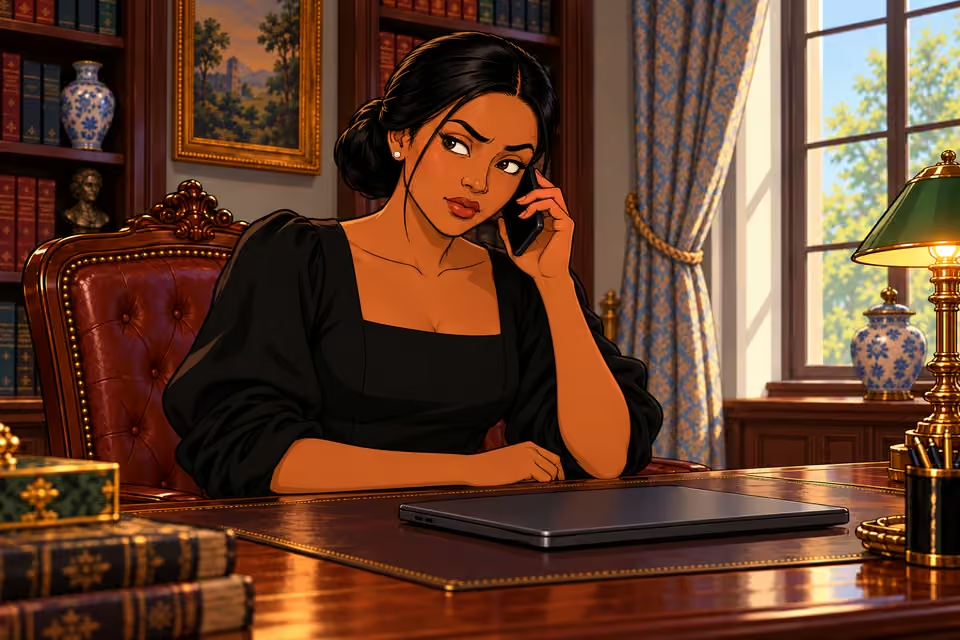
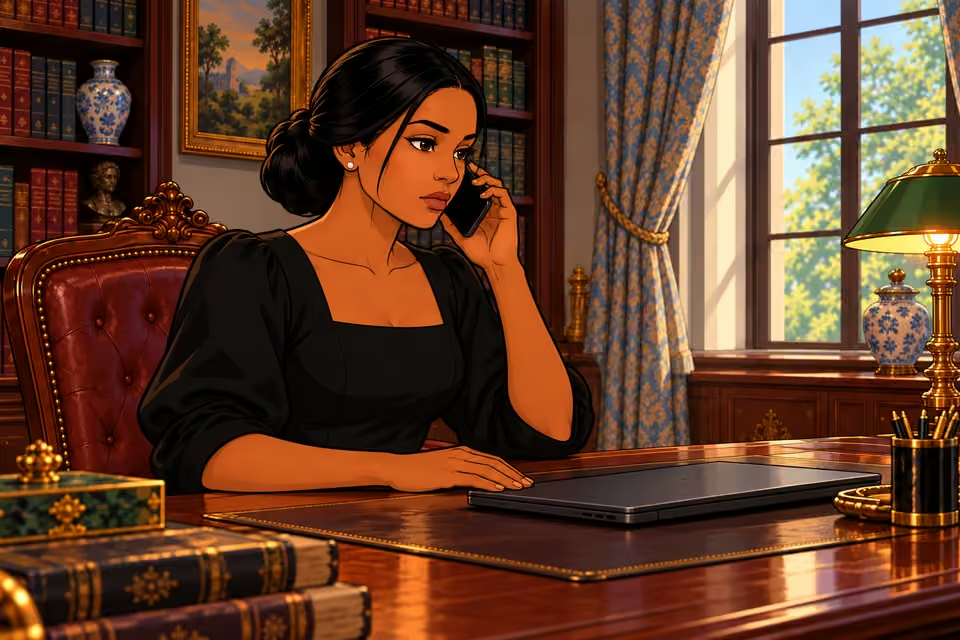
Chuka’s phone rang while he was driving. He saw Amaka’s name and answered immediately.

Chuka answers Amaka’s call while driving.

“Where are you?” she asked.

Amaka asks Chuka where he is.

“Shoprite. Picking up the wine order for your uncle’s visit.”

Chuka says he is collecting wine for the uncle’s visit.

“You’re getting the Rosé?”

Amaka asks whether he is getting rosé.

“You said they like it. I’m following instructions.”

Chuka says he is following Amaka’s instructions.

A pause.

Amaka lets a pause settle over the call.

“You’re good at following instructions,” she said softly.
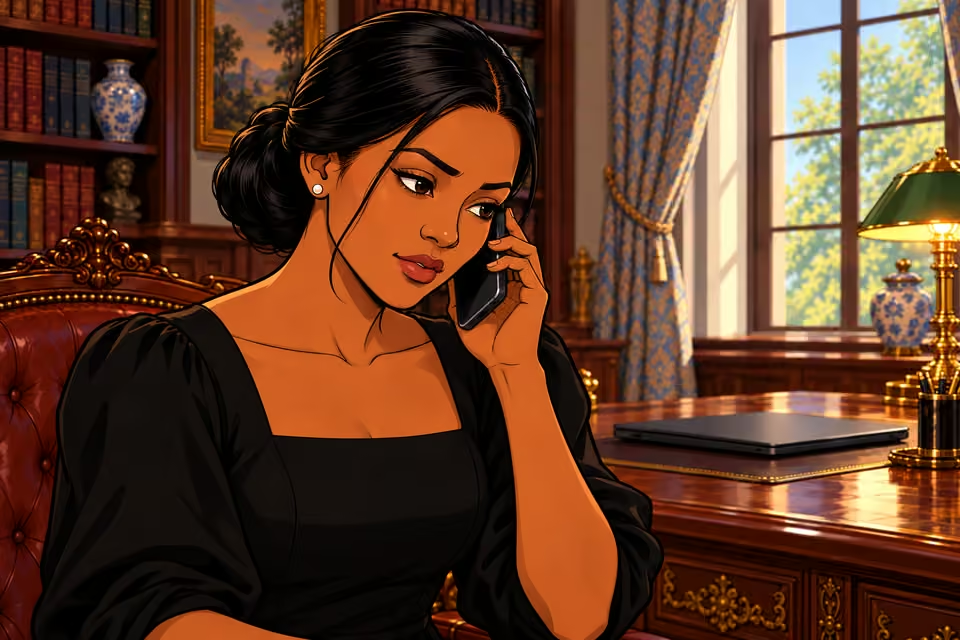
Amaka remarks on Chuka’s skill at following instructions.

He tried to laugh. “That was meant to be a compliment, right?”

Chuka tries to laugh and asks if it was a compliment.

“No. Just an observation.”

Amaka says it was only an observation.

The line went dead.

The call ends, leaving Chuka unsettled.

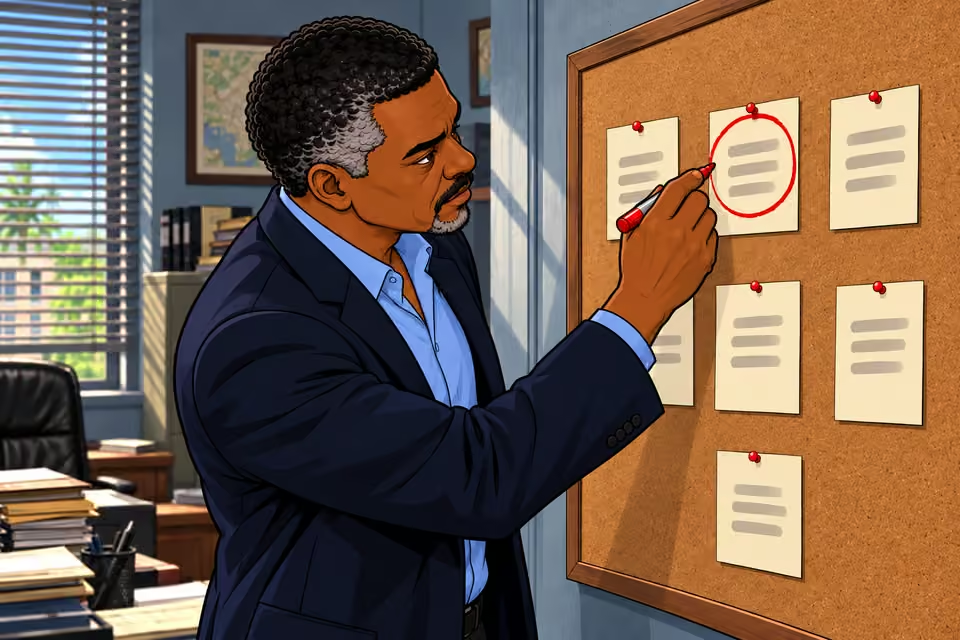
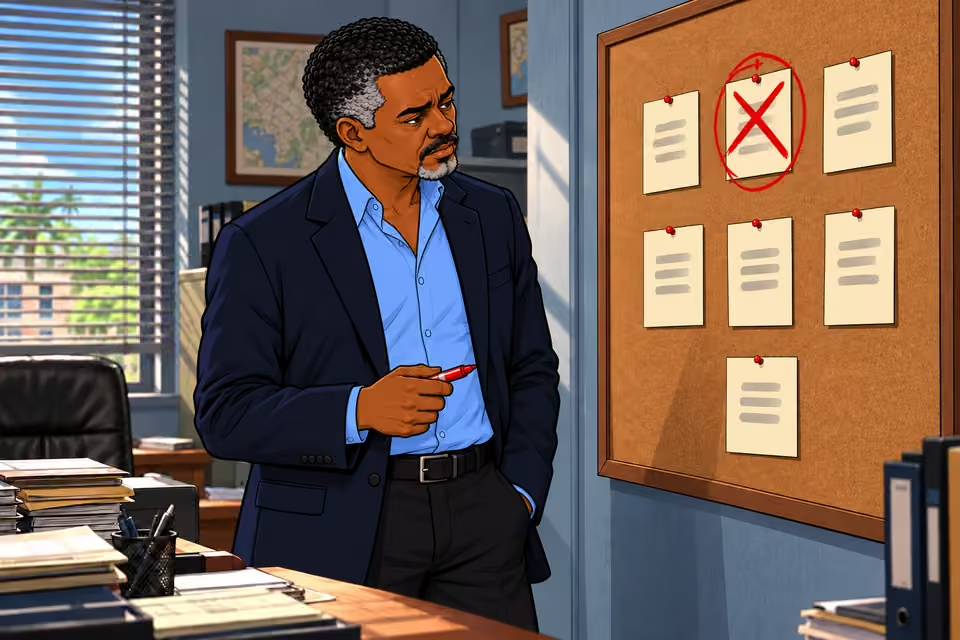
Detective Musa returned to the station with a clearer picture forming in his mind—but no firm edges. He had a hundred puzzle pieces, some real, some planted, some warped. He pinned names on the board: Amaka. Chuka. Ngozi. Gabriel. Bamidele. Uju. Ikenna.
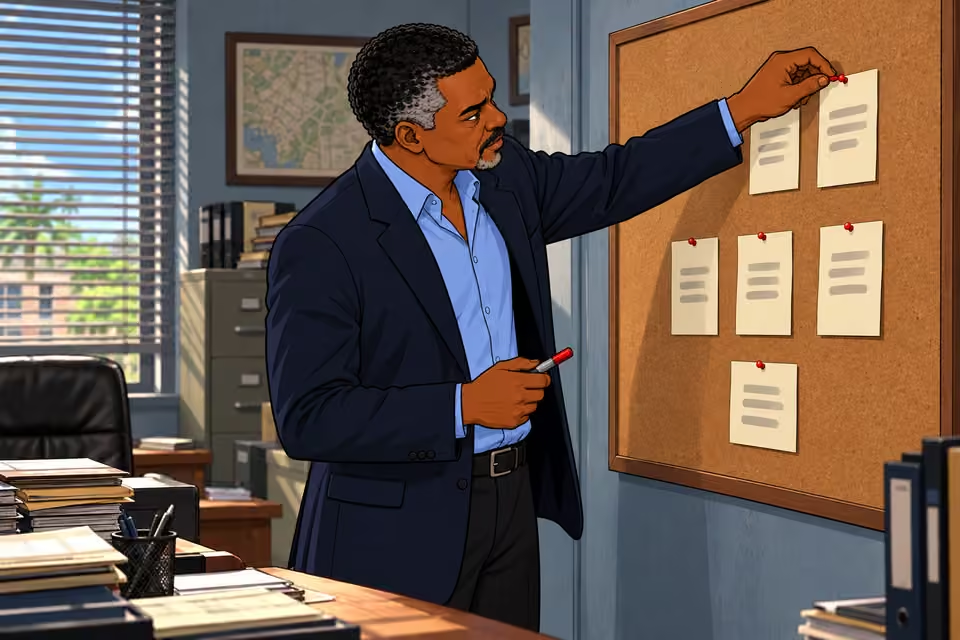
Musa arranges seven suspect cards on the station board.

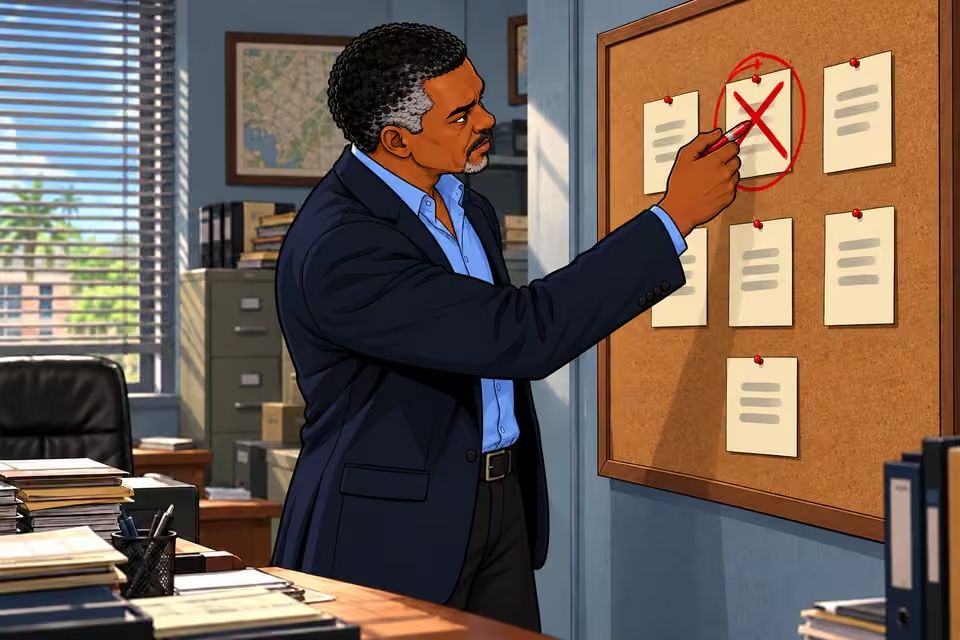
He circled the name in red: Amaka.

Musa circles Amaka’s card in red.

Then crossed it out.

Musa crosses out the circled card.

He was too close to suspect her. That much he knew. And that made her dangerous.
Musa realizes his closeness to Amaka complicates his judgment.

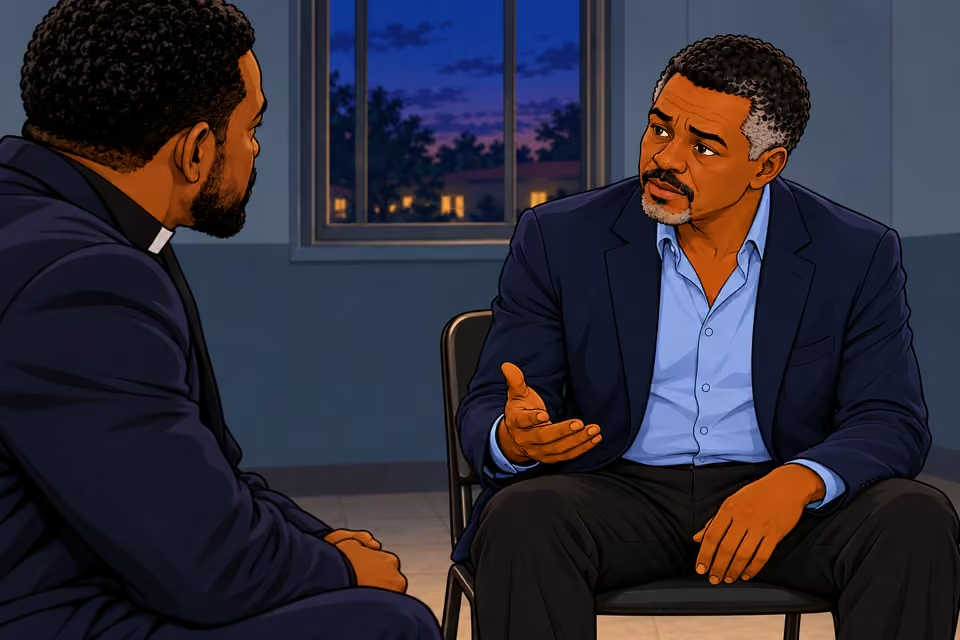
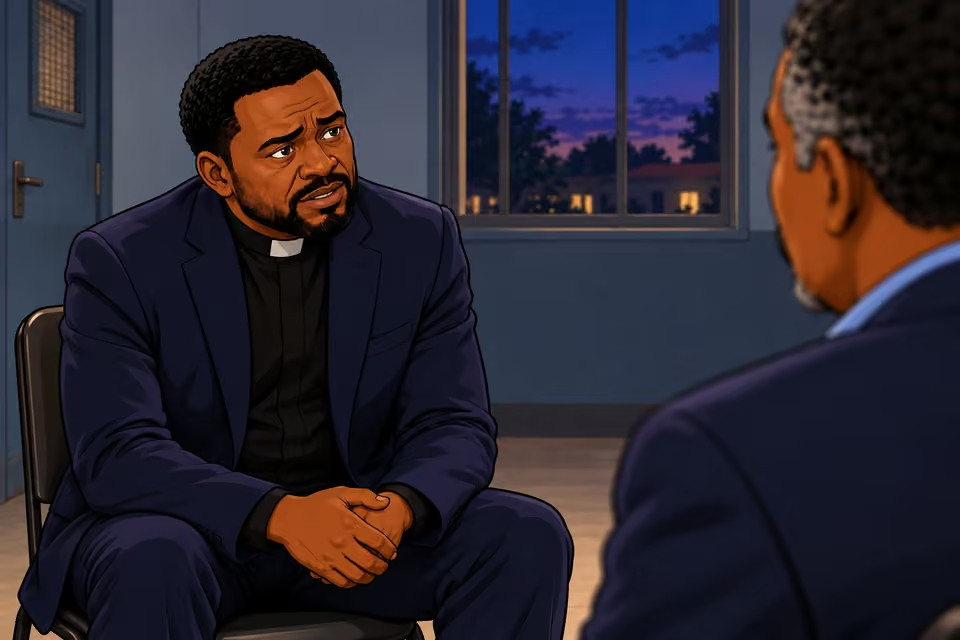
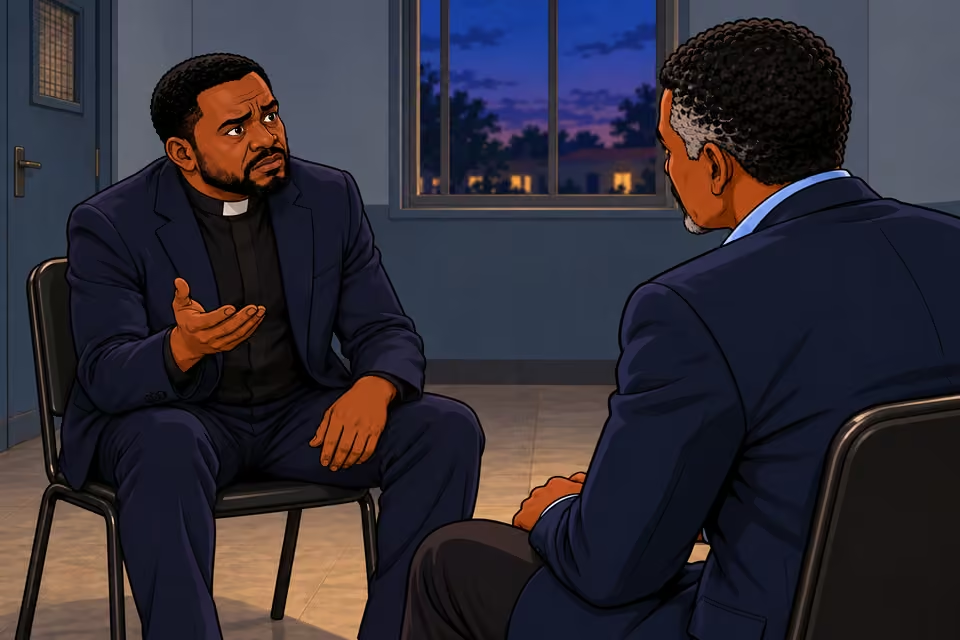
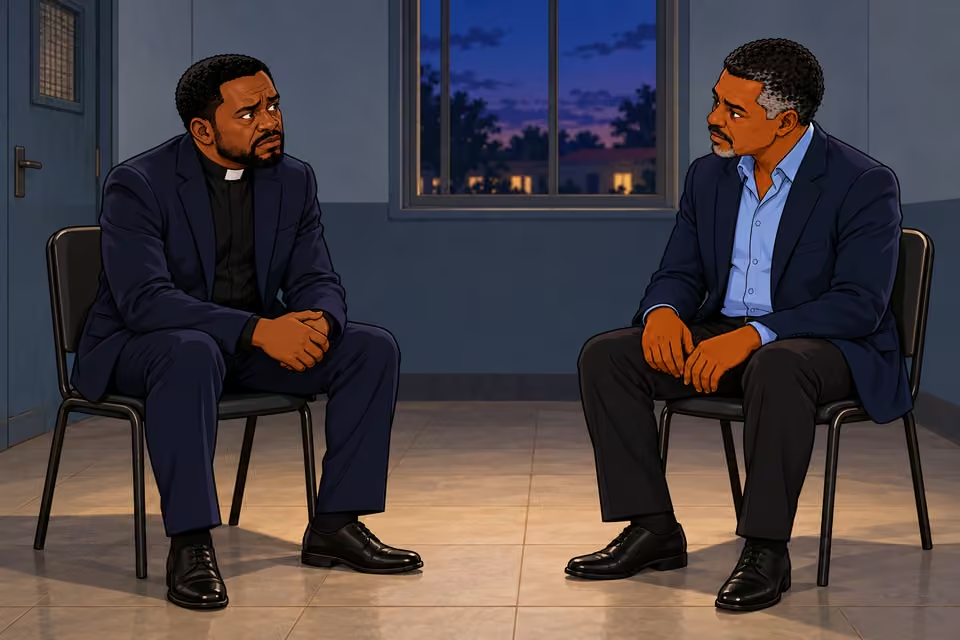
Later that evening, Musa met with Pastor Gabriel at the station—quiet room, two chairs, no press.
Musa meets Pastor Gabriel privately at the station that evening.

“I have a few questions,” he said.

Musa begins his private questions to Pastor Gabriel.

Gabriel nodded. “Of course.”

Gabriel nods his agreement to Musa.

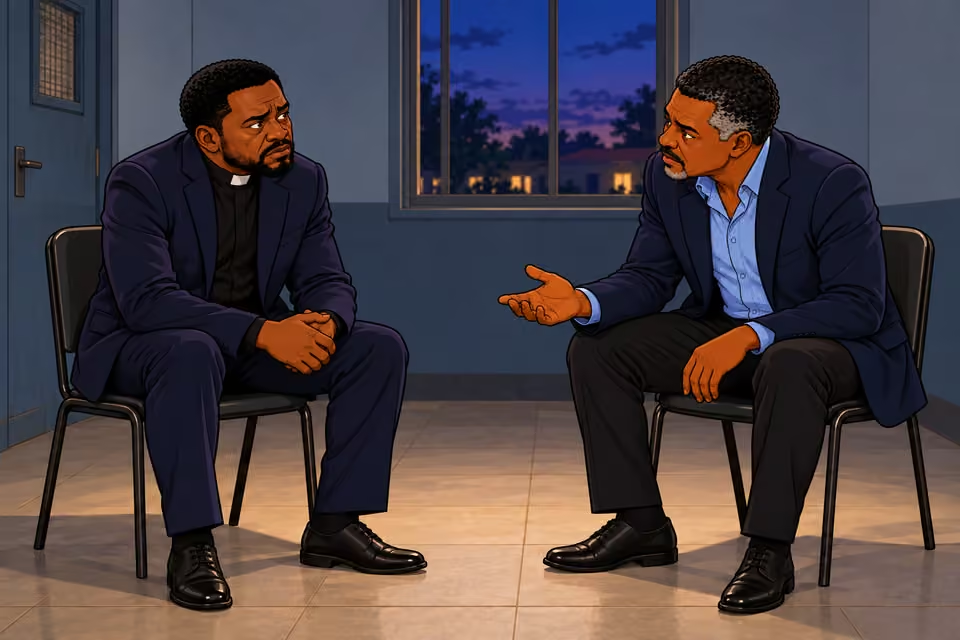
“Who else knew about the offshore accounts?”
Musa asks who knew about the offshore accounts.

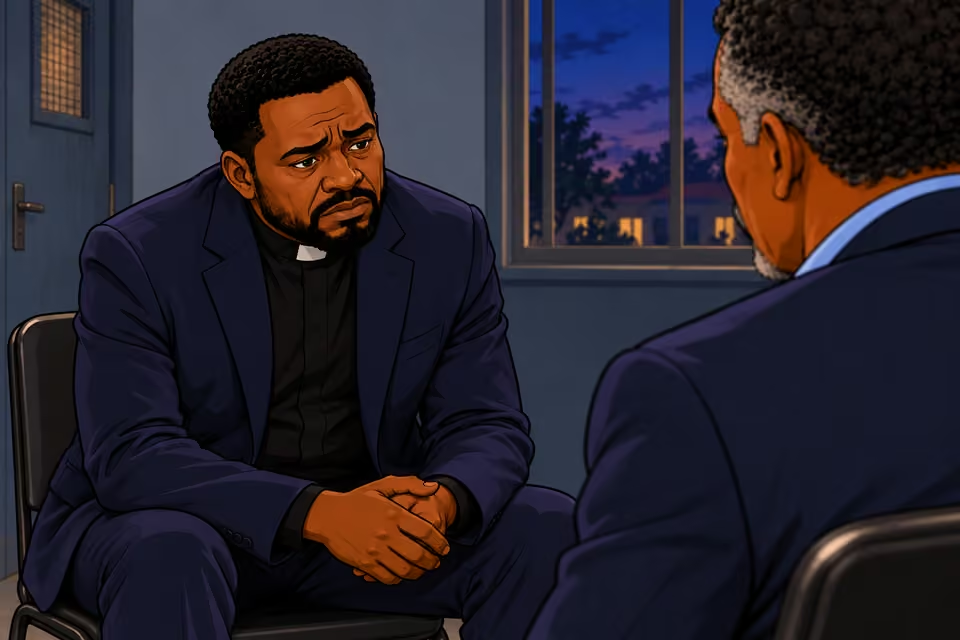
“Only Agnes. And her accountant. He disappeared a year ago.”
Gabriel says only Agnes and her missing accountant knew.

“What about the wedding?”

Musa turns the questioning toward the wedding.

“What about it?”

Gabriel asks what Musa means about the wedding.

“Did Agnes express concern in the days leading up to it?”
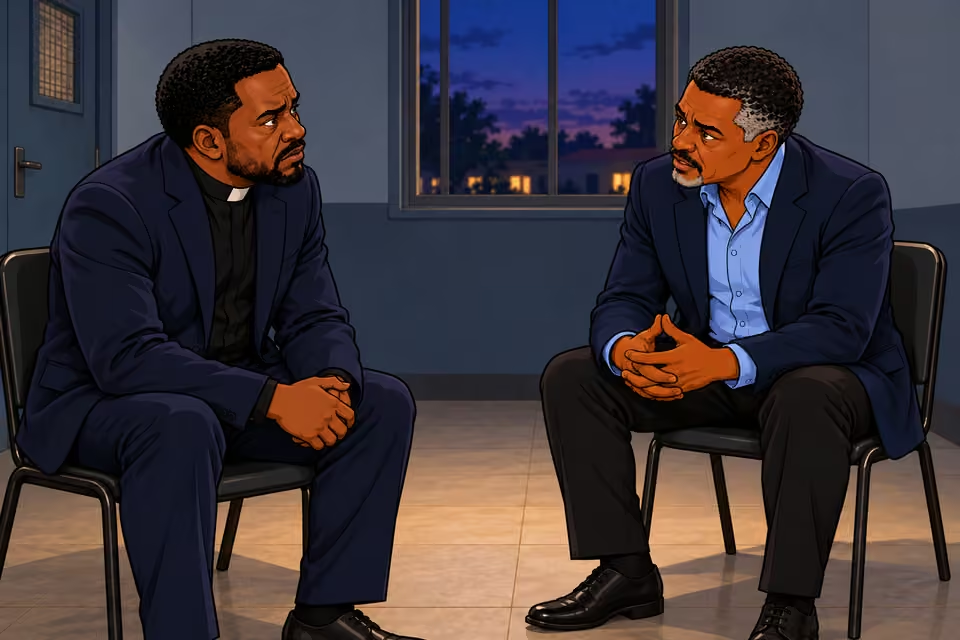
Musa asks whether Agnes seemed worried before the wedding.

Gabriel shifted in his seat. “She was nervous. Paranoid. Said she felt watched.”
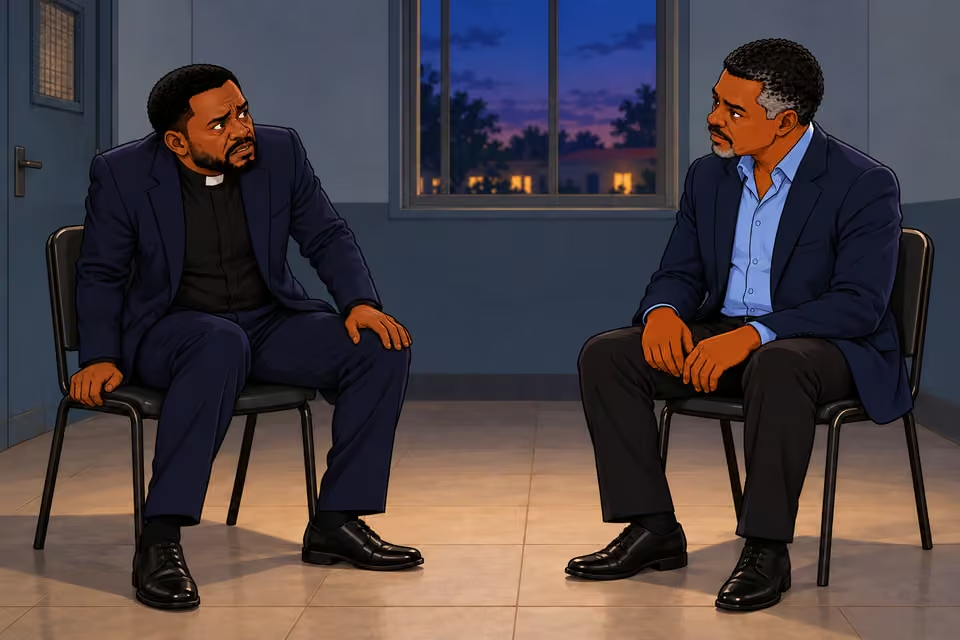
Gabriel shifts uneasily in his seat while recalling Agnes’s fears.

“By whom?”

Musa asks who Agnes feared was watching her.

“She didn’t say. But… she feared her own child.”
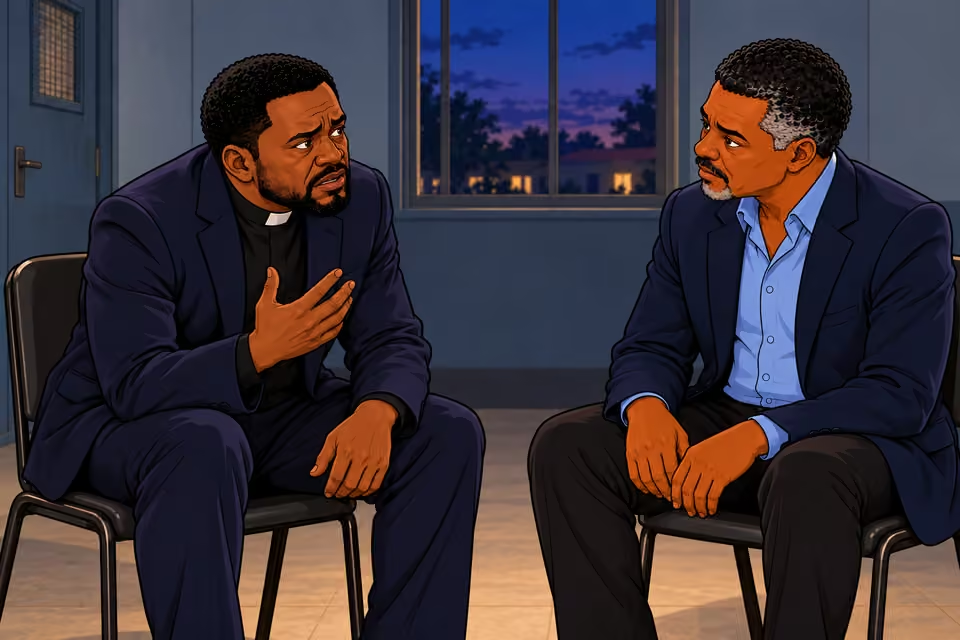
Gabriel admits Agnes feared her own daughter.

Musa raised an eyebrow. “Why?”

Musa raises an eyebrow at Gabriel’s explanation.

“She said Amaka had grown teeth. Quiet ones. The kind you only notice when it’s too late.”
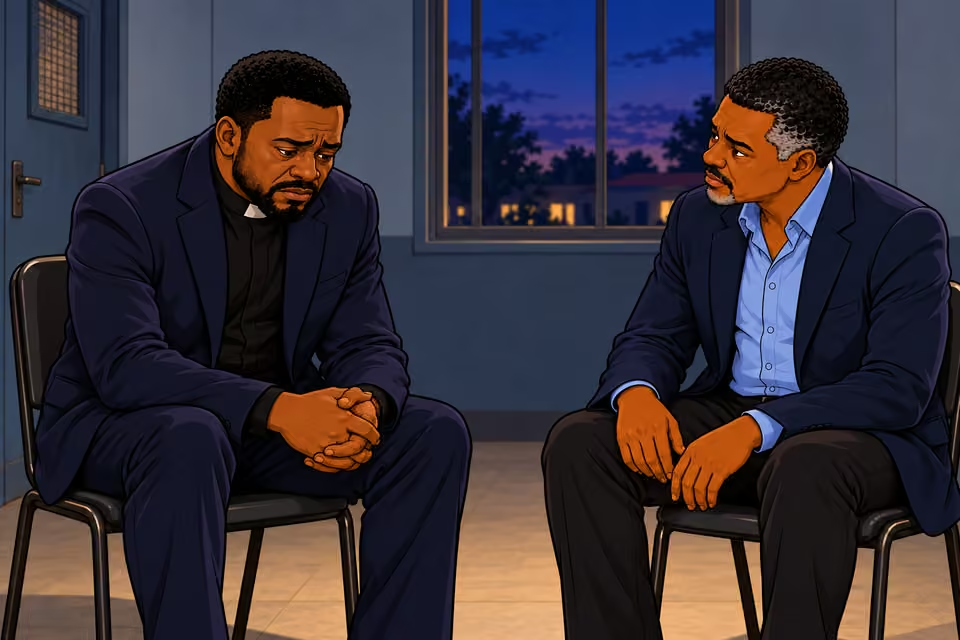
Gabriel describes Agnes’s fear of Amaka’s quiet strength.

That night, Amaka stood before the bathroom mirror, brushing her hair. Her reflection stared back, calm and composed.

Amaka calmly brushes her loose hair before the bathroom mirror.

Behind her, Chuka leaned in the doorway.

Chuka leans in the bathroom doorway behind Amaka.

“Can I ask you something?”

Chuka asks whether he can ask Amaka a question.

“You already did.”

Amaka answers Chuka while continuing to brush her hair.

“Did your mother ever try to… control your marriage? Or your choices?”

Chuka asks whether Agnes controlled Amaka’s choices.

Amaka stopped brushing.

Amaka stops brushing when Chuka mentions her mother.

“She didn’t try. She succeeded. For a while.”

Amaka quietly admits her mother controlled her for a time.

Chuka waited.

Chuka waits in the bathroom doorway for Amaka to continue.

Amaka set the brush down.

Amaka puts her wooden hairbrush on the vanity.

“But then I remembered something she told me when I was twelve.”

Amaka recalls a lesson her mother taught her at twelve.

“What was it?”

Chuka asks what her mother told her.

“She said: If someone is stronger than you, let them win today. And tomorrow, bury them in silence.”

Amaka repeats her mother’s ruthless advice.

She turned to him, eyes flat.

Amaka turns to face Chuka with a flat expression.

“That’s how she survived. And how I did too.”

Amaka says she survived by following her mother’s lesson.

Chuka didn’t sleep that night.

Chuka lies awake in the dark bedroom.

And for the first time, he locked the bedroom door from his side.
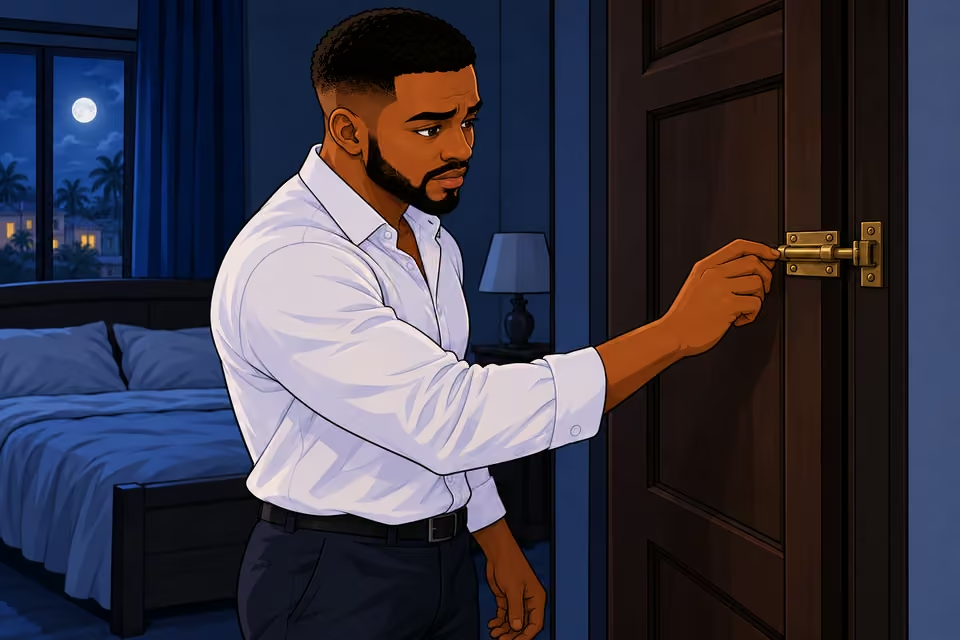
Chuka locks the bedroom door from inside.
There’s more to the story.
Read the original blog post ↗