Story contentsbrevity bard.
Mystery3 min read

Agnes

Your place is saved on this device.

CHAPTER 17

Chapter 17 – The Confession Trap

Detective Musa sat in the back booth of a quiet lounge in Surulere, stirring a cup of coffee he had no intention of drinking. Across from him, the journalist—Aisha Tunde—scanned the timeline pinned to her notebook.
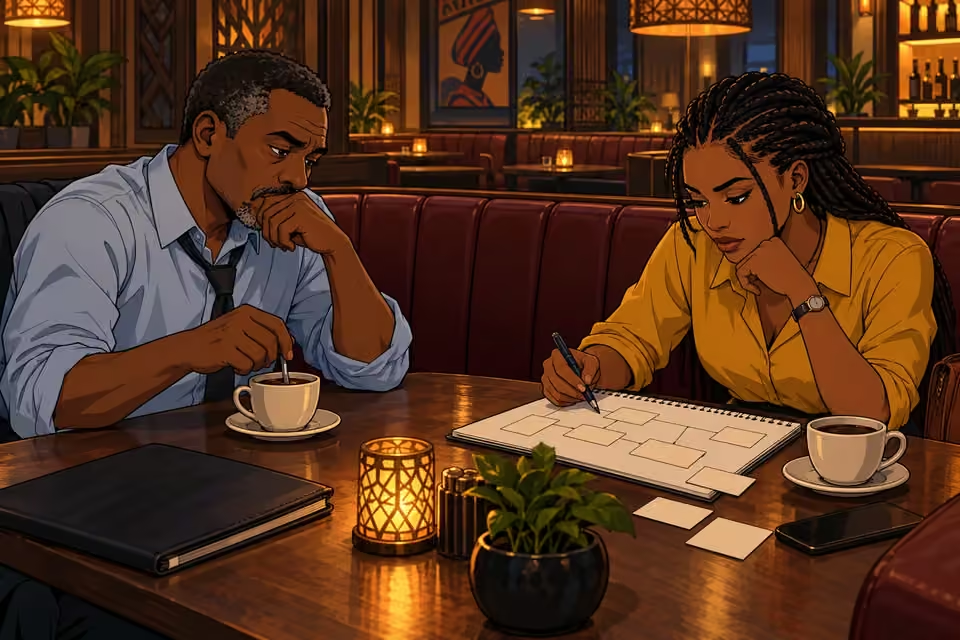
Musa stirs untouched coffee while Aisha examines her notebook in a quiet lounge.
Piecing together the narrative

“She controlled every narrative,” Aisha said. “Every leak. Every retraction. Even the people who hated her were afraid to speak.”

Aisha explains the carefully controlled public narrative as Musa listens.
A controlled narrative

“She was trained by the best,” Musa muttered.

Musa responds quietly to Aisha across the lounge table.
Musa recognizes the influence behind Amaka’s control.

“Her mother.”

Aisha names Amaka’s mother during her quiet conversation with Musa.
Aisha recognizes the source of Amaka’s methods.

He nodded.

Musa nods quietly across the lounge table.
He confirms Aisha’s observation.

“Agnes was a tyrant, but she was obvious. Amaka? She smiles while burying bodies.”
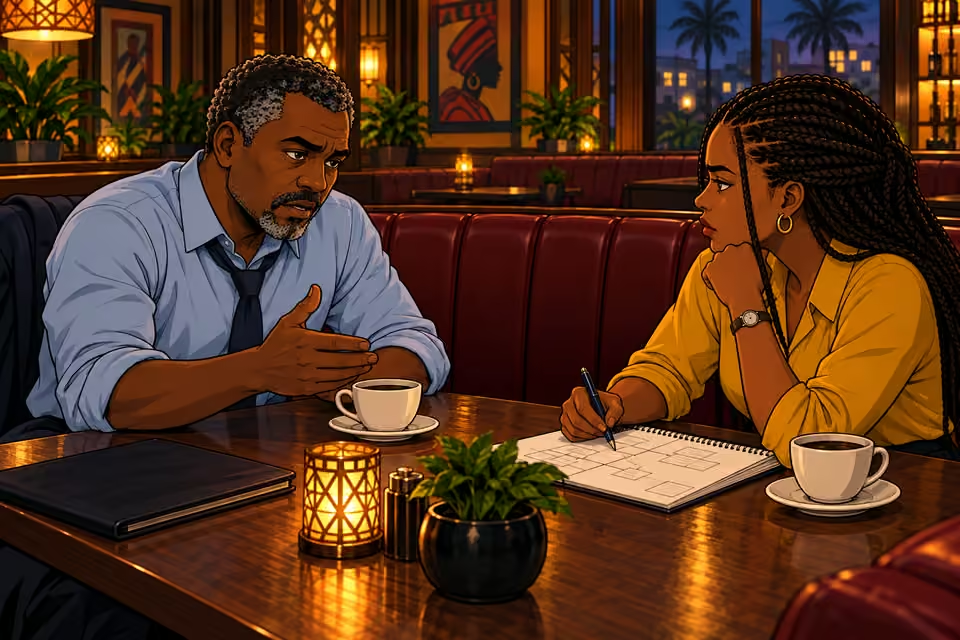
Musa contrasts Amaka’s quiet control with her mother’s tyranny.

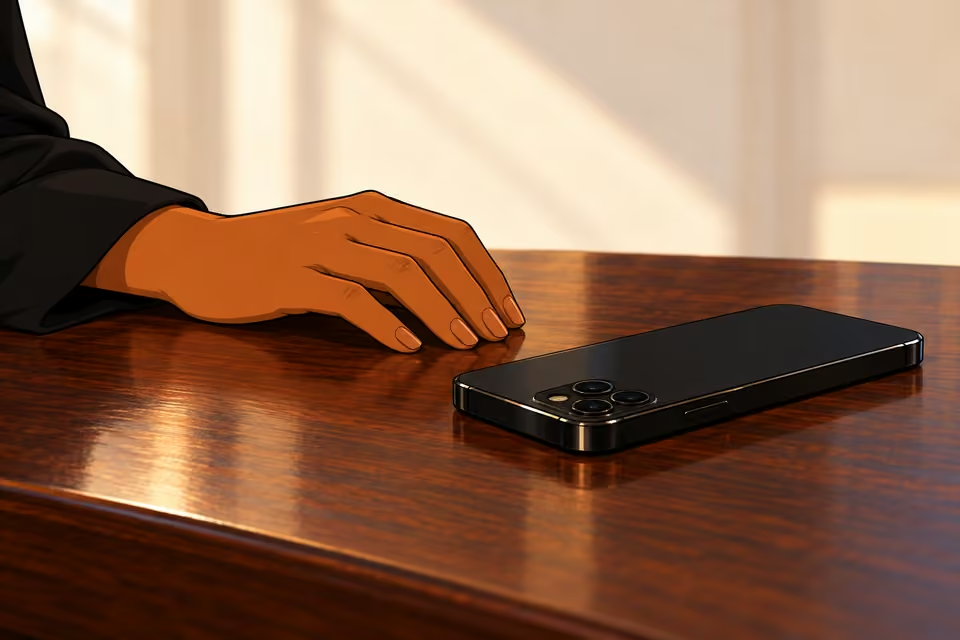
Musa reached into his coat pocket and pulled out a small black device.

Musa takes a small recorder from his coat.

“Let’s make her smile on tape.”

Musa proposes recording Amaka.

At the estate, Amaka reviewed the new Foundation campaign footage.

Amaka reviews the Foundation’s new campaign.

She gave notes on lighting, music, phrasing. She asked for more emphasis on ‘resilience,’ less on ‘charity.’

She adjusts the campaign’s message.

Mama Tutu entered softly. “Detective Musa is at the gate.”

Mama Tutu announces Musa’s arrival.

Amaka didn’t hesitate. “Let him in.”

Amaka lets Musa in without hesitation.

She wore black again.

Amaka dresses in black.

Not mourning.

Her black clothing carries no sign of mourning.

Command.

She projects complete authority.

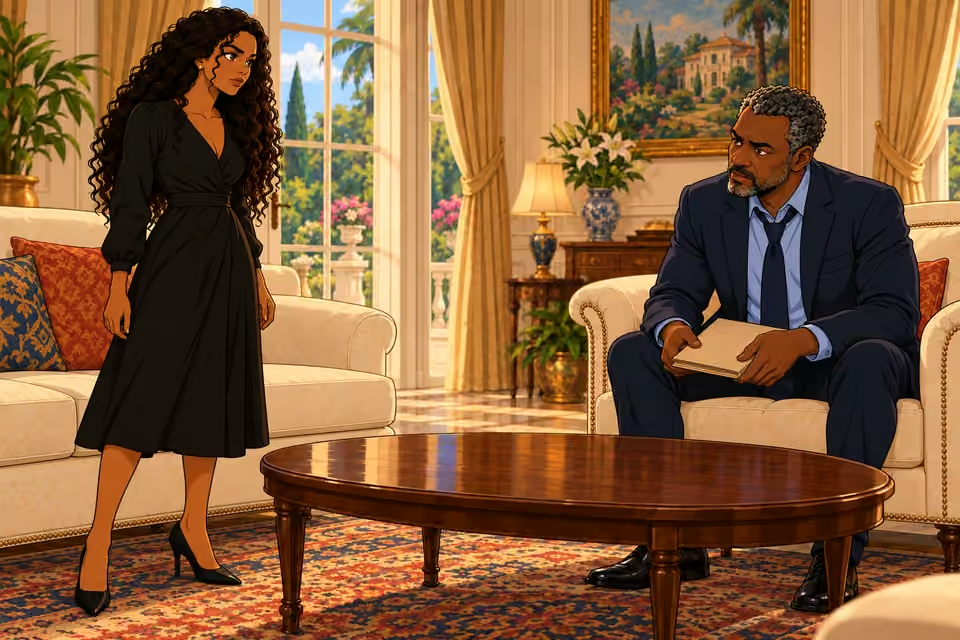
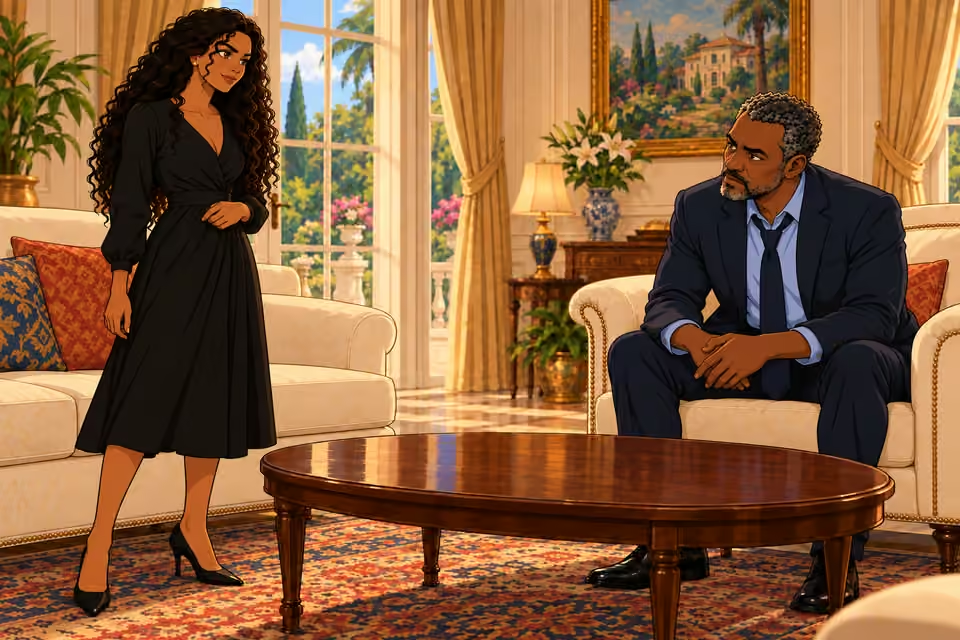
They met in the drawing room, where Agnes had once hosted governors and terrified journalists.

Musa and Amaka meet in the drawing room.

Amaka stood. “No warning today?”

Amaka stands to question his unannounced visit.

“I figured you'd already see me coming.”

Musa says she would have expected him.

“Still chasing ghosts?”

Amaka asks about his search for ghosts.

“I brought you something.”

Musa says he has brought something.

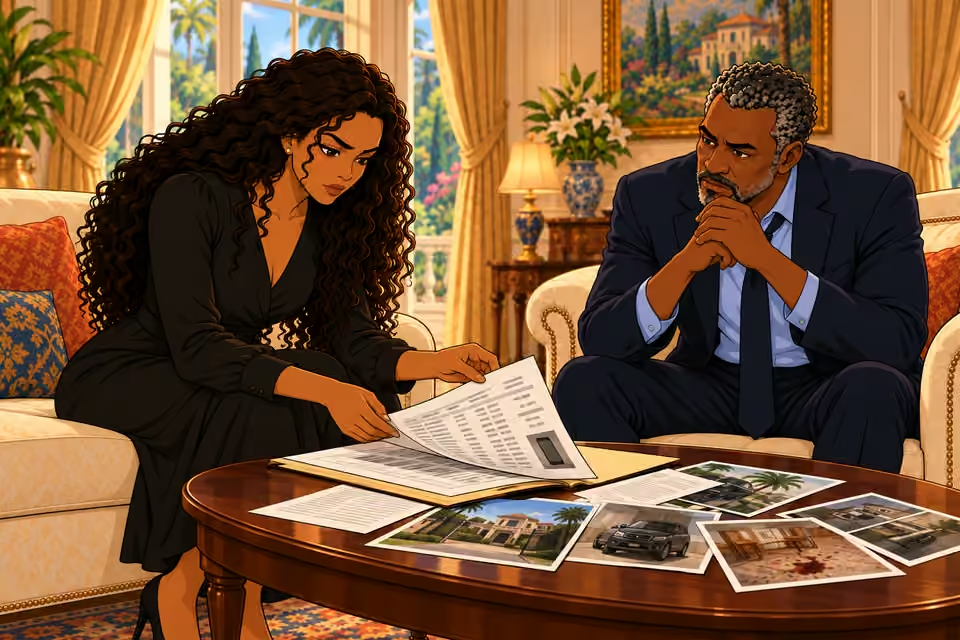
He placed a file on the table.

He puts the evidence file on the table.

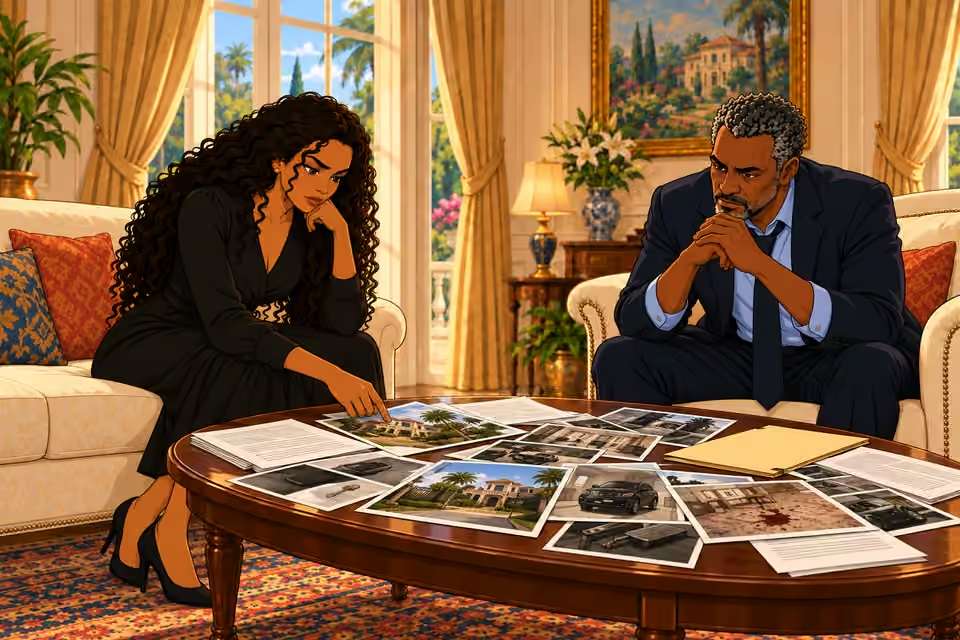
Photos. Documents. Screenshots.
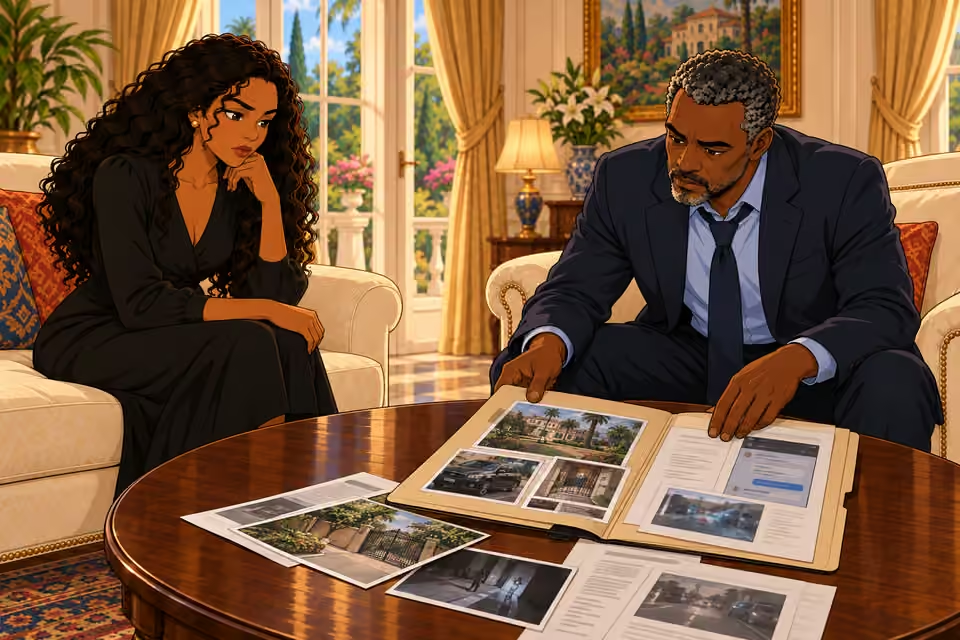
The folder contains photographs, documents and screenshots.

Amaka flipped through them.
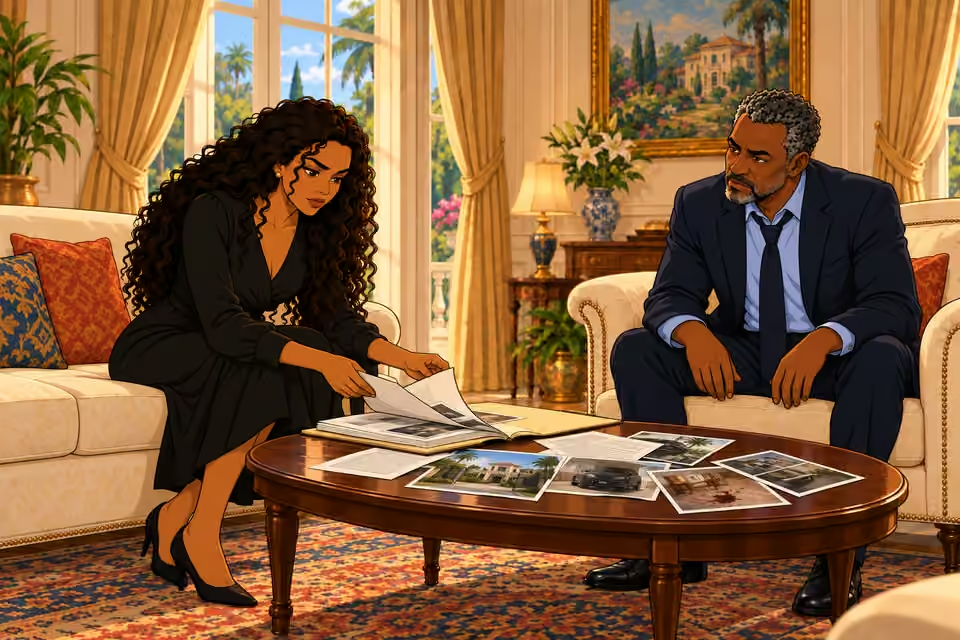
Amaka examines Musa’s evidence.

Moses. The cook. Alive.

A photograph shows that the real Moses is alive.

The burner transactions.

She studies records of the burner transactions.

The photo of her and the white envelope.

One photograph links Amaka to a white envelope.

The footage frame analysis.
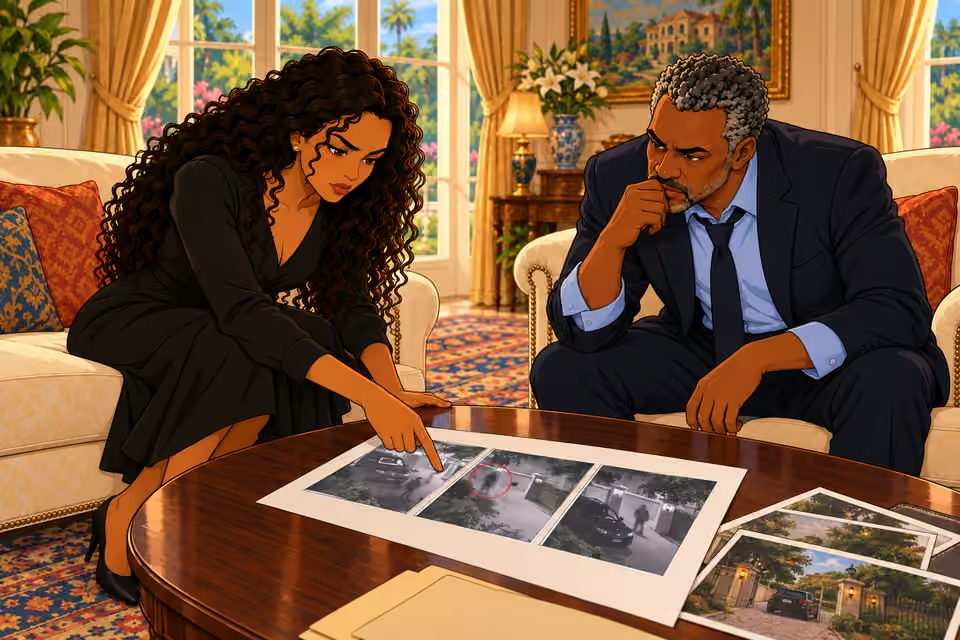
She examines the analysis of the footage.

It was everything. All laid bare.

Musa lays the evidence before her.

“Why show me this?” she asked calmly.

Amaka calmly asks why he is showing her.

“Because I want you to tell me the truth.”

Musa asks for the truth.

“I thought you didn’t arrest ghosts.”

Amaka challenges his talk of ghosts.

“I don’t,” Musa said. “But I talk to them. One last time. Before they vanish.”

Musa says this may be their last conversation.

She studied him. “What do you want, Musa?”

She asks what he wants.

“Closure.”

Musa asks for closure.

She stood, walked to the window, then turned back.

Amaka walks to the window and turns back.

“You want a confession.”

Amaka says he wants a confession.

“I want to know why.”

Musa asks why she did it.

She was silent for a long moment.

Amaka falls silent.
Amaka falls silent.

Then: “She made me into a weapon. I simply aimed myself.”

Amaka describes what her mother made of her.

“Was it worth it?”

Musa asks whether it was worth it.

“She would have destroyed me, Musa. You know that now.”

She says Agnes would have destroyed her.

“I do.”

Musa acknowledges what she faced.

“She tried to disinherit me. Replace me with a lie. Humiliate me even in death.”

Amaka recalls her mother’s threats.

“But she didn’t kill herself.”

Musa challenges the account of Agnes’s death.

“No,” Amaka said softly. “But I gave her the fear that finished the job.”

Amaka admits using fear against her mother.

He hit stop on the recorder under the table.
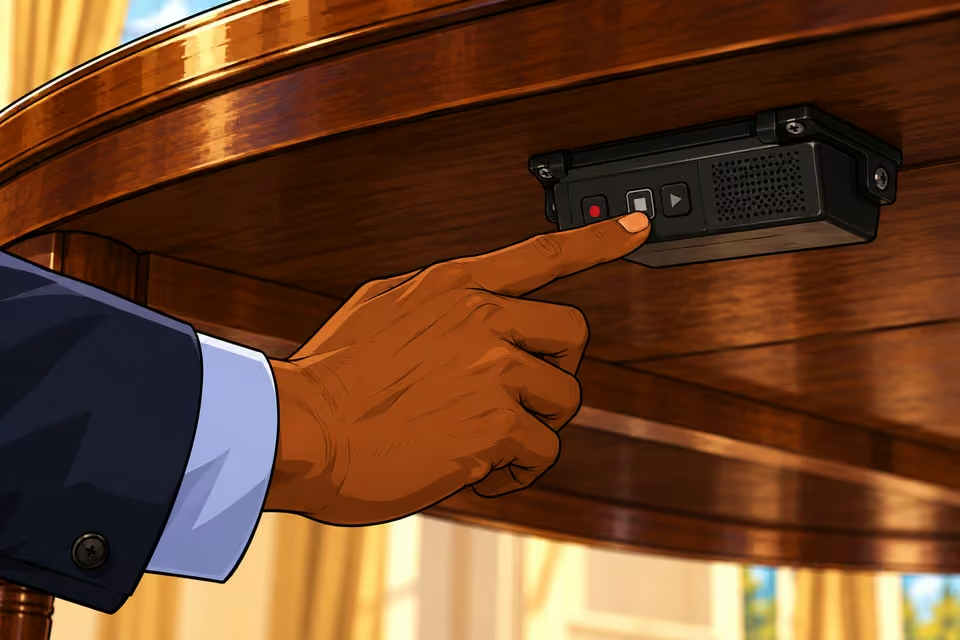
Musa stops the hidden recorder.

She hadn’t confessed directly. But the weight of implication was undeniable.

The implication weighs on Musa.

“Is that enough?” Aisha had asked earlier.
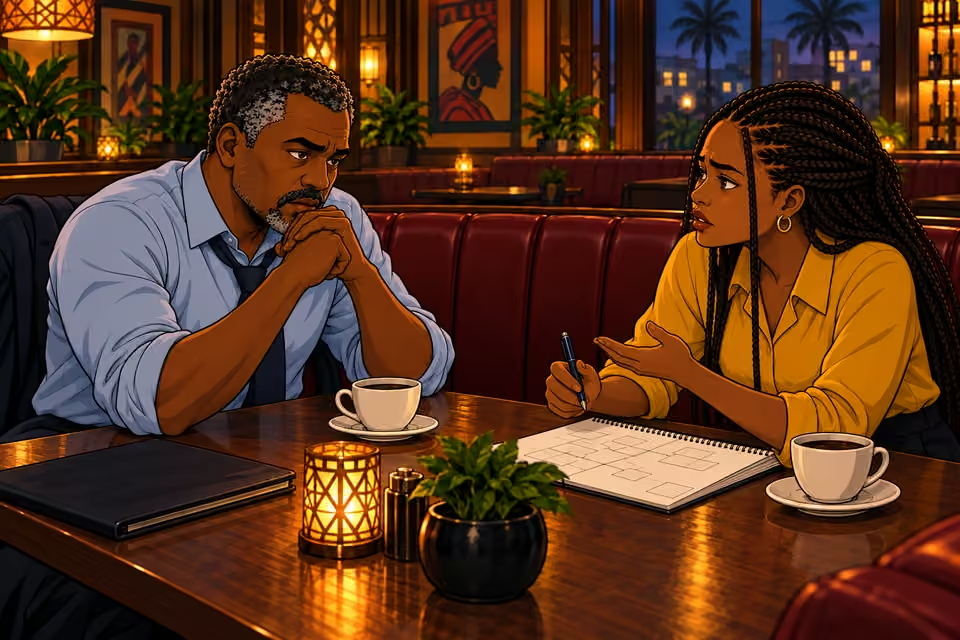
Earlier, Aisha had asked whether a recording would be enough.

“It’ll never be enough to arrest her,” Musa had said. “But it’ll be enough to ruin her.”

Musa had explained what the recording could do.

The next morning, the clip hit the press.

The recording reaches the press the next morning.

Not the full conversation.

Only an excerpt of the conversation is released.

Just Amaka’s voice:

The public hears Amaka’s voice.

“She made me into a weapon. I simply aimed myself.”

Amaka’s recorded words spread.

The public response was immediate.

Listeners react immediately.

Praise turned to doubt. Op-eds questioned the carefully curated legacy. The Foundation’s upcoming partnership with the federal government was ‘indefinitely postponed.’
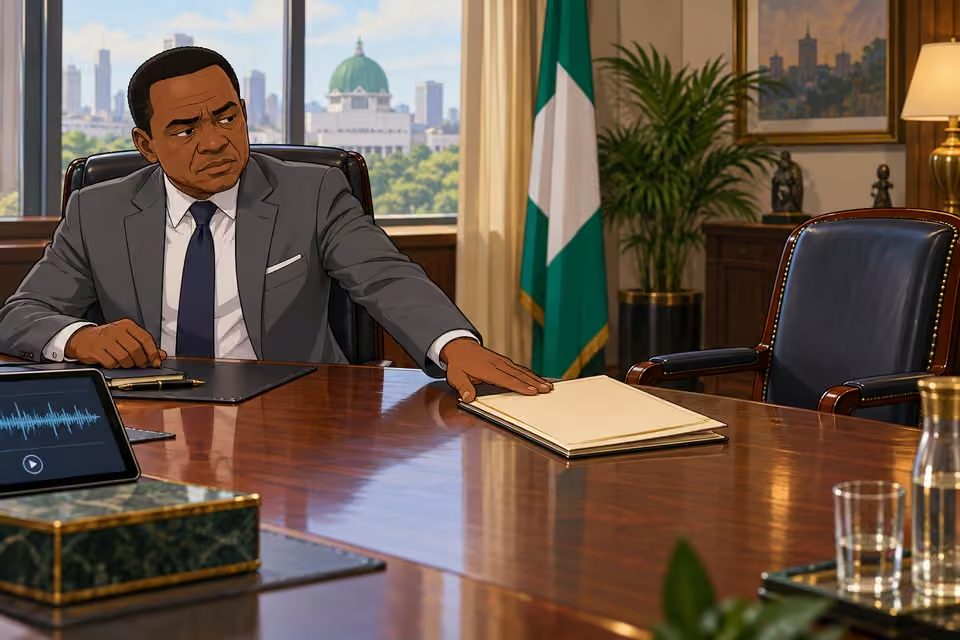
The Foundation’s government partnership is postponed.

Corporate sponsors began pulling out.

Corporate sponsors withdraw their support.

And for the first time, Amaka had no counter-narrative.

For once, Amaka has no answer.

She said nothing.

Amaka stays silent.
Amaka stays silent.

No statement.

No statement follows.

No press release.

No press release is sent.

No Instagram post.

Her social channels remain silent.

She simply… disappeared.

Amaka disappears.
Amaka disappears.

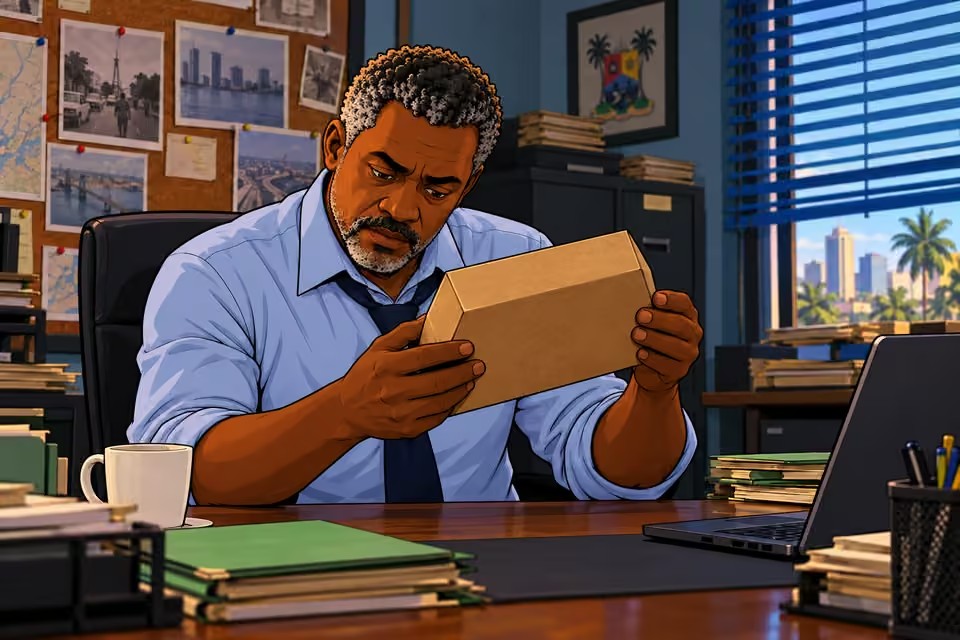
Three days later, Musa received a package at the station.
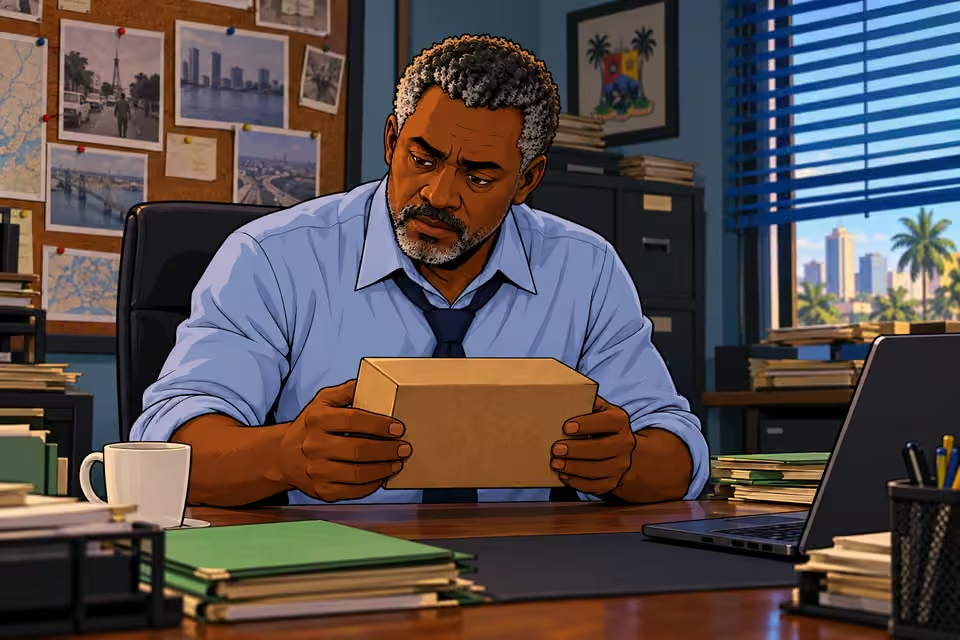
A package arrives for Musa three days later.

No return address.

The parcel carries no return address.

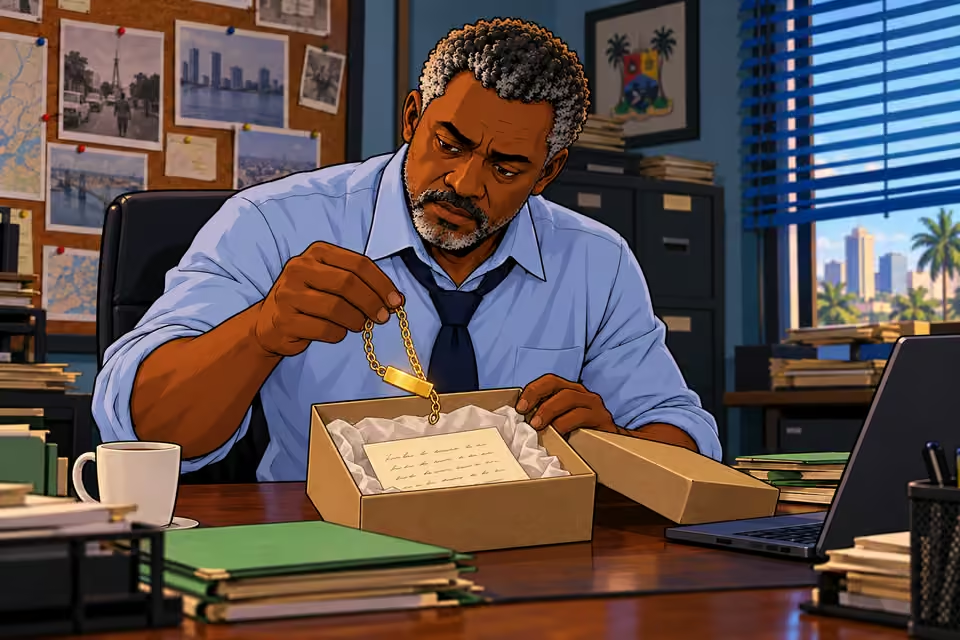
Inside: a single item.
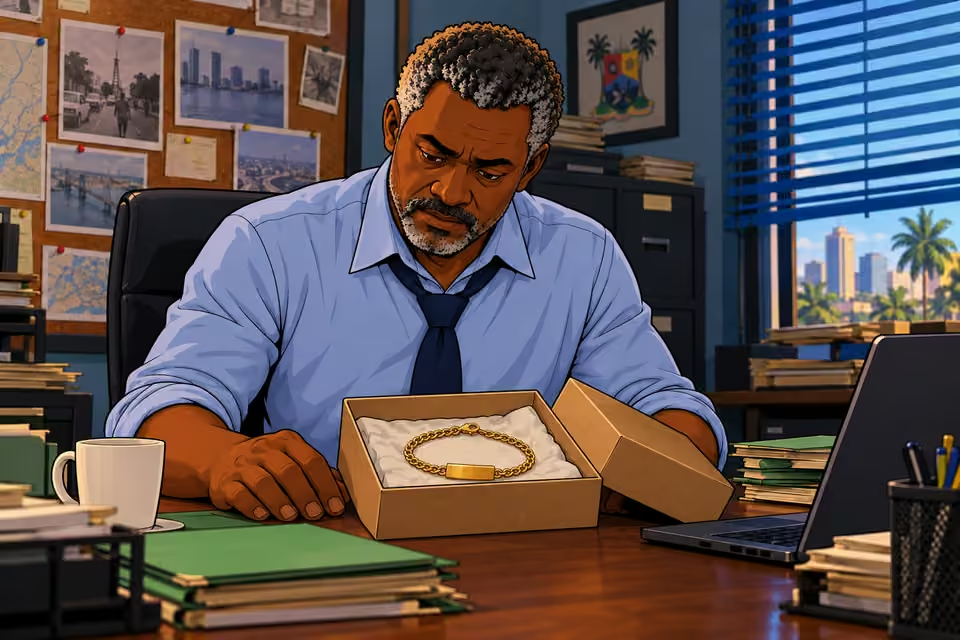
Inside lies a single bracelet.

A gold bracelet with the inscription: "To my Amaka — The last flame.”
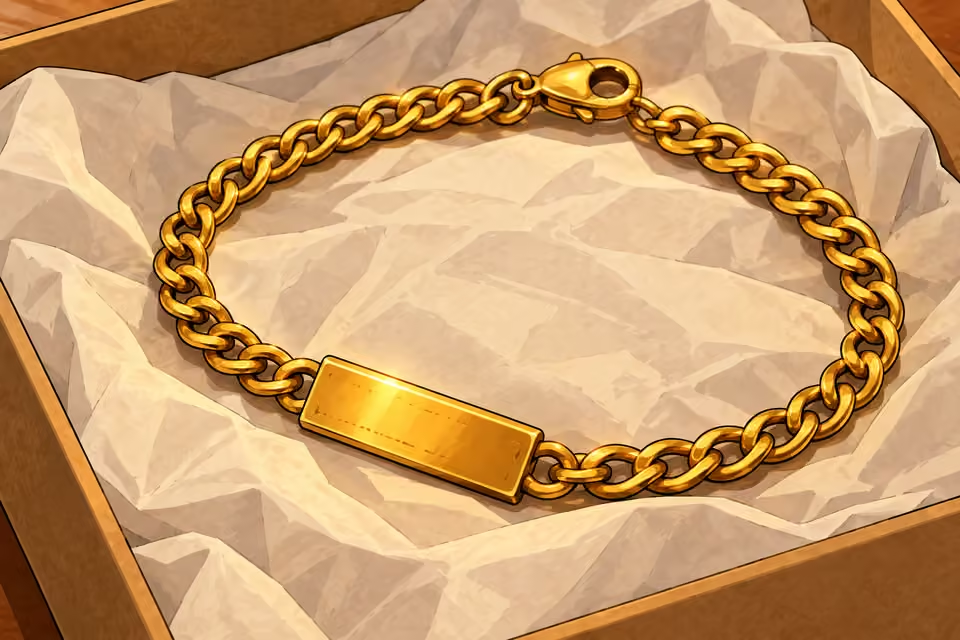
The gold bracelet bears a personal inscription.

And beneath it, a note:

A note lies beneath the bracelet.

You’ve played your part well, Detective. But this is not a game I intend to lose.
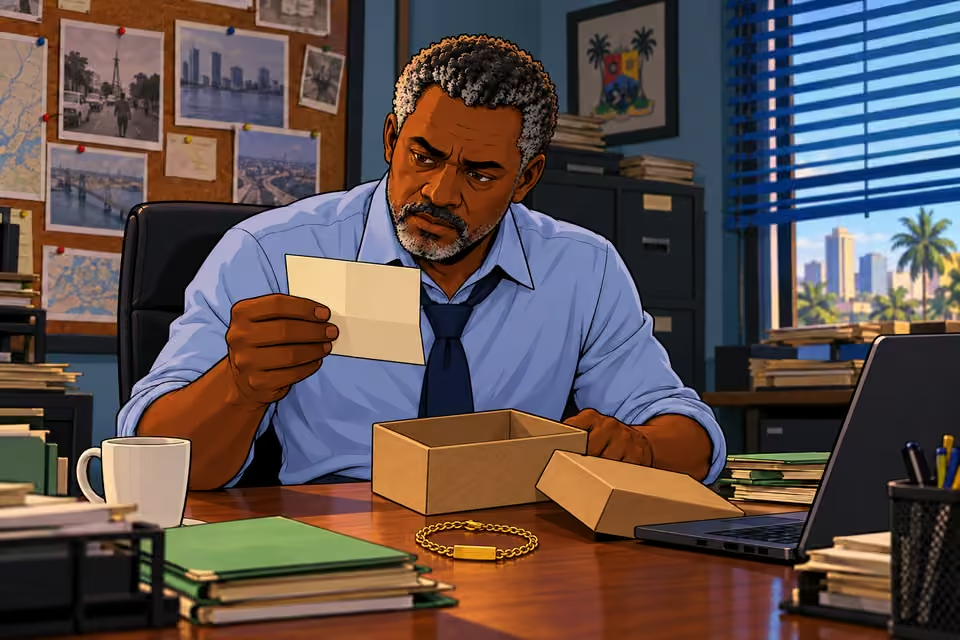
The note challenges Musa.

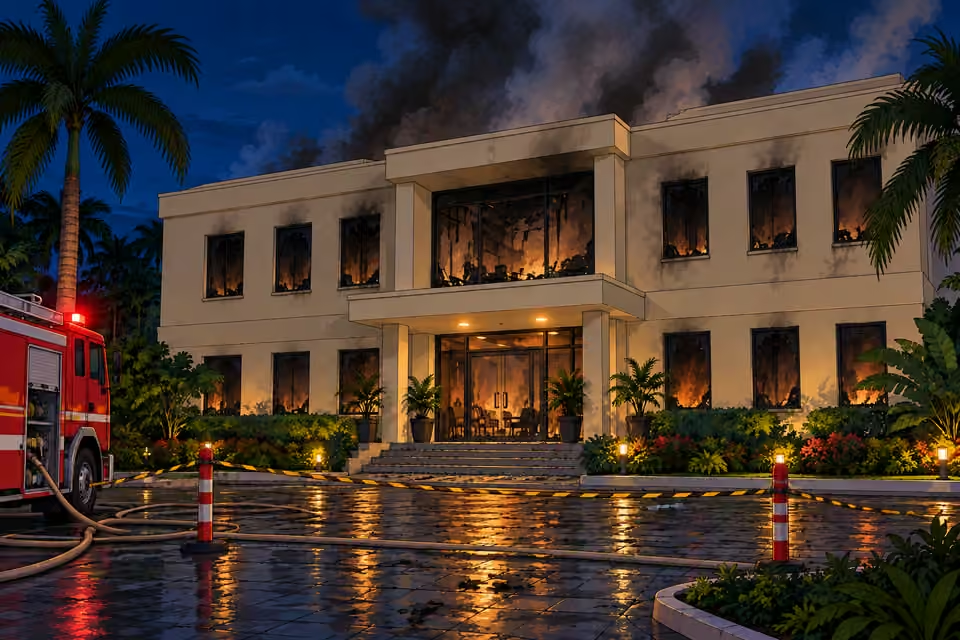
That same evening, a fire broke out at the Emecheta Foundation headquarters.
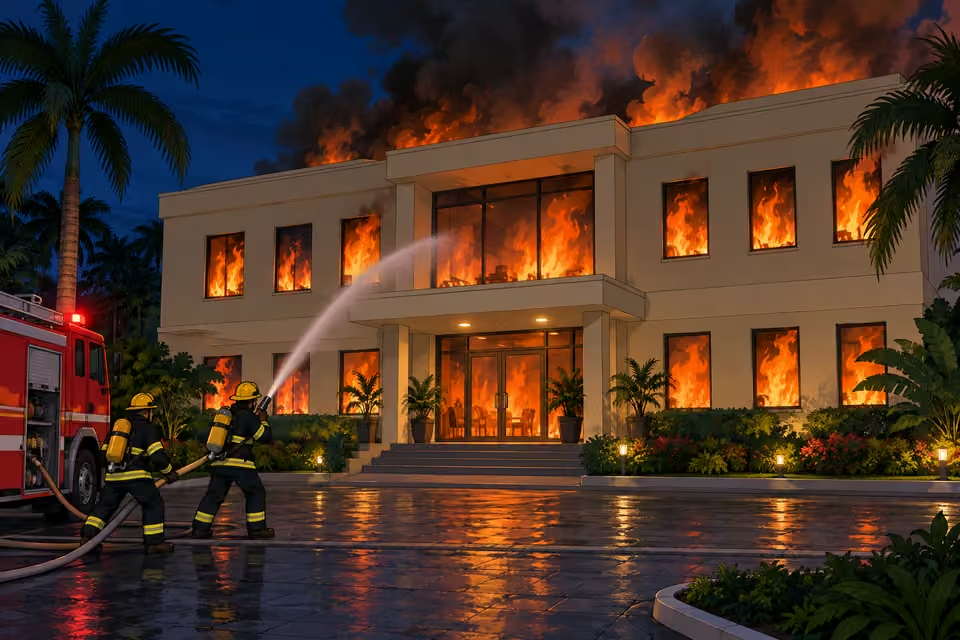
Fire breaks out at the Foundation headquarters.

No injuries.

The fire causes no injuries.

No suspects.

No suspect is identified.

But every file, every contract, every record… gone.
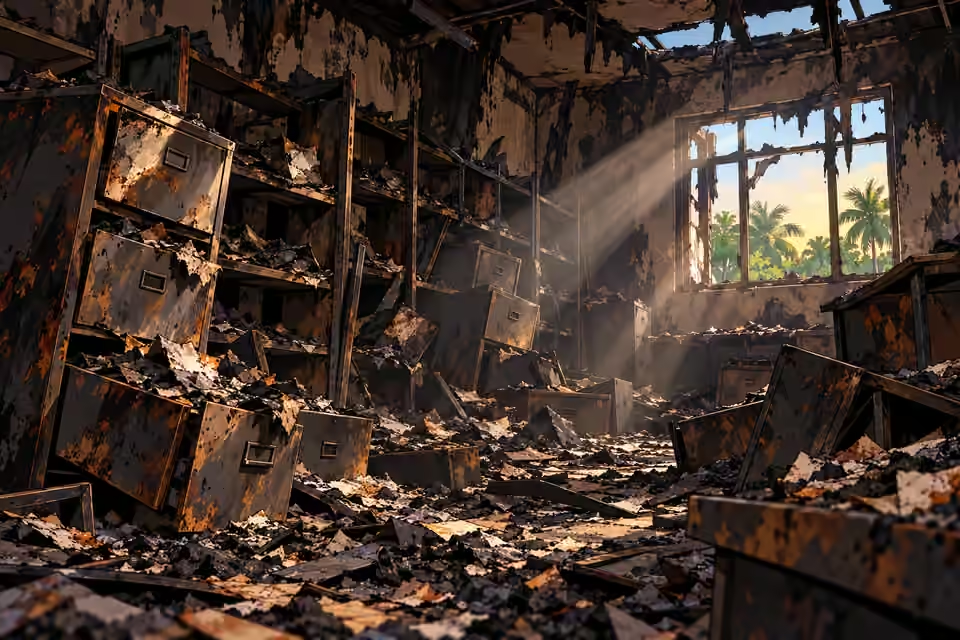
The Foundation’s records are destroyed.

The building was declared a total loss.
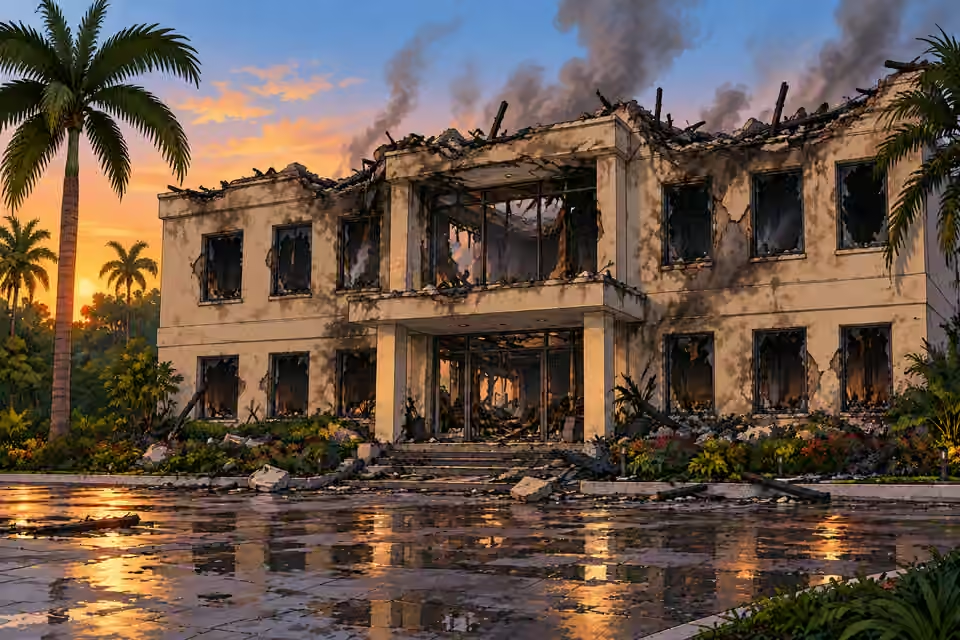
The headquarters is declared a total loss.
There’s more to the story.
Read the original blog post ↗