Story contentsbrevity bard.
Mystery4 min read

Agnes

Your place is saved on this device.

CHAPTER 19

Chapter 19 – The Girl in the Video

Three months had passed.

In his new office, Musa pauses over an old file kept in his desk drawer.
The file that remained

The buzz had faded. The gala speeches forgotten. The fire ruled as an accident. Musa transferred to a new department—financial crimes. Clean cases. Predictable suspects.

Musa sorts routine financial-crime cases with a distracted expression.
Predictable cases

But the Emecheta file never left his drawer.

Musa looks at the old case folder still kept in his desk drawer.
The Emecheta file remains close at hand.

He thought about burning it.

Musa hesitates over the old case file in his desk drawer.
He considers destroying the file.

Often.

Musa returns to the old case file with weary hesitation.
The thought keeps returning.

Until the footage arrived.

Unexpected footage reopens the case.

It came in a slim brown envelope.

A slim brown envelope arrives.

No return address.

There is no return address.

No fingerprints.

The envelope offers no identifying trace.

No message.

There is no message inside.

Just a flash drive.

Only a flash drive is enclosed.

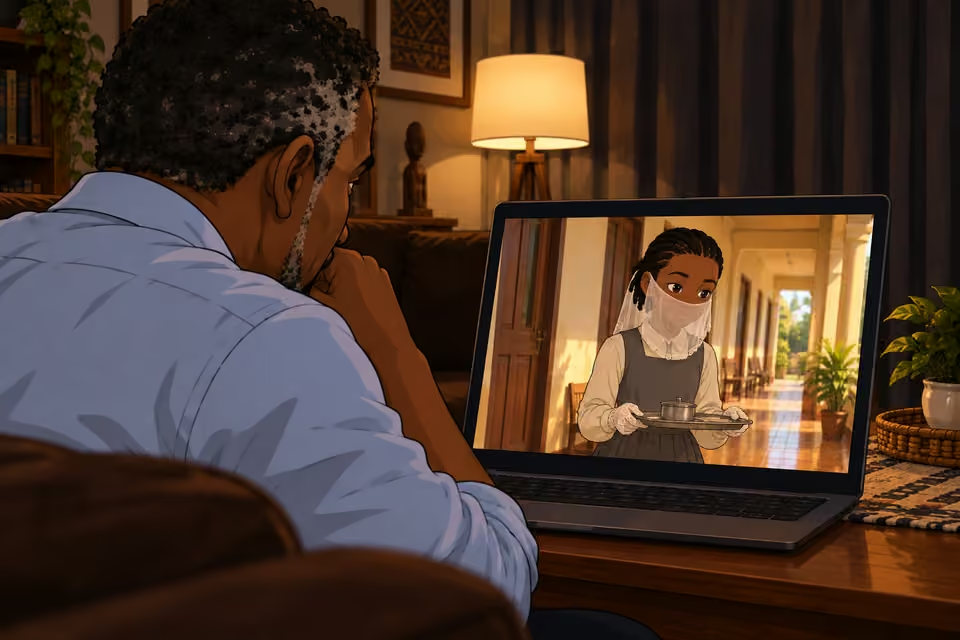
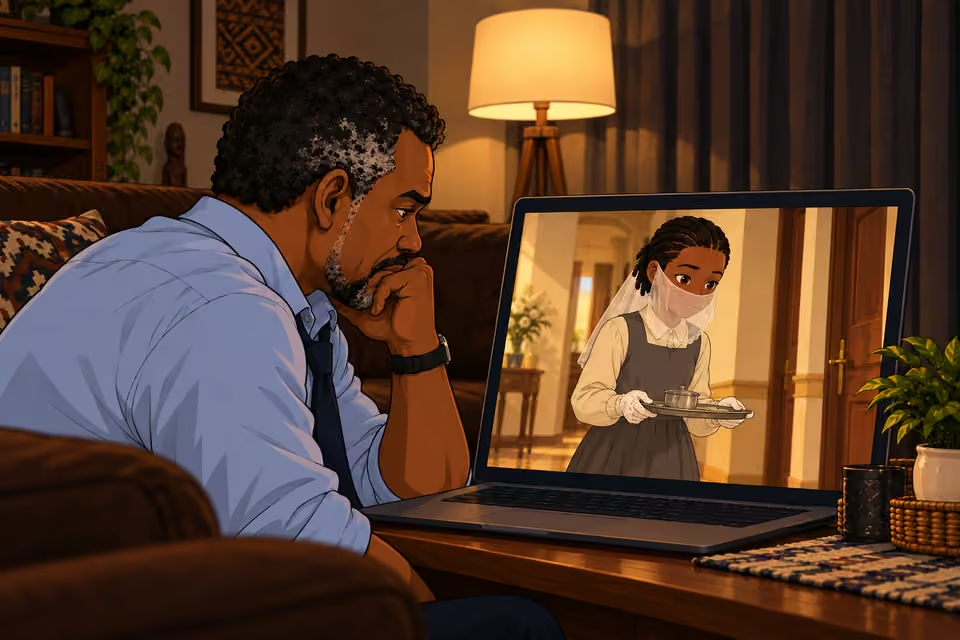
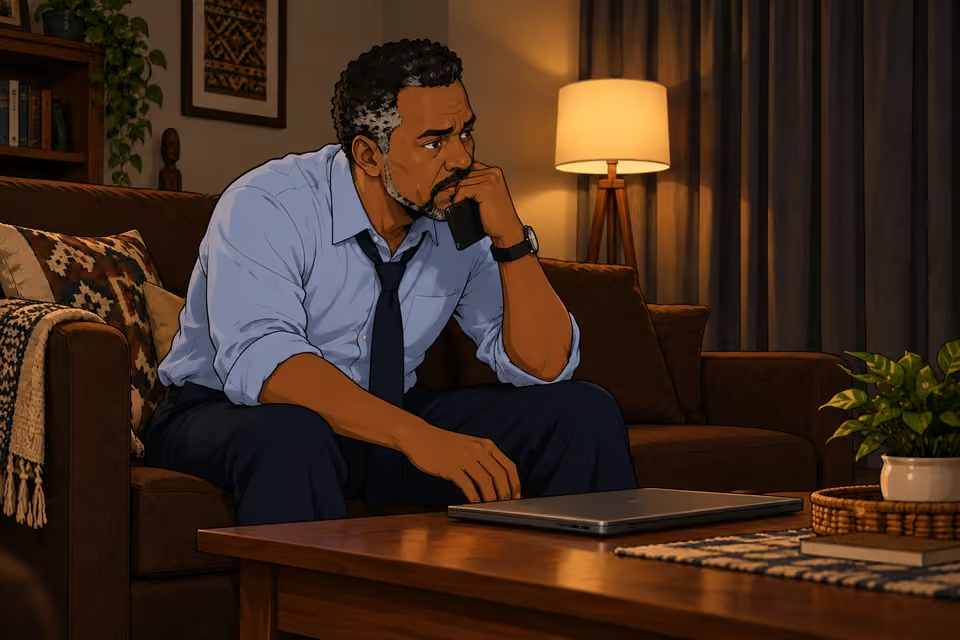
Musa sat alone in his living room. Curtains drawn. Laptop open.

Musa watches the footage alone.

The footage was dated the morning of the wedding.

The recording comes from the wedding morning.

7:49 a.m.

He studies the early-morning recording.

A hallway camera. Not one tied to the estate's main network—likely a personal camera set up by private security. Off-grid.

A separate hallway camera captured the scene.

It showed the staff wing. Quiet. Empty.
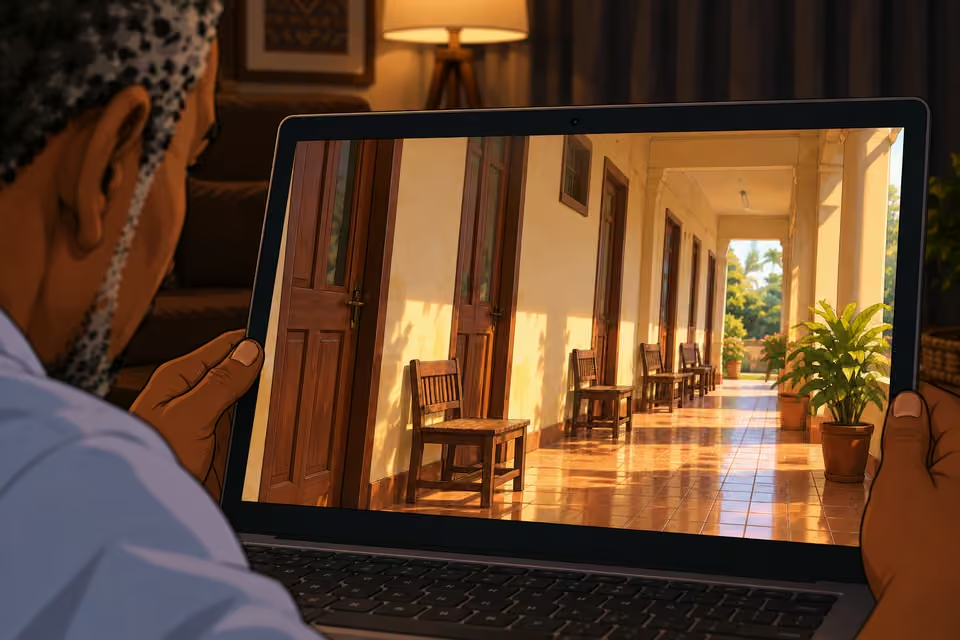
The staff wing is quiet and empty.

Then—movement.

Someone enters the corridor.

A young girl. 13, maybe 14.

A young girl appears in the footage.

She moved quietly, carrying a tray.

She carries a tray quietly.

She wore a veil over her face, light lace gloves, and flat shoes. Not a waitress. Not a guest.

Her veil and lace gloves conceal her role.

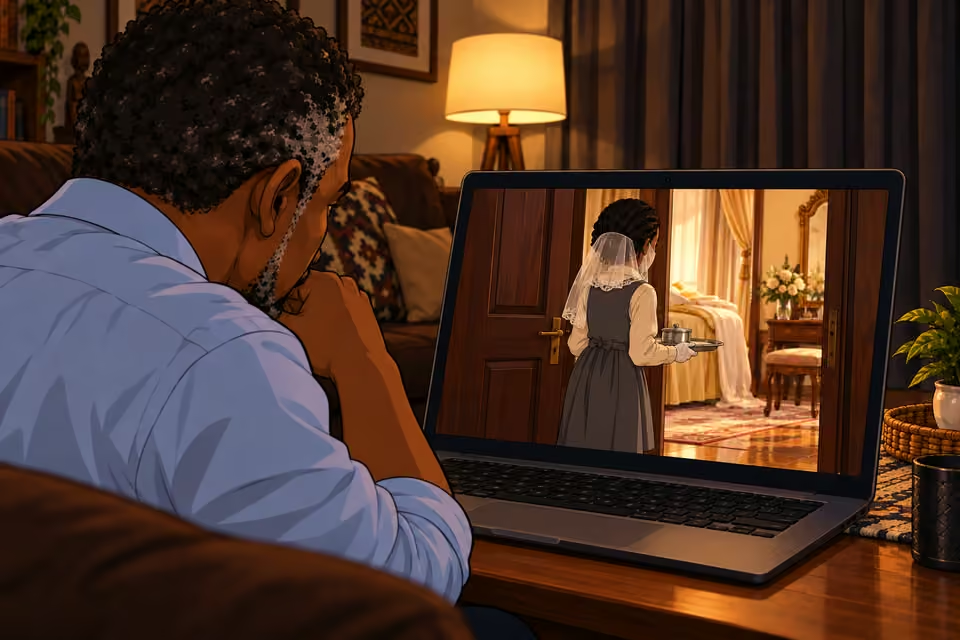
She entered the bridal suite.

She enters the bridal suite.

Five minutes later, she exited empty-handed.

She leaves without the tray.

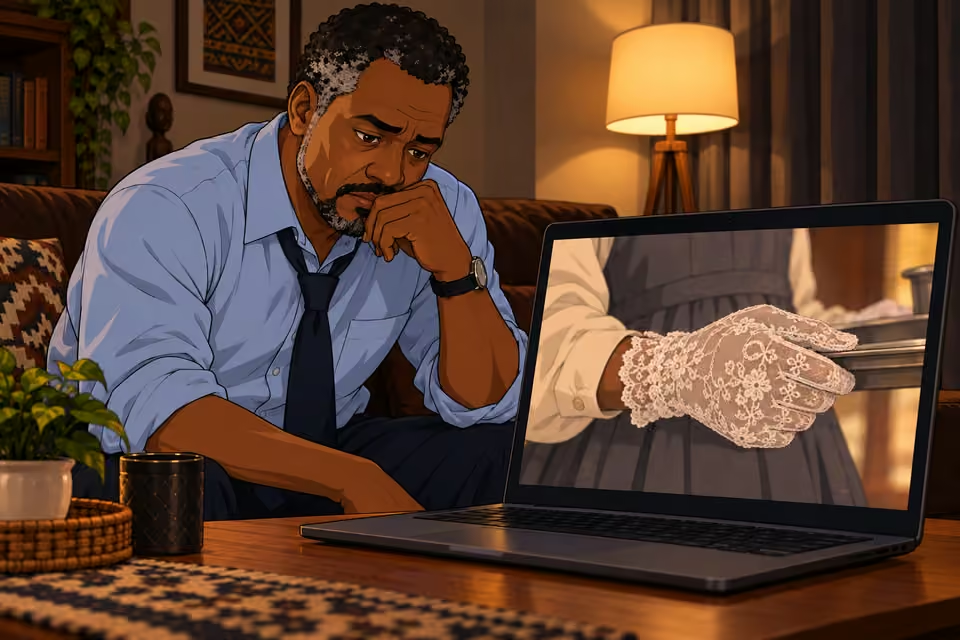
Musa paused the footage.

Musa freezes the image.

Zoomed in.

He enlarges the telling detail.

The lace gloves.

The lace gloves catch his attention.

The gloves Amaka had claimed were a bridal fashion accessory—"to honor tradition."

He remembers Amaka’s explanation of the gloves.

But in this video, she wasn't wearing them.

Amaka was not the person wearing them.

Someone else was.

Someone else wore the bridal gloves.

He replayed the moment again and again.

He watches the moment repeatedly.

Then checked the timestamp.

He checks when it happened.

7:49 a.m.

The early hour changes his reading of the evidence.

Agnes died after 2 p.m.

The recording predates Agnes’s death.

This wasn’t the poisoning.

This was not the poisoning itself.

This was the preparation.

He recognizes preparation.

The next morning, Musa returned to the estate grounds.

Musa returns to the estate.

The house had been locked up. Cleaned. Unused.

The house stands locked and unused.

But the gardener still came once a week.

Only routine garden care remains.

Musa walked the back path, down to the detached servant quarters.

He heads toward the servant quarters.

Knocked.

He knocks.
He knocks.

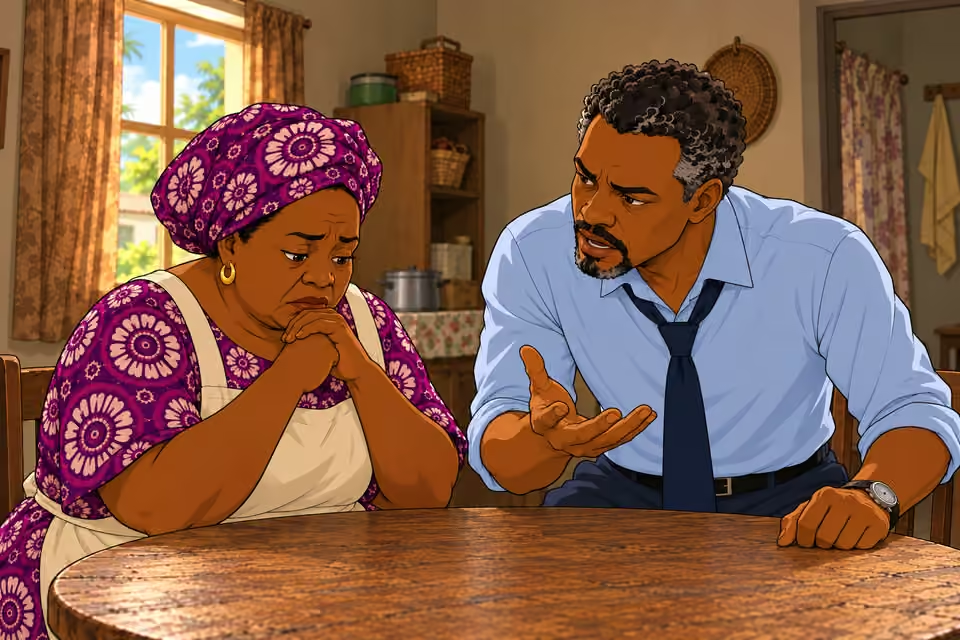
Mama Tutu opened the door.

Mama Tutu answers the door.

“You’re not supposed to be here.”

She tells him he should not be there.

“I know,” Musa said. “But I need to ask you one last question.”

He asks for one final answer.

She looked tired. Older. As if five years had passed in three months.

She looks worn down by the months.

“I’m retired,” she said.

She says she has retired.

“But you remember everything.”

Musa appeals to her memory.

She stared at him.

She studies him in silence.

Then stepped aside.

She allows him inside.

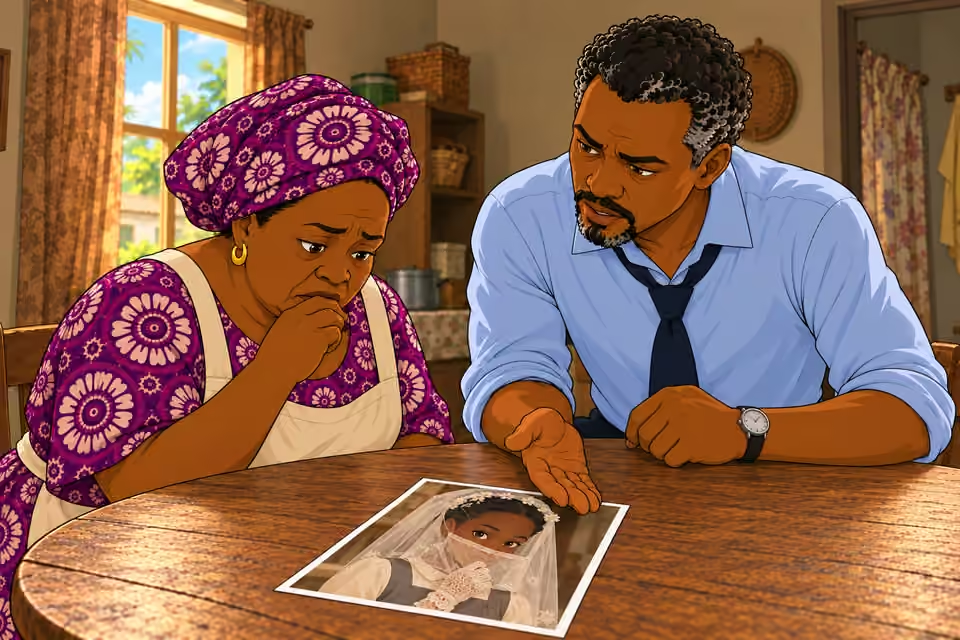
Inside, he placed a photo on the table.
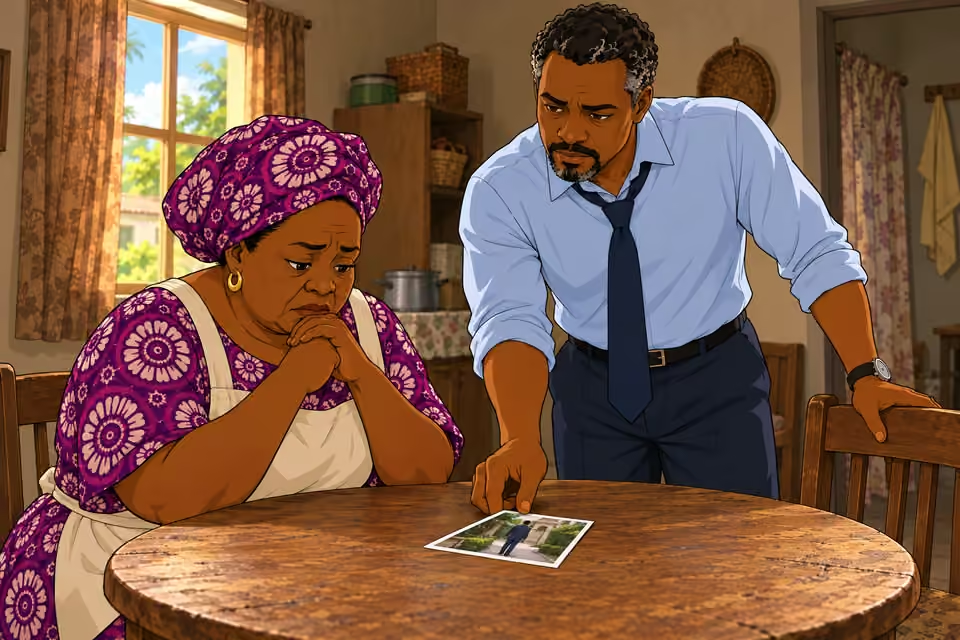
He puts a still photograph on the table.

A still frame from the video.
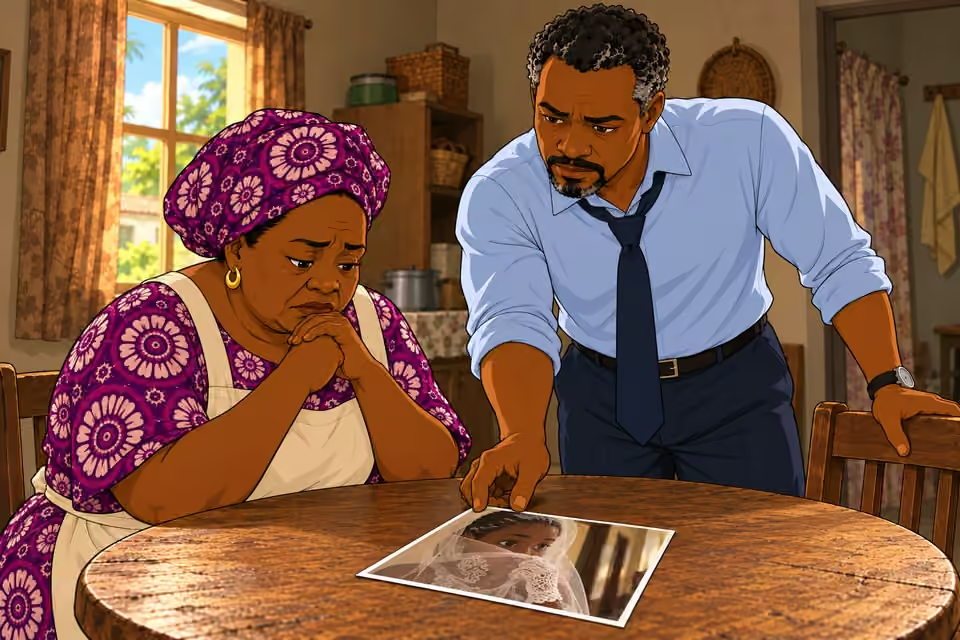
The photograph comes from the recording.

The girl’s eyes were visible now. Big. Unfamiliar. But undeniably watching.
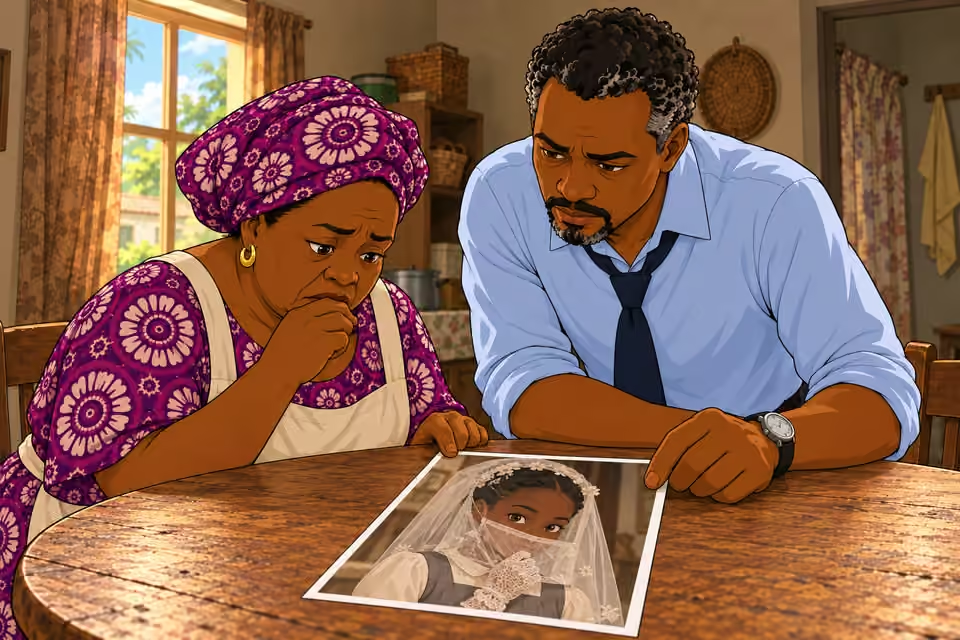
The girl’s watchful eyes are visible.

“Who is this?” he asked.

He asks who the girl is.

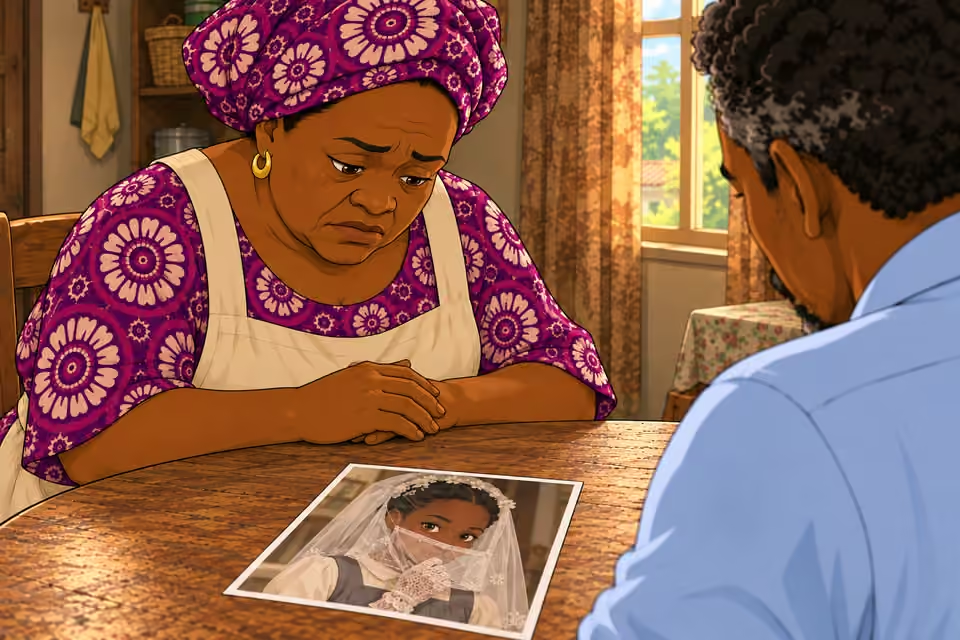
Mama Tutu looked down.

Mama Tutu looks down.

For a long time.

She remains silent for a long time.

Then quietly: “Her name was Adaeze.”

She gives Adaeze’s name.

“Who was she?”

Musa asks about her place in the house.

“She was… part of the house. Quiet girl. Came in through one of Madam’s staffers. Stayed out of sight. Did small errands.”
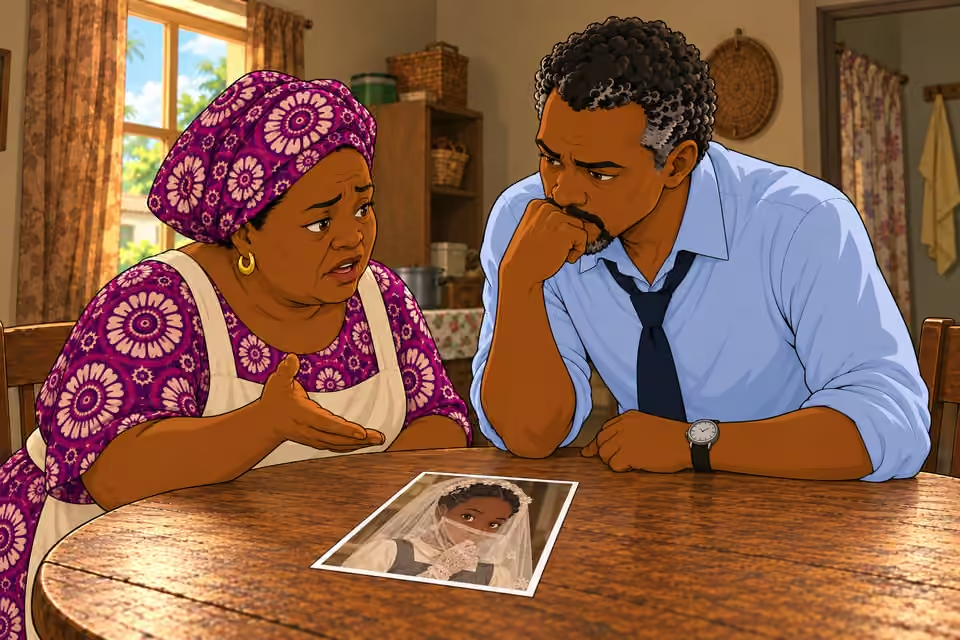
She describes a quiet girl who ran errands.

“Whose errands?”

He asks whose errands she ran.

Mama Tutu didn’t answer.

She does not answer.

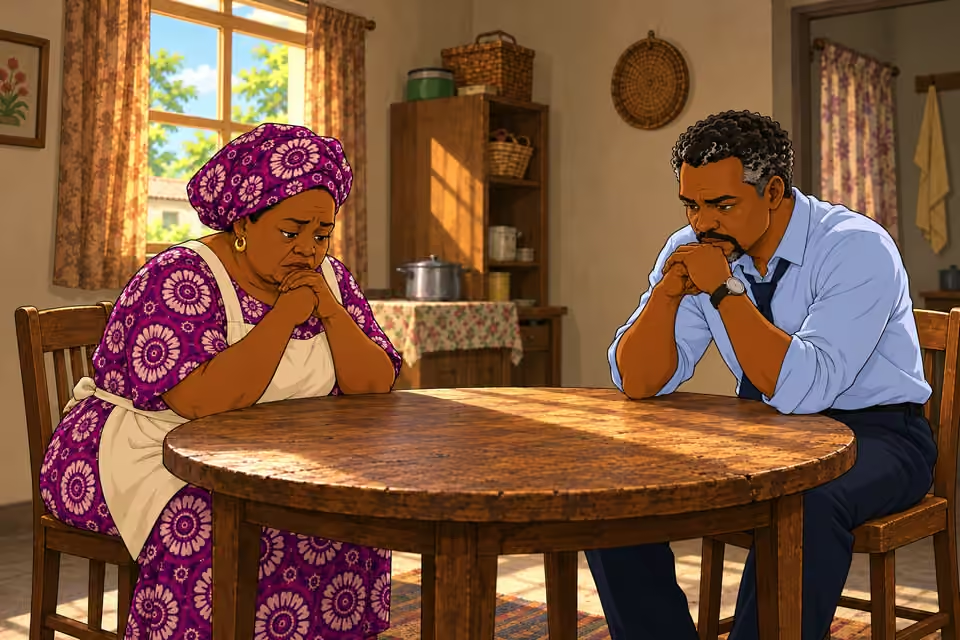
“You knew,” Musa said.

He realizes Mama Tutu knew.

“She said the girl was being trained. Taught to be useful. Like Amaka was.”

She recalls being told the girl was in training.

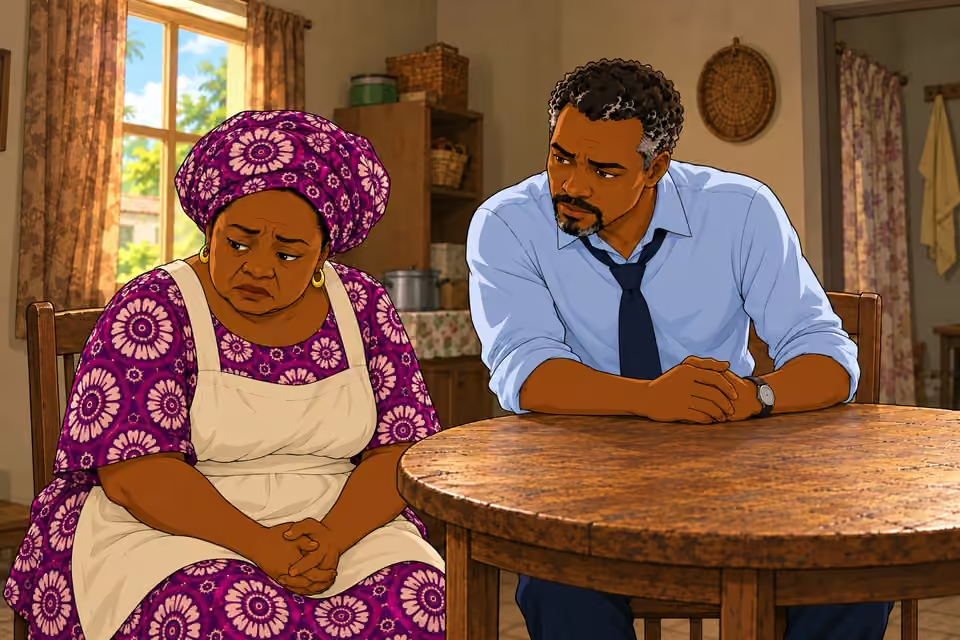
“Trained by who?”

Musa asks who taught Adaeze.

Mama Tutu looked up.

She looks up.
She looks up.

And said it without fear:

Her hesitation gives way to resolve.

“Amaka.”

She names Amaka.
She names Amaka.

Musa drove straight to the internal surveillance archive, his clearance long since expired, but his presence still respected.

Musa goes to the surveillance archive.

He requested backup footage from the bridal suite hallway, dated a week before the wedding.

He asks for older backup footage.

After hours of fast-forwarding, he found her again.

Hours of searching lead to another sighting.

Adaeze.

Adaeze appears in older footage.

Always in the periphery.

She stays at the edge of the recording.

Running messages. Picking up packages. Carrying sealed bags.

She delivers sealed items.

Never speaking.

She never speaks.
She never speaks.

Always watching.

She watches everything.

He checked her entry in the estate’s staff records.
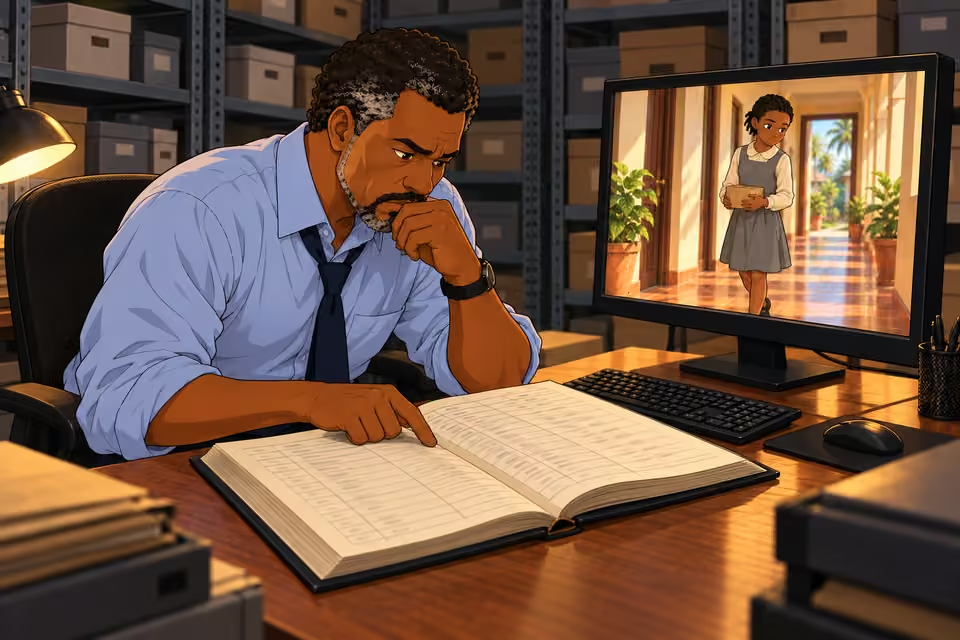
Musa searches the staff records.

There wasn’t one.

There is no entry for her.

No surname. No ID. No tax file.

No formal record establishes who she is.

Nothing.

The search yields nothing.

Just a name Amaka had written in a side note six months ago: “A. – silent runner.”

Only a brief handwritten note remains.

He knew what it meant.

He understands the note’s meaning.

She never intended to leave fingerprints.

The arrangement kept Amaka removed from the evidence.

She’d left another her.

He sees how Amaka created a successor.

An echo.

The discovery leaves him unsettled.

Back in Abuja, Amaka walked the dusty path to a local market, dressed in jeans and a simple blouse. No heels. No handlers. No makeup.

Amaka visits the local market quietly.

She paid in cash.

She pays with cash.
She pays with cash.

She never lingered.

She leaves without lingering.

At home, she fed the stray cat that waited outside her door each morning.

She feeds the stray cat outside her door.

She lived like a ghost.

Her new life remains discreet.

But tonight, she waited.

Tonight she waits for a call.

Because she knew something had changed.

She senses that something has changed.

She felt it.

She trusts her sense of a change.

And when her private line rang—only once every few months—she answered on the second ring.

She answers her private line.

No greeting.

She listens without greeting the caller.

Just Musa’s voice.

Musa is on the line.

“She was a child.”

He reminds her that Adaeze was a child.

Silence.

Amaka gives no answer.

“You used her.”

Musa accuses her of using the girl.

More silence.

The silence continues.

Then Amaka said softly, “I taught her.”

She calls it teaching.

“To poison.”

Musa challenges what she taught.

“No. To protect herself.”

She says the lessons were about protection.

“You made her your shadow.”

Musa says she made Adaeze her shadow.

Amaka stared out the window.

Amaka stares out the window.

“Better a shadow than a sacrifice.”

She defends the choice she made.

“Where is she now?”

He asks where Adaeze is now.

Amaka hung up.

Amaka ends the call.

In a church-run orphanage outside Port Harcourt, a girl with sharp eyes swept the hallway in silence.

Adaeze sweeps the orphanage hallway.

She wore lace gloves.

She still wears lace gloves.

And when asked her name, she simply said:

She pauses when asked her name.

“A.”

She gives only an initial.
There’s more to the story.
Read the original blog post ↗